

Black Sea Tour Itinerary: How Many Days and Best Cities to Visit
A Black Sea tour offers a stunning blend of dramatic coastlines, lush green mountains, and deeply historic port cities, creating a rich cultural and scenic journey. The ideal duration for a comprehensive coastal itinerary ranges from 10 to 14 days, allowing you to experience the distinct characters of Turkey, Georgia, Bulgaria, and Romania at a comfortable pace. This guide details the essential cities to include and provides a structured framework to plan your adventure efficiently across multiple countries and climates.
Essential Black Sea Region Overview
The Black Sea coastline spans six countries, each offering unique landscapes and cultural heritage. This region features a humid subtropical climate along the coast, with the Pontic and Caucasus mountain ranges creating breathtaking backdrops. Coastal cities have served as vital trade hubs for millennia, blending Greek, Roman, Genoese, Ottoman, and Soviet influences into their architecture and cuisine.
Traveling the circuit requires crossing international borders, so planning documents like passports and any necessary visas is crucial. The coastal highway and rail networks connect major hubs, though travel times can be significant due to mountainous terrain. Understanding this geographic and political tapestry is the first step to a seamless journey.
Geographic and Cultural Context
The Black Sea is nearly landlocked, connected to the Mediterranean only by the narrow Bosphorus Strait. This unique geography has fostered distinct ecosystems and cultures. The southern and eastern coasts are dominated by steep, rain-drenched slopes covered in tea plantations and hazelnut groves.
- The Turkish coast, from Istanbul to the Georgian border, is lined with historic fortresses and fishing towns that date back to ancient Greek colonies, offering a mix of Ottoman history and vibrant local bazaars.
- Georgia’s Ajara region provides a subtropical climate with botanical gardens and the dynamic architecture of Batumi, a city that perfectly blends old-town charm with modern, futuristic skyscrapers.
- Bulgaria’s coastline features long, sandy beaches and resort towns like Sunny Beach, while preserving ancient ruins in cities like Varna, often called the maritime capital of the country.
- Romania’s port of Constanța is home to impressive Roman mosaics and serves as the gateway to the wild, deltaic landscapes of the Danube River, a UNESCO Biosphere Reserve.
- Budget Traveler ($50-70 USD/day): This covers dormitory-style hostels or guesthouses, meals at local lokantas or bakeries, and public bus travel. Focus on free attractions like beaches, old town walks, and public parks. Cooking some meals can further reduce costs.
- Mid-Range Traveler ($100-150 USD/day): This allows for comfortable 3-star hotels, daily restaurant meals featuring local cuisine, occasional guided tours for key sites, and a mix of bus and taxi travel. You can comfortably enjoy paid entrance fees to museums and castles.
- Luxury Traveler ($250+ USD/day): This tier includes boutique hotels in historic centers, fine dining, private drivers for day trips, and guided cultural or culinary experiences. You can also book domestic flights between regions to maximize time.
- Turkish Ministry of Culture and Tourism – Black Sea Region
- Lonely Planet – Black Sea Coast Travel Guide
Historical Significance and Modern Appeal
This sea has been a crossroads of civilizations for over three millennia. Ancient Greeks established colonies like Sinop and Trabzon, which later became part of the Roman, Byzantine, and Ottoman empires. The famous Silk Road had northern branches that terminated at these ports, bringing immense wealth and cultural exchange.
Today, the region appeals to travelers seeking alternatives to the crowded Mediterranean. It offers authentic culinary journeys, from fresh anchovies in Turkey to Georgian khachapuri cheese bread. Adventure seekers find hiking in the Kaçkar Mountains, while history buffs explore ancient monasteries and castles. The modern appeal lies in its undiscovered feel and incredible value for money compared to Western European destinations.
Climate and Travel Seasons
The climate varies significantly from north to south. The southern coast (Turkey and Georgia) enjoys mild, wet winters and warm, humid summers. The northern coasts (Bulgaria, Romania) have colder winters with potential for snow and warmer, drier summers ideal for beach activities. The best overall travel months are late May through June and September through early October.
During these shoulder seasons, you’ll avoid the peak summer crowds and humidity while enjoying pleasant temperatures ranging from 65°F to 80°F (18°C to 27°C). July and August are perfect for beach-goers but can be very busy. Winter travel is possible for city breaks, though some mountain passes may close, and temperatures can drop to 30°F (-1°C) in the north.
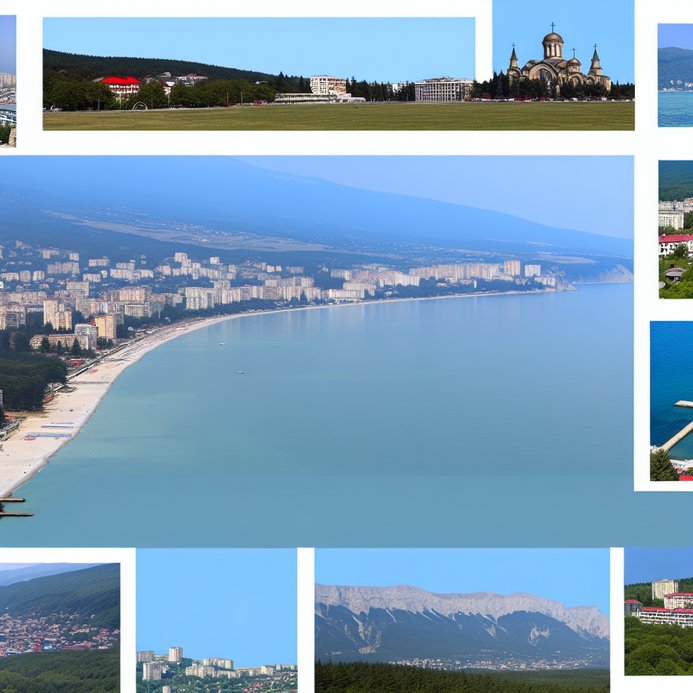
Alt: “black-sea-coastline-mountain-view-trabzon-turkey”
Black Sea Tour – Planning Your Itinerary
Structuring your Black Sea tour effectively depends on your available time and primary interests, whether they are history, nature, or culinary discovery. A well-planned route minimizes backtracking and maximizes your experience of the region’s diversity. Consider focusing on a specific segment if your time is limited, such as the Turkish coast combined with Georgia, for a deeply immersive two-week trip.
Logistics require attention to border crossings and transport links. Renting a car offers the most flexibility, especially for exploring the dramatic mountain roads and remote villages. Alternatively, a combination of comfortable buses and trains connects the major cities reliably. Booking inter-country flights between major hubs like Istanbul and Bucharest can save time if your schedule is tight.
Best Time to Visit the Black Sea Coast
The optimal window for a multi-country Black Sea tour is between mid-May and late June. During this period, the landscapes are lush and green from spring rains, wildflowers are in bloom, and tourist crowds are manageable. Daytime temperatures are comfortable, averaging 70°F to 75°F (21°C to 24°C), perfect for both city walking tours and light hiking.
September is equally superb, with warm sea temperatures, harvest festivals, and thinner crowds. The “meltem” wind can pick up in the afternoon, which is refreshing. Avoid late October through April if you plan a coastal tour, as many seasonal facilities close, and ferry services are reduced, though cities remain active for urban explorers.
Budget Planning and Costs
A Black Sea tour can suit various budgets, with costs significantly lower than Western Europe. Your major expenses will be inter-country transportation and mid-range accommodations.
Essential Preparation Checklist
Preparing for a tour across multiple Black Sea nations requires specific documentation and gear. Ensure your passport has at least six months validity and check visa requirements for US passport holders; Turkey and Georgia offer e-visas, while Bulgaria and Romania are in the Schengen process. Travel insurance with medical evacuation coverage is highly recommended.
Pack layers, including a waterproof jacket and comfortable walking shoes, as weather can change quickly near the mountains. A universal power adapter (Type C/F) works in all four countries. Download offline maps on your phone and consider a local SIM card upon arrival for reliable navigation and translation assistance in less touristy areas.
Top Cities and Coastal Destinations to Visit
Choosing which cities to include forms the core of your Black Sea adventure. Each major port has a unique story, from ancient Greek ruins to modern architectural marvels. A balanced itinerary mixes bustling maritime capitals with quieter towns that reveal the region’s authentic character. Prioritize cities that act as gateways to the natural wonders you wish to see, such as Trabzon for the Sumela Monastery or Varna for the Danube Delta.
Travel times between these highlights can be substantial, so avoid trying to see every single spot. Instead, focus on a curated selection that allows for two to three nights in each major hub. This pace provides time to explore the city itself and take a meaningful day trip into the surrounding countryside or mountains without feeling constantly in transit.
Must-See Highlights: Core City Itinerary
Begin your tour in Istanbul, the majestic city straddling the Bosphorus, though technically on the Sea of Marmara. It’s the cultural and transport hub for the entire region. From there, head east to Amasra, a picturesque Turkish town with a Byzantine castle and two beautiful bays. Continue to Sinop, a historic fortified peninsula and one of the most northern points in Turkey, known for its prison museum and atmospheric old streets.
The journey must include Trabzon, the vibrant capital of Turkey’s eastern Black Sea region. This city is your base for visiting the breathtaking Sumela Monastery, perched on a cliff face. Cross into Georgia to experience Batumi, a city of contrasts with a charming old town, a botanical garden, and striking modern skyscrapers. In Bulgaria, Varna offers excellent archaeology museums and a gateway to the coast, while Constanța in Romania impresses with its Roman-era mosaic edifice and art nouveau architecture.
Hidden Gems and Local Favorites
Beyond the major ports, smaller towns offer a more intimate experience. In Turkey, consider Ünye for its rock tombs and quiet beaches, or the charming village of Şile with its iconic lighthouse. The Turkish city of Rize is the heart of tea country, where you can tour plantations and factories while enjoying stunning valley views.
In Georgia, the town of Kobuleti provides a relaxed beach alternative to Batumi, while the mountain resort of Bakuriani offers a completely different alpine landscape accessible from the coast. Bulgaria’s Sozopol, though further south, is a beautifully preserved ancient town with wooden houses on a rocky peninsula, perfect for a detour. Romania’s Mamaia is a lively resort strip north of Constanța, ideal for a beach day.
Natural Wonders and Scenic Day Trips
The cities are gateways to extraordinary natural sites. From Trabzon, organize a day trip to the Sumela Monastery and the serene Lake Uzungöl, nestled in a mountainous valley. In Georgia, take a cable car from Batumi to the Mtatsminda plateau for panoramic views or visit the Mtirala National Park, one of the wettest areas in the country, for lush hiking.
From Varna, travel to the Stone Forest, a surreal desert-like landscape of stone columns. The crown jewel for nature lovers is the Danube Delta, best accessed from Tulcea (a short trip from Constanța). This vast network of river channels and lakes is a birdwatcher’s paradise, best explored by small boat tour.
Practical Travel Information and Logistics
Navigating the Black Sea circuit involves multiple transport modes. While a rental car provides ultimate freedom for exploring coastal roads and mountain villages, international one-way drop-off fees can be high. An efficient alternative is using the comprehensive network of comfortable, long-distance buses (like Metro Turizm in Turkey) that connect all major cities reliably and affordably.
Accommodation ranges from international chain hotels in city centers to charming family-run pansiyons in smaller towns. Booking.com and Airbnb offer wide selections. For a more authentic stay, seek out guesthouses in Georgian mountain villages or small hotels in the old quarters of Turkish cities, where hospitality is exceptional.
| City (Country) | Key Attractions & Features | Recommended Stay |
|---|---|---|
| Trabzon (Turkey) | Hagia Sophia Museum, Sumela Monastery, Atatürk Pavilion | 2-3 Nights |
| Batumi (Georgia) | Batumi Boulevard, Botanical Garden, Alphabet Tower | 2 Nights |
| Varna (Bulgaria) | Archaeological Museum, Roman Baths, Sea Garden park | 1-2 Nights |
| Constanța (Romania) | Roman Mosaic Edifice, Casino (landmark), Mamaia Beach | 1-2 Nights |
| Sinop (Turkey) | Sinop Fortress, Historic Prison, Alaaddin Mosque | 1-2 Nights |


