Cook Islands February Lagoon Tours for Vibrant Summer Exploration
February offers the pinnacle of the Cook Islands’ vibrant summer, presenting lagoon conditions so clear and calm they appear as liquid glass. This period delivers consistent sunshine, minimal rainfall, and warm ocean temperatures ideal for discovering the underwater world that defines this South Pacific paradise. Your Cook Islands February lagoon tours become the perfect gateway to experiencing the archipelago’s most iconic aquatic adventures in their prime seasonal state.
Essential Information for a February Visit
The Cook Islands, a self-governing nation in free association with New Zealand, comprises 15 islands scattered over a vast ocean area. February sits firmly within the warm, wet season, characterized by higher humidity and the potential for brief tropical showers, though these often pass quickly. The climate remains idyllic for water activities, with air temperatures averaging 82°F (28°C) and sea temperatures a bath-like 84°F (29°C).
This is also a period of vibrant cultural activity, with the peak tourist season from Australia and New Zealand winding down, offering a slightly more relaxed pace. The marine life is exceptionally active during these warm summer months. You’ll find corals in full bloom and fish populations thriving in the nutrient-rich waters.
Why February is Unique for Lagoon Activities
Choosing February for your aquatic adventure provides distinct advantages over other months. The weather patterns create specific conditions that enhance certain experiences.
- Superior Visibility: The summer sun is at its highest angle, penetrating deep into the lagoon and providing exceptional underwater visibility often exceeding 100 feet (30 meters) for snorkeling and diving.
- Calmest Lagoon Conditions: Predominant southeast trade winds are lighter, making the vast Aitutaki and Rarotonga lagoons exceptionally placid, which is perfect for stand-up paddleboarding, kayaking, and lagoon cruises.
- Active Marine Breeding: Many tropical fish species spawn in the summer warmth, meaning you’re likely to see more colorful and diverse marine behavior during your lagoon excursions.
- Budget-Conscious: ($1,800-$2,500 per person): Stay in Rarotonga guesthouses, use local buses, and focus on free beach snorkeling spots like Muri Beach. Add one or two key paid tours like an Aitutaki day trip ($180-$250) or a Rarotonga glass-bottom boat tour ($50-$70). Cook most meals.
- Mid-Range Explorer: ($3,000-$4,500 per person): Split stay between Rarotonga and Aitutaki in mid-range resorts. Book several guided tours: a full-day Aitutaki lagoon cruise ($150-$200), a snorkel/sail combo, and perhaps a beginner scuba dive. Enjoy a mix of restaurant and self-catered meals.
- Premium Lagoon Focus: ($5,500+ per person): Stay in overwater bungalows or high-end beachfront villas on Aitutaki. Book private or small-group charters for fishing, snorkeling, and motu picnics. Include activities like a helicopter flight over the lagoon and dine at top island restaurants nightly.
- Cook Islands Tourism Corporation
- Cook Islands Meteorological Service
Understanding the Climate and What to Expect
The weather in February is consistently warm and tropical. You can expect daytime highs regularly reaching 86°F (30°C) with overnight lows around 75°F (24°C). Humidity levels are higher, typically between 75-80%. While classified as the wet season, rainfall usually comes in short, intense bursts often followed by brilliant sunshine.
These brief showers rarely disrupt a full day of activities and help maintain the islands’ lush greenery. The ocean is at its warmest, eliminating any need for wetsuits. The UV index is extreme, so high-protection reef-safe sunscreen, hats, and rash guards are non-negotiable items for your daily lagoon adventures.
Cultural Context and Local Life
The Cook Islands Maori culture is deeply connected to the ocean, or “moana.” The lagoon is not just a recreational space but a vital source of food and a part of community heritage. Respectful interaction with this environment is key. February may see local preparations for the Constitution Day celebrations in August, with community practices sometimes visible.
You’ll notice a laid-back “island time” mentality. Schedules for lagoon tours are often flexible, emphasizing experience over rigid punctuality. Engaging with local operators provides not just a service but a cultural exchange, where stories about the reef and its significance are often shared.
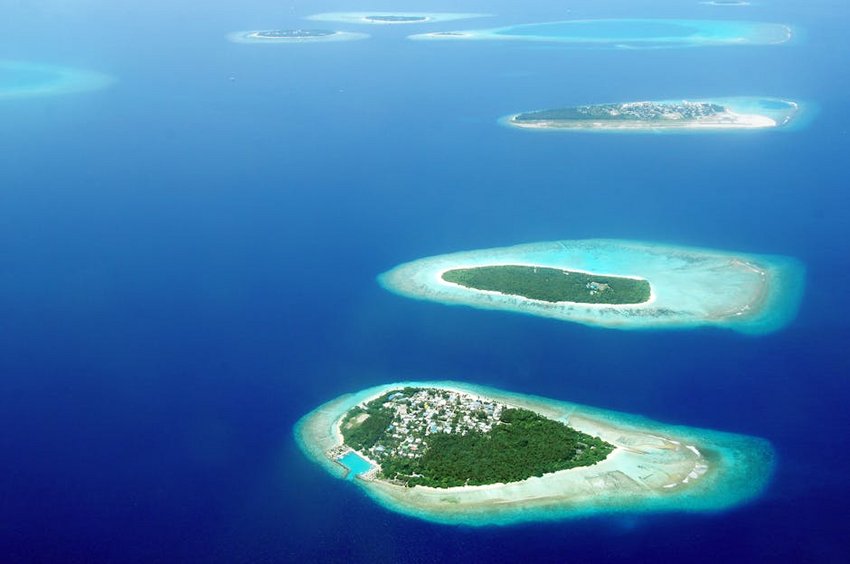
Alt: “aitutaki-lagoon-aerial-view-turquoise-water-february-summer”
Cook Islands February Lagoon Tours – Planning Your Trip
Organizing your lagoon-focused getaway requires attention to seasonal specifics. February bookings should be secured well in advance, especially for popular small-group tours and specific overwater accommodations. Your itinerary should balance structured excursions with ample free time to simply enjoy the lagoon from the beach. The goal is to immerse yourself in the aquatic environment without feeling rushed.
Budgeting must account for both premium guided experiences and simple self-guided exploration. The beauty of the Cook Islands lies in the accessibility of its lagoons; you can have a world-class snorkeling session right from the shore of your resort. Prioritize tours that offer unique access, such as visiting the deserted “motu” (islets) on Aitutaki’s southern reef. A well-planned trip leverages the fantastic February conditions for maximum enjoyment.
Best Time to Visit for Lagoon Activities
The absolute best window for lagoon tours within February is from the first to the third week. This period historically shows the most stable weather patterns before the tail end of the cyclone season. Days are long, with sunrise around 6:30 AM and sunset after 7:00 PM, providing extended daylight for activities. Sea conditions are predictably calm, particularly in the mornings.
The latter part of the month can see a slight increase in cloud build-up in the afternoons. For the clearest skies and calmest water, schedule your key boat-based excursions for morning departures. The light is also best for underwater photography before midday. Remember, even if a brief shower occurs, the water remains warm and activities usually continue.
Budget Planning and Costs
Your expenditure will vary significantly based on your chosen islands and tour types. Here’s a realistic breakdown for a one-week trip focused on lagoon experiences.
Essential Preparation Checklist
Packing correctly is crucial for comfort and enjoyment. Beyond standard tropical wear, prioritize high-SPF, reef-safe sunscreen (brands like Stream2Sea or All Good), a quality snorkel set if you have one, a UV-protective long-sleeve rash guard, and waterproof shoes for walking on coral. A dry bag for your boat trips and a waterproof phone case are invaluable.
Ensure your travel insurance explicitly covers water sports and medical evacuation. Book inter-island flights between Rarotonga and Aitutaki with Air Rarotonga well in advance, as seats are limited. Check passport validity (six months beyond your stay) and review New Zealand transit requirements if applicable. No visas are required for US or EU passport holders for stays under 31 days.
Top Attractions and Lagoon Activities
The Cook Islands’ lagoons are the main attraction, offering a spectrum of experiences from adrenaline-pumping to profoundly serene. The two primary centers are Rarotonga, with its accessible fringe reef, and Aitutaki, often described as the world’s most beautiful lagoon. Each offers a different character for your aquatic adventures. The key is to match activities with your energy level and interests.
Beyond the famous spots, countless hidden gems exist along the reef passages and quieter beaches. The marine ecosystem here is a living tapestry of hard and soft corals, tropical fish, rays, and, in deeper channels, turtles and occasional reef sharks. Respectful interaction ensures this environment thrives for future visitors. Always follow the “look but don’t touch” rule and maintain good buoyancy to avoid coral damage.
Must-See Highlights
The iconic Aitutaki Lagoon Cruise is the non-negotiable centerpiece. Operators like Vaka Cruise or Bishop’s Lagoon Cruises offer full-day trips that include snorkeling at sites like the giant clam sanctuary, a magnificent island buffet lunch on a motu, and time to wander the bone-white sands of One Foot Island. This experience encapsulates the lagoon’s beauty.
On Rarotonga, the Muri Lagoon is your aquatic playground. Here, you can easily rent kayaks or stand-up paddleboards from operators like Muri Beach Hire and paddle out to the tiny motus. For a guided experience, join a sailing catamaran tour with Captain Tama’s that includes snorkeling over vibrant coral gardens. The underwater world is just steps from the beach.
Hidden Gems and Local Favorites
For a unique perspective, book a traditional “vaka” (outrigger canoe) tour with a local guide on Rarotonga. They often share stories and take you to less-visited snorkel spots. On Aitutaki, ask your accommodation about visiting “Honeymoon Island,” a secluded motu perfect for a romantic picnic, often accessible through private arrangements with local boat owners.
Explore the lagoon-side waterways of Rarotonga by taking a peaceful kayak trip up the Avana and Takuvaine streams. This offers a glimpse of the inland landscape meeting the sea. For fishing enthusiasts, February is excellent for lagoon bonefishing on the flats; hire a local guide who practices catch-and-release to target these sportfish in the shallow waters.
Snorkeling and Diving Specifics
Snorkeling is phenomenal directly from shore at spots like Fruits of Rarotonga or the Black Rock area. For diving, operators like Dive Rarotonga offer trips to passages where nutrient-rich currents attract larger life. February’s warm water means a 3mm shorty or even just a swimsuit is sufficient for most divers.
The visibility is often at its annual best. Dive sites like the Rarotonga’s “The Canyon” or Aitutaki’s “The Garden” are lush with coral and fish life. Night snorkeling or diving is also a memorable experience, as different creatures, like octopus and lobsters, become active. Always go with a certified guide for night excursions.
Practical Travel Information
Navigating the Cook Islands is straightforward, with a focus on two main islands for most lagoon tours. Rarotonga (RAR) is the international gateway, home to the main airport and larger infrastructure. Aitutaki (AIT) is a 45-minute flight north and is the heart of the legendary lagoon experience. Most visitors combine both islands.
Accommodation ranges from luxury resorts and overwater bungalows to family-run guesthouses and self-contained villas. Dining is a mix of incredible local eateries (“kai carts”), casual cafes, and a few fine-dining establishments. The currency is the New Zealand Dollar (NZD), and credit cards are widely accepted, though carrying some cash for smaller vendors and markets is wise.
| Category | Options/Features | Price Range (USD/NZD) |
|---|---|---|
| Lagoon Cruise (Full Day) | Includes snorkeling gear, lunch on a motu, guided tour, drinks. Aitutaki operators are premier. | $180-$250 (NZ$300-$400) |
| Accommodation (Nightly) | Beachfront resort room, villa with kitchen, or overwater bungalow. Prices vary by island and luxury level. | $150-$800 (NZ$250-$1300) |
| Inter-Island Flight (RAR-AIT) | 45-minute flight with Air Rarotonga. Baggage limits apply; book round-trip for better rates. | $180-$250 roundtrip (NZ$300-$400) |
| Car/Scooter Rental (Daily) | Essential for exploring Rarotonga; scooters popular on Aitutaki. Local driver’s license required ($25). | $35-$70 (NZ$60-$120) |