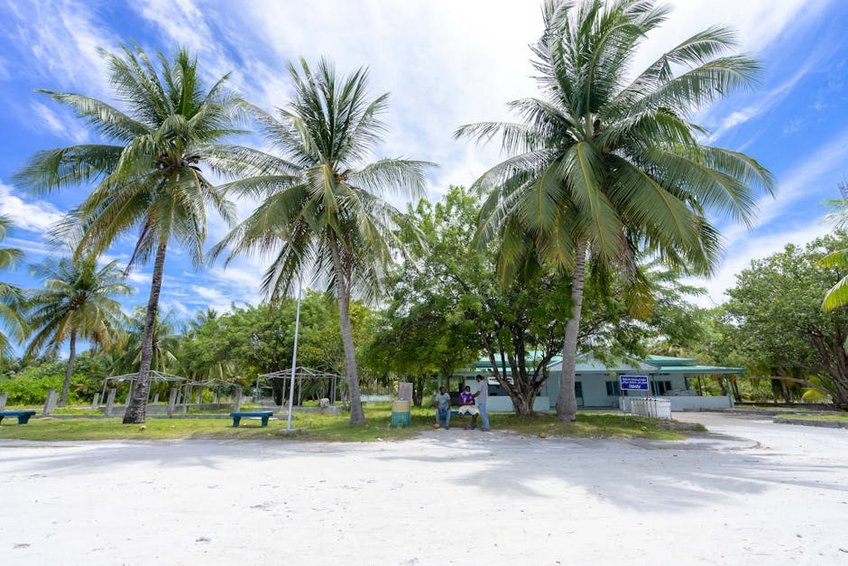
Tahiti February Tropical Climate: Your Perfect Escape
Visiting Tahiti during its February tropical climate offers a distinct combination of warm temperatures and vibrant cultural events. This period falls within the island’s warm, humid summer season, providing ideal conditions for swimming, snorkeling in warm lagoons, and experiencing lush, rain-fed landscapes. This guide details what to expect weather-wise, explores the best activities for the season, and provides essential planning tips for a seamless South Pacific getaway.
Understanding Tahiti’s Seasonal Weather Patterns
Tahiti experiences a tropical climate year-round, divided into two main seasons: a warmer, wetter season from November to April and a slightly cooler, drier season from May to October. February sits squarely in the heart of the warmer period, characterized by consistent heat and higher humidity. These conditions create incredibly verdant scenery but also bring the potential for brief, intense rainfall.
The island’s microclimates mean weather can vary between the windward (east) and leeward (west) coasts. The mountainous interior also creates its own weather patterns, often resulting in more rainfall on the eastern side. Understanding these nuances helps in planning daily activities and choosing the right accommodation location for your preferences.
What Defines a Tropical Climate
A tropical climate, like Tahiti’s, is defined by consistently high temperatures year-round and significant rainfall. The key characteristic is that the average temperature of the coolest month still remains above 18°C (64°F). This creates an environment where outdoor and aquatic activities are always feasible, and the natural landscape remains perpetually green and blooming.
- High Temperatures: Daily averages rarely dip below 25°C (77°F), even at night, ensuring warm evenings perfect for beachside dining.
- Significant Humidity: Humidity levels often hover between 75% and 85%, making the air feel warmer and emphasizing the importance of hydration and breathable clothing.
- Convective Rainfall: Precipitation typically comes from short, heavy afternoon showers or passing cloud systems, rather than all-day drizzle, often followed by sunshine.
- Budget: Expect to spend $3,000+ per person for a week, staying in pensions or guesthouses, using local transportation, and enjoying market meals. Focus funds on one or two guided tours, like a lagoon cruise.
- Mid-Range: A budget of $5,000-$7,000 per person allows for a boutique hotel or overwater bungalow stay for part of the trip, rental car for exploration, and dining at a mix of local and mid-range restaurants.
- Luxury: For $10,000+ per person, you can enjoy a full week in a luxury overwater bungalow resort, private guided tours, gourmet dining, and spa treatments, with all transfers and activities arranged.
- Tahiti Tourism Board
- Weather Atlas – Tahiti Climate Data
February Weather Statistics and Norms
In February, Tahiti sees some of its highest temperatures and rainfall amounts. Average daytime highs reach about 31°C (88°F), while nighttime lows are a balmy 24°C (75°F). Sea surface temperatures are exceptionally welcoming, averaging 29°C (84°F), which feels like bathwater and is perfect for extended snorkeling sessions. The warm ocean also supports vibrant marine life.
Rainfall averages around 300 mm (12 inches) for the month, usually delivered in intense bursts. These rains are crucial, feeding the waterfalls and maintaining the island’s famous lush greenery. It is rare for rain to last an entire day; most showers pass quickly, leaving refreshed air and dramatic skies in their wake.
Microclimates Across the Island
Tahiti’s topography creates distinct weather zones. The windward coast, facing the prevailing southeast trade winds, receives more cloud cover and precipitation. This area, including districts like Hitia’a, is incredibly lush and features powerful surf. The leeward coast, home to areas like Punaauia and Papara, is generally sunnier and drier, making it popular for beach resorts.
The interior mountains act as a barrier, causing orographic rainfall on the eastern slopes. This results in spectacular waterfalls and dense rainforests accessible via inland valleys. When planning daily excursions, checking localized forecasts for your specific area of the island provides the most accurate picture.
Alt: “tahiti-february-lush-mountain-landscape-waterfall”
Tahiti February Tropical Climate – Planning Your Trip
Your trip planning for Tahiti’s February conditions should focus on balancing adventure with relaxation, accounting for both sunshine and rain. This season offers a unique vibrancy but requires a flexible itinerary. Prioritize water-based activities in the morning when conditions are often calmest, and have indoor or cultural backup plans for occasional rainy afternoons.
Booking accommodations with air conditioning is highly recommended due to the combination of heat and humidity. Also, consider your location preference: leeward coast for maximum beach time or windward coast for dramatic scenery and surf. February is a popular month for cultural events, so checking the local festival calendar can add a special dimension to your visit.
Best Time to Visit Within February
The entire month offers a consistent climate, but the first half often has marginally less rainfall than the second half. Aim for the first two weeks if prioritizing beach days. Temperatures remain stable throughout, with averages between 30-32°C (86-90°F) during the day and 23-25°C (73-77°F) at night.
While it’s part of the wetter season, February is outside the primary South Pacific cyclone season peak, which runs from January to March. The risk of a major storm is statistically low but non-zero. Travel insurance that covers weather disruptions is always a prudent investment for travel during this period.
Budget Planning and Costs
February is peak season, so flights and lodging are at a premium. Planning and booking at least six months in advance secures better rates and availability.
Essential Preparation Checklist
Packing for Tahiti in February centers on managing heat, humidity, and sun exposure. Essential items include high-SPF, reef-safe sunscreen, a wide-brimmed hat, and polarized sunglasses. Pack quick-dry clothing, a lightweight rain jacket or poncho, and multiple swimsuits. Water shoes are useful for rocky shores and coral.
Ensure your passport is valid for six months beyond your stay. No visa is required for US or EU citizens for tourist stays under 90 days. Book inter-island flights or ferry travel well in advance if visiting other Society Islands like Moorea or Bora Bora. Confirm your credit cards have no foreign transaction fees and carry some local currency (French Pacific Francs) for markets.
Top Activities and Experiences in February
The warm seas and vibrant landscapes of February make outdoor and aquatic activities exceptional. Snorkeling and diving conditions are superb, with excellent visibility and active marine life. This is also a prime time for experiencing Tahiti’s cultural calendar, which may include celebrations leading up to the Heiva festival later in the year.
Land-based adventures thrive in the lush conditions. Hiking trails lead to spectacular waterfalls at their most powerful. The occasional rain shower keeps the jungle vibrant and the air filled with the scent of tropical flowers. Having a flexible schedule allows you to chase the sun and make the most of every weather window.
Must-See Highlights
No visit is complete without exploring the island’s interior. A guided 4×4 tour to the Papenoo Valley reveals ancient archaeological sites, deep pools, and cascading waterfalls against a backdrop of emerald greenery. The Arahoho Blowhole on the north coast is particularly dramatic after ocean swells, throwing seawater high into the air.
For marine life, a lagoon tour to the Coral Gardens or a shark and ray feeding excursion in the lagoon of Moorea (a short ferry ride away) provides unforgettable encounters. The waters are exceptionally warm, allowing for longer in-water enjoyment. Visiting the Marché de Pape’ete, the central market, offers a vibrant, covered cultural experience perfect for any weather.
Hidden Gems and Local Favorites
Venture to the south coast’s Teahupo’o village, world-famous in the surf community. Even if you’re not a surfer, the black sand beaches and powerful wave backdrop are awe-inspiring. The nearby Vaipahi Gardens offer serene, easy walking paths through tropical flora, with clearly labeled plants.
For a truly local experience, visit the fresh fruit and fish stalls along the roadside in the smaller communes. Seek out a “roulotte” (food truck) park in the evenings for an affordable and delicious dinner among residents. The Plateau de Taravao offers panoramic views of both Tahiti’s halves and is often bypassed by standard tours.
Water Sports and Lagoon Adventures
The February sea temperature makes water activities exceptionally enjoyable. Stand-up paddleboarding in the morning calm of the lagoons is a peaceful way to start the day. Kayaking allows for exploration of hidden coves and motus (small islets).
For diving enthusiasts, the warm water attracts larger pelagic life, and visibility remains excellent outside of immediate rain events. Numerous dive shops on the west coast offer trips to outer reef passes. Always choose operators committed to environmentally responsible practices to protect the delicate coral ecosystems.
Practical Travel Information and Logistics
Navigating Tahiti requires understanding its limited but functional infrastructure. Faa’a International Airport (PPT) is the main gateway, located just west of the capital, Pape’ete. The island has one main coastal road that circles almost the entire perimeter, making self-driving navigation straightforward. Traffic can be heavy around Pape’ete during rush hours.
Accommodation ranges from international luxury resorts to family-run guesthouses. The most concentrated resort area is on the leeward coast in Punaauia and Papara. For a more authentic and budget-friendly stay, look for “pensions” on the peninsula or the east coast, which often include breakfast and dinner.
| Accommodation Type | Key Features & Location | Price Range (USD) per Night |
|---|---|---|
| Luxury Resort | Overwater bungalows, multiple restaurants, spa, private beach. Leeward coast. | $800 – $2,000+ |
| Boutique Hotel | Smaller scale, personalized service, often with cultural activities. Various locations. | $250 – $600 |
| Pension (Guesthouse) | Family-run, includes meals (demi-pension), authentic local experience. Often on east coast. | $120 – $250 |
| Vacation Rental | Apartment or house, self-catering, more space. Best for longer stays or groups. | $150 – $400 |