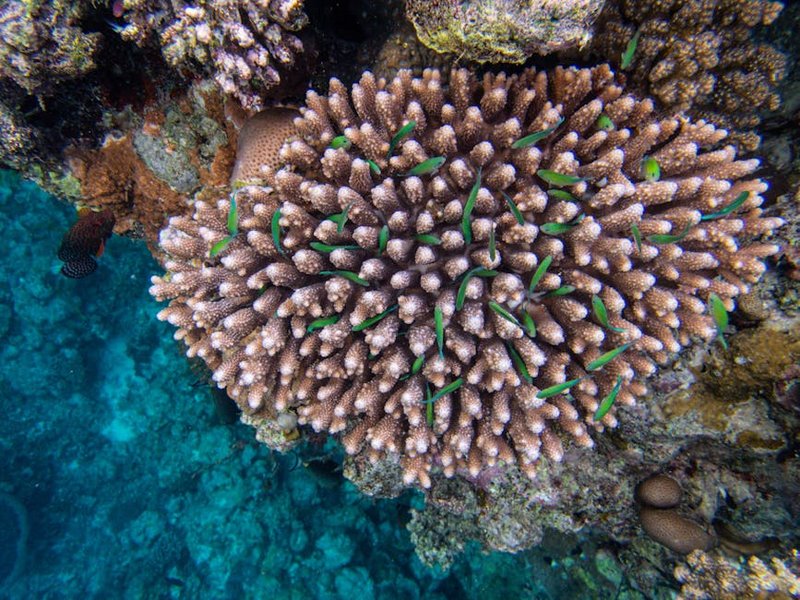
Fiji Islands February Diving Season: A Coral Wonderland
The Fiji Islands February diving season delivers consistently warm water, vibrant marine life, and world-class visibility. Divers explore the legendary soft coral capital of the world, where ecosystems like the Great Astrolabe Reef and Somosomo Strait are at their most active. This guide details the ideal conditions, top sites, and essential planning for your underwater adventure.
Essential Diving Information for Fiji
Fiji is an archipelago of over 330 islands located in the South Pacific, renowned globally for its rich marine biodiversity. The nation’s waters are a haven for over 1,500 species of fish and 400 types of coral, creating a complex and colorful underwater tapestry. February falls squarely within the region’s warm, wet summer season, influencing both land and sea environments.
The country is divided into several major island groups, each offering distinct diving characteristics. Key regions include the Mamanuca and Yasawa Islands near Nadi, the Bligh Water between Viti Levu and Vanua Levu, and the remote Lau Group. Water temperatures during this month are exceptionally inviting for extended time below the surface.
What Makes Fiji a Premier Dive Destination
Several unique factors combine to make Fiji a bucket-list location for underwater explorers of all skill levels.
- Soft Coral Capital: Fiji’s nutrient-rich currents fuel breathtaking gardens of soft corals in hues of pink, purple, and yellow, particularly famous in the Somosomo Strait.
- Predictable Conditions: The February period offers very stable sea conditions with minimal wind, leading to excellent visibility that often exceeds 100 feet (30 meters).
- Big Animal Encounters: Sites across the archipelago are known for regular sightings of sharks, manta rays, and pelagic fish, especially around channel passages and cleaning stations.
- Budget Option ($2,500-$3,500 per person): Includes stay at a dive-focused backpacker resort in the Yasawas, two-tank boat dives daily, and dorm or basic bure accommodation. Meals may be simple, and transfers are via ferry.
- Mid-Range Option ($4,000-$6,000 per person): Features a boutique dive resort on Taveuni or Kadavu, unlimited shore diving, guided boat trips, and comfortable private bures. Often includes breakfast, airport transfers, and some gear rental.
- Luxury Option ($7,000-$12,000+ per person): Covers a 7-10 day liveaboard expedition on a vessel like the ‘Fiji Aggressor’ or a stay at a five-star resort like Kokomo Private Island. Includes all diving, gourmet meals, premium beverages, and nitrox.
- Tourism Fiji
- PADI Travel – Fiji Diving
February’s Unique Underwater Climate
The weather patterns during this month create the perfect storm for phenomenal diving. Air temperatures range from 77°F to 88°F (25°C to 31°C), while sea surface temperatures are a balmy 82°F to 86°F (28°C to 30°C). These warm conditions are ideal for wearing a 3mm wetsuit or even diving in a rash guard.
February is part of the wet season, meaning brief, intense afternoon rain showers are common. However, these rains rarely affect underwater visibility and often clear to bright sunshine. The water is exceptionally calm, with surface conditions that are perfect for liveaboard journeys and accessing offshore sites.
Marine Life Activity in February
This period is a peak time for observing specific marine behaviors and species. The warm water accelerates coral growth and spawning activities, adding to the reef’s dynamic energy. Many fish species are in their juvenile stages, attracting larger predators to the reef systems for feeding.
Divers have a high probability of encountering schools of barracuda, trevally, and tuna. Furthermore, shark dives in places like Beqa Lagoon or the Namena Marine Reserve are exceptionally reliable, with bull sharks, tiger sharks, and reef sharks frequently seen. Manta rays are also commonly sighted in the Yasawa Islands during this time.
Alt: “fiji-coral-reef-soft-corals-fish-schools-february”
Fiji Islands February Diving Season – Planning Your Trip
Organizing a successful dive trip to Fiji in February requires attention to seasonal specifics and advanced booking. This is the tail end of the peak tourist season, so resorts and liveaboards can still be busy, especially around popular island groups. You’ll want to secure your accommodations and dive operator reservations at least four to six months in advance for the best selection.
Your planning should account for the tropical climate, which includes high humidity and intense sun. Packing must include sun protection, reef-safe sunscreen, and hydration solutions. Budgeting is crucial, as this period commands premium prices, though last-minute deals can sometimes be found if you have flexibility.
When selecting your base, consider your diving goals. The Mamanucas offer convenience and great reefs, while the remote Lau Group promises pristine exploration. A liveaboard is the best way to access Fiji’s most spectacular and isolated sites, combining multiple regions into one seamless journey.
Best Time to Visit for Diving Conditions
The absolute prime window for diving in Fiji is from late November through April, with February sitting in a sweet spot of fantastic conditions. Visibility typically ranges from 80 to 150 feet (24 to 45 meters) due to calm seas and reduced plankton bloom. Water warmth means extended bottom times and greater comfort, especially for multiple daily dives.
While there is a higher chance of brief tropical showers, they rarely disrupt dive schedules. The key advantage is the incredible soft coral displays, which are most vibrant and filter-feeding actively in the steady currents of this season. If your schedule is flexible, the first two weeks of February often see slightly less rainfall than the latter half.
Budget Planning and Costs
A dive trip to Fiji varies widely in cost based on accommodation style, location, and dive package inclusions.
Essential Preparation Checklist
Physical preparation involves being comfortable with ocean currents and having recent dive experience. Ensure your certification cards are current, and consider a refresher course if you haven’t dived in over a year. A dive insurance policy from DAN or similar is non-negotiable for covering hyperbaric treatment costs.
Pack your mask, snorkel, computer, and wetsuit to ensure perfect fit and comfort, though quality rental gear is widely available. Bring waterproof bags for your electronics, multiple swimsuits, and a sturdy reef hook for drift dives. Document-wise, your passport must be valid for six months beyond your stay, and no visa is required for stays under four months for US/EU passport holders.
Top Dive Sites and Regions to Explore
Fiji’s dive sites are legendary, each offering a unique underwater landscape. The Great Astrolabe Reef off Kadavu is the world’s fourth-largest barrier reef system, a vast arena of walls, pinnacles, and thrilling shark encounters. Meanwhile, the Bligh Water is known for its dramatic topography, with submerged mountains attracting huge pelagic activity.
For those seeking the iconic soft corals, the Somosomo Strait near Taveuni is unbeatable. Sites like the Great White Wall and Rainbow Reef are painted in surreal colors by feeding corals. The Mamanuca Islands provide accessible, prolific reefs perfect for beginners and underwater photographers looking for macro life.
Must-See Highlights
No trip is complete without diving the Great White Wall in the Somosomo Strait. This sheer wall is draped in stunning white, lavender, and blue soft corals that look like a frozen waterfall. It’s a deep dive, often starting at 80 feet (24 meters), best suited for advanced divers comfortable with moderate currents.
For shark enthusiasts, the Shark Reef Marine Reserve in Beqa Lagoon offers a guaranteed adrenaline rush. In a single dive, you can observe up to eight species of sharks from a safe, seated position on the sandy bottom. The Cathedral on Beqa is another famous site, a large coral amphitheater filled with glassfish and schooling snapper.
In the north, the Namena Marine Reserve’s Kansas and Grand Central Station are biodiversity hotspots. These sites feature swim-throughs, overhangs, and cleaning stations frequented by gray reef sharks, barracuda, and occasional hammerheads. A small marine park fee supports this pristine conservation area.
Hidden Gems and Local Favorites
Venture to the remote Lau Group for truly untouched diving, where reefs see only a handful of divers each year. Sites here are exploratory in nature, with giant sea fans, massive coral heads, and exceptional visibility. Access is primarily via liveaboard, adding to the sense of adventure and exclusivity.
Near Savusavu on Vanua Levu, the Split Rock is a fascinating geological formation—a large rock split in two, creating a narrow canyon swim-through. It’s adorned with vibrant soft corals and home to curious reef fish. Local operators also recommend the electric fields of soft corals at Dream House off Taveuni, a site less frequented by the main dive boats.
Photography and Videography Tips
The clear, sun-drenched waters of February are ideal for underwater imaging. Wide-angle lenses excel at capturing the vast coral landscapes and big animal encounters, while macro photographers will find endless subjects in the critter-rich muck diving sites. The strong natural light reduces the need for powerful strobes during shallow reef dives.
To capture the true colors of the soft corals, use a red filter or manual white balance settings on your camera or housing. Stable conditions allow for slower shutter speeds to create motion blur in schooling fish. Always practice good buoyancy to protect the fragile coral ecosystems you’re there to photograph.
Practical Travel Information for Divers
Reaching Fiji is straightforward, with Nadi International Airport (NAN) on Viti Levu being the main hub. Direct flights operate from Los Angeles, San Francisco, Sydney, and Auckland. From Nadi, you’ll connect to your final destination via domestic flight on Fiji Airways, helicopter, or fast ferry, depending on your island group.
Accommodation ranges from budget-friendly backpacker hostels with dive shops to ultra-luxurious private island resorts. The dive-centric culture means most properties, even smaller ones, have affiliated or on-site dive operations. Communication is easy, as English is an official language and is spoken widely across the tourism industry.
| Accommodation Type | Best For & Features | Price Range/Night (USD) |
|---|---|---|
| Dive Resort (Budget) | Backpackers, solo divers; includes dorm bed, basic meals, dive packages. | $80 – $150 |
| Dive Resort (Mid-Range) | Couples, small groups; private bure, beachfront, unlimited shore diving. | $250 – $450 |
| Liveaboard Boat | Serious divers; access to remote sites, 3-4 dives/day, all-inclusive. | $300 – $700 |
| Luxury Private Island | High-end travelers; villa accommodation, bespoke diving, spa, fine dining. | $1,000 – $2,500+ |