Madagascar February Rainforest Adventure Guide
Exploring Madagascar’s rainforests in February presents a unique and deeply rewarding travel challenge. This month sits at the heart of the warm, rainy season, transforming the island’s eastern jungles into a pulsating, emerald world where daily downpours fuel explosive growth and incredible wildlife activity. Your Madagascar February rainforest journey demands careful planning for wet conditions but rewards intrepid travelers with fewer crowds, spectacular photographic opportunities in the diffused light, and the chance to witness infant lemurs and vibrant breeding plumage. This guide provides the essential seasonal insights, packing strategies, and location-specific advice you need to navigate the rains and experience the magic of this biological wonderland at its most dynamic.
Essential Madagascar Rainforest Information
Madagascar’s rainforests are confined primarily to the island’s eastern escarpment, a strip of lush biodiversity that runs north to south. These ecosystems, including legendary parks like Andasibe-Mantadia and Ranomafana, are remnants of ancient forests that have evolved in isolation for over 88 million years. This separation is why over 90% of Madagascar’s wildlife is found nowhere else on Earth, making every visit a step into a living museum of evolution.
The climate here is tropical, with a hot, wet season typically running from November through April. February is often one of the wettest months, with high humidity and temperatures averaging between 70°F and 86°F (21°C and 30°C). Rainfall is frequent, usually occurring in intense afternoon thunderstorms that can last several hours, though mornings often offer clearer, humid windows for exploration. This constant moisture is the lifeblood of the forest, creating a symphony of sound and a canopy dripping with orchids and ferns.
What Makes February Unique
Traveling during this period offers distinct advantages and challenges you won’t encounter in the dry season.
- Prolific Wildlife Activity: Many species, including several lemur types, give birth at the start of the year, meaning February visits often include sightings of adorable infant lemurs clinging to their mothers in the dense canopy.
- Lush Photogenic Scenery: The forests are at their most vibrantly green, waterfalls are at peak flow, and the overcast skies provide soft, even lighting perfect for landscape and macro photography without harsh shadows.
- Significant Travel Considerations: Heavy rains can render some secondary dirt roads impassable, potentially altering travel routes. Leaches are more active, and humidity requires careful gear selection to prevent mildew and keep equipment dry.
- Budget Traveler ($70-$100/day): Focus on public transport between major hubs (Antananarivo to Andasibe), staying in basic guesthouses or hostel dormitories. You’ll still need to budget $15-$25 per day for mandatory park entry and local guide fees for each reserve. Meals will be at local hotelys (small eateries). This level requires maximum flexibility for weather delays.
- Mid-Range Traveler ($150-$250/day): This allows for private taxi-brousse (shared taxi) or pre-arranged private transfers for more reliable transport, comfortable lodge accommodation near park entrances, all meals, and full-day guided treks with specialized guides for birdwatching or photography. This is the recommended range for a balanced February experience.
- Luxury Traveler ($350+/day): Enables stays at high-end eco-lodges like Mantadia Lodge or Vakona Forest Lodge with guided activities included. Includes private 4×4 vehicle with driver/guide for the entire trip, offering the ultimate flexibility to alter routes instantly due to weather. May include charter flights to access remote areas like Masoala if conditions permit.
- Madagascar National Parks (MNP)
- Lonely Planet Madagascar Travel Guide
- IUCN Madagascar Programme
Key Wildlife to Seek in the Wet Season
The rainy season is a fantastic time for dedicated wildlife enthusiasts. While some reptiles and insects are less active, many mammals and birds are in peak breeding condition. The iconic Indri, the largest living lemur with its haunting cry, is active year-round and easier to spot against the less dense undergrowth before full spring growth. Numerous frog species, like the brightly colored Mantella, are particularly active and vocal after rains, creating a cacophony of calls at dusk.
Birdwatchers will be rewarded with species displaying brilliant breeding plumage. Pairs are often seen building nests or foraging intensely for food, providing excellent observational opportunities. This is also the time when many of Madagascar’s unique chameleons, including the massive Parson’s chameleon, are more readily found in the damp understory.
Understanding the Rainforest Ecosystem
These are not just “forests with rain”; they are complex, stratified ecosystems. The canopy layer, often over 100 feet high, is home to diurnal lemurs and countless bird species. The understory is a world of shade-tolerant plants, orchids, and waiting predators. The forest floor, covered in a thick layer of decomposing matter, teams with insects, frogs, and small mammals. February’s rains accelerate decomposition and nutrient cycling, making the forest floor incredibly fertile and active. Visiting now lets you see this life cycle in full motion.
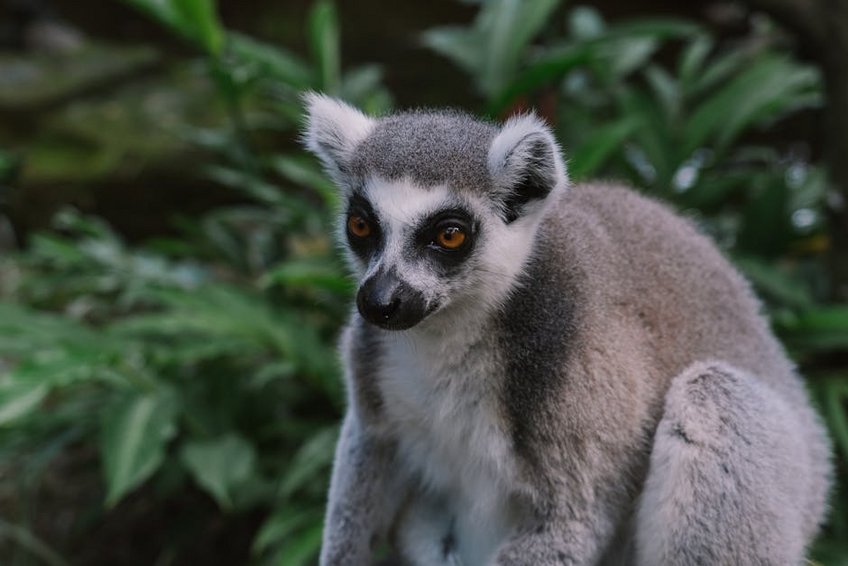
Alt: “andasibe-rainforest-madagascar-february-mist-lemur”
Madagascar February Rainforest – Planning Your Trip
Success in the rainy season hinges on embracing flexibility and preparation. Your itinerary must account for potential road closures and build in buffer days, especially if planning to travel between remote parks like Masoala in the northeast. Focus on quality time in one or two key accessible reserves rather than attempting a rushed cross-country tour. Andasibe-Mantadia National Park, just a 3-4 hour drive from Antananarivo on mostly paved roads, is often the most reliable February destination.
Budgeting requires consideration for potential changes. While flight prices may be similar to other seasons, guided park visits are essential for navigation and safety in wet conditions. Allocate funds for a knowledgeable local guide in each reserve—their expertise in finding wildlife in the rain is invaluable. Accommodation costs can vary, with some lodges offering rainy season discounts, while others in more accessible areas maintain standard rates.
Physically, the terrain will be slippery and muddy. Trails like those in Ranomafana National Park involve steep, root-covered paths that become challenging when wet. A good fitness level and sturdy knees are assets. Mentally, prepare for plans to shift based on weather; viewing this adaptability as part of the adventure is key to enjoying your Madagascar February rainforest experience fully.
Best Time to Visit Within February
The first half of February can sometimes be slightly drier than the second half, though this is not a strict rule. Aim for a trip that spans at least 7-10 days to increase your chances of having several good weather windows for exploration. Mornings are almost universally the best time for trekking, as storms tend to build in the afternoon. Plan your most critical guided hikes for early starts, often as early as 7:00 AM, to maximize time before potential afternoon rain.
If your schedule allows, late February can see a very subtle shift toward the end of the peak rains, especially in southern rainforest regions like Ranomafana. However, the difference is marginal. The primary advantage of visiting any time in February remains the vibrant green scenery and active wildlife, rather than hoping for perfectly dry conditions. Checking long-term forecasts before finalizing dates is less useful than preparing for a mix of sun and heavy rain.
Budget Planning and Costs
Your budget must prioritize weather-appropriate logistics and guided expertise.
Essential Preparation Checklist
Packing correctly is your first line of defense against the elements. Waterproof gear is non-negotiable. Invest in a high-quality rain jacket (not just a poncho) and waterproof pants. Your footwear should be sturdy, waterproof hiking boots with excellent ankle support and deep tread for mud, coupled with moisture-wicking socks. Pack multiple quick-dry clothing layers, as you will sweat in the humidity even when it’s not raining.
Beyond clothing, your kit must include waterproof bags or dry sacks for your camera, phone, and daily essentials. A headlamp is crucial for night walks and potential power outages. Bring a supply of high-quality insect repellent (DEET-based), antiseptic for leach bites, and any personal medications. Book your first night’s accommodation in Antananarivo in advance and confirm your domestic travel arrangements, but keep the middle of your itinerary somewhat adaptable.
Top Rainforest Destinations and Activities
While many of Madagascar’s famous dry western parks are less ideal in February, the eastern rainforests shine. Each major park offers a different facet of the ecosystem. Andasibe-Mantadia is the most accessible and reliable, famous for its Indri populations. Further south, Ranomafana National Park offers a more mountainous, misty rainforest experience with incredible biodiversity. For the truly adventurous, Masoala National Park combines rainforest with coastal scenery but requires careful weather assessment.
Activities naturally center on guided wildlife spotting and immersive nature walks. Night walks become particularly magical in the rainy season, as the forest comes alive with frogs, nocturnal lemurs like mouse lemurs, and exotic insects. Visiting local community reserves or reforestation projects adjacent to national parks can also provide insightful cultural context and support conservation efforts directly.
Must-See Highlights
Andasibe-Mantadia National Park is a cornerstone for any February visit. Within it, the special Indri Reserve is where you’re almost guaranteed to hear and see the iconic Indri indri. The Mantadia section of the park offers more challenging, pristine trails with chances to see diademed sifakas and black-and-white ruffed lemurs. Entrance fees are approximately $12 per day, with a mandatory guide costing an additional $15-$30 depending on group size and trek duration.
Ranomafana National Park, a UNESCO World Heritage site, is a biodiversity hotspot. The park’s network of trails winds past streams and waterfalls, which are particularly impressive in February. Key species here include the golden bamboo lemur, discovered only in the 1980s, and the critically endangered greater bamboo lemur. Hiring a specialist guide here is highly recommended to locate these elusive creatures in the dense, wet forest.
Hidden Gems and Local Favorites
Consider adding Analamazaotra Special Reserve (often grouped with Andasibe) for a slightly less crowded experience focusing on birdlife and smaller lemur species. The park’s well-maintained trails are somewhat easier to navigate in wet weather. For a deep cultural immersion, the Mitsinjo Association station near Andasibe offers guided tours by local community guides and supports reforestation; visiting contributes directly to their conservation work.
Venture to the small reserve of V.O.I.M.M.A. Community Reserve, also near Andasibe. This community-run project protects a fragment of forest home to the indri and offers night walks that feel more intimate than those in the larger national park. The guides are exceptionally passionate, and your fee supports the local village directly, making it a rewarding ethical choice for your Madagascar February rainforest exploration.
Photography in the Rainy Season
The soft, diffuse light of overcast February days eliminates harsh shadows, ideal for capturing the lush greens and details of the forest interior. Use this to your advantage for intimate portraits of leaves, orchids, and frogs. A macro lens is incredibly useful for Madagascar’s small wonders. Protect your gear with rain covers and silica gel packets in your bag to combat humidity. Early mornings after rain often provide magical mist effects rising through the canopy.
Practical Travel Information for February
Transport and accommodation require a strategic approach this month. The main Route Nationale 2 (RN2) from Antananarivo to Toamasina (passing Andasibe) is paved and generally passable, but always confirm conditions locally before departure. Other routes, like the road south to Ranomafana (RN7), are partially paved but can have muddy, difficult sections. Domestic flights on airlines like Tsaradia can connect you to regional hubs like Toamasina or Morondava, but schedules can be disrupted by weather.
Accommodation ranges from basic guesthouses in village centers to beautiful eco-lodges nestled in the forest. In February, it’s wise to choose lodges with reliable generators or solar power, as grid electricity can be unstable during storms. Many lodges offer laundry services, which are invaluable given the constant damp. Booking your first and last nights is essential, but for longer stays within a region, you can sometimes find better deals or more suitable options by asking upon arrival.
| Accommodation Type | Features & Considerations | Price Range/Night (USD) |
|---|---|---|
| Basic Guesthouse | Simple room, shared bathroom, fan, often in village center; may have sporadic hot water. | $15 – $35 |
| Mid-Range Lodge | Private bungalow, en-suite bathroom, mosquito nets, restaurant on-site, generator backup. | $80 – $150 |
| Eco-Lodge | Secluded forest setting, en-suite facilities, guided activities offered, solar power, focuses on sustainability. | $160 – $300 |
| All-Inclusive Luxury | Private guide/driver, all meals/drinks, premium location, spa services, exclusive guided walks. | $350+ |