Tanzania Zanzibar February Beaches: A Tropical Beachcomber’s Guide
Exploring the Tanzania Zanzibar February beaches offers a unique combination of idyllic weather, clear waters, and vibrant local culture during this peak dry season. Visitors enjoy near-perfect conditions with warm temperatures, minimal rainfall, and excellent underwater visibility for snorkeling and diving. This guide details everything you need to plan your ideal beach holiday, from choosing the right coastline to understanding seasonal nuances and local customs.
Essential Zanzibar Beach Information
Zanzibar is an archipelago off Tanzania’s coast, famed for its white sands and historic Stone Town. February falls within the short dry season, offering a reliable escape from humidity and rain. The island’s culture blends Swahili, Arab, Persian, and European influences, evident in its architecture, food, and daily life.
Different coasts cater to different vacation styles. The east coast features expansive, picturesque beaches like Paje and Jambiani, which are more exposed to the ocean. The north and west coasts offer calmer waters and are closer to major cultural sites and the airport. Understanding these distinctions is key to planning your stay.
What You Need to Know About Zanzibar’s Geography
The island’s shape and wind patterns create distinct coastal environments. This affects everything from swimming conditions to the resort atmosphere.
- The East Coast is famous for its long, wide beaches and turquoise lagoons, but experiences stronger tides and seaweed seasonality, making it ideal for kite-surfing and scenic walks.
- The North Coast, around Nungwi and Kendwa, has more sheltered, deep-water beaches with all-day swimming access and a vibrant nightlife scene popular with travelers.
- The West Coast and Southwest offer calm waters, beautiful sunsets over the water, and proximity to Stone Town and the Jozani Forest, perfect for combining beach and culture.
- Budget Traveler ($1,200 – $1,800): Includes economy flights, guesthouse or budget hotel stays, local transportation like dalla-dallas (minibuses), and eating at local restaurants. Activities would be self-guided beach days and exploring Stone Town.
- Mid-Range Traveler ($2,500 – $4,000): Covers direct or better-timed flights, comfortable boutique hotels or all-inclusive resorts, private taxi transfers, and a mix of organized day trips like snorkeling safaris or spice tours alongside relaxed beach time.
- Luxury Traveler ($5,000+): Encompasses business-class flights, stays at high-end luxury resorts or private villas with butler service, private boat charters, bespoke guided tours, and dining at top-rated island restaurants.
- Zanzibar Tourism
- U.S. News Travel – Zanzibar
Key Details on February Weather Patterns
February is one of the hottest and driest months in Zanzibar. Daytime temperatures consistently range from 84°F to 91°F (29°C to 33°C), with nighttime lows around 75°F (24°C). Rainfall is minimal, averaging less than 2 inches for the entire month, and humidity is lower than the preceding months.
The sea temperature is wonderfully warm, averaging 84°F (29°C). Expect long hours of bright sunshine, with an average of 8 to 9 hours per day. The weather creates ideal conditions for all beach and ocean activities, though staying hydrated and using strong sunscreen is non-negotiable.
Understanding the Coastal Environment
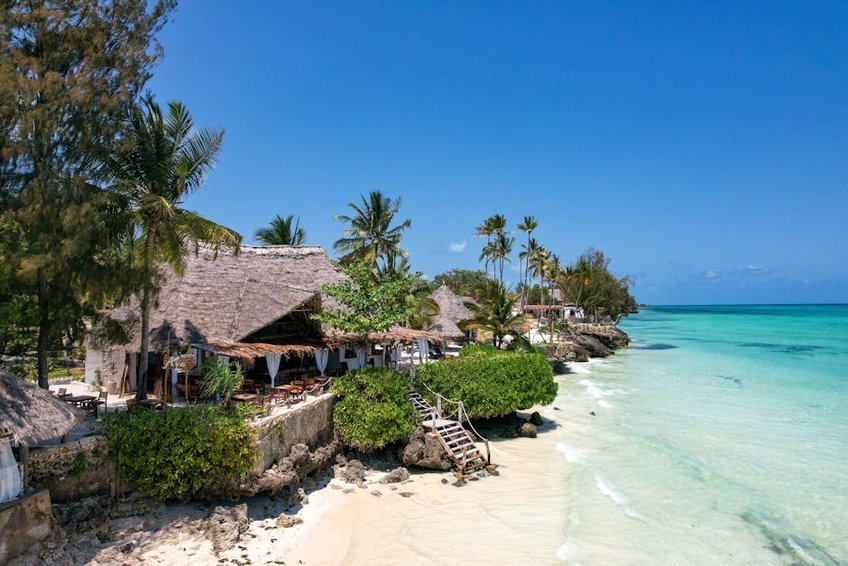
Zanzibar’s beaches are primarily composed of fine, white coral sand. The tidal range can be significant, especially on the east coast, revealing vast sandbars and tidal pools at low tide. The reef systems surrounding the islands protect many areas, creating calm lagoons perfect for swimming.
Marine life is abundant, with sea turtles, tropical fish, and dolphins commonly spotted. The ocean clarity is exceptional this month, often exceeding 30 meters (100 feet) of visibility. This makes February a premier time for underwater exploration.

Alt: “zanzibar-east-coast-beach-turquoise-water-palm-trees”
Tanzania Zanzibar February Beaches – Planning Your Trip
Planning a beach vacation to Zanzibar in February requires booking flights and accommodations several months in advance, as this is a popular travel period. Focus your accommodation search based on your preferred coastal atmosphere, as travel between coasts can take over an hour by car. Your budget should account for both international flights to Dar es Salaam or Zanzibar (ZNZ) and the subsequent local transfer.
A 7 to 10-day itinerary allows time to experience different beaches and explore Stone Town. Consider splitting your stay between two coastal regions to maximize the variety of your tropical experience. Always verify visa requirements, as most travelers need a Tanzanian visa, which can often be obtained on arrival for many nationalities.
Travel insurance that covers medical evacuation is highly recommended. Also, ensure your routine vaccinations are up-to-date and consult a travel clinic about recommendations for Tanzania, such as antimalarial prophylaxis, which is advised for Zanzibar.
Best Time to Visit Zanzibar’s Shores
The absolute best time for beach conditions is during the dry seasons, from June to October and December to February. February sits in the latter period, offering superb sunshine with slightly lower humidity than January. The ocean is calm and warm, and rainfall is very rare, guaranteeing excellent beach days.
The shoulder months of November and March can offer good value but come with a higher chance of short, intense rain showers. The long rainy season from April to May sees heavy rainfall and higher humidity, which can disrupt beach plans and reduce ocean visibility for diving.
Budget Planning and Costs
A beach holiday in Zanzibar can fit various budgets, but flights and mid-range to luxury stays are the primary costs. Here’s a typical breakdown for a one-week trip per person.
Essential Preparation Checklist
Pack lightweight, breathable cotton or linen clothing, a wide-brimmed hat, high-SPF waterproof sunscreen, and polarized sunglasses. Bring multiple swimsuits, a cover-up for walking through villages, and sturdy sandals for beach walks and reef shoes if you plan on exploring rocky areas.
Essential documentation includes a passport valid for six months beyond your stay, a yellow fever vaccination certificate (if traveling from a country with risk), and copies of your travel insurance. Book all accommodations and internal flights or ferries at least 3-4 months ahead for February travel. Carry a basic first-aid kit and any personal medications, as specific brands may not be available locally.
Top Coastal Attractions and Activities
Zanzibar’s coastline offers far more than passive sunbathing. The clear February waters are perfect for a vast array of water sports and marine exploration. From the vibrant coral gardens of the Mnemba Atoll to the historic ruins on the beaches of the east, each area presents unique opportunities.
Beyond the water, the beaches themselves are destinations. Some are lined with lively beach bars and restaurants, while others offer miles of secluded sand where your only company might be a local fisherman. Integrating these experiences creates a rich coastal holiday.
Must-See Beach Highlights
Nungwi Beach in the north is famous for its dramatic sunsets, thriving dhow-building yards, and all-tide swimming. Kendwa Beach, just south, offers similarly beautiful conditions with a slightly more relaxed vibe and famous full moon parties. Both feature a wide range of accommodation and dining.
On the east coast, Paje Beach is the undisputed kite-surfing capital, with consistent winds and several professional schools. Jambiani Beach offers a long, picturesque stretch of sand with a more authentic village atmosphere, where you can see seaweed farming and traditional life. Visiting the Rock Restaurant, perched on a rock in the ocean near Michamvi, is a unique dining experience.
Hidden Gems and Local Favorites
For a quieter experience, head to the southeastern beaches like Bwejuu or Michamvi Kae. These areas have fewer large resorts and a more serene, barefoot luxury feel. The beaches are pristine, and the pace of life is slower, ideal for a digital detox.
On the west coast, the beaches around Fumba Peninsula are gaining attention for their secluded coves and excellent kayaking through the mangroves of the Menai Bay Conservation Area. This is also a fantastic area for dolphin spotting tours that are less crowded than those in the north.
Water Sports and Ocean Adventures
February’s calm seas make it ideal for diving and snorkeling. The Mnemba Atoll Marine Conservation Area is a top spot, teeming with angelfish, parrotfish, and sometimes turtles. Scuba diving operators in Nungwi and Paje offer trips to various reefs, with visibility at its annual best.
Kite-surfing and windsurfing are phenomenal on the east coast, with Paje and Jambiani providing perfect conditions. Stand-up paddleboarding through the mangroves or over shallow sandbars at low tide is a peaceful alternative. Traditional dhow sailing trips, often combined with snorkeling and a seafood BBQ on a sandbank, are a quintessential Zanzibar experience.
Practical Travel Information
Getting to Zanzibar typically involves flying into Abeid Amani Karume International Airport (ZNZ), with direct flights from some European and Middle Eastern hubs, or connecting via Dar es Salaam (DAR). From Dar, you can take a short 20-minute flight or a 1.5 to 2-hour ferry to Stone Town. Once on the island, transportation options vary.
Accommodation spans from basic guesthouses in Stone Town to sprawling all-inclusive resorts and ultra-luxurious private villas. Your choice of coast will heavily influence your selection. Booking platforms like Booking.com and Airbnb list many options, but booking directly with a reputable boutique hotel can sometimes offer better service and flexibility.
| Accommodation Type | Best For & Features | Price Range/Night (USD) |
|---|---|---|
| Budget Guesthouse | Backpackers, solo travelers; basic room, often shared bathroom, central Stone Town location. | $25 – $60 |
| Boutique Hotel | Couples, culture lovers; stylish design, personalized service, often in Stone Town or beachfront. | $100 – $250 |
| All-Inclusive Resort | Families, convenience-seekers; meals, drinks, and some activities included, pools, kids’ clubs. | $250 – $600 |
| Luxury Private Villa | Groups, special occasions; full privacy, private pool, chef, butler service, direct beach access. | $800+ |