Peru Lima February Gastronomy: Savoring Summer Flavors in the Capital
Lima transforms into a vibrant culinary playground each February, combining perfect summer weather with peak seasonal ingredients. Your Peru Lima February Gastronomy adventure offers fresh seafood, tropical fruits, and festive food events unique to this month. This guide details where to eat, how to plan, and what makes February special for food lovers visiting Peru’s capital.
Essential Information About Lima’s Culinary Scene
Lima stands as South America’s gastronomic capital, a title earned through centuries of cultural fusion. Indigenous, Spanish, African, Chinese, and Japanese influences create a complex and celebrated cuisine. The city’s food identity revolves around fresh coastal seafood, Andean potatoes, and Amazonian fruits.
February marks the height of summer in the Southern Hemisphere, bringing warmer days and humid evenings. This climate influences both ingredient availability and dining habits across the city. Many Limeños seek ceviche and cold dishes to counter the seasonal heat.
Lima’s Culinary History and Influence
Peruvian cuisine’s evolution spans over 500 years, starting with pre-Columbian cultures like the Inca. Spanish colonization introduced ingredients such as onions, garlic, and citrus. Later waves brought African, Chinese, and Japanese techniques, forming Creole, Chifa, and Nikkei cooking styles.
- Creole cuisine blends Spanish and indigenous elements, seen in stews like Ají de Gallina. This dish uses yellow chili paste, walnuts, and shredded chicken, typically served with rice and boiled potatoes. It represents comfort food found in local fondas and family homes.
- Chifa refers to Peruvian-Chinese fusion, a result of 19th-century immigrant labor. Popular dishes include Lomo Saltado, a stir-fry of beef, tomatoes, onions, and fries served with rice. Arroz Chaufa, or Peruvian fried rice, also falls under this delicious category.
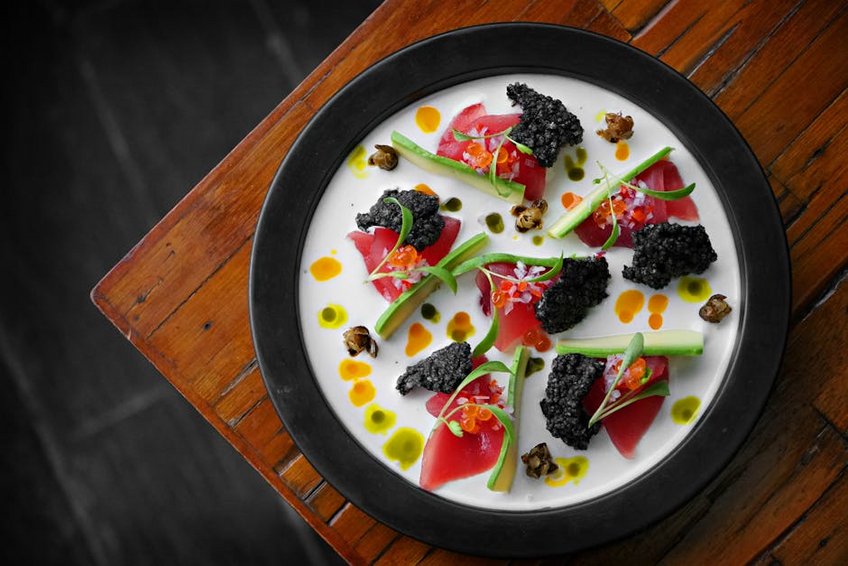
- Nikkei cuisine combines Japanese precision with Peruvian ingredients, highlighted in tiraditos. These are thinly sliced fish dishes dressed in citrus-based sauces, similar to sashimi but with Peruvian peppers. Top restaurants like Maido showcase this refined fusion.
- Budget travelers spend $30-50 daily on food, focusing on markets and menú del día lunches. Street food like anticuchos (grilled skewers) costs $2-3, while local chifas offer meals for $5-7. Affordable cooking classes run $25-35 per person for group sessions.
- Mid-range visitors budget $70-100 daily, covering nicer restaurants and food tours. A ceviche lunch at a good establishment costs $15-20, and guided market tours are $40-50. Mixologist-led pisco sour classes average $45-60 including samples.
- Luxury gastronomy tours range $150-300 daily, featuring exclusive tastings and chef interactions. Tasting menus at Central or Maido cost $180-250 per person with drink pairings. Private guides for personalized food itineraries charge $200-400 per day.
- Peru Travel Official Tourism Site
- Lonely Planet Lima Travel Guide
- Eater Lima Restaurant Maps and Guides
Why February is Unique for Food
February offers distinct advantages for culinary travelers compared to other months. The summer harvest means mangoes, cherimoyas, and lucuma fruits reach their sweetest peak. Coastal waters provide abundant seafood, making ceviche and tiraditos exceptionally fresh.
This month also hosts cultural celebrations that feature special foods. Carnaval occurs in February or early March, with street parties and traditional treats. Many restaurants create limited-time menus showcasing summer ingredients before the season ends.
Key Ingredients and Dishes to Know
Aji peppers form the backbone of Peruvian flavor, ranging from mild aji amarillo to fiery aji limo. Corn appears in countless varieties, including giant-kernel choclo and purple maize for drinks. Potatoes, with over 3,000 native types, accompany nearly every meal.
Ceviche remains the national dish, featuring raw fish cured in lime juice and aji. Lomo Saltado is a beloved stir-fry combining beef, vegetables, and fries. Causa rellena layers mashed yellow potato with fillings like chicken or tuna.
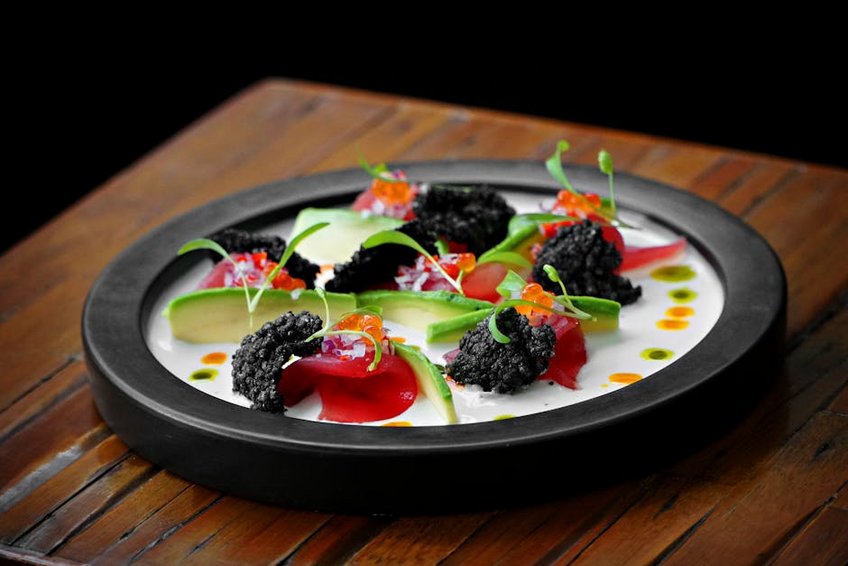
Alt: “lima-peru-food-market-february-fresh-produce-seafood”
Planning Your Peru Lima February Gastronomy Trip
Organizing a food-focused journey to Lima requires attention to seasonal specifics and advance bookings. Your Peru Lima February Gastronomy itinerary should balance famous restaurants with market visits and cooking classes. Consider the warm, humid weather when packing and scheduling daily activities.
February falls within Lima’s high tourist season due to summer holidays and festivals. Secure reservations for top dining spots at least two weeks before your visit. Budget extra for food tours and festival events that showcase seasonal specialties.
Best Time to Visit Lima for Food Lovers
Visit Lima between January and March for the freshest summer produce and seafood. Daytime temperatures average 75-80°F (24-28°C) with high humidity near 85%. Evenings cool slightly to 66-70°F (19-21°C), perfect for outdoor dining.
Late February often sees fewer crowds than early month, as local summer vacations wind down. However, Carnaval dates vary, so check if it falls during your trip for festive experiences. Shoulder seasons like April offer milder weather but different ingredient availability.
Budget Planning and Costs for Culinary Tours
Lima caters to all budgets, from street food stalls to world-class tasting menus. Allocate funds for guided experiences that provide context and access to kitchens.
Essential Preparation Checklist for Food Travel
Pack light, breathable clothing for Lima’s humid February climate, plus a jacket for cooler evenings. Comfortable walking shoes are mandatory for exploring districts like Miraflores and Barranco. Bring sunscreen and a reusable water bottle to stay hydrated during food tours.
Book popular restaurant reservations 10-14 days in advance, especially for weekend dinners. Research food festivals happening in February, such as Mistura if scheduled. Ensure your travel insurance covers any culinary activities or potential food-related issues.
Top Culinary Attractions and Activities
Lima’s food scene extends beyond restaurants into vibrant markets, cooking schools, and producer visits. Dedicate days to exploring different neighborhoods, each with its own culinary personality. Combine structured tours with independent exploration for a balanced experience.
Miraflores offers upscale dining and ocean views, while Barranco blends bohemian vibes with trendy eateries. The historic center reveals traditional fondas and classic chifas in unassuming settings. Venturing to local markets provides insight into daily ingredients and culture.
Must-Visit Restaurants and Markets
Central, ranked among the world’s best, takes diners through Peru’s ecosystems via its tasting menu. Maido excels in Nikkei cuisine, offering a sublime fusion of Japanese and Peruvian techniques. Isolina serves hearty Creole stews and large portions in a nostalgic Barranco setting.
Mercado de Surquillo is a bustling market where chefs source ingredients early each morning. Here, you’ll find exotic fruits, fresh fish, and aji peppers in countless varieties. Mercado N°1 in Miraflores provides a more tourist-friendly but authentic market experience.
Cooking Classes and Food Tours
Lima boasts numerous cooking schools that teach participants to prepare classic dishes. Many classes include a market visit to select ingredients before the cooking session. This hands-on approach deepens understanding of Peruvian flavors and techniques.
Food tours in districts like Barranco or the historic center sample street food and local favorites. Specialized tours focus on pisco, chocolate, or coffee, highlighting specific artisanal products. Guided experiences help navigate language barriers and uncover hidden spots.
Hidden Gem Eateries and Local Spots
El Cordano, a historic bar near Government Palace, serves traditional sandwiches and breakfasts. This spot has catered to politicians and locals since 1905, offering a slice of old Lima. Their turkey sandwich and café pasado are simple yet iconic.
La Picantería in Surquillo celebrates northern Peruvian seafood dishes in a casual, festive environment. Their extensive ceviche list and hearty soups draw knowledgeable locals. Siempre Sacsayhuamán in Miraflores offers updated takes on Andean cuisine in a cozy space.
Practical Travel Information for Lima
Navigating Lima requires understanding its expansive layout and transportation options. The city spreads across numerous districts, each connected by major highways and avenues. Most culinary hotspots cluster in coastal areas like Miraflores, Barranco, and San Isidro.
Accommodation choices range from luxury hotels with ocean views to boutique stays in artistic neighborhoods. Booking platforms like Booking.com and Airbnb list many options, but direct hotel websites sometimes offer better rates. Consider location proximity to restaurants and safety when selecting where to stay.
| Category | Options/Features | Price Range (USD) |
|---|---|---|
| Budget Accommodation | Hostels with shared kitchens, basic private rooms in central locations, free breakfast | $20-50 per night |
| Mid-Range Hotels | Boutique hotels in Miraflores/Barranco, airport transfers, concierge service | $80-150 per night |
| Luxury Stays | Five-star properties with pools, spa, multiple restaurants, panoramic ocean views | $200-400+ per night |
| Food Tour Experiences | Group walking tours, market visits, 6-8 tastings, bilingual guide | $60-120 per person |