Cartagena February Weather: Your Guide to the Perfect Sunny Escape
Planning a trip to Cartagena in February means stepping into the heart of the Caribbean dry season, where reliably warm and sunny conditions define your entire visit. You will experience long, bright days with minimal rain, creating an ideal climate for exploring the colorful streets of the Old Town and relaxing on nearby island beaches. This guide provides all the essential details on temperatures, humidity, what to pack, and the best activities for taking full advantage of Cartagena’s prime weather window.
Essential Climate Information for Cartagena
Cartagena enjoys a tropical savanna climate, characterized by distinct wet and dry seasons that shape the travel experience. February sits firmly within the dry season, which typically runs from December through early April. This period is marked by consistent northeast trade winds that help moderate the tropical heat.
The city’s coastal location on Colombia’s northern Caribbean shore significantly influences its weather patterns. You can expect abundant sunshine, with the sun rising around 6:15 AM and setting near 6:10 PM. Sea breezes from the Caribbean provide a pleasant natural cooling effect, especially in the late afternoons.
Understanding Cartagena’s Seasonal Weather Patterns
To plan effectively, knowing the broader seasonal context is helpful.
- Dry Season (Dec-Apr): Characterized by low rainfall, high sunshine, and steady trade winds. This is the peak tourist period for sun-seekers and beach lovers.
- Wet Season (May-Nov): Features higher humidity, frequent afternoon thunderstorms, and lush green landscapes. This season offers fewer crowds and lower prices.
- Shoulder Months (Nov & Apr): These transition months can offer a mix of dry and wet days, often with good value for travelers flexible on weather.
- Budget Travel: ($80-120/day) Dorm hostels in Getsemaní, street food and menu del día lunches, free walking tours, and public buses to beaches. Book hostels 4+ months early.
- Mid-Range Travel: ($150-250/day) Boutique hotels in the Old Town or modern hotels in Bocagrande, nice restaurant dinners, private tours to the Rosario Islands, and taxi travel within the city.
- Luxury Travel: ($350+/day) Five-star hotels or luxury private villas, fine dining, private boat charters, spa treatments, and a personal guide for curated historical tours.
- Colombian Institute of Hydrology, Meteorology and Environmental Studies (IDEAM)
- Official Cartagena Tourism Corporation
Key Weather Metrics for February
February weather in Cartagena is remarkably consistent and pleasant. Daily high temperatures typically reach 88-90°F (31-32°C), while nighttime lows comfortably dip to around 76-78°F (24-26°C). The humidity level, while present, feels more manageable than in the wet season, averaging between 75-80%.
Rainfall is exceptionally scarce, with an average of less than 0.2 inches (5 mm) for the entire month. You might see one or two brief, light showers, but they rarely disrupt plans. The Caribbean Sea temperature is wonderfully warm, averaging 80°F (27°C), perfect for swimming and water activities.
Microclimates and City Zones
Weather can feel slightly different depending on your location within the city. The walled Old Town (Centro) and Getsemaní, with their stone streets and close buildings, can feel warmer and less breezy. The Bocagrande area, with its long beachfront and high-rise hotels, often receives more consistent ocean winds.
The nearby Rosario Islands offer an even more pristine beach environment. Their more exposed position means constant sea breezes and slightly cooler nighttime temperatures compared to the mainland city. Plan accordingly if you are taking a day trip or staying overnight on an island.

Alt: “cartagena-february-sunny-beach-caribbean-coastline”
Cartagena February Weather – Planning Your Trip
Your visit during this peak dry season requires some specific planning considerations. The excellent Cartagena February weather attracts the highest number of visitors, particularly around major holidays and festivals. You should book flights and accommodations at least three to four months in advance to secure the best options and rates.
While the climate is ideal, the combination of strong sun and high UV indices demands a proactive approach to sun protection. Pack and use broad-spectrum sunscreen (SPF 50+), a wide-brimmed hat, UV-protection sunglasses, and lightweight, long-sleeved cover-ups. Staying hydrated is non-negotiable; always carry a reusable water bottle.
Embrace the local schedule to beat the heat. Plan your most strenuous outdoor activities, like climbing the Castillo San Felipe de Barajas, for the cooler morning hours before 11 AM. Reserve the midday period for lunch in a shaded plaza, museum visits, or a siesta. The late afternoon and evening are perfect for strolls and outdoor dining as temperatures become more comfortable.
Best Time to Visit for Specific Activities
The first two weeks of February are generally slightly less crowded than the latter half, which includes Carnival and Presidents’ Day weekend for U.S. travelers. For pure beach relaxation, any time in February is superb, but aim for weekdays to avoid the biggest weekend crowds at popular spots like Playa Blanca.
For cultural exploration and photography in the Old Town, early mornings (7-9 AM) offer the softest light and fewest people. If you are visiting for the renowned Hay Festival of literature and arts, typically held in late January into early February, you will need to book over six months ahead for the best festival passes and lodging.
Budget Planning and Costs
February is peak season, so expect premium prices across the board.
Essential Preparation Checklist
Your packing list should focus on heat management and sun protection. Essentials include lightweight, breathable clothing (linen, cotton), a swimsuit, sandals, and comfortable walking shoes. A compact umbrella or very light rain jacket is wise, though rarely needed. A power adapter (Colombia uses Type A/B plugs, 110V) and a portable power bank are useful.
Ensure your passport has at least six months of validity. U.S., Canadian, and EU citizens do not need a visa for tourist stays under 90 days. Purchase comprehensive travel insurance that covers medical emergencies and trip interruptions. No special vaccinations are required, but standard travel vaccines (Hepatitis A, Typhoid) are recommended.
Top Activities and Experiences in February
The guaranteed good weather opens up the full range of Cartagena’s iconic experiences. You can confidently plan full-day boat trips to the Rosario Islands or the Volcán de Lodo El Totumo mud volcano without worrying about cancellations due to storms. Evening plans are equally reliable, allowing for rooftop bar visits and outdoor dining in the city’s romantic plazas.
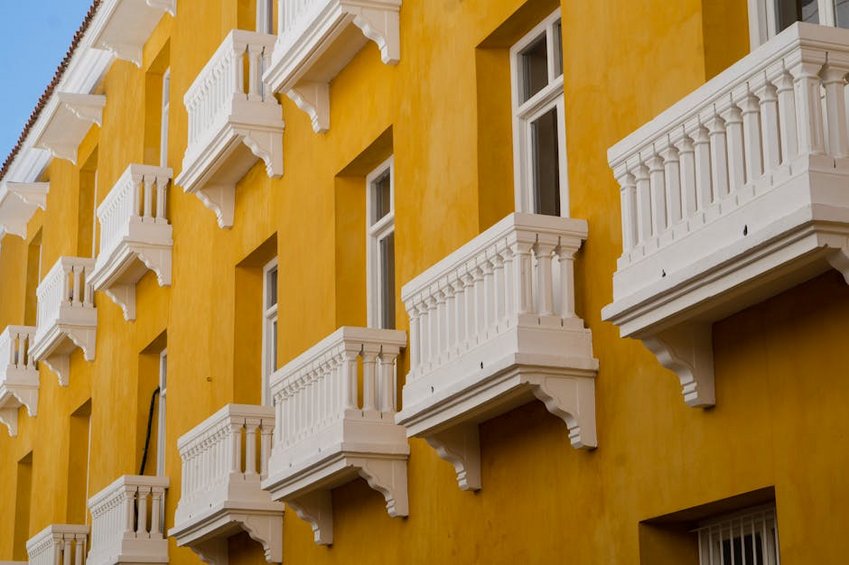
This is the best time for photography enthusiasts to capture the city’s vibrant colors under clear blue skies. The strong daylight illuminates the colonial architecture beautifully, and golden hour before sunset is exceptionally reliable. Historical walking tours are more enjoyable without the threat of sudden downpours.
Must-See Highlights
Explore the Castillo San Felipe de Barajas early in the day to avoid the peak heat. This 17th-century fortress offers panoramic views of the city and bay. Entrance costs about $15 USD. Wander the cobbled streets of the walled Old Town (Centro Histórico), a UNESCO site, and visit the Palacio de la Inquisición and the Gold Museum.
A boat tour to the Islas del Rosario is a February essential. The calm seas make for a smooth 1-1.5 hour journey to pristine white-sand beaches and coral reefs. Full-day tours with lunch start around $60-80 USD per person. Don’t miss a sunset walk along the historic city walls (Las Murallas) for unforgettable views.
Hidden Gems and Local Favorites
Venture into the Getsemaní neighborhood, now the city’s hip artistic hub. Its streets are covered in spectacular murals, and it boasts lively, authentic bars and eateries like Cafe del Mural. For a local beach experience away from the vendors, take a taxi to La Boquilla, a fishing village north of the city, and hire a canoe through the mangrove tunnels.
Visit the Mercado Bazurto, a sprawling, chaotic local market. Go with a guide for the best experience to sample exotic fruits and see local life in action. For a quieter historical site, visit the Convento de la Popa on the city’s highest hill in the late afternoon for stunning panoramic views in cooler temperatures.
Nightlife and Evening Culture
February evenings are perfect for experiencing Cartagena’s vibrant nightlife. The warm, rain-free nights allow for open-air dining in plazas like Santo Domingo or Plaza de la Aduana. Enjoy live salsa music at cafes in Getsemaní or a cocktail at a sophisticated rooftop bar like Townhouse Rooftop or Movich Hotel’s rooftop.
For a cultural performance, look for shows at the Teatro Adolfo Mejía. You can also take a casual evening stroll (called a “paseo”) along the bay in the Muelle de los Pegasos area, where locals gather to socialize, enjoy street food, and feel the cool bay breeze.
Practical Travel Information and Logistics
Navigating Cartagena in February is straightforward, but the high season demands savvy logistics. Rafael Núñez International Airport (CTG) is the main gateway, with direct flights from Miami, Fort Lauderdale, New York, and major Latin American hubs. Upon arrival, use the official taxi stand inside the airport for a fixed fare to your hotel (approx. $15-25 USD to the city center).
Accommodation fills quickly. The walled city offers charming boutique hotels, Bocagrande features large beachfront resorts, and Getsemaní is popular for trendy hostels and smaller hotels. Book your lodging as early as possible, especially if your visit coincides with a festival or holiday weekend.
| Accommodation Type | Best For & Features | Feb. Price Range (USD/night) |
|---|---|---|
| Luxury Historic Hotel | Atmosphere, central Old Town location, courtyard pools, fine dining | $300 – $600+ |
| Boutique Hotel | Charm, personalized service, unique design, rooftop terraces | $150 – $350 |
| Bocagrande Resort | Families, beach access, multiple pools, all-inclusive options | $200 – $450 |
| Getsemaní Hostel/Hotel | Budget travelers, social atmosphere, artistic neighborhood, great food | $50 – $150 |