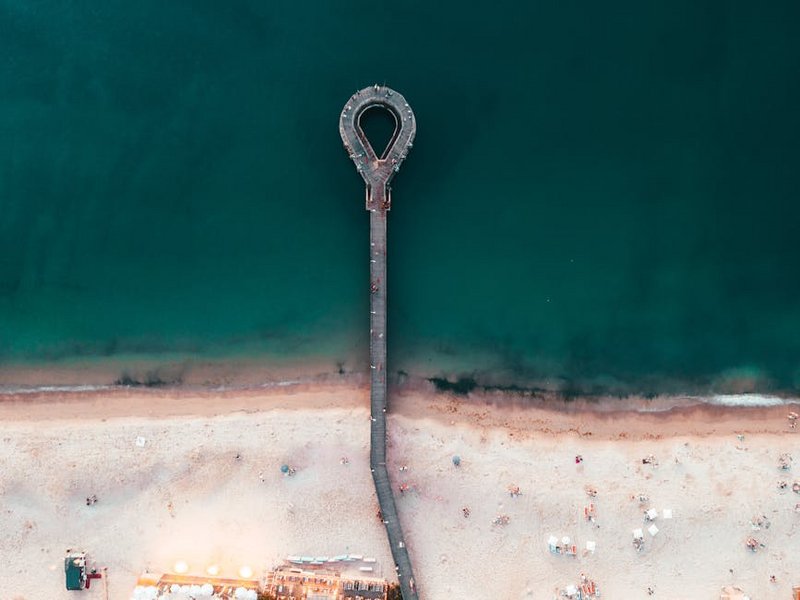
Uruguay Punta del Este February: Your Ultimate Summer Escape Guide
Planning a trip to Uruguay’s premier coastal resort in its peak summer month unlocks a vibrant blend of glamorous beaches, sophisticated nightlife, and relaxed South American charm. A February visit to Punta del Este offers sun-drenched days with average highs of 80°F (27°C), perfect for enjoying iconic shorelines like Playa Brava and the buzzing energy of the port area. This guide covers everything from navigating the summer crowds and securing the best beachfront stays to experiencing the local culture that makes this destination uniquely appealing.
Essential Information About Punta del Este
Punta del Este is a world-renowned peninsula resort located in southeastern Uruguay, approximately 87 miles (140 km) east of the capital, Montevideo. Founded as a small fishing village in the early 20th century, its transformation into an international jet-set destination began in the mid-1900s, drawing celebrities and affluent travelers from Buenos Aires and beyond. Today, it’s a sophisticated hub known for its luxury real estate, high-end boutiques, and vibrant cultural scene that extends beyond the coastline.
The city’s geography creates distinct beach personalities: the turbulent Atlantic waves of Playa Brava to the east and the calmer, river-fed waters of Playa Mansa to the west. February sits at the tail end of the high season, which officially runs from December through early March. This timing means you’ll experience the full festive atmosphere, though with slightly better booking availability than the hectic December and January peak.
Uruguay is one of South America’s most stable and safe countries, making it an excellent choice for travelers. The local currency is the Uruguayan Peso (UYU), but US dollars are widely accepted in tourist areas. Spanish is the official language, with basic English spoken in hotels, restaurants, and major shops catering to the international summer crowd.
What You Need to Know Before You Go
Preparation is key for a seamless summer holiday in this bustling resort town. Understanding a few local nuances will significantly enhance your experience.
- Uruguay offers visa-free entry for up to 90 days for US, Canadian, UK, and EU passport holders, requiring only a valid passport with at least six months’ validity from your entry date.
- While credit cards are accepted almost everywhere, carrying some Uruguayan pesos or US dollars in small denominations is wise for smaller vendors, beachside cafes, and taxi fares.
- The summer sun is intense; pack and consistently use high-SPF sunscreen (50+), a wide-brimmed hat, and quality sunglasses, as the UV index regularly reaches extreme levels in February.
- Budget Traveler ($80-120 USD/day): Stay in a hostel or budget hotel in Maldonado city, use public buses, enjoy picnics with groceries from the Tienda Inglesa supermarket, and spend days at public beaches like Playa El Emir.
- Mid-Range Traveler ($200-350 USD/day): Book a comfortable hotel or apartment in central Punta del Este, dine at parrilladas (grill houses) for lunch and nicer restaurants for dinner, use taxis occasionally, and visit a beach club for one or two days.
- Luxury Traveler ($500+ USD/day): Stay at a five-star beachfront hotel like the Enjoy or Conrad, reserve cabañas at exclusive beach clubs like Ocean, dine at top restaurants like La Bourgogne, and hire a driver for personalized peninsula tours.
- Uruguay Ministry of Tourism
- Lonely Planet – Punta del Este Guide
- Meteoblue – Punta del Este Climate Data
Climate and Weather Patterns in February
February delivers classic, reliable summer weather in Punta del Este. Average daytime temperatures range comfortably from 68°F to 80°F (20°C to 27°C), with nighttime lows dipping to a pleasant 61°F (16°C). Rainfall is minimal, with an average of just 3.5 inches (89 mm) spread over maybe 6-7 days in the month, usually in brief, passing showers.
The Atlantic Ocean significantly influences the local climate, often bringing refreshing breezes that make the heat feel more comfortable. Water temperatures are ideal for swimming, averaging around 72°F (22°C). However, be mindful that Playa Brava often has strong waves and currents, making it better suited for surfing and sunbathing than casual swimming, especially for families.
Local Culture and Social Scene
The social atmosphere in February is electric, blending international glamour with traditional Uruguayan “tranquilidad” (tranquility). You’ll find a mix of affluent Argentines, Brazilians, Europeans, and North Americans enjoying the season. Evening dinners start late, typically after 9:00 PM, and nightlife in neighborhoods like La Barra and the Port heats up well after midnight.
Uruguayans are famously laid-back and polite. A friendly “hola” (hello) and “gracias” (thank you) go a long way. The culture emphasizes enjoying life’s simple pleasures—sharing a mate (herbal tea) on the beach, gathering with friends for an asado (barbecue), and spending long, leisurely afternoons by the water.
Alt: “punta-del-este-brava-beach-summer-crowds-february”
Uruguay Punta del Este February – Planning Your Trip
Organizing a February getaway to this premier beach resort requires strategic planning to balance cost, crowds, and desired experiences. While this is the most popular and expensive month, early booking and smart choices can secure a fantastic vacation. Your itinerary should account for both premium beach club days and exploration of the peninsula’s quieter, artistic corners.
Accommodation rates peak in February, with prices for quality hotels often 40-50% higher than in the shoulder seasons of November or March. Booking flights and hotels at least three to four months in advance is strongly recommended to secure the best options and rates. Consider your priority: being steps from the sand in Playa Brava or enjoying the chic, bohemian vibe of nearby La Barra.
Allocate a daily budget that reflects the high-season premium. While the glamorous reputation is real, a fantastic trip is still possible across different budget levels by mixing splurges with savvy local finds. Planning your perfect Uruguay Punta del Este February adventure hinges on locking in key reservations early while leaving room for spontaneous discoveries.
Best Time to Visit Within February
The entire month offers fantastic weather, but timing your stay can impact crowds and costs. The first two weeks of February are typically the busiest, coinciding with the tail end of school holidays in Argentina and Uruguay. If you prefer a slightly more relaxed atmosphere with marginally better pricing, aim for the last two weeks of the month.
Temperatures remain consistently warm throughout February, with very little variation. Key events like artisan fairs or live music at the Conrad Hotel’s casino are scheduled weekly. For the quintessential summer festival experience, check if your dates overlap with “Carnaval,” which, while more subdued than in Brazil, features lively street performances and “murgas” (musical theater groups) in late February.
Budget Planning and Costs
Daily expenses in Punta del Este during February vary widely based on your travel style. Here’s a realistic breakdown for planning purposes.
Essential Preparation Checklist
Packing for this destination requires a blend of beachwear and smart-casual evening attire. Essential items include multiple swimsuits, comfortable sandals, a light sweater or jacket for cooler evenings, and at least one nice outfit for upscale dinners or casino visits. Don’t forget a universal power adapter (Type I for Uruguay) and a portable power bank for long beach days.
Ensure your travel insurance covers medical emergencies and potential trip interruptions. While not mandatory, having an International Driving Permit is useful if you plan to rent a car to explore the surrounding area, like José Ignacio or Garzón. Download offline maps on your phone and consider a local SIM card from providers like Antel or Movistar for better connectivity.
Top Attractions and February Activities
The peninsula comes alive in the summer heat with activities catering to every interest, from art and architecture to adrenaline and relaxation. Beyond the famous beaches, the region’s charm lies in its unique landmarks and vibrant local scene. Allocate time to explore both the iconic sights and the hidden pockets favored by residents.
Art enthusiasts will find a thriving scene, with numerous galleries and the famous Casapueblo museum-house of artist Carlos Páez Vilaró. For families, attractions like the Algoroba Market with its artisan stalls or a boat tour to see sea lions on Isla de Lobos provide excellent entertainment. The active nightlife, centered around the port and La Barra, offers everything from sophisticated cocktail bars to open-air electronic music venues.
Must-See Highlights
No visit is complete without seeing “La Mano” (The Hand), the iconic sculpture of five fingers emerging from the sand at Playa Brava. It’s best visited in the early morning for photos without the crowds. Another essential is a stroll through the exclusive Beverly Hills-like neighborhood of La Barra, crossing its unique undulating bridge and browsing its chic boutiques.
Visit the Punta del Este Lighthouse (Faro de Punta del Este) for panoramic views of the peninsula and a slice of maritime history dating back to 1860. The nearby port area, Puerto de Punta del Este, is perfect for an evening walk, watching the luxury yachts, and selecting a restaurant for fresh seafood. Entrance to the lighthouse costs about $2 USD.
Hidden Gems and Local Favorites
Escape the main beach crowds by heading to Playa El Emir or Playa Bikini, which offer calmer waters and a more local, family-oriented atmosphere. For a unique experience, visit the Museo del Mar, a quirky private collection of over 5,000 seashells and marine fossils housed in a castle-like building.
Take a short drive to the charming, rustic-chic village of José Ignacio, about 25 minutes away. While it has its own glamorous reputation, its pristine beaches, iconic lighthouse, and laid-back luxury vibe provide a delightful contrast to Punta’s bustle. The sunset from its main beach is spectacular.
Beach Clubs and Water Sports
Experiencing a “beach club” is a quintessential part of the Punta del Este summer social ritual. Clubs like Ocean, Vik, and Bahía Ramona offer day passes (ranging from $30 to $100 USD) for access to premium facilities, comfortable sun loungers, pools, restaurants, and lively DJ sets. Booking cabañas or chairs in advance is mandatory in February.
For the active traveler, the Atlantic winds make the area a paradise for water sports. You can book surfing lessons at Playa Brava, kite surfing in La Barra, or sailing excursions from the port. Deep-sea fishing is also world-class, with charter boats targeting marlin and tuna.
Practical Travel Information
Navigating logistics during the busy season requires understanding your transportation and accommodation options. The city is well-equipped for tourists, but services are in high demand. Having a plan for getting around will maximize your time enjoying the sun and sea instead of waiting in lines.
Accommodation ranges from international luxury chains and designer boutique hotels to vacation apartment rentals and hostels. The location you choose will define your experience—staying in the center puts you close to shopping and nightlife, while a spot in La Barra offers a more bohemian, artistic setting. Booking platforms like Booking.com and Airbnb are widely used, but direct booking with hotels can sometimes yield better perks.
| Accommodation Type | Best For & Key Features | Avg. Feb Price/Night (USD) |
|---|---|---|
| Luxury Beachfront Hotel | Full service, pools, spas, direct beach access, concierge. | $400 – $800+ |
| Boutique Hotel/Apart-Hotel | Style, kitchenettes, central locations, personalized service. | $200 – $400 |
| Vacation Apartment Rental | Families/groups, self-catering, more space, residential areas. | $150 – $350 |
| Hostel / Budget Hotel | Solo travelers, budget-conscious, social atmosphere, basic amenities. | $50 – $120 |