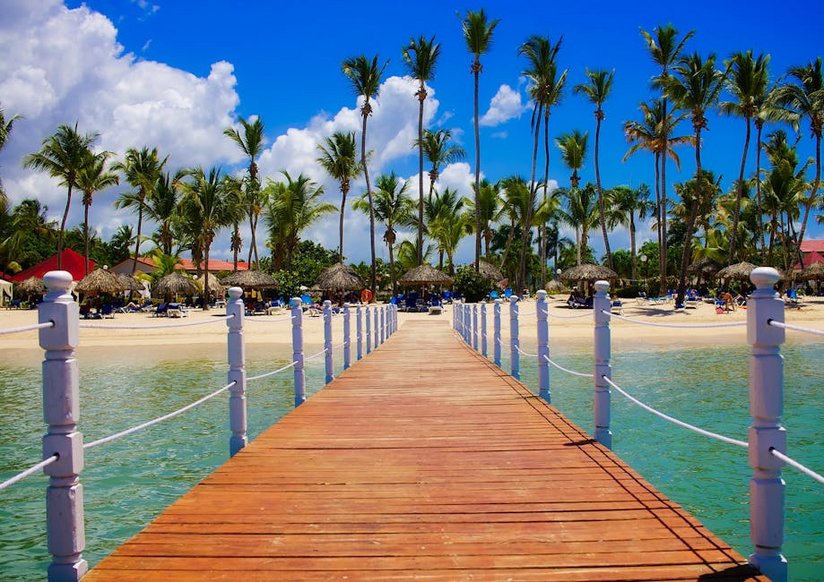
Dominican Republic Punta Cana February: A Sunny Winter Escape
February stands as the absolute peak of perfection for a Caribbean winter escape to the Dominican Republic’s famed Punta Cana. This month delivers reliably glorious weather with near-zero rainfall, creating a flawless environment for lounging on the region’s iconic coconut palm-fringed, white-sand beaches and exploring vibrant coral reefs. This guide details everything from the best all-inclusive resorts and local excursions to essential travel tips for enjoying an ideal Punta Cana vacation in February, ensuring you make the most of the stellar conditions.
Essential Punta Cana Information
Punta Cana is the tourism capital of the Dominican Republic, located on the country’s easternmost tip. The area is defined by a 50-kilometer (31-mile) stretch of pristine coastline, modern resort complexes, and a dedicated international airport. Tourism development began in the 1970s, transforming it from a remote coastline into the Caribbean’s premier holiday destination.
The region operates on Atlantic Standard Time (AST) and uses the Dominican Peso (DOP), though US dollars are widely accepted. Spanish is the official language, but English is commonly spoken within the tourism sector. Travelers from the US, Canada, and the EU typically enjoy visa-free entry for tourist stays up to 30 days.
Geography and Climate Overview
Punta Cana occupies the easternmost point of the Dominican Republic, part of the La Altagracia province. Its coastline faces both the Atlantic Ocean and the calmer Caribbean Sea, influencing water conditions in different areas. The terrain is predominantly flat and coastal, with inland areas featuring low tropical vegetation.
- The region enjoys a tropical maritime climate, characterized by consistently warm temperatures year-round and a distinct wet season from May to November. February falls squarely in the dry season.
- Average daytime temperatures hover between 82-86°F (28-30°C), with nighttime lows rarely dropping below 70°F (21°C). Ocean temperatures are a pleasant 79-81°F (26-27°C).
- Humidity levels are moderate for the tropics during February, and the area receives an average of only 2-3 rainy days throughout the entire month, with brief, passing showers if they occur.
- Budget: $150-$250 per person per day. This covers a modest all-inclusive resort, local transportation via *guagua* (shared minibus), and one or two low-cost excursions like a public beach visit or a DIY trip to a local market. Focus on resorts slightly inland or book last-minute deals.
- Mid-Range: $250-$400 per person per day. This tier includes a well-reviewed, beachfront all-inclusive resort with multiple à la carte restaurants, premium drinks, and a quality pool area. It allows for booking 2-3 popular group excursions, such as a catamaran trip or a zipline adventure.
- Luxury: $400-$700+ per person per day. This affords stays at top-tier, adults-only or boutique resorts (e.g., in Cap Cana), private transfer services, and exclusive experiences like private yacht charters, golf at Teeth of the Dog, or spa treatments using local ingredients.
- Dominican Republic Ministry of Tourism
- Punta Cana International Airport (PUJ)
Local Culture and Vibe
Punta Cana offers a resort-centric experience, but Dominican culture is ever-present. The rhythm of merengue and bachata fills local venues, and you’ll find authentic *colmados* (corner stores) and *lechoneras* (BBQ spots) just outside resort gates. The overall atmosphere is festive, relaxed, and focused on hospitality.
Respectful interaction with local vendors and service staff is appreciated. A friendly “Hola” and “Gracias” go a long way. While the resort zones are highly developed, taking an excursion to a local community provides a meaningful glimpse into authentic Dominican life beyond the beaches.
Key Areas and Neighborhoods
The Punta Cana corridor is loosely divided into several key areas, each with a slightly different character. Bavaro is the bustling heart, packed with large all-inclusive resorts, shopping plazas, and nightlife. Cap Cana, to the south, is an exclusive, gated community home to ultra-luxury resorts, a marina, and championship golf courses.
Uvero Alto, to the north, offers a more secluded feel with longer stretches of quieter beach. Meanwhile, the downtown area of Punta Cana Village provides a glimpse of local life with supermarkets, local restaurants, and everyday commerce away from the tourist bubble.
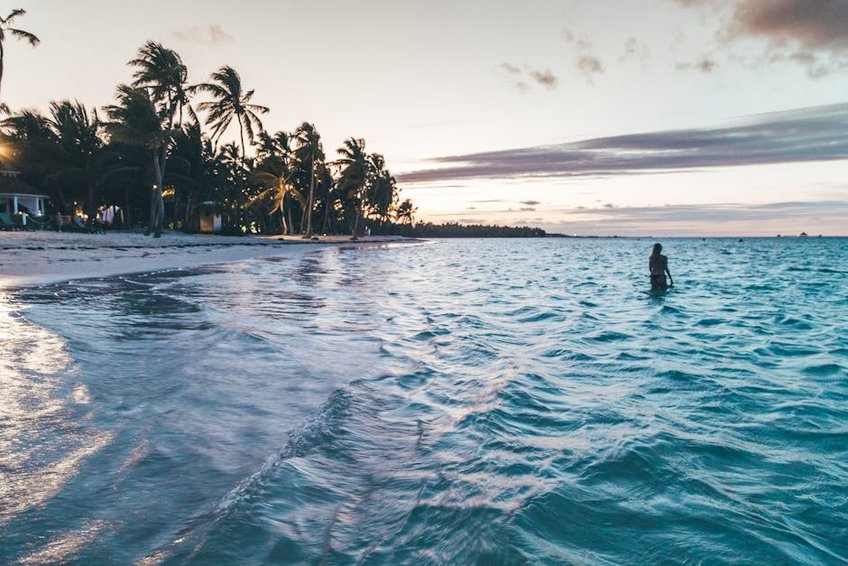
Alt: “punta-cana-bavaro-beach-palm-trees-february-sunshine”
Dominican Republic Punta Cana February – Planning Your Trip
February is the most desirable and therefore the most expensive month to visit. You are competing with travelers from North America and Europe all seeking reliable winter sun. Consequently, booking your flights and accommodation at least four to six months in advance is non-negotiable for securing the best options and rates.
Your budget will be significantly influenced by your choice of accommodation. A Punta Cana vacation in February revolves around the all-inclusive model, which can range from lively, family-friendly mega-resorts to serene, adults-only boutique properties. Decide on your preferred vibe and amenities first. Flight prices from the East Coast of the US typically range from $350 to $700 round-trip, while flights from Europe can be considerably higher.
Pack for a classic beach holiday: swimwear, cover-ups, sunglasses, high-SPF sunscreen, and a hat are essential. Also include casual evening wear, comfortable shoes for excursions, insect repellent, and a light sweater for occasionally air-conditioned restaurants. Don’t forget a quality insulated water bottle for day trips and your passport, which must be valid for the duration of your stay.
Best Time to Visit Punta Cana in February
The entire month of February offers outstanding weather, but the first two weeks often see marginally lower crowd levels before major school holidays in the US and Canada ramp up. Daily highs consistently reach 84-86°F (29-30°C) with abundant sunshine. The trade winds provide a pleasant breeze, making the heat very comfortable.
Ocean conditions are generally calm, especially on beaches facing the Caribbean Sea, like those in Bavaro. This period is ideal for water sports, sailing, and snorkeling. The chance of encountering a weather system that disrupts plans is extremely low, making it a worry-free time for a sun-focused holiday.
Budget Planning and Costs for February
Daily costs vary dramatically based on your lodging choice, as most expenses are bundled all-inclusive. Outside spending is mainly for excursions, tips, and souvenirs.
Essential Preparation Checklist
Secure your passport and check its expiration date. While no visa is required for short tourist stays from many countries, you must purchase a tourist card upon arrival for $10 USD. Purchase comprehensive travel insurance that covers medical evacuation. Book airport transfers in advance for a seamless arrival at your resort.
Pack reef-safe sunscreen to protect the marine ecosystem, aloe vera gel for potential sun overexposure, and any preferred over-the-counter medications. Download offline maps and a translation app. Notify your bank of international travel and ensure you have a mix of payment methods—small USD bills for tips are crucial.
Top Attractions and Activities in February
February’s flawless weather makes every outdoor activity enjoyable. Beyond the beach, the region offers rich ecological and cultural experiences. The calm seas are perfect for boat-based adventures, while the comfortable temperatures make exploring inland natural attractions a pleasure.
The dry conditions also mean that dirt roads to more remote attractions are easily passable. This is the best time to visit the region’s famous freshwater lagoons and inland parks without concern for mud or sudden road closures due to rain.
Must-See Highlights and Excursions
Saona Island is the premier full-day boat excursion, involving a catamaran cruise, natural swimming pools in waist-deep water, and time on a postcard-perfect beach. Scape Park at Cap Cana offers thrilling activities like ziplining over jungles, swimming in the stunning Hoyo Azul cenote, and exploring Indigenous Eyes Ecological Park.
The Marinarium is a popular half-day trip combining snorkeling with nurse sharks and stingrays in a protected area, followed by a catamaran party. For a cultural fix, Altos de Chavón is a meticulous 16th-century Mediterranean village replica perched on a cliff overlooking the Chavón River, featuring artists’ studios, galleries, and an amphitheater.
Hidden Gems and Local Favorites
Visit Macao Beach, a public, surf-friendly beach north of the resort zone with strong waves, local food shacks, and horseback riding. It offers a vibrant, non-resort atmosphere. Explore the Indigenous Eyes Ecological Park & Reserve, a 1,500-acre private reserve with 12 freshwater lagoons, hiking trails, and diverse wildlife, providing a serene nature escape.
Take a day trip to Higuey to see the Basílica Catedral Nuestra Señora de la Altagracia, the most important religious site in the DR. The nearby Higuey Market offers an authentic, bustling local shopping experience for crafts, spices, and fresh produce far from tourist pricing.
Water Sports and Marine Adventures
The calm February sea is ideal for snorkeling and diving. Reefs near Catalina Island and the Punta Cana Resort & Club are accessible for all levels. Numerous operators offer beginner-friendly dive courses. Sailing trips on catamarans, from booze cruises to romantic sunset sails, are exceptionally pleasant this time of year.
Deep-sea fishing is also in peak season, with opportunities to catch marlin, sailfish, and mahi-mahi. Kayaking and paddleboarding in the calm waters of resort lagoons or along protected coastlines are relaxing activities readily available at most beachfront properties.
Practical Travel Information for Punta Cana
Navigating Punta Cana is straightforward. Punta Cana International Airport (PUJ) is the main gateway and is one of the most connected airports in the Caribbean. Upon arrival, you’ll find plentiful transportation options, including pre-booked private transfers, shared shuttle vans, and official airport taxis.
Within the resort zone, most guests rarely leave their all-inclusive property. For independent exploration, rental cars are available but not essential for a typical beach holiday. Taxis and ride-sharing apps like Uber operate in the area, though fares for longer distances can be high. Many excursions include hotel pickup and drop-off.
| Accommodation Type | Best For & Features | Avg. Nightly Rate (Feb) |
|---|---|---|
| Budget All-Inclusive | Social travelers, basic amenities, lively pools, buffet dining. | $100-$200 |
| Family-Friendly Resort | Children’s clubs, water parks, multiple pools, family suites. | $250-$450 |
| Adults-Only Luxury | Couples, premium dining, serene pools, sophisticated ambiance. | $400-$700+ |
| Boutique Hotel | Travelers seeking character, personalized service, unique design. | $200-$350 |