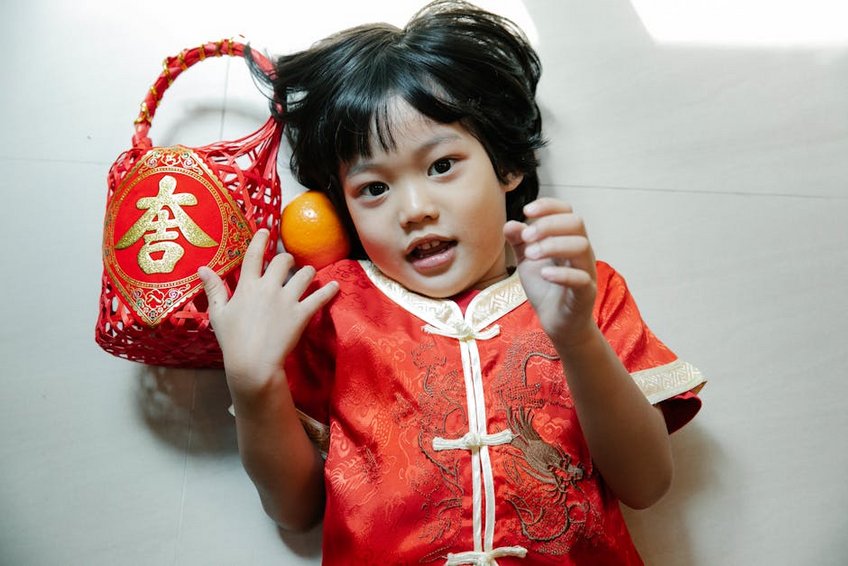
Chinese New Year Festival February: Your Complete Travel Guide
Experiencing the Chinese New Year Festival in February offers a vibrant immersion into Asia’s most significant cultural celebration. This period transforms cities across China, Taiwan, Singapore, and global Chinatowns with spectacular parades, symbolic rituals, and family-centered festivities that date back thousands of years. Your journey during this time connects you with ancient traditions, breathtaking visual spectacles, and a unique communal spirit, requiring specific planning to navigate the largest annual human migration on earth.
Lunar New Year Essentials and Significance
The Spring Festival, marking the Lunar New Year, is a 15-day celebration rooted in agrarian traditions and mythology. Its date shifts yearly between January 21 and February 20, based on the lunisolar Chinese calendar. The festival’s core revolves around family reunion, honoring ancestors, and ushering in luck and prosperity for the coming year, with each year represented by one of twelve zodiac animals.
Preparations begin a week before New Year’s Eve, involving thorough home cleaning to sweep away bad fortune and decorating with red lanterns and couplets. The eve itself is reserved for the all-important Reunion Dinner, a feast where families gather no matter the distance. Public celebrations then explode with dragon dances, temple fairs, and the iconic giving of red envelopes containing money.
Core Traditions and Symbolic Acts
Understanding key customs enriches your visit and shows respect for local culture. These practices are deeply symbolic and universally observed.
- The color red dominates decorations and clothing, symbolizing good fortune and joy, while wearing black or white is generally avoided during festivities as they are associated with mourning.
- Giving and receiving “hongbao” (red envelopes) is a key ritual; married couples give envelopes with crisp new bills to children and unmarried adults to pass on blessings and ward off evil spirits.
- Lion and dragon dances performed to loud drumming are believed to scare away negative energy; the louder and more vibrant the performance, the better the luck it brings to the community.
- Budget travel ($80-120/day) involves staying in hostels outside city centers, using metro systems, eating at local noodle shops that remain open, and viewing free public events like street dances. Book everything 6+ months ahead.
- Mid-range travel ($150-300/day) covers 3-4 star hotels, domestic flights or train tickets between cities, admission to cultural shows, and meals at popular restaurants booked in advance. This tier offers the best balance of comfort and immersion.
- Luxury travel ($400+/day) includes 5-star international hotels with New Year gala dinners, private guides for temple fairs, chauffeur services to avoid crowded transit, and exclusive access to cultural performances or family home visits.
- China Highlights: Chinese New Year Guide
- Lonely Planet: China Festival Information
The Zodiac Animal and Annual Themes
Each Lunar New Year is governed by a rotating zodiac animal, influencing decorations, marketing, and cultural themes. The animal for a given year is believed to impart specific characteristics to those born under its sign and influences the general mood of the celebrations.
Festival imagery in public spaces, from airport displays to mall decorations, will prominently feature the year’s zodiac creature. For instance, a Dragon year emphasizes power and success, while a Rabbit year highlights peace and prosperity. This theme provides a cohesive visual and cultural thread throughout all related events and merchandise.
Key Dates Within the 15-Day Festival
The festival period is a sequence of specific observances, not just a single day. New Year’s Eve and the first three days are the most intense, with many businesses closed. The fourth day often marks a return to work for some, while the seventh day is considered “everyone’s birthday.”
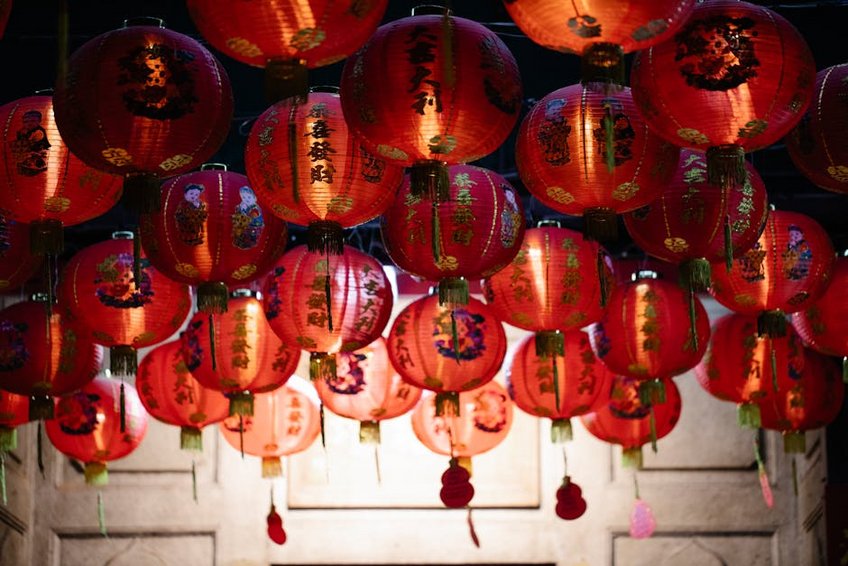
The climax is the Lantern Festival on the 15th day, where night markets glow with elaborate lantern displays and families eat sweet rice balls. For travelers, the first week offers peak energy and public events, while the second week provides a gradual return to normalcy with some cultural events still ongoing.
Alt: “lunar-new-year-dragon-dance-crowded-street-festival”
Chinese New Year Festival February – Planning Your Trip
Strategic planning is non-negotiable for a February visit centered on the Lunar New Year. This period coincides with the “Chunyun” travel rush, where billions of trips are made across China, overwhelming all transport systems. You must book international flights and domestic travel a minimum of 4-6 months in advance, as prices soar and seats vanish closer to the date.
Accommodation in popular destinations like Beijing, Shanghai, or Xi’an must be secured early, especially for the nights surrounding New Year’s Eve. Expect premium rates and minimum stay requirements. Crucially, verify opening hours for attractions, museums, and restaurants, as many close for multiple days during the official holiday, typically the first three days of the lunar new year.
Best Time to Visit for the Festival Atmosphere
For the full explosive atmosphere, plan to arrive two to three days before Lunar New Year’s Eve and stay through the fifth day of the new year. This window captures the frantic, joyful preparation, the family-oriented quiet of New Year’s Day itself, and the resumption of major public parades and events. Early February dates typically offer this timing.
If you prefer slightly smaller crowds but still want the cultural experience, consider the days immediately after the first week. While some commercial energy diminishes, temple fairs continue, and you’ll encounter fewer domestic tourists. The weather remains cold, with average temperatures ranging from 30-50°F (-1 to 10°C) in northern cities like Beijing.
Budget Planning and Costs
Travel costs peak during this period. Your budget must account for inflated prices across all categories, from airfare to simple meals.
Essential Preparation Checklist
Pack for cold, dry winter conditions with layers, a warm coat, and comfortable walking shoes for long days on your feet. Include a small bag for collecting mandarin oranges or red envelopes offered to you. Download essential apps like Didi (Chinese Uber), a translation app with offline capability, and Alipay to set up a digital wallet, as cash use is declining.
Secure your Chinese tourist visa well in advance, as consulates may have holiday closures. Purchase comprehensive travel insurance that covers trip delays, which are extremely common. Finally, learn a few key Mandarin phrases like “Xīnnián kuàilè” (Happy New Year) and “Hóngbāo” (red envelope) to enhance your interactions.
Top Celebrations and Festival Activities
From colossal city spectacles to intimate village traditions, the Spring Festival offers diverse experiences. Major cities host government-sponsored events with unparalleled scale and production value, featuring synchronized light shows on skyscrapers and massive parade floats. In contrast, smaller towns and ancient villages preserve more authentic, family-oriented rituals that feel less commercialized.
Your itinerary should mix iconic public events with opportunities for cultural observation. Remember that on Lunar New Year’s Day itself, public life slows down as families celebrate privately. The best public activities are on New Year’s Eve for the countdown and from the second day onward, when temple fairs open and performance troupes take to the streets.
Must-See City Celebrations
Beijing’s temple fairs at Ditan Park or Longtan Park are legendary, blending traditional folk performances, street food, and carnival games. The Qianmen Street area buzzes with historic charm and decorations. In Shanghai, the Yuyuan Garden Lantern Festival is a mesmerizing display of intricate, themed light sculptures, best visited after dark.
Hong Kong hosts a spectacular nighttime parade in Tsim Sha Tsui with international performing groups and dazzling floats, followed by a stunning pyrotechnic show over Victoria Harbour. For a more traditional setting, Pingxi in Taiwan holds its famous Sky Lantern Festival, where thousands of paper lanterns carrying wishes are released into the night sky.
Hidden Gems and Local Experiences
Venture to ancient water towns like Zhujiajiao near Shanghai or Fenghuang in Hunan, where stone bridges and old houses are draped in red, offering a photogenic and slightly less crowded alternative. Here, you might witness local families conducting waterfront ceremonies.
Visit a local community center or “hutongs” (alleyways) in Beijing early on New Year’s Day to see residents exchanging greetings and children in new clothes. Some smaller Buddhist or Taoist temples hold less crowded, more devotional ceremonies where you can observe locals making offerings for the new year, providing a solemn counterpoint to the public revelry.
Cultural Performances and Shows
Professional performances of Beijing Opera with New Year themes or acrobatic shows are staged in major theaters during the holiday period. These require ticket purchases in advance. The intricate costumes, martial arts, and storytelling offer a deep dive into performing arts heritage.
Look for specialized “Chunwan” galas or variety shows broadcast nationally, which are a cultural phenomenon. While the live taping is near-impossible to attend, many hotels or restaurants may host viewing parties. These shows mix comedy, music, and dance, embodying the modern celebration of the festival.
Practical Travel and Logistics
Transportation systems are under immense strain during Chunyun. High-speed rail is the most efficient way to travel between cities, but tickets sell out within minutes of release. Use a reputable travel agent or booking service that can navigate the local ticketing systems. Domestic flights are prone to lengthy delays due to high volume and potential winter weather in northern regions.
Accommodation choices range from international chains to traditional guesthouses. Key advice: book a hotel located near a major metro line to ensure mobility when streets are closed for parades. Confirm the hotel has staff on duty during the holiday, as smaller properties may operate with a skeleton crew. Expect limited room service and dining options on New Year’s Eve and Day.
| Service Category | Options & Key Features | Price Range (USD) |
|---|---|---|
| Inter-City Transport | High-Speed Rail (Book 28 days out), Domestic Flight (high delay risk), Long-Distance Bus | $30 – $200+ |
| City Accommodation | International 5-Star Hotel (gala dinner included), Business Hotel (reliable, fewer closures), Traditional Courtyard Inn | $80 – $500+/night |
| Tour & Experience | Private Guided Temple Fair Tour, Small-Group Cultural Workshop, Public Parade Viewing Package | $50 – $300/person |
| Essential Services | Local SIM Card with Data, Airport Transfer (pre-booked), Translation App Subscription | $15 – $100 |