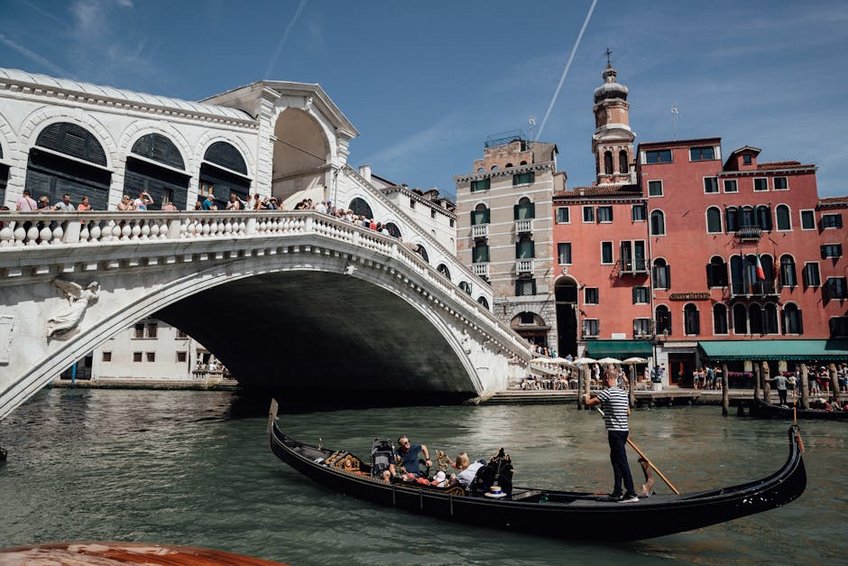
Venice Gondola Tours February: A Winter Canal Experience
February presents a unique window for a Venetian gondola ride, offering surprisingly intimate and atmospheric conditions along the city’s historic waterways. While the air carries a winter chill, you’ll find thinner crowds at major boarding points like St. Mark’s Basin, allowing for more relaxed, less congested canal journeys. This guide details how to plan your Venice gondola tours February adventure, covering everything from winter pricing and route planning to navigating the quieter, more authentic side of the city during Carnevale season.
Essential Venice in February Information
February in Venice operates at two distinct speeds. The first half of the month can be the quietest of the entire year, with misty, empty calli (streets). This tranquility offers a rare chance to see the city’s architecture reflected in rain-slicked squares without the summer bustle. You experience a more local pace, where the sound of your footsteps echoes and cafe life happens indoors.
The atmosphere shifts dramatically with the arrival of Carnevale di Venezia, typically in the latter half of February. The city transforms with elaborate masks, costumes, and vibrant energy centered around Piazza San Marco. This festival period brings increased visitors and a dynamic, celebratory vibe that contrasts sharply with the month’s initial serenity. Planning around these two phases is crucial for the experience you seek.
Winter Weather and Packing Essentials
Packing correctly is the key to comfort during a February visit. The weather is cold and damp, with a high chance of acqua alta (high water) in certain areas. Proper attire ensures you can enjoy extended exploration and a gondola ride without discomfort.
- Temperatures range from 36-48°F (2-9°C). A waterproof, insulated jacket, warm layers like merino wool, waterproof boots, and a scarf are non-negotiable. An umbrella is essential.
- Acqua alta, or tidal flooding, is common. Pack waterproof shoe covers or be prepared to use the elevated wooden walkways (passarelle) set up in low-lying areas like Piazza San Marco.
- Days are shorter, with sunset around 5:30 PM. Plan your sightseeing and photography for daylight hours, and carry a compact power bank as cold weather drains phone batteries quickly.
- Budget Traveler ($120-180/day): Stay in a guesthouse in Cannaregio, use vaporetto passes strategically, enjoy cicchetti (Venetian tapas) at bacari bars for lunch, and split a standard daytime gondola tour with 4 others to lower the per-person cost to around $20.
- Mid-Range Traveler ($250-400/day): Book a hotel in San Polo or Dorsoduro, enjoy sit-down lunches at trattorias, take a private 45-minute tour with a gondolier who shares historical anecdotes, and reserve dinners at well-reviewed local restaurants.
- Luxury Traveler ($600+/day): Stay at a 5-star hotel on the Grand Canal, book an extended 60-90 minute custom gondola tour with prosecco at sunset, dine at gourmet restaurants like Quadri or Antiche Carampane, and hire a private guide for specialized itineraries.
- Venezia Unica – Official Tourism Portal
- Official Carnevale di Venezia Website
- ACTV – Venice Public Transport
The Carnevale di Venezia Factor
Carnevale is a major cultural event with deep historical roots, dating back to the 13th century. If your visit coincides with the festival, expect stunning, intricate masks and historic costumes, particularly on weekends. The main events are concentrated in Piazza San Marco, but costumed figures can be seen throughout the city, creating magical photo opportunities.
During Carnevale, gondola tours remain operational but may have adjusted routes to avoid the most crowded main canals. Booking in advance is highly recommended for this period. While lively, the festival does not typically create the same overwhelming crowds as peak summer, allowing you to still enjoy a sense of occasion and tradition on the water.
Understanding Venetian Canals in Winter
The canal system behaves differently in the colder months. Winter light, often diffused through mist or cloud, provides soft, even illumination perfect for photography, eliminating harsh midday shadows. The water can appear darker and more reflective, creating dramatic mirror-like effects with the palazzos.
Operationally, gondoliers are still active but may start earlier and finish slightly earlier due to shorter daylight. They are typically well-prepared for the weather with blankets and sometimes even rain covers for the felze (cabin). The winter conditions can make the experience feel more authentic and connected to the city’s maritime history.
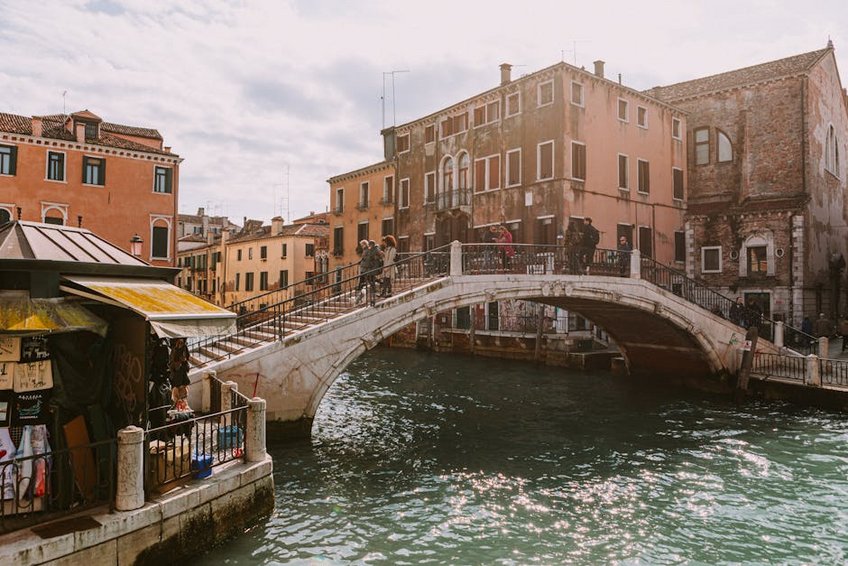
Alt: “venice-grand-canal-gondola-winter-misty-february”
Venice Gondola Tours February – Planning Your Trip
Strategic planning elevates your February gondola experience from a simple ride to a memorable journey. The core of your planning should focus on timing your ride for optimal light and atmosphere, understanding the official pricing structure to avoid scams, and selecting a route that matches your interests, be it grand palaces or quiet back canals. Flexibility with weather is your greatest asset during a winter visit.
Official, regulated gondola tours have fixed prices, regardless of the season. As of the current year, a 30-minute daytime tour for up to 5 people costs €80, while the evening rate (after 7 PM) is €100. These rates are set by the city, so any gondolier quoting a significantly different price should be avoided. Always confirm the price and duration before boarding.
Best Time to Visit for a Gondola Tour
The ideal window for a February gondola ride is between 2:30 PM and 4:30 PM. This timing maximizes the low, golden winter light, which beautifully illuminates the facades of buildings along the Grand Canal and smaller rii (canals). You avoid the potential grayness of early morning mist and ensure you finish before the early winter sunset and evening chill fully set in.
For a truly unique atmosphere, consider a ride just after a light rainfall when the city’s colors are saturated and reflections are sharp. If visiting during Carnevale, aim for a morning tour before the day’s main events and crowds build up in the central areas. The quiet, misty mornings of early February are arguably the most magical time of all for a serene canal journey.
Budget Planning and Costs
Beyond the base gondola fee, your daily budget in Venice can vary widely. Accommodation and dining will be your primary expenses, even in winter.
Essential Preparation Checklist
Secure your key bookings before arrival. Reserve your accommodation at least 60 days in advance, especially if your stay overlaps with Carnevale dates. While you cannot typically book a specific gondola in advance, you can reserve a tour through reputable agencies or your hotel’s concierge to guarantee a slot, which is wise for festival time.
Pack for variable conditions: waterproof outer layers, warm mid-layers, comfortable waterproof footwear, and a portable phone charger. Download offline maps (Google Maps or Maps.me) and the “Hi! Venezia” app for public transport. Have a mix of payment methods; while cards are widely accepted, some smaller bacari and gondoliers prefer cash (Euros).
Top Attractions and Winter Activities
Beyond the gondola, Venice in February offers a rich cultural landscape. The lack of queues means you can deeply engage with world-class art at the Accademia Gallery or the Peggy Guggenheim Collection. Wandering becomes a primary activity—explore the artisan workshops of Dorsoduro or the isolated charm of the island of San Giorgio Maggiore, accessible by vaporetto.
Indoor cafes and historic wine bars, known as bacari, become cozy havens. Spend an afternoon hopping between them in the Cannaregio district, sampling local wines like Prosecco and Raboso alongside cicchetti. This is the authentic Venetian “pub crawl,” perfect for a cold day.
Must-See Highlights
Piazza San Marco, while always iconic, feels different in February. Visit early in the morning to have the square almost to yourself, or experience its theatrical transformation during Carnevale. The Basilica and Doge’s Palace have significantly shorter lines, allowing for more contemplative visits. Pre-booked “Skip the Line” tickets remain valuable for maximizing your time.
The Rialto Market area is vibrant in the morning, with local vendors selling seasonal produce. It’s a fantastic place to witness daily Venetian life. For panoramic views, take the elevator to the top of the Fondaco dei Tedeschi’s terrace (free but requiring online reservation) or ascend the Campanile di San Marco for a breathtaking, crisp winter vista over the lagoon.
Hidden Gems and Local Favorites
Escape the main thoroughfares to discover Venice’s quieter soul. The neighborhood of Castello, east of St. Mark’s, is home to the serene public gardens (Giardini della Biennale) and the scenic Riva degli Schiavoni promenade. The quarter of Santa Croce, near the Piazzale Roma transport hub, offers a glimpse of everyday Venetian life with its local shops and canals less frequented by tourists.
For a unique museum experience, visit the Museo della Fondazione Querini Stampalia, a preserved 16th-century palace with an exquisite interior and a modern garden. Alternatively, seek out the Squero di San Trovaso, one of the last remaining gondola boatyards, where you can watch craftsmen at work repairing these iconic vessels.
Indoor Cultural Pursuits
February’s weather makes it ideal for delving into Venice’s incredible indoor offerings. The Gallerie dell’Accademia houses the definitive collection of Venetian Renaissance art, from Bellini to Titian. Across the Grand Canal, the Peggy Guggenheim Collection presents masterpieces of 20th-century modern art in the heiress’s former home, the unfinished Palazzo Venier dei Leoni.
For performing arts, check the schedule at the historic Teatro La Fenice opera house. Attending a performance in this lavishly rebuilt golden-age theater is an unforgettable experience. Alternatively, many churches, like the Frari or San Sebastiano, contain breathtaking works by artists like Titian and Veronese, offering cultural enrichment away from the main museum crowds.
Practical Travel Information
Navigating Venice in winter requires understanding its unique logistics. The city is a pedestrian maze, with water buses (vaporetti) serving as the main public transport. A key tip: traveling by water is slower than walking short distances, so always check the map to see if your destination is within a 15-20 minute walk before heading to a vaporetto stop.
Accommodation prices in February are generally lower than in spring or fall, except during the Carnevale weekends. You’ll find better value in smaller hotels and B&Bs in the districts of Cannaregio, Castello, and Dorsoduro, which are still within easy walking distance of major sites but offer a more residential feel.
| Accommodation Type | Best For & Location Tips | Price Range (USD) Per Night |
|---|---|---|
| Budget B&B / Guesthouse | Solo travelers & couples; Look in Cannaregio near the Ghetto or Castello near Arsenal. | $90 – $160 |
| Mid-Range Hotel | Couples & small families; San Polo near Rialto or Dorsoduro near Accademia Bridge. | $180 – $320 |
| Boutique Hotel | Romantic stays & design lovers; Converted palazzos in Santa Croce or San Marco. | $350 – $550 |
| Luxury 5-Star | Splurge & Grand Canal views; Historic properties on the Grand Canal in San Marco. | $600 – $1,200+ |