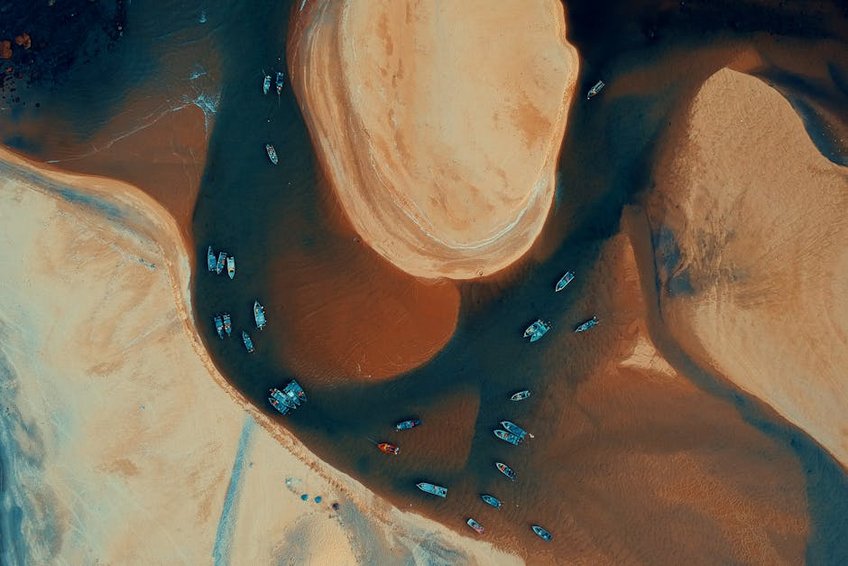
Botswana Okavango January Water Levels Guide
Visiting Botswana’s Okavango Delta in January means experiencing the wilderness at its most dramatic and dynamic. The annual floodwaters from Angola are beginning their journey into the delta system, creating a landscape in transition from the dry winter season. This guide details exactly what to expect from the Okavango Delta water levels in January, from navigating the high-water channels to planning for the region’s summer rains, ensuring your safari aligns perfectly with the seasonal rhythms.
Essential Okavango Delta Seasonal Information
The Okavango Delta is a unique inland river system where annual flooding defines the ecosystem. Unlike most deltas that flow to the sea, this one spreads across the Kalahari Desert sands. The water you see in January originates as rainfall in the Angolan highlands nearly six months prior, traveling over 1,000 kilometers before fanning out into the intricate network of lagoons and channels.
This seasonal pulse creates a constantly shifting habitat that wildlife has exquisitely adapted to over millennia. The flood cycle dictates animal movements, vegetation growth, and ultimately, the safari experiences available to visitors. Understanding this hydrological calendar is the key to unlocking the best possible trip, whether you seek predator action or serene water-based exploration.
The Annual Flood Pulse – What Creates the Water
The delta’s water supply is a delayed reaction to distant weather patterns. Rains in central Angola typically fall between October and April. This water collects into the Cubango and Cuito rivers, which merge to form the Okavango River. The resulting flood surge then takes weeks to travel southeast, reaching the upper Panhandle around March or April, and peaking in the central and lower Delta between June and August.
- Source: Rainfall in the Angolan highlands (October-April).
- Transit: A 1,000+ km journey via the Okavango River into northern Botswana.
- Spread: Water fans out over 15,000 square kilometers of the Kalahari, with timing varying annually by 2-4 weeks.
- Budget: Few true budget options exist. Mobile camping safaris start around $350-$450 per person per night, including meals, activities, and park fees, but may have limited water access.
- Mid-Range: Fixed lodges in prime areas like the Khwai Concession or Moremi cost $600-$850 pp/night. This includes all-inclusive stays with mixed land/water activities ideal for January conditions.
- Luxury: Exclusive camps in the Mombo or Jao concessions with private pools and helicopters run $1,200-$2,000+ pp/night, offering access to both wet and dry ecosystems regardless of seasonal water levels.
- Botswana Tourism Organisation
- Okavango Delta Conservation Information Portal
Key Delta Regions and Their January Conditions
The delta is not a uniform body of water but a mosaic of permanent swamps, seasonal floodplains, and dry islands. In January, the Panhandle area in the northwest typically has permanent water year-round, supporting consistent aquatic life. The Moremi Game Reserve, which protects the central and eastern Delta, sees variable conditions with some seasonal areas still dry but beginning to green.
Private concessions bordering Moremi offer exclusive access to diverse habitats. Concessions in the south-eastern Delta, like those near the Chief’s Island area, are more reliant on the annual flood and may still be quite dry in early January, waiting for the surge to arrive. This regional variation means your specific location dramatically impacts available activities.
Climate and Weather Patterns in January
January falls within Botswana’s summer wet season, characterized by warm temperatures and afternoon thunderstorms. Daytime highs average 88-93°F (31-34°C), with nighttime lows around 68°F (20°C). Humidity is noticeably higher than in the winter months. Rainfall is typically in the form of short, intense convective storms that clear quickly, rather than all-day drizzle.
These rains are primarily local and contribute to filling seasonal pans and stimulating lush new grass growth. They are separate from the main floodwaters coming from Angola. The landscape is incredibly green and vibrant, with many animals giving birth during this period of abundance. Mosquito populations are higher, making quality repellent and malaria prophylaxis essential.
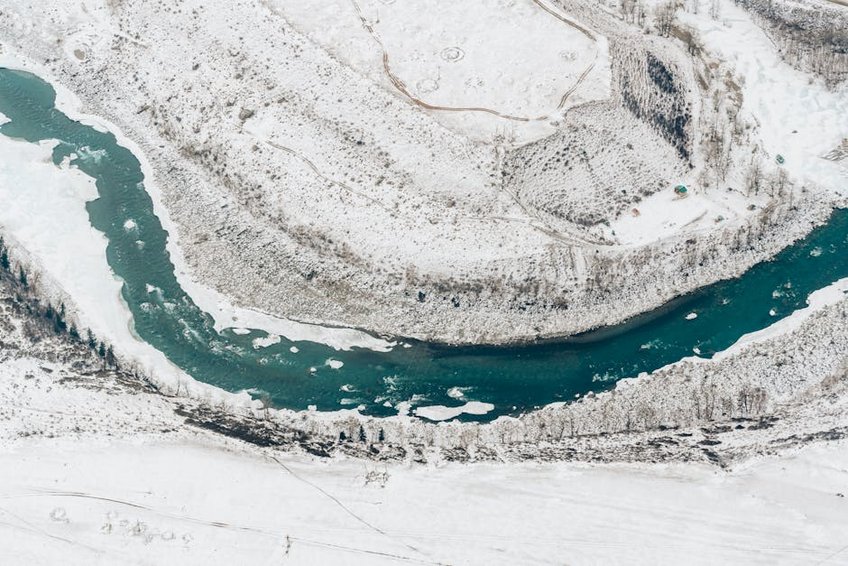
Alt: “okavango-delta-aerial-view-january-water-channels-green-vegetation”
Okavango January Water Levels – Planning Your Safari
Planning a trip around the Okavango Delta water levels in January requires balancing the promise of dramatic landscapes with the reality of seasonal weather. The month marks the very beginning of the new flood cycle, meaning water levels are at their annual low point before the surge arrives. However, this does not mean a lack of water-based activities, especially in the permanent delta regions. Your focus should shift towards camps located in the Panhandle or those with permanent water channels, ensuring you can still enjoy the classic mokoro experience.
The combination of local rains and the impending flood creates a unique safari dynamic. While some deep-water activities may be limited in certain areas, the trade-off is exceptional predator viewing. Prey animals are concentrated around remaining water sources, and the thick vegetation provides perfect stalking cover for lions, leopards, and wild dogs. Booking a camp that offers both land and water access provides the most flexibility during this transitional period.
Best Time to Visit for Specific Activities
For peak water-based activities like motorboat trips and deep-water mokoro trails, the ideal window is later in the flood cycle, from June through September. January is prime for wildlife photography focused on newborns and dramatic stormy skies, with the green backdrop providing vibrant colors. Birding is exceptional, with many migratory species present and residents in breeding plumage.
If your primary goal is to float through lily-covered channels, target the permanent swamps of the Panhandle or select camps in the Jao or Vumbura Concessions that retain water year-round. For those prioritizing big cat sightings and general game viewing, the drier eastern and southern regions of Moremi and the private concessions can offer outstanding January game drives, as animals remain easy to find near limited water.
Budget Planning and Safari Costs
Safari pricing in Botswana is tiered and generally high due to low-impact tourism policies. January is considered a “green season” month, often resulting in slightly lower rates than the peak dry season (June-October).
Essential Preparation Checklist
Packing for a January safari requires preparation for both heat and rain. Essential items include lightweight, breathable clothing in neutral colors, a high-quality waterproof jacket, and sturdy, water-resistant shoes. A wide-brimmed hat, polarized sunglasses, and strong sunscreen (SPF 50+) are non-negotiable for sun protection. Binoculars (8×42 or 10×42) and camera gear with rain covers are crucial for wildlife viewing.
Health preparations are vital. Consult a travel doctor 4-6 weeks before departure for necessary vaccinations and a prescription for malaria prophylaxis. Comprehensive travel insurance that covers medical evacuation from remote areas is mandatory. Most visitors require a visa, which is often issued on arrival for many Western passport holders for a fee (approx. $30 USD), but always check current requirements with the Botswana embassy.
Top Safari Experiences and Wildlife Viewing
The Okavango Delta in January offers a safari experience rich in contrasts and raw energy. The landscape is lush and green, transforming the dry Kalahari into a water-filled paradise. Wildlife is abundant and active, with many herbivores giving birth during this period of plenty. This abundance, in turn, attracts predators, leading to potentially thrilling sightings. The atmosphere is charged with the energy of summer storms, creating unparalleled photographic opportunities with dramatic lighting.
While deep flooding is months away, water is still present in the permanent channels and lagoons, allowing for a blend of activities. The key is selecting camps and concessions that can provide a balanced itinerary. This month rewards flexible travelers with intimate wildlife encounters, fewer tourists compared to the peak dry season, and the breathtaking beauty of a landscape reborn with seasonal rains.
Must-See Highlights and Key Areas
Moremi Game Reserve, particularly the Third Bridge and Xakanaxa regions, is a premier destination. These areas often retain some water and act as magnets for wildlife. Game drives here can yield sightings of elephants, buffalo, and the resident lion prides. The Abu Herd of elephants, famous for their relaxed behavior, is often accessible in this area.
The Khwai Community Concession, adjacent to Moremi, offers excellent year-round game viewing. Its varied habitat supports diverse species, and community-run camps provide a unique cultural perspective. The private concessions of the Vumbura Delta, with their mix of permanent water and dry land, are ideal for January, guaranteeing both mokoro excursions and productive game drives. Night drives, permitted in private concessions, reveal a different world of nocturnal creatures.
Hidden Gems and Seasonal Secrets
For a unique January perspective, explore the Selinda Spillway, which connects the Okavango Delta to the Linyanti Swamps. Water flow here can be unpredictable, but in years when it runs, it creates a wildlife corridor of immense productivity. The Zibadianja Lagoon, source of the Savute Channel, is a lesser-visited spot known for its high concentration of hippos and elephants.
Consider a stay at a camp specializing in boating, like those in the Panhandle, to ensure water access. These areas are also fantastic for tiger fishing. For a truly unique experience, some operators offer walking safaris on the dry islands, providing an intimate, ground-level perspective of the ecosystem. These walks focus on tracking, botany, and the smaller details of the bush that are missed from a vehicle.
Birdwatching and Aquatic Life
January is a phenomenal month for birdwatchers. Migratory species from Europe and northern Africa are present, including carmine bee-eaters (though in smaller numbers than later months), various raptors, and waders. Residents like the African fish eagle, Pel’s fishing owl, and the majestic saddle-billed stork are actively nesting and easier to spot.
Hippo and crocodile populations are concentrated in the remaining deep-water channels and lagoons, making sightings reliable. Observing hippo behavior from the safety of a boat is a memorable experience. The clear waters of the permanent channels also offer opportunities, in select areas, for guided snorkeling to view the fascinating underwater life of the delta, including countless fish species and intricate aquatic plants.
Practical Travel and Logistics Information
Reaching the Okavango Delta involves a multi-stage journey. Most international travelers fly into Johannesburg (JNB) or Cape Town (CPT) in South Africa, then connect to Maun (MUB), Botswana’s safari tourism hub. From Maun, you will take a light aircraft transfer to your specific camp’s private airstrip. These scenic flights are an integral part of the experience, providing stunning aerial views of the delta’s waterways.
Within the delta, all transportation is organized by your lodge. Game drives use open 4×4 vehicles, water activities use motorboats or traditional mokoro dugout canoes, and transfers between camps in the same concession may be by vehicle or boat. Your movement is entirely guided for safety and to minimize environmental impact. Pack soft-sided luggage due to strict weight limits (usually 15-20kg total) on light aircraft transfers.
| Accommodation Type | Key Features & January Considerations | Price Range (USD per night) |
|---|---|---|
| Mobile Tented Camp | Moves seasonally for optimal game viewing; may have basic facilities; immersive bush experience. | $300 – $500 |
| Permanent Safari Lodge | Fixed location with en-suite rooms, pool, main deck; offers both land & water activities; best for January flexibility. | $600 – $1,000 |
| Ultra-Luxury Camp | Private plunge pools, butler service, premium guiding; often includes helicopter tours to access remote wetlands. | $1,200 – $2,500+ |
| Community-Owned Camp | Profits support local villages; culturally rich experience; locations often in prime wildlife areas like Khwai. | $500 – $800 |