Bolivia Uyuni Salt Flats January Reflections
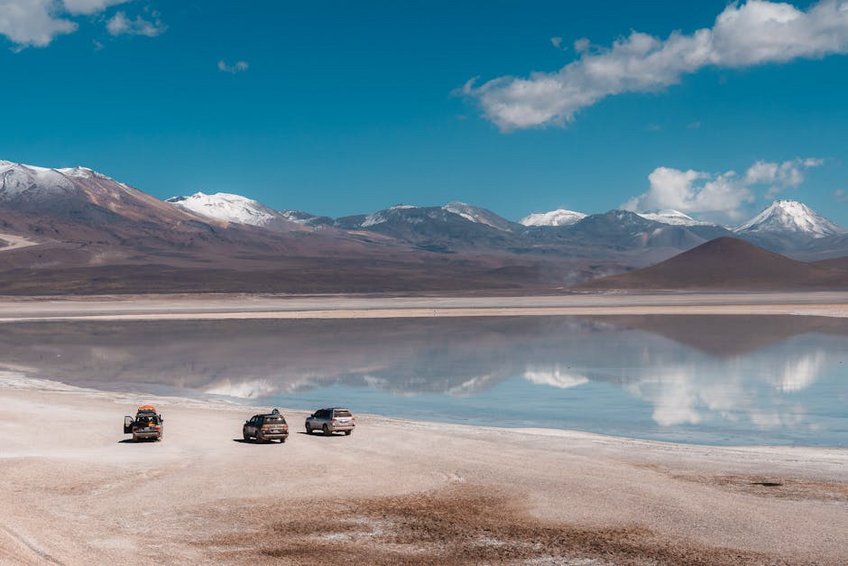
Visiting the Uyuni Salt Flats in January offers a unique opportunity to experience the world’s largest salt pan transformed by seasonal rains. This period creates a spectacular mirror effect where the sky meets the earth, producing breathtaking photo opportunities and surreal landscapes. Your trip planning will focus on navigating the wet season’s logistical nuances while capturing the Salar de Uyuni at its most visually stunning.
Essential Uyuni Salt Flats Information
The Salar de Uyuni is a prehistoric salt lake located in southwest Bolivia’s Potosí Department. It spans over 10,000 square kilometers (3,900 square miles) at an elevation of 3,656 meters (11,995 feet) above sea level. This immense landscape was formed by the transformation of ancient lakes roughly 40,000 years ago.
January sits within the Southern Hemisphere’s summer and the region’s rainy season. This climate shift brings frequent afternoon showers that collect on the salt crust’s surface. These shallow waters create the famous mirror effect that defines the January experience across the Bolivian altiplano.
The local economy traditionally relied on salt extraction and lithium mining. Tourism now represents a vital income source for communities like Colchani. Visitors directly support local guides, hostel owners, and artisans through regulated tour operations and responsible travel practices.
Key Geographical and Climate Facts
Understanding the environment is crucial for a successful January visit.
- The altiplano elevation requires 1-2 days acclimatization in cities like La Paz or Uyuni to avoid altitude sickness, with temperatures ranging from 5°C to 20°C (41°F to 68°F).
- January rainfall averages 70mm (2.75 inches), creating water depths between 2-10cm (1-4 inches) across different salt flat sections for optimal reflections.
- Daylight extends for approximately 13 hours, with sunrise around 5:45 AM and sunset near 7:00 PM, providing long shooting windows for landscape photography.
- Budget travelers spend $50-80 daily for shared dormitory hostels, group Spanish-speaking tours, and basic meals, totaling $400-600 for a 4-day/3-night standard tour package from Uyuni with visits to Incahuasi Island and the train cemetery.
- Mid-range visitors invest $100-150 daily for private rooms with heating, bilingual guide tours, and better meals, totaling $800-1000 for enhanced 4-day tours including sunset photography sessions and visits to lesser-known reflection spots.
- Luxury experiences cost $200-300 daily for premium hotels like Palacio de Sal, private 4×4 with dedicated driver/photography guide, and customized itineraries, totaling $1500-2000 for exclusive access to remote areas and specialized astrophotography sessions during the January new moon.
- Bolivia Tourism Official Website
- Lonely Planet Salar de Uyuni Guide
Cultural Significance and History
Indigenous Aymara and Quechua communities have inhabited this region for centuries. They consider the Salar a sacred landscape connected to Pachamama (Mother Earth). Traditional salt extraction methods continue in designated areas, preserving cultural heritage.
Modern tourism development began in the 1990s as Bolivia opened to international visitors. The town of Uyuni transformed from a remote railway junction to a tourism hub. Today, over 300,000 travelers visit annually, with January being a peak period for photographers seeking the iconic reflections.
The January Reflection Phenomenon
The mirror effect occurs when rainwater collects on the perfectly flat salt surface. This creates a seamless horizon where clouds appear to float at ground level. The phenomenon’s intensity varies daily based on recent rainfall and wind conditions.
Photographers prize early morning and late afternoon light during January. The low sun angle creates long shadows and golden hues reflected in the shallow water. Midday visits often feature stronger winds that disturb the water’s surface, reducing reflection clarity for landscape shots.
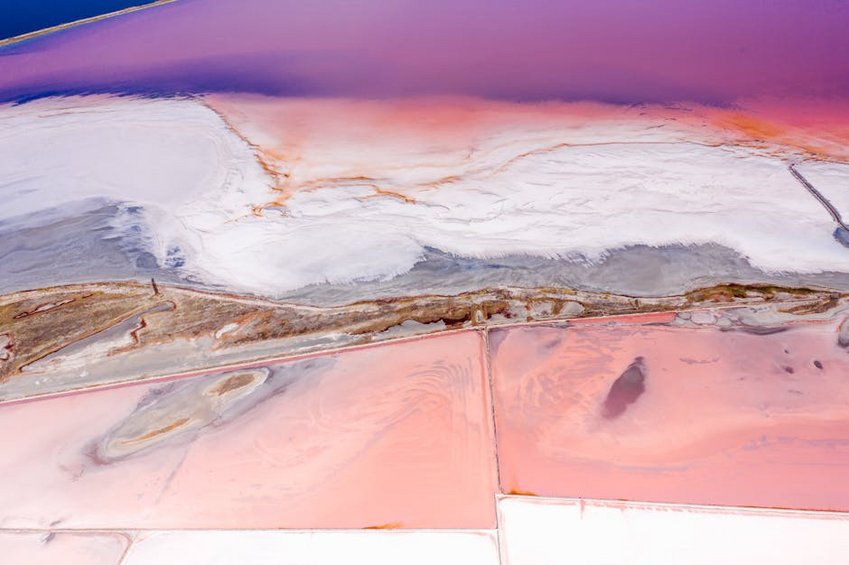
Alt: “uyuni-salt-flats-january-mirror-effect-reflection-sky”
Bolivia Uyuni Salt Flats January Reflections – Planning Your Trip
Organizing your Salar de Uyuni visit during January requires specific seasonal preparations. You must book tours several months in advance as this is Bolivia’s peak tourism period. Your itinerary should incorporate flexibility for changing weather patterns that affect road conditions and reflection visibility across the salt desert.
Budget approximately $600-$1200 per person for a 3-4 day tour from Uyuni town, depending on accommodation level and private versus group options. This typically includes transportation, guide, meals, and basic lodging. International flights to Bolivia and domestic travel to Uyuni represent additional costs that vary by departure location.
Packing requires careful attention to altitude and wet season conditions. Essential items include waterproof hiking boots, layered clothing for temperature swings, high-SPF sunscreen, and camera protection gear. You’ll need cash in Bolivianos for entrance fees, souvenirs, and tips since credit card acceptance remains limited outside major hotels.
Best Time to Visit for January Reflections
January offers the most reliable water coverage for mirror effects, typically from early December through March. The first two weeks often feature less frequent rain, creating patchier water distribution. The latter half of January usually provides more consistent coverage after sustained rainy season precipitation.
For optimal conditions, target January 15-31 when water levels stabilize. Morning hours (6-10 AM) provide calmest winds and clearest reflections. Afternoon thunderstorms occur 3-4 days weekly but usually pass quickly, creating dramatic cloud formations that enhance photographic opportunities across the salt pan.
Budget Planning and Costs
Your expenses break down into these primary categories for a January excursion.
Essential Preparation Checklist
Physical preparation should begin 2-3 weeks before travel with cardiovascular exercise to improve altitude tolerance. Consult your doctor about acetazolamide (Diamox) for altitude sickness prevention. Secure travel insurance that explicitly covers high-altitude activities and adventure tourism in remote Bolivian regions.
Pack waterproof bags for all electronics and documents. Include quick-dry clothing, a headlamp for early morning departures, and lip balm with SPF protection. Book domestic flights from La Paz to Uyuni (1 hour) or overnight buses (10 hours) at least six weeks in advance for January travel dates.
Top Attractions and January Activities
The Salar de Uyuni transforms into a multifaceted destination during January’s wet season. Beyond the iconic mirror effect, you’ll discover colorful lagoons, geothermal fields, and unique wildlife habitats. Each location presents distinct photographic challenges and rewards during the Southern Hemisphere summer months.
Most tours follow established circuits through the Eduardo Avaroa Andean Fauna National Reserve. These routes maximize scenic diversity while accounting for January’s variable road conditions. Your itinerary will balance iconic stops with hidden gems accessible only during the rainy season period.
Specialized January activities include stargazing during clear nights, visiting communities that produce salt-based crafts, and observing flamingo migrations at high-altitude lagoons. The extended daylight allows for comprehensive daily exploration before returning to basic salt hotel accommodations each evening.
Must-See Highlights and Viewpoints
Incahuasi Island (Fish Island) provides panoramic views across the flooded salt flats. This cactus-covered geological formation emerges like an island from the watery expanse. Arrive before 8 AM to avoid crowds and capture sunrise reflections with the island’s silhouette.
The train cemetery on Uyuni’s outskirts features early 20th-century steam locomotives abandoned in the 1940s. January’s afternoon light creates dramatic shadows across the rusted machinery. Visit during late afternoon when most tour groups have departed for better photographic opportunities.
Colchani’s salt processing cooperative demonstrates traditional extraction methods. January operations adjust to wet conditions, creating unique photo opportunities of salt piles protected from rain. Purchase salt-based souvenirs here to directly support local artisan families.
Hidden Gems and Local Favorites
Ch’iyar Quta (Black Lake) offers stunning contrasts between dark waters and white salt surroundings. Few January tours include this location due to challenging access roads. Request this detour for unique reflection photos featuring volcanic rock formations.
Local guides know secluded spots where water accumulates in perfect shallow pools. These “secret mirrors” often provide better reflections than crowded main areas. Tip guides generously for these detours, typically $10-20 per vehicle for the additional time and fuel.
The January night sky features the Southern Hemisphere’s summer constellations with exceptional clarity. Moonless nights around January 10-25 provide optimal Milky Way viewing. Some tour operators offer specialized astrophotography sessions with equipment rental for $50-75 per person.
Wildlife Encounters and Natural Phenomena
Three flamingo species inhabit the region’s colorful lagoons during January. James’s flamingos gather in largest numbers at Laguna Colorada, creating vibrant pink contrasts against red waters. Maintain respectful distances of at least 100 meters (330 feet) to avoid disturbing feeding behaviors.
Geothermal activity at Sol de Mañana features bubbling mud pots and steam vents. January mornings often create steam clouds that condense in the cold air. Visit between 7-9 AM for the most dramatic photographic conditions with visible steam plumes.
Unique mineral formations at Salvador Dalí Desert appear even more surreal with January’s occasional rain puddles. The abstract rock shapes reflect in temporary water collections, creating double images. This area receives fewer visitors than main salt flat sections during peak season.
Practical Travel Information and Logistics
January travel in southwestern Bolivia requires understanding seasonal transportation realities. Many unpaved roads become impassable during heavy rains, causing frequent itinerary adjustments. Reputable tour operators monitor conditions daily and communicate changes through hotel networks in Uyuni town.
Accommodation options range from basic salt hotels to comfortable lodges with heating systems. January bookings require reservations 3-4 months in advance, especially for properties with reliable hot water and electricity. Always confirm heating availability when booking mid-range and budget options.
| Transportation Type | January Considerations | Approximate Cost (USD) |
|---|---|---|
| 4×4 Group Tour (3 days) | Shared with 5-6 others, fixed route with possible detours due to flooding | $200-350 per person |
| Private 4×4 Vehicle | Custom itinerary, better chance to reach remote reflection spots | $500-800 total (1-4 people) |
| Domestic Flight (La Paz-Uyuni) | Most reliable January access, limited baggage allowance (15kg) | $150-250 roundtrip |
| Overnight Bus | Affordable but subject to road closures, 10-12 hour journey | $25-50 each way |