Ecuador Galapagos January Wildlife: Breeding Season Spectacles
Visiting the Galapagos Islands in January offers travelers a front-row seat to one of nature’s most dynamic wildlife breeding seasons. The archipelago’s unique equatorial position creates a summer climate where land and marine species simultaneously enter reproductive cycles, from giant tortoise nesting to waved albatross courtship rituals. Your Ecuador Galapagos January wildlife adventure delivers exceptional animal encounters alongside warm waters perfect for snorkeling, balancing seasonal crowds with unparalleled photographic opportunities across thirteen major islands.
Essential January Wildlife Information
January represents the warm season’s peak in the Galapagos, characterized by occasional afternoon showers that intensify the islands’ green landscapes. Ocean currents shift during this month, bringing warmer water temperatures averaging 76-80°F (24-27°C) that attract tropical marine life. This climatic shift triggers specific biological responses across endemic species, making animal behavior more active and visible to visitors.
The Galapagos National Park Directorate implements specific visitor protocols during sensitive breeding periods to minimize human impact. Guided tours adjust itineraries to respect nesting zones while maximizing ethical viewing opportunities. Understanding these seasonal patterns helps travelers select the right islands and activities for their wildlife priorities.
January’s Unique Ecological Conditions
Several interconnected factors create January’s distinctive wildlife environment. The warm season combines with increased rainfall to stimulate food abundance.
- Ocean temperature shifts influence marine current patterns, bringing nutrient-rich waters that support plankton blooms visible from certain viewpoints.
- Terrestrial vegetation responds to brief daily rains with rapid growth, providing fresh food for herbivores like giant tortoises and land iguanas.
- Increased daylight hours and consistent temperatures accelerate reproductive timing across multiple species simultaneously.
- Budget travelers should expect $2,500-$3,500 USD for eight-day expeditions aboard first-class vessels, including meals, guides, and inter-island transportation but excluding flights to Baltra.
- Mid-range expeditions aboard luxury catamarans range $4,500-$6,000 USD featuring superior cabins, onboard experts, and premium excursion equipment like wetsuits and snorkeling gear.
- Premium wildlife cruises exceed $7,000 USD offering suite accommodations, photographic workshops, and exclusive landing permits for restricted visitor sites with limited daily access.
- Galapagos Conservancy
- U.S. News Travel Galapagos Guide
Key Species and Their January Behaviors
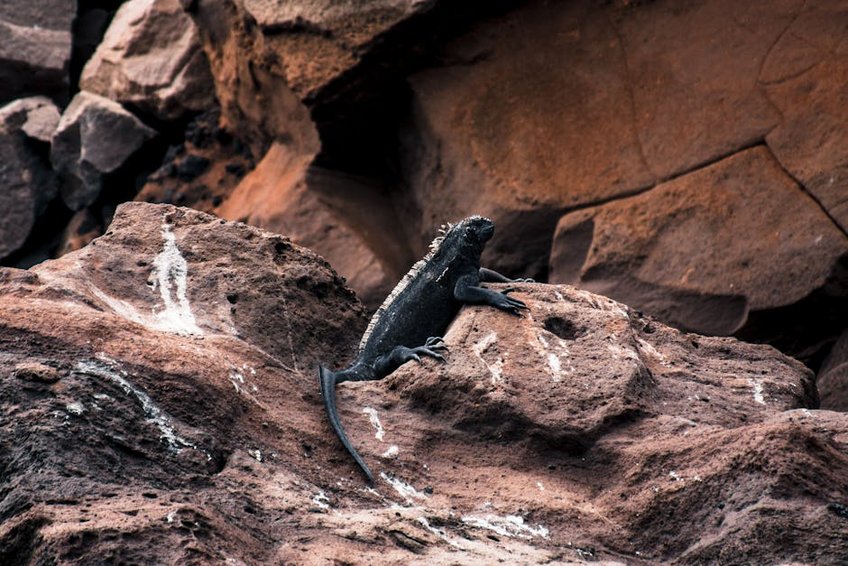
Marine iguanas display their most vibrant breeding coloration in January, with males developing vivid red and teal patterns to attract mates. These unique reptiles nest shortly after mating, digging burrows in sandy areas you might visit on Isabela or Fernandina. Meanwhile, green sea turtles begin their annual nesting rituals on specific beaches.
Blue-footed boobies perform elaborate courtship dances throughout the month, offering photographers iconic behavioral shots. Their mating season peaks now, with pairs engaging in sky-pointing and foot-raising displays daily. Witnessing these rituals requires visiting islands like Española or North Seymour with knowledgeable naturalist guides.
Conservation Considerations for Breeding Season
The Galapagos National Park enforces stricter visitor guidelines during sensitive breeding months like January. Maintain a minimum six-foot distance from all wildlife, especially nesting birds and turtles. Guides will instruct your group to avoid shaded areas where iguanas and turtles bury eggs. These precautions ensure minimal disturbance to reproductive success.
Flash photography remains prohibited near nesting sites throughout the archipelago. Use natural light settings and longer lenses for ethical wildlife photography. Your visit directly supports conservation through the park entrance fee, currently $100 USD for international visitors over twelve years old.
Alt: “galapagos-january-marine-iguana-colorful-breeding-season”
Ecuador Galapagos January Wildlife – Planning Your Trip
Planning your January Galapagos expedition requires balancing wildlife priorities with practical seasonal considerations. This month combines ideal aquatic conditions with terrestrial breeding spectacles, though occasional tropical showers may affect afternoon hiking. Booking six to nine months in advance secures the best expedition vessels and licensed guides for peak season travel between Christmas and February.
Your Ecuador Galapagos January wildlife itinerary should prioritize western islands like Isabela and Fernandina for marine life, alongside southern islands like Española for bird nesting colonies. Expedition cruises offering eight-day itineraries provide the most comprehensive coverage, though land-based options from Puerto Ayora work for shorter visits. Consider your mobility requirements when selecting tours involving wet landings and uneven terrain.
Budget approximately 20% more for January travel compared to shoulder months, accounting for peak demand and holiday period pricing. Last-minute deals occasionally appear but rarely include premium vessels with expert naturalists. Travel insurance covering trip interruption becomes essential during rainy season months with potential flight delays from mainland Ecuador.
Best Time to Visit for Specific Wildlife
Visit between January 5-25 for the most predictable wildlife activity with reduced holiday crowds. Early January still sees some seasonal rain while late January begins transitioning toward slightly drier conditions. Morning temperatures average 75-80°F (24-27°C) with afternoon highs reaching 85-90°F (29-32°C).
Marine life viewing peaks during morning hours before winds increase, while bird activity remains consistent throughout daylight. Sea turtles typically nest after dusk on specific beaches accessible through guided night tours. Your naturalist will adjust daily schedules based on real-time animal behavior and weather patterns.
Budget Planning and Costs
January travel falls within peak season pricing across all service categories.
Essential Preparation Checklist
Pack quick-dry clothing, waterproof hiking shoes, and multiple swimsuits for daily aquatic activities. Reef-safe sunscreen and polarized sunglasses prove essential under intense equatorial sun. Bring motion sickness medication even if not prone to seasickness, as January seas can experience occasional swells.
Secure Ecuador tourist visas if required for your nationality, though most Western passports receive 90-day stamps upon arrival. Book internal flights from Quito or Guayaquil to Baltra (GPS) or San Cristóbal (SCY) separately from international tickets. Verify your tour operator’s National Park licensing and guide certification before submitting deposits.
Top Wildlife Experiences and Locations
January’s wildlife concentrations vary significantly by island due to microclimates and habitat differences. The western archipelago receives more rainfall, creating lush highlands where giant tortoises actively feed and breed. Meanwhile, southern islands experience slightly drier conditions perfect for seabird nesting colonies. This geographical diversity lets visitors customize experiences based on specific animal interests.
Marine encounters dominate January itineraries with sea lion pups learning to swim alongside snorkelers at Champion Islet. Warm water visibility averages 50-70 feet (15-21 meters), revealing tropical fish migrations rarely seen in cooler months. Night snorkeling tours operated under special permits offer glimpses of bioluminescent organisms and nocturnal hunters.
Must-See January Wildlife Highlights
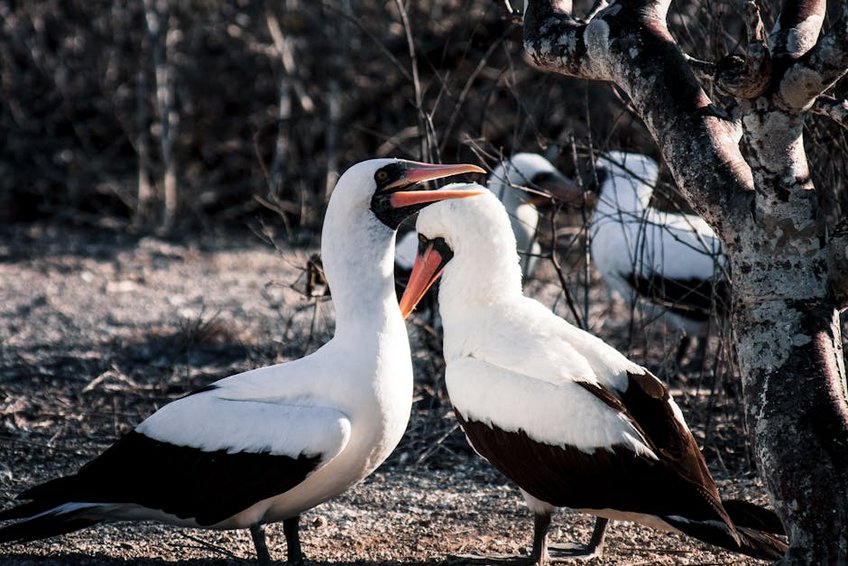
Española Island hosts the largest waved albatross colony in the archipelago, with January representing peak courtship season. Watch these magnificent birds perform elaborate beak-clacking dances along the cliffs at Punta Suarez. Arrive before 10 AM to avoid midday heat during the two-hour hiking circuit.
Isabela Island’s Elizabeth Bay provides January’s best marine iguana sightings, with hundreds basking on mangrove roots during low tide. Penguin encounters become more frequent here as they hunt in warmer shallow waters. Visit Tortuga Bay on Santa Cruz for green turtle nesting observations during permitted night tours with certified guides.
Hidden Gems and Local Favorites
Los Tuneles on Isabela’s southern coast offers exceptional January snorkeling through lava formations where sea horses and white-tipped reef sharks shelter. This site requires precise tide timing for access, making guided tours essential. Fewer visitors reach this area compared to more famous sites, providing quieter wildlife encounters.
Cerro Dragón on Santa Cruz features a inland saline lagoon where greater flamingos feed in January, often overlooked by visitors heading directly to tortoise reserves. The walking trail here passes through pristine palo santo forests where Darwin’s finches display nesting materials. Visit during late afternoon for optimal lighting and reduced group numbers.
Photography-Specific Opportunities
January light conditions feature brief morning mists that create atmospheric landscape shots before clearing to intense blue skies. Wildlife photographers should prioritize early excursions when animal activity peaks and sunlight remains less harsh. Marine photography benefits from warmer, clearer waters reducing the need for artificial lighting during underwater sessions.
Pack both telephoto lenses for bird behavior and wide-angle options for environmental portraits with tortoises. Waterproof camera housings or action cameras prove invaluable for capturing snorkeling encounters with curious sea lion pups. Many expedition vessels offer freshwater camera cleaning stations to remove salt and sand between excursions.
Practical Travel Information and Logistics
Reaching the Galapagos requires flying from mainland Ecuador through authorized airports with biosecurity screening. January represents the busiest transit month, warranting airport arrival three hours before domestic flights. Airlines enforce strict baggage weight limits of 50 pounds (23 kilograms) total, including carry-on items, with excess fees exceeding $5 USD per pound.
Accommodation choices divide between expedition vessels offering mobile access to remote islands and land-based hotels enabling deeper exploration of populated islands. Cruise itineraries follow fixed eight-day loops, while hotel-based tours allow customization but require daily ferry transfers between islands. Both options provide licensed naturalist guides as mandated by national park regulations.
| Accommodation Type | Features and Considerations | Price Range (USD) |
|---|---|---|
| Expedition Yachts | 16-20 passenger vessels with daily island landings, onboard naturalist, all meals included | $300-600/night |
| Land-Based Hotels | 3-4 star properties on Santa Cruz/Isabela with daily tour packages, restaurant access | $150-350/night |
| Liveaboard Dive Boats | Specialized for advanced divers, visiting remote northern islands like Wolf and Darwin | $500-800/night |
| Eco-Lodges | Sustainable highland properties focusing on tortoise reserves and cloud forest hiking | $200-400/night |