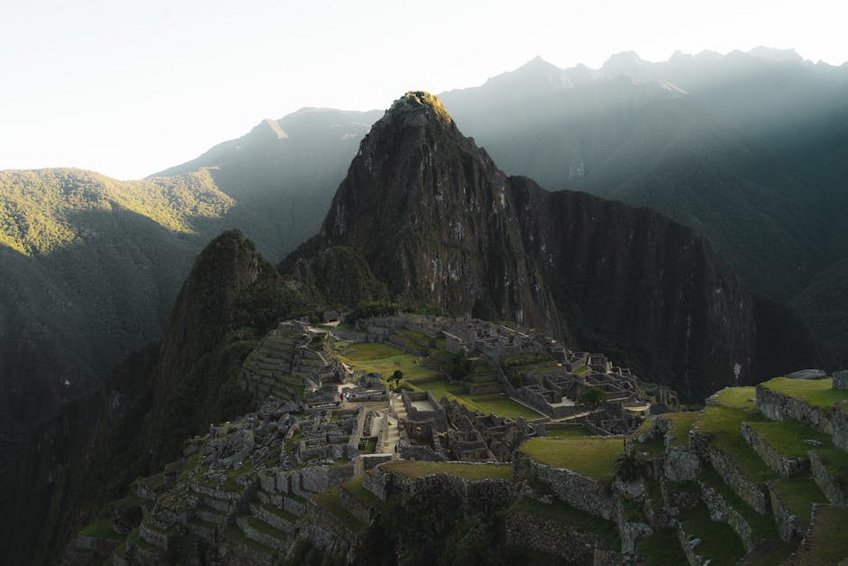
Peru Machu Picchu January Rainy Season Adventure Guide
Visiting Machu Picchu during the January rainy season offers a unique and profoundly different experience from the crowded dry months. You’ll encounter mist-shrouded ruins, vibrant green landscapes, and significantly fewer visitors, though this comes with the trade-off of frequent afternoon showers and potential trail closures. This guide provides the essential planning strategies, realistic expectations, and expert tips you need to successfully navigate your Peru Machu Picchu January rainy season journey, turning potential weather challenges into memorable advantages.
Essential Machu Picchu Climate and Seasonal Facts
January sits squarely in the heart of the Andean wet season, which typically runs from November through March. During this period, the weather is characterized by warm days with high humidity and consistent rainfall, primarily in the afternoons and evenings. Morning hours often provide a window of clearer weather, making early starts absolutely crucial for sightseeing and hiking.
Cusco, the gateway city to the ruins, experiences similar patterns with average daytime temperatures around 66°F (19°C) and nighttime lows near 46°F (8°C). The rainfall isn’t constant but comes in intense bursts that can last from 30 minutes to several hours. This seasonal shift dramatically affects trail conditions, visibility at the archaeological site, and the overall vibe of the Sacred Valley.
Understanding the Rainy Season Dynamic
The primary weather pattern involves clear, often sunny mornings followed by building cloud cover after midday. Precipitation typically peaks between 2 PM and 6 PM local time. This isn’t a gentle drizzle; these are substantial tropical downpours that can quickly turn paths muddy and create stunning, temporary waterfalls cascading down the mountains surrounding the Inca citadel.
What “Rainy Season” Actually Means for Travelers
For your itinerary, the rainy season translates to flexible plans and prioritized morning activities. Key access routes, like the train line from Ollantaytambo to Aguas Calientes, can experience occasional delays or cancellations due to landslides, though this is relatively rare. The famous Inca Trail is closed for maintenance every February, with January being the last month to hike it before the closure, meaning trails can be very muddy.
You must prepare for rapidly changing conditions. The microclimates around Machu Picchu are unpredictable, and you can experience sunshine, thick fog, and heavy rain all within the same hour. This variability is part of the adventure but requires strategic packing and scheduling to ensure you still see the iconic views you came for.
Advantages of a January Visit
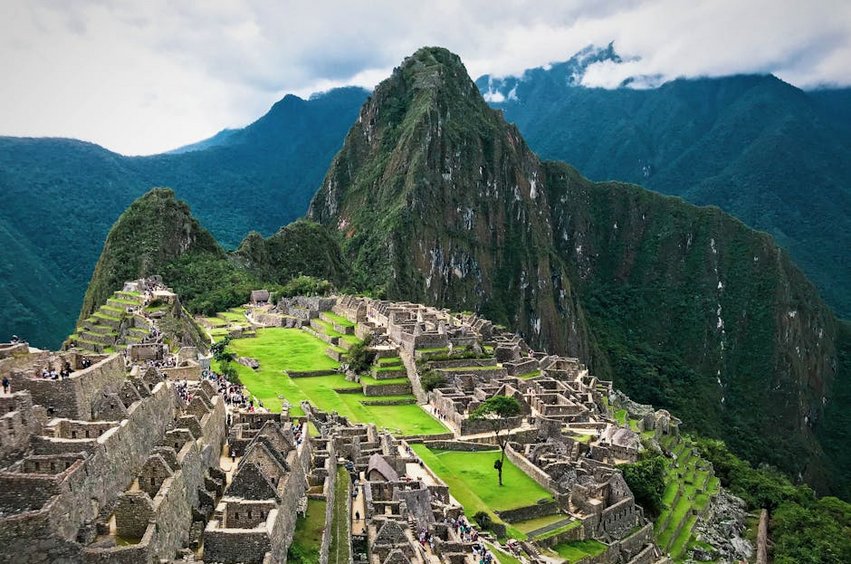
Despite the rain, visiting during this month has compelling benefits. Crowds are substantially thinner compared to the peak dry season (June-August). You can often enjoy moments of solitude at the ruins, a rare occurrence in busier months. The landscape is at its most lush and photogenic, with emerald-green terraces and flowers in bloom.
Accommodation prices in Aguas Calientes and Cusco are generally lower, and last-minute bookings are more feasible. The rain also cleans the air, resulting in incredibly clear views on those lucky sunny mornings, with vivid rainbows frequently appearing over the Urubamba River Valley.
Alt: “machu-picchu-january-misty-morning-inca-citadel-green”
Peru Machu Picchu January Rainy Season – Planning Your Trip
Successfully navigating a January visit hinges on smart, weather-aware planning. Your entire schedule should be built around the predictable pattern of morning clarity and afternoon rain. This means booking the earliest possible entry ticket to Machu Picchu (the first slot at 6 AM) and securing train tickets for morning arrivals into Aguas Calientes. Flexibility is your greatest asset, so avoid packing your itinerary too tightly.
Budget-wise, while flights to Cusco and base-level hotels may be cheaper, you should allocate funds for quality rain gear, potential last-minute transportation changes, and guided tours that can adapt to conditions. Consider travel insurance that specifically covers trip interruption due to weather, as landslides can occasionally disrupt road and rail travel in the region.
Acclimatization to altitude in Cusco remains critical, even in the rainy season. Plan for at least two full nights in Cusco (at 11,152 ft / 3,400 m) before attempting to visit the ruins or hike. Use this time to explore indoor sites like the Qorikancha temple or Cusco’s excellent museums if afternoon showers arrive.
Best Time to Visit Within January
The first half of January often sees slightly less cumulative rainfall than the second half, as the wet season progressively intensifies. Target travel dates in early to mid-January if possible. Daily strategy is more important than the specific week: you must be at the citadel’s entrance the moment it opens at 6 AM to maximize the dry morning window.
By 11 AM, clouds typically begin to gather, and rain can start by 1 PM. This pattern is consistent enough to plan around. Historically, there are also occasional “veranillo” (little summer) periods of drier weather that can last a few days, but these are unpredictable and should not be relied upon for your core plans.
Budget Planning and Costs
Your overall budget will see savings on lodging but should include a buffer for weather contingencies.
- Budget Traveler ($40-60/day ex-flights): Stay in hostels in Cusco’s San Blas area, use colectivo vans instead of tourist trains for part of the journey, and bring all your own snacks and gear. Machu Picchu entry tickets are a fixed cost (~$45 USD), so savings come from transport and food.
- Mid-Range Traveler ($100-150/day ex-flights): This allows for comfortable hotels in Cusco and Aguas Calientes, Vistadome or Expedition class train tickets, and a guided tour of the ruins. You can afford taxis in Cusco and better meals, which is welcome after a wet day of exploring.
- Luxury Traveler ($300+/day ex-flights): Stay at top-tier hotels like Belmond Sanctuary Lodge right at the ruins’ entrance. Enjoy private guided tours with early exclusive access, fine dining, and helicopter tours over the Sacred Valley when weather permits. This level maximizes comfort and minimizes weather hassles.
- Peru Travel Official Tourism Board
- Official Machu Picchu Management Unit
Essential Preparation Checklist
Packing correctly is non-negotiable for a January visit. Your kit must handle warm humidity, cold mountain air, and torrential rain. Essential clothing includes a waterproof and breathable jacket with sealed seams, quick-dry hiking pants, moisture-wicking base layers, and sturdy, broken-in waterproof hiking boots with excellent grip for muddy stone steps.
Beyond clothing, bring multiple dry bags or ziplocks for electronics, trekking poles for stability on wet paths, a headlamp for pre-dawn starts, and high-SPF sunscreen (the Andean sun is strong even in cloudy weather). Document-wise, you must book your Machu Picchu ticket and train tickets WELL in advance online, even in rainy season, as daily visitor limits still apply.
Experiencing the Citadel and Key Activities
The atmosphere at Machu Picchu in January is mystical and dynamic. The famous postcard view from the Guardhouse can be completely obscured by fog one minute and then dramatically clear the next as clouds swirl through the mountains. This ever-changing scene is a photographer’s dream but requires patience. Focus on exploring the intricate stonework and architecture of the Temple of the Sun and Intihuatana stone up close when vistas are hidden.
Guided tours become even more valuable in the rainy season, as knowledgeable guides can lead you to sheltered areas during downpours and explain the advanced Inca drainage systems that are actively working around you. They also know the best vantage points that might catch a break in the clouds. Allocate 4-5 hours on-site to wait for optimal viewing conditions.
Must-See Highlights in Wet Conditions
Prioritize the interior structures when rain is heavy. The Temple of the Three Windows and the Royal Tomb offer partial cover and fascinating history. The climb to the Sun Gate (Inti Punku) is challenging and potentially slippery when wet, but if the weather breaks, it provides a breathtaking panoramic view of the entire complex shrouded in mist.
If you secure a ticket for Huayna Picchu or Machu Picchu Mountain (book these months ahead), be extremely cautious. The steep stone steps become treacherous when wet. These climbs are often closed temporarily during heavy rain for safety. The views from these peaks, when accessible and clear, are spectacular, offering a dramatic perspective of the citadel amidst swirling clouds.
Alternative Activities for Rainy Afternoons
When afternoon rains make exploring the ruins unpleasant, Aguas Calientes offers worthy alternatives. Visit the Manuel Chávez Ballón Museum at the base of the mountain to understand the archaeology and history in depth. Relax in the town’s many hot springs (Aguas Termales), which are especially appealing in cool, drizzly weather.
Consider a visit to the nearby Mandor Gardens or a hike to the smaller but interesting Putucusi Mountain, if trails are open. This is also an ideal time to sample local Peruvian cuisine in the town’s restaurants, enjoying a leisurely lunch of lomo saltado or fresh trout while waiting for a weather window.
Photography Tips for the Rainy Season
The soft, diffuse light of a cloudy day is ideal for capturing details without harsh shadows. Use a polarizing filter to reduce glare from wet stones and enhance the vibrant greens. Protect your camera with a dedicated rain cover or even a simple plastic bag. Embrace the moody atmosphere—shots of ruins peeking through mist can be more powerful than standard sunny vistas.
Practical Travel and Logistics Information
Transportation requires careful planning. The standard route involves flying into Cusco (CUZ), spending nights acclimatizing, traveling by train from Ollantaytambo to Aguas Calientes, and then taking a bus up to the ruins. In January, always check the status of the railway the night before your scheduled departure, as PeruRail and Inca Rail will announce delays or cancellations via email if landslides occur.
Accommodation in Aguas Calientes should be booked for at least one night before your Machu Picchu visit to ensure you can catch the first buses up the mountain. Staying in Cusco the night after your visit is also wise, as afternoon train delays can cause you to miss evening flights out of Cusco.
| Transport Option | Route & Details | Price Range (USD) |
|---|---|---|
| Expedition Train | Ollantaytambo to Aguas Calientes (round-trip), basic comfortable service with snack. | $130-$180 |
| Vistadome Train | Same route, with larger windows, slightly better service, and light entertainment. | $180-$250 |
| Sacred Valley Bus + Train | Tourist bus from Cusco to Ollantaytambo, then connecting train. Saves time. | $70-$100 (bus portion) |
| Machu Picchu Bus | Round-trip ticket from Aguas Calientes to the citadel entrance (mandatory ride). | $24 |