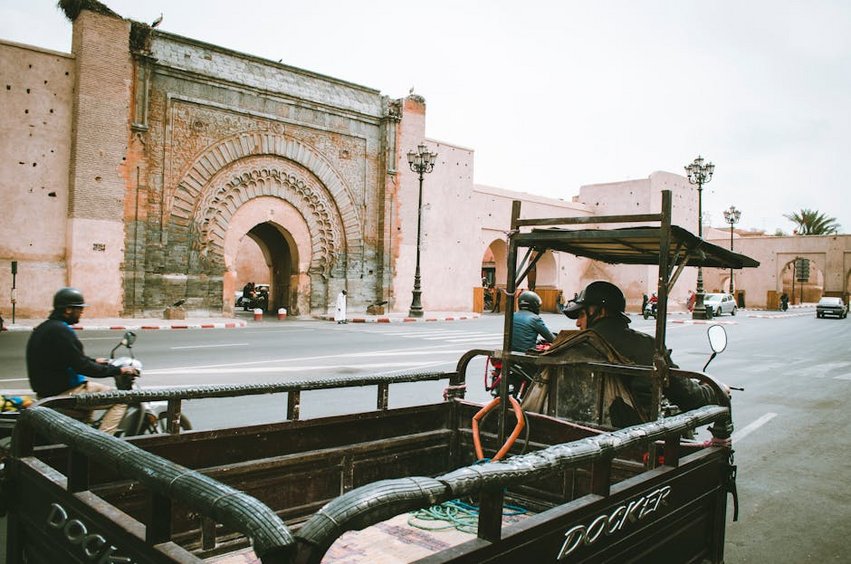
Morocco Marrakech January Climate: Your Winter Sun Escape
Marrakech’s January climate offers a surprisingly mild and sunny retreat from harsh northern winters, with daytime highs that encourage exploration and cool, crisp evenings perfect for cozying up in a riad. You’ll experience clear blue skies, minimal rainfall, and comfortable conditions ideal for sightseeing without the intense heat of summer or the peak season crowds. This guide details everything you need to know about weather patterns, what to pack, and how to plan your activities to make the most of your winter visit.
Essential Winter Weather Information
January sits firmly in Marrakech’s winter season, characterized by a significant temperature drop from the daytime to the night. The city enjoys a semi-arid climate, meaning rainfall is possible but infrequent, with an average of just over an inch for the entire month. You can expect around seven hours of daily sunshine, providing ample light for discovering the Medina and its gardens.
While snow is exceptionally rare in the city itself, the majestic Atlas Mountains visible in the distance are often capped with snow. This creates a stunning visual backdrop for your photographs. The contrast between the red city walls and the white peaks is a signature winter sight.
Understanding Temperature Ranges
Daily temperature fluctuations are the key feature of a Marrakech winter. The difference between day and night can feel quite pronounced.
- Daytime highs typically reach a pleasant 64-68°F (18-20°C), perfect for walking tours and outdoor cafe visits without breaking a sweat.
- Nighttime lows can dip to a chilly 41-46°F (5-8°C), requiring warm layers, especially if your riad lacks central heating.
- Real-feel temperatures in the shade or after sunset will be cooler, making a warm jacket essential for evening outings.
- Budget: $800-$1,200 total. Includes hostel or budget riad stays, street food and local cafes, public transit, and free walking tours. Focus spending on a few key paid attractions like the Ben Youssef Madrasa.
- Mid-Range: $1,500-$2,500 total. Covers a charming central riad with breakfast, mid-range restaurant meals, occasional taxi rides, and guided tours to the Atlas Mountains or a desert agafay trip.
- Luxury: $3,000+ total. Features 5-star palace hotels or luxury villas with pools, fine dining, private drivers and guides, and spa treatments at renowned hammams like La Mamounia.
- Moroccan National Tourist Office (ONMT)
- UK Met Office – Morocco Climate Data
Sunshine, Rain, and Daylight Hours
January is one of the sunnier winter months in Morocco, with a high probability of clear days. Rainfall, when it occurs, usually comes in short, sporadic showers rather than prolonged downpours. An umbrella is a wise precaution, but you likely won’t need it daily.
The city receives approximately seven hours of sunlight per day, with sunrise around 8:15 AM and sunset near 6:45 PM. This provides a full day for activities, though planning is wise to maximize daylight in the cooler hours. Mornings and late afternoons offer the softest light for photography.
Regional Microclimates and Variations
While Marrakech itself is mild, conditions change dramatically with elevation. A day trip to the Ourika Valley in the High Atlas Mountains will be significantly colder. You’ll need proper winter gear for mountain excursions.
Coastal cities like Essaouira, a popular side trip, are windier and more humid in January, with cooler average temperatures. Pack a windbreaker if visiting the coast. The interior and desert regions beyond Marrakech experience even greater daily temperature extremes.
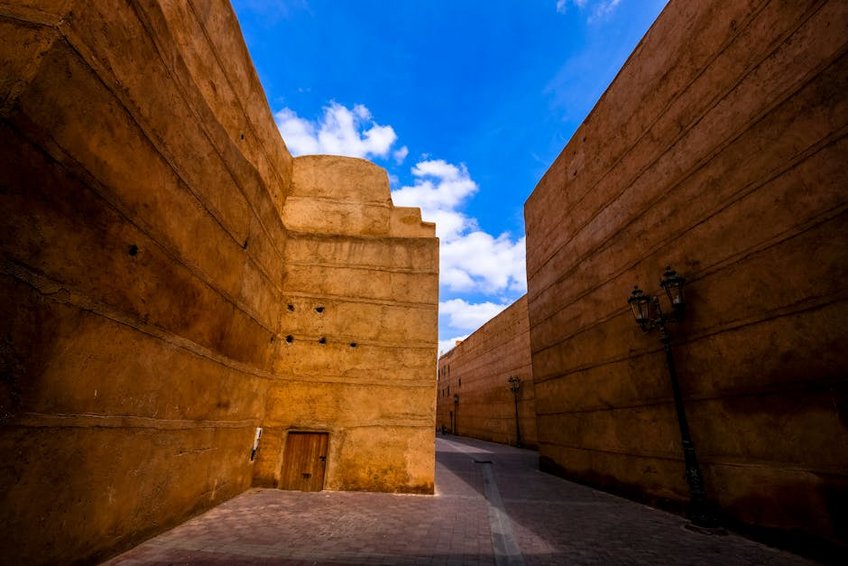
Alt: “marrakech-january-winter-sunshine-medina-square”
Morocco Marrakech January Climate – Planning Your Trip
Planning a visit around the Morocco Marrakech January climate requires a strategic approach to packing and scheduling. You’ll want to layer clothing to adapt to the wide daily temperature swing. Booking a riad with heating or a fireplace can transform your evening comfort after a day of exploration.
This month is part of the tourist shoulder season, meaning better prices on flights and accommodations compared to the spring and fall peaks. You’ll encounter fewer crowds at major sites like the Jardin Majorelle and the Bahia Palace. However, some smaller shops or restaurants may have reduced hours.
The mild weather is ideal for active exploration but demands respect for the cool evenings. Your itinerary should front-load outdoor activities for the warmest midday period. Save indoor museums, hammam visits, and shopping in covered souks for the cooler mornings or late afternoons.
Best Time to Visit for Ideal Conditions
The absolute best window within January is typically the second and third weeks. Early January can still see residual holiday travelers and slightly cooler averages. Late January begins the gradual warming trend toward spring.
Daily, the ideal sightseeing hours are between 10:00 AM and 4:00 PM when solar warmth is at its peak. Mornings before 10:00 AM are crisp, often requiring a jacket. By scheduling desert tours or mountain trips for the middle of your stay, you allow your body to acclimate to the regional climate first.
Budget Planning and Costs
January offers good value, with prices lower than peak seasons. Here’s a typical breakdown for a one-week trip for two.
Essential Preparation Checklist
Packing is crucial for comfort. Your suitcase must accommodate both sunny days and cold nights. Focus on versatile layers like thermal base layers, fleece sweaters, and a packable down jacket.
Essential gear includes a sturdy pair of walking shoes for uneven Medina streets, a sun hat and sunglasses for bright days, and a reusable water bottle. Don’t forget a universal power adapter (Type C/E) and a portable power bank for navigation. Confirm your travel insurance covers medical care and trip interruptions.
Top Attractions and January Activities
The pleasant daytime weather makes January perfect for exploring Marrakech’s extensive outdoor and garden sites. The famous Jemaa el-Fnaa square is less overwhelming, allowing you to absorb its energy more comfortably. Long walks through the historic Medina are enjoyable without the exhausting summer heat.
This is also an excellent time for day trips to surrounding valleys where waterfalls may flow stronger from mountain snowmelt. The cooler temperatures make activities like camel riding in the Palmeraie or the Agafay Desert more comfortable. Evening cultural performances, such as dinner shows, are popular as the night chill sets in.
Must-See Highlights in Winter
The Jardin Majorelle, with its vibrant blue structures, is stunning against winter’s softer light and sees shorter lines. The nearby Yves Saint Laurent Museum provides a warm, indoor cultural interlude. Allocate 2-3 hours for this combined visit.
The Bahia Palace and El Badi Palace offer vast courtyards and intricate rooms to explore in the midday sun. The Saadian Tombs, sheltered within a mosque complex, are another perfect winter visit. Expect to pay between $5-$10 USD entry per major site, often with combined tickets available.
Hidden Gems and Local Favorites
Venture to the Le Jardin Secret, a restored riad garden that’s quieter than Majorelle but equally beautiful. The tranquil Cyber Park near the new city is a local spot for a sunny afternoon stroll. For a unique experience, visit the Maison de la Photographie to see historical images of Morocco in a cozy gallery.
Explore the Mellah, the historic Jewish quarter, for a different perspective on the city’s history. The bustling local markets outside the main tourist souks, like the spice market near Rahba Kedima, offer authentic interaction. These areas feel more genuine in the calmer winter season.
Atlas Mountain Excursions
January is prime for seeing the snow-dusted peaks of the High Atlas. Day trips to the Ourika or Imlil valleys are spectacular, but require warm clothing and proper shoes. You can enjoy mint tea in a Berber home with a stunning winter mountain view.
Guided hikes are still possible at lower altitudes, but conditions can be icy. Always check with local guides about trail safety. This excursion highlights the dramatic climatic variety within a short drive from Marrakech’s mild winter weather.
Practical Travel Information for Winter
Winter travel to Marrakech requires specific logistical planning, particularly regarding accommodation warmth and transportation. While the days are sunny, not all traditional riads have effective heating systems. Prioritize accommodations that explicitly mention heating, fireplaces, or heated pools for evening comfort.
Transportation is reliable, but morning starts can be delayed by colder temperatures and occasional fog. Private drivers or pre-booked tours ensure a warm, punctual start to day trips. Within the city, petite taxis are plentiful and affordable for quick trips when the evening chill arrives.
| Accommodation Type | Key January Features | Price Range/Night (USD) |
|---|---|---|
| Budget Riad | Basic rooms, shared bathrooms, may have space heaters; often centrally located in Medina. | $30 – $60 |
| Mid-Range Riad/Hotel | Private bathrooms, interior courtyard, fireplace in common area, breakfast included, sometimes pool heating. | $80 – $150 |
| Luxury Hotel/Riad | Full central heating, heated pools, spa & hammam on-site, multiple fireplaces, fine dining restaurants. | $200 – $500+ |
| Villa/Apartment Rental | Full kitchen, living space, potential for individual AC/heat units; good for longer stays or families. | $100 – $300 |