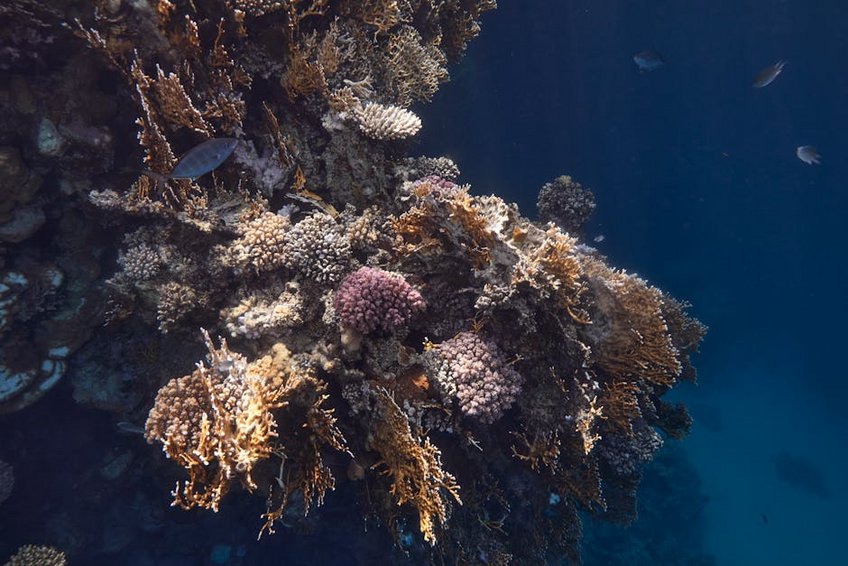
Hurghada January Diving Season: Your Ultimate Underwater Escape
The Hurghada January diving season offers a unique and surprisingly vibrant window into the Red Sea’s world-class marine ecosystems. While European winters bring cold and grey, Egypt’s premier resort city delivers consistent underwater visibility exceeding 30 meters (100 feet) and comfortable sea temperatures. This guide details how to maximize your scuba or snorkeling adventure, from selecting the best liveaboards to encountering majestic pelagic life in the calm winter seas.
Essential Red Sea Diving Information
Hurghada serves as the gateway to Egypt’s northern Red Sea reefs, a region famed for its accessibility and biodiversity. The city’s coastline and nearby islands protect numerous dive sites suitable for all skill levels, from gentle sandy slopes to thrilling drift dives. January falls squarely within the region’s cool season, which significantly influences both marine life behavior and surface conditions.
The historical development of Hurghada from a small fishing village to a diving mecca began in the 1980s, driven by its proximity to pristine reefs. Today, its infrastructure is built around underwater tourism, with hundreds of dive centers, compressor stations, and boats dedicated to daily excursions. This ensures professional service but also means planning is key during popular periods.
Understanding Winter Dive Conditions
Knowing what to expect underwater ensures you bring the right gear and set proper expectations. January conditions are distinct from the peak summer months.
- Water temperature ranges from 22°C to 24°C (72°F to 75°F), making a 5mm to 7mm wetsuit or a semi-dry suit essential for comfort during multiple dives.
- Surface conditions can be breezy, but the sea state is generally manageable, with operators selecting leeward sites. Visibility often peaks due to reduced plankton.
- Air temperatures average 18°C to 22°C (64°F to 72°F), perfect for relaxing post-dive, though evenings require a light jacket or sweater.
- Budget Option ($800-$1,200): Includes budget flights, a simple hotel room in downtown Hurghada, and a 10-dive package with a reputable shore-based center. This plan involves using local transport and eating at local restaurants.
- Mid-Range Option ($1,500-$2,200): Covers direct flights, a full-board package at a 4-star resort with a house reef, and an unlimited diving package. This offers great value, convenience, and comfortable thermal protection rental.
- Luxury Option ($2,500+): Features a week on a premium liveaboard boat sailing to the Brothers, Daedalus, and Elphinstone reefs. This includes all meals, diving, and nitrox, providing access to the Red Sea’s most legendary sites.
- Egypt Tourism Authority
- Red Sea Governorate Official Portal
Marine Life Highlights in January
The cooler water attracts different species compared to summer. You are more likely to encounter larger fauna that prefer the slightly lower temperatures.
This is an excellent time for pelagic action. Oceanic whitetip sharks are frequently spotted around offshore reefs like Abu Ramada. Dolphins are also common, and the famous Thistlegorm wreck offers superb visibility for exploring its historical cargo. Meanwhile, reef residents like anthias, crocodilefish, and moray eels remain active on every coral garden.
Accessibility and Dive Site Types
Hurghada’s main advantage is the short boat ride to quality reefs. Sites are broadly categorized into three groups, each offering a different experience.
Local reefs such as Abu Ramada and Careless Reef are minutes from the marina, perfect for check-out dives or short day trips. The Giftun Island National Park area, a 30-minute ride, features stunning coral walls and lagoons. For advanced divers, a day trip or liveaboard to the Straits of Gubal or the Brother Islands unlocks world-class walls and shark encounters.
Alt: “hurghada-red-sea-winter-diving-coral-reef-fish”
Hurghada January Diving Season – Planning Your Trip
Strategic planning transforms a good dive trip into a great one. January is considered the cool season, so your preparation should focus on thermal protection and securing the best boats. Booking dive packages and accommodation at least two to three months in advance is advisable, especially for the first week of the month.
Your budget should account for gear rental if you’re not bringing your own, along with marine park fees and crew tips. While flight deals to Hurghada International Airport (HRG) can be found from Europe, a direct transfer to your resort or liveaboard departure point simplifies arrival. Ensure your travel insurance explicitly covers scuba diving to the depths you plan to explore.
Best Time to Visit for Diving
The absolute peak for the Hurghada January diving season is the first three weeks of the month. Early January often continues the excellent calm conditions found in December, with air temps around 21°C (70°F). The water remains a stable 23°C (73°F), and holiday crowds have typically diminished.
Late January sees similar conditions but can experience slightly more wind. However, this often pushes boats to different, equally spectacular sites. The month overall offers a superb balance of fewer divers, stellar visibility, and active marine life, making it a favorite among experienced underwater enthusiasts.
Budget Planning and Costs
A diving holiday budget breaks down into flights, accommodation, and diving packages. Here’s a realistic cost outline for a one-week trip.
Essential Preparation Checklist
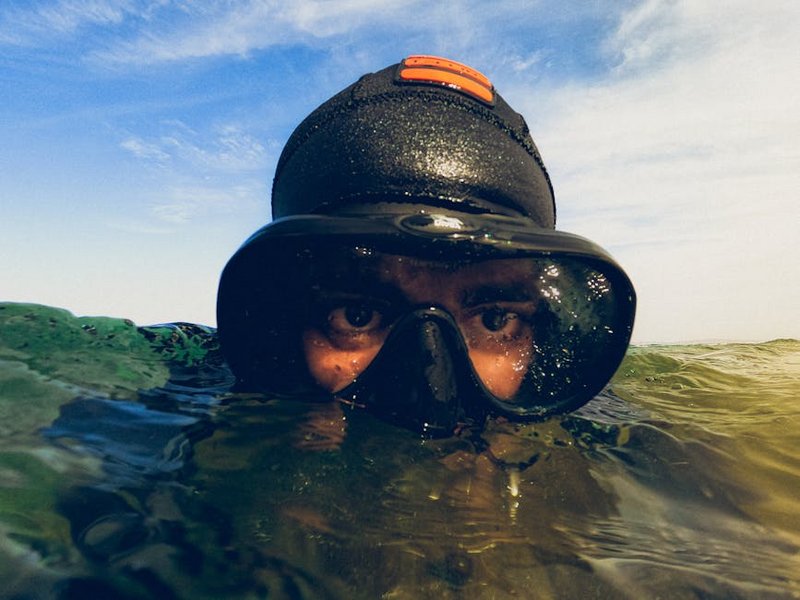
Packing correctly is crucial for winter diving comfort. Your main focus should be thermal insulation for multiple daily dives. A well-fitting 5mm wetsuit with a hood is the minimum; many divers prefer a 7mm or semi-dry suit. Bring your own mask, snorkel, and computer if you have them.
Logbooks and certification cards are mandatory for check-in. Secure a visa on arrival (for most Western passports) or an e-visa beforehand. Book airport transfers in advance to avoid hassles. Finally, pack lip balm and moisturizer, as the desert climate can be surprisingly drying after a day on the water.
Top Dive Sites and Offshore Adventures
Hurghada’s real magic lies just beyond its shoreline. The reef systems here are part of a larger marine ecosystem protected as part of the Red Sea Governorate’s conservation efforts. Each area offers a distinct topographic and biological signature.
From the gentle coral gardens perfect for novice snorkelers to the sheer walls descending into the blue abyss, there is a site for every comfort level. The consistent conditions in January allow operators to reliably reach a wider variety of locations compared to the windier spring months.
Must-See Highlights for Divers
Certain sites are quintessential to the Red Sea experience. The Giftun Islands offer sheltered reefs like Orange Bay and Paradise, known for soft coral formations and turtle encounters. A day trip here typically costs $50-$80 including lunch and two dives.
The wreck of the SS Thistlegorm, a WWII cargo ship, is a bucket-list dive. January visibility illuminates its holds full of motorcycles, trucks, and boots. This is an advanced dive due to depth and potential currents. Dolphin House is a shallow reef system where pods of spinner dolphins are regularly seen, ideal for snorkelers and divers alike.
Hidden Gems and Local Favorites
Venture beyond the standard day-trip itineraries for a more intimate experience. Small World is a lesser-known reef near Giftun with stunning coral pinnacles and huge anemone cities. It’s often skipped by the big boats.
For macro enthusiasts, the seagrass beds near the marina are surprisingly rich. You can find rare species like ghost pipefish and flamingo tongue snails. Ask local dive guides about “Police Station” or “Carless Reef” for reliable, uncrowded diving just minutes from the shore.
Liveaboard Expeditions from Hurghada
For serious divers, a liveaboard is the best way to experience the region’s iconic offshore reefs. These multi-day trips travel south to the marine parks of the Brothers Islands, Daedalus Rock, and Elphinstone.
These isolated reefs are known for strong currents, clear water, and pelagic sightings including sharks, mantas, and big tuna. January is a prime time for these trips, as the weather windows are favorable. A standard 7-night safari ranges from $1,200 to $2,500 depending on boat luxury and destination.
Practical Travel and Logistics Guide
Navigating Hurghada’s tourist infrastructure is straightforward with a little knowledge. The city is stretched along a coastal corridor, with the old downtown (El Dahar) in the north, the hotel strip (Sigala) in the center, and new luxury resorts extending south. Most dive centers are clustered in Sigala, near the main marinas.
Transport within the city is best done via taxis; always agree on a price before getting in. For greater freedom, consider renting a car, but be prepared for chaotic local driving styles. The local currency is the Egyptian Pound (EGP), but Euros and USD are widely accepted, especially for diving and tours.
| Category | Options/Features | Price Range (USD) |
|---|---|---|
| Shore Dive | Guided dive from a local house reef, tanks & weights included | $35 – $50 |
| Day Boat (2 Dives) | Trip to Giftun Islands, includes lunch, guide, and transport | $50 – $80 |
| Wreck Special (2 Dives) | Trip to Thistlegorm or similar, requires advanced certification | $80 – $120 |
| Liveaboard (Per Night) | All-inclusive safari to Brothers/Daedalus, nitrox often extra | $170 – $350 |