Bahrain January Formula 1 Tests: Your Ultimate Track Guide
Attending the Bahrain January Formula 1 tests is a unique winter opportunity for dedicated motorsport fans to witness the cutting edge of racing technology. These pre-season shakedowns at the Bahrain International Circuit offer the first real-world glimpse of new car designs, team dynamics, and driver lineups under the Middle Eastern sun. This guide covers everything from securing paddock access and spotting key drivers to planning your desert itinerary around the test schedule and weather.
Essential Pre-Season Testing Information
Pre-season testing is a critical phase where F1 teams evaluate their newly designed cars over several intense days. Unlike a Grand Prix weekend, the atmosphere is more technical and focused, with teams running various data collection programs. The sessions provide vital clues about car performance and potential grid standings for the upcoming championship season.
Held at the Bahrain International Circuit, the same venue as the season-opening Grand Prix, the tests offer a familiar layout for teams. The desert conditions present specific challenges, from track surface evolution to managing tire wear in the heat. Fans gain unprecedented access to see engineering in action before the competitive pressure of race weekends begins.
What Makes January Testing Special
January testing stands apart from the regular season for its unique, open atmosphere.
- You observe raw engineering work as teams push car components to their limits, often revealing unexpected reliability issues or pace.
- The driver lineup is fluid, with teams frequently rotating reserve and rookie drivers alongside their stars, offering a chance to see future talent.
- Access around the circuit grandstands is often more relaxed, allowing for different viewing angles and potentially closer paddock glimpses than during a crowded race.
- Budget Focus ($800-1200): Covers a 3-day test pass ($150), budget hotel in Muharraq ($70/night), rental car split ($30/day), and self-catering or local eateries ($25/day). Prioritizes track access over luxury.
- Mid-Range Comfort ($1500-2200): Includes VIP grandstand access ($300), a 4-star hotel in Manama ($120/night), private taxi transfers to circuit ($40/day), and dinners at mid-range restaurants ($50/day). Offers balance and convenience.
- Premium Experience ($3000+): Features exclusive paddock club hospitality ($1000+), 5-star beach resort accommodation ($250+/night), private driver, and fine dining. Provides unparalleled access and comfort alongside the testing action.
- Bahrain International Circuit Official Site
- Official Formula 1 Website
Key Details for Spectators
Test days typically run from morning until late afternoon, with a break for lunch. Entry is usually via specific grandstands, with the Main Grandstand offering the best views of the pit lane action. Ticket prices are significantly lower than for the Grand Prix, often ranging from $50 to $150 USD for a multi-day pass.
You should bring essentials like high-SPF sunscreen, a hat, and plenty of water, as January temperatures can still reach 75°F (24°C). Binoculars are highly recommended for reading team garage activity and identifying drivers in their helmets. The circuit is located in a remote desert area, so planning your transportation in advance is crucial.
The Bahrain International Circuit Layout
The 3.36-mile (5.412 km) “Grand Prix” circuit layout is used for testing, featuring 15 corners. The long straights into Turns 1 and 4 are prime spots for evaluating straight-line speed and braking stability. Sector 2’s technical, twisting section reveals a car’s aerodynamic balance and mechanical grip.
Different grandstands offer unique perspectives on these critical testing zones. The Turn 1 grandstand provides a dramatic view of heavy braking, while the Victory Grandstand overlooking the pit straight lets you monitor entry and exit times. The desert surroundings mean track conditions can change rapidly between morning and afternoon sessions.
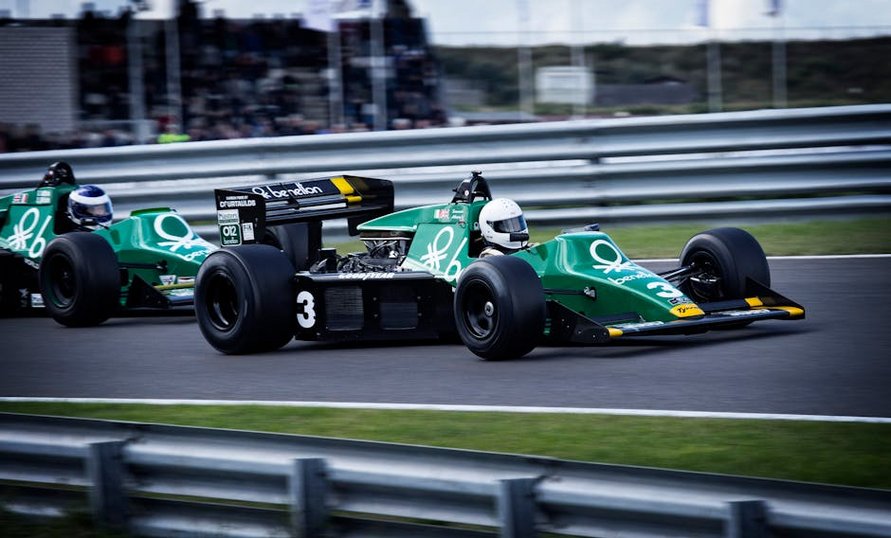
Alt: “bahrain-international-circuit-f1-testing-paddock-view”
Bahrain January Formula 1 Tests – Planning Your Trip
Your visit to the Bahrain January Formula 1 tests requires careful coordination around the provisional schedule, which is typically confirmed by the FIA in late December. Booking flights and accommodation the moment dates are announced is essential, as hotels in Sakhir and Manama fill quickly with team personnel and media. A multi-day test pass is the best value, allowing you to follow the narrative of each team’s progress.
Consider renting a car for maximum flexibility, as taxis to the remote circuit can be expensive and rideshares are less reliable. Budget around $40-60 USD per day for a compact rental car. Your daily track routine should account for the desert climate, with mornings being pleasantly cool around 60°F (16°C) and afternoons warming up considerably.
Build your itinerary to include evenings exploring Manama’s souqs and dining scene, as track action concludes by 5-6 PM. This balance lets you enjoy both the technical spectacle of the tests and the cultural offerings of Bahrain. Planning is the key to a seamless motorsport adventure in the Gulf.
Best Time to Visit for Testing
The testing window is fixed in late January, usually the week before the season-opening Bahrain GP. Daytime temperatures are ideal for both spectators and teams, averaging 68-75°F (20-24°C). Nighttime can be cooler, dipping to around 57°F (14°C), so a light jacket is advisable for evening activities.
This period avoids the extreme heat of the Bahrain summer and coincides with pleasant tourist season weather across the Gulf. You will experience minimal rainfall and long sunny days perfect for track viewing. It is the optimal climate for teams to conduct rigorous performance evaluations ahead of the long season.
Budget Planning and Costs
A trip for the winter tests can be tailored to different spending levels.
Essential Preparation Checklist
Secure your test tickets online as soon as sales open, usually via the Bahrain International Circuit’s official website. Book refundable flights to Manama (BAH) and accommodation near the circuit or along the King Hamad Highway for easy access. Ensure your passport has at least six months’ validity remaining.
Pack for variable desert conditions: light, breathable clothing, a sun hat, sunglasses, and sturdy walking shoes for the circuit grounds. Bring a universal power adapter (Type G), as Bahrain uses 230V. Download useful apps like the BIC official app for schedules and Google Maps for offline navigation around Sakhir.
Top Attractions and Track Activities
Beyond watching the cars on track, the Bahrain International Circuit offers several fan engagement opportunities during test days. The BIC Experience often runs guided tours of the facility, including the paddock and media center, when track action is quiet. The circuit’s karting track is also frequently open to the public in the evenings for those wanting their own taste of speed.
The on-site Victory Circle cafe and restaurants remain open, providing spots to discuss the day’s timings with fellow enthusiasts. Many fans enjoy “spotting” team personnel and journalists in the fan zones, creating a more intimate atmosphere than the Grand Prix. The lack of overwhelming crowds makes it easier to absorb the technical details of the sport.
Must-See Testing Highlights
The pit lane is the undeniable center of action. Watching the choreography of practice pit stops, where crews rehearse sub-two-second tire changes, is mesmerizing. Teams also conduct aerodynamic flow-vis tests, spraying fluorescent paint on car parts to study airflow, creating unique photo opportunities.
Focus on specific team garages to spot new technical innovations, like novel front wing designs or sidepod inlets, which are often hidden later in the season. The start of a long run simulation is a key moment, where a car does dozens of consecutive laps to assess tire degradation and fuel mileage. Listening to team radio scanners can provide insightful snippets of driver feedback.
Hidden Gems and Local Favorites
Venture to the outer perimeter of the circuit near Turns 9-10. This area often has fewer spectators and offers a panoramic view of cars navigating the technical sequence. The desert landscape here also makes for dramatic photography, especially during the golden hour after testing ends.
In the evenings, skip the hotel buffet and head to Block 338 in Manama for a concentrated area of trendy cafes and international restaurants. For a truly local experience, visit the Muharraq souq for traditional Bahraini sweets and Arabic coffee. These spots provide authentic cultural counterpoints to the high-tech world of F1 testing.
Photography Tips for Test Days
Use a telephoto lens (200mm minimum) to capture detailed shots of the cars and driver close-ups from the grandstands. A polarizing filter will help manage the glare from the desert sun on the track surface. For panning shots that blur the background, try a shutter speed between 1/100th and 1/250th of a second.
The best light for photography occurs in the early morning and late afternoon when the sun is lower, creating longer shadows and richer colors. Scout your positions during breaks to find unique angles without security restrictions. Remember to charge all batteries the night before, as power outlets at the circuit are scarce.
Practical Travel Information
Bahrain is well-connected via Bahrain International Airport (BAH), with direct flights from major European and Middle Eastern hubs. Upon arrival, visa-on-arrival is available for US, UK, EU, and Canadian passport holders for a fee of approximately $30 USD. The Bahraini Dinar (BHD) is the local currency, but credit cards are widely accepted in Manama and at the circuit.
Staying in Manama provides the widest range of dining and nightlife options, but requires a 30-45 minute drive to the circuit each day. Hotels in Sakhir or Zallaq are much closer to the track but offer fewer amenities. Rideshare apps like Careem operate reliably, but having your own rental car provides the greatest freedom for exploring the island.
| Accommodation Area | Pros and Cons | Price Range/Night (USD) |
|---|---|---|
| Manama (City Center) | Best dining/nightlife, more hotel choices. Longer commute to track (45 min). | $80 – $200+ |
| Sakhir (Near Circuit) | Extremely short drive to track (5-10 min). Very limited amenities and dining. | $100 – $180 |
| Juffair (Expat Area) | Lively with many restaurants, moderate commute (30 min). Can be noisy. | $70 – $150 |
| Zallaq (Beach Resorts) | Luxury resort experience, relaxing. Farthest commute (50+ min). | $200 – $500+ |