

India Goa January Beach Festivals
January in Goa transforms the sun-drenched coastline into a vibrant epicenter of music, dance, and cultural celebration, perfectly timed with the peak of the dry season. The India Goa January beach festivals are not singular events but a constellation of gatherings, from the globally recognized Sunburn Festival to the rich cultural immersion of the Goa Carnival and the spiritual spectacle of Shigmo. You experience warm, post-monsoon days averaging 86°F (30°C) with minimal humidity, creating an ideal climate for exploring golden beaches by day and dancing under the stars at night. This guide details the festival lineup, provides practical travel planning, and offers insider tips to help you navigate the season’s energy and crowds for a memorable coastal holiday.
Goa in January: Essential Travel Information
January marks the absolute peak of Goa’s tourist season, attracting a diverse mix of international festival-goers, domestic vacationers, and long-term travelers escaping colder climates. The weather is exceptionally reliable, with virtually zero rainfall, low humidity, and daily highs consistently between 82-90°F (28-32°C). This consistency makes it perfect for both beach lounging and all-night events. However, this popularity means prices for flights and accommodations are at their annual peak, and popular venues require advance booking.
Crowds flock primarily to North Goa’s beaches like Baga, Calangute, and Anjuna for their vibrant nightlife and major festival stages. South Goa, including beaches like Palolem and Agonda, offers a comparatively serene atmosphere with luxury resorts and family-friendly spaces. The month is defined by a non-stop social calendar, blending international electronic music with centuries-old Portuguese-inspired traditions and Hindu religious parades, creating a unique cultural tapestry.
Understanding Goa’s Dual Festival Season
January in Goa is unique because it hosts both contemporary music festivals and traditional cultural celebrations simultaneously.
- The modern festival scene, led by Sunburn, features international DJs, massive stage productions, and a primarily tourist and young Indian crowd, centered around the Vagator and Arpora regions.
- The traditional cultural season includes the Goa Carnival, a legacy of Portuguese rule with street parades, floats, and masked balls, and Shigmo, a Hindu spring festival with folk dances, elaborate costumes, and religious processions that occur in villages and towns.
- This duality allows you to design an itinerary that mixes pulsating electronic beats with authentic local color, offering a much fuller experience of Goan life beyond the beach shacks.
- Budget Traveler ($40-70 USD/day): Stay in hostels or basic guesthouses away from prime beaches, eat at local eateries (thali meals), use public buses, and attend free beach parties or smaller events. Major festival tickets will be your biggest single expense.
- Mid-Range Traveler ($100-200 USD/day): This covers comfortable hotels or homestays in North or South Goa, scooter rental, a mix of restaurant dining, and tickets to one or two major festivals. You’ll have flexibility to take taxis at night and enjoy some guided tours.
- Luxury Traveler ($300+ USD/day): Luxury resorts in South Goa or boutique villas in North Goa, private car with driver, fine dining, VIP festival tickets with exclusive areas, and spa treatments define this tier. Booking through a travel concierge is highly recommended.
- Goa Tourism Development Corporation
- Sunburn Festival Official Website
Key Details on Weather and Geography
The Arabian Sea maintains a pleasant water temperature, and the clear skies are perfect for photography and water sports. Mornings and evenings are comfortably cool, often requiring a light sweater. The coastal belt is where all the action is, but venturing inland to Old Goa’s churches or the spice plantations in the Sahyadri foothills provides a refreshing change of scenery. Major festival venues are concentrated in North Goa, so choosing your accommodation location is the most critical logistical decision you will make.
Public transportation, mainly buses and taxis, becomes heavily congested. Renting a scooter provides flexibility, but traffic near major venues can be intense. The monsoon rains have long since ceased, leaving the landscape lush and green from October onwards, which beautifully frames the white-sand beaches and provides stunning backdrops for the colorful festival parades and events.
Cultural and Historical Context
Goa’s festival culture is deeply rooted in its history as a Portuguese colony for over 450 years and its strong Hindu traditions. The Carnival is a direct import from Portuguese festivity, while Shigmo aligns with Holi celebrations across India. The modern music festival boom began in the 2000s, positioning Goa as India’s premier party destination. This blend creates a destination where you can watch a Catholic-themed float parade by day and attend a trance music beach party at night, all within a few miles.
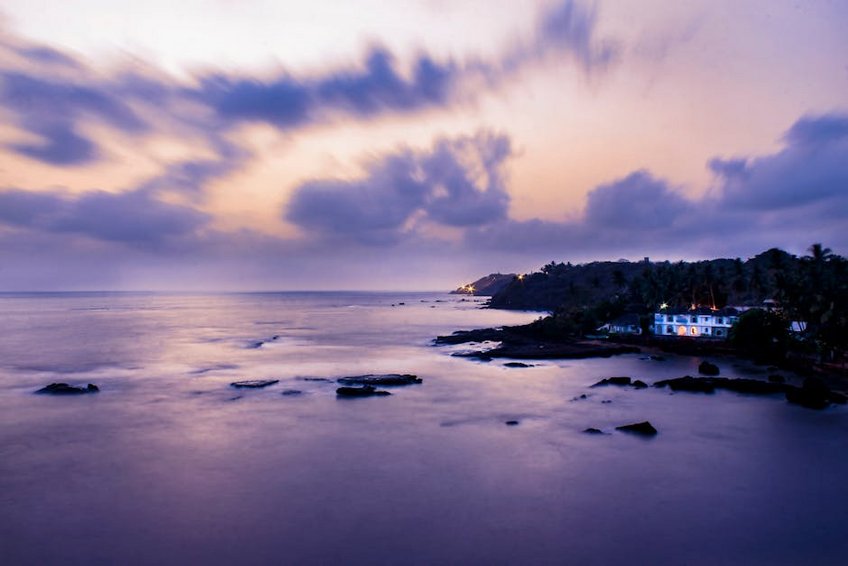
Alt: “goa-january-beach-festival-crowd-sunset-vagator”
India Goa January Beach Festivals – Planning Your Trip
Strategic planning is non-negotiable for a January visit focused on the beach festival scene. You must book international flights and accommodations at least three to four months in advance, as prices skyrocket and availability vanishes closer to the date. Focus your lodging search based on your preferred festival mix; North Goa for electronic music and high energy, South Goa for relaxation with festival day-trips, or Panaji for easy access to the Carnival parades. Your daily budget will need to account for premium costs across the board.
A successful India Goa January beach festivals experience hinges on balancing pre-planned events with spontaneous exploration. Purchase major festival tickets directly from official websites to avoid scams. Allocate days for recovery between major events, perhaps exploring Old Goa’s UNESCO sites or taking a backwater cruise. Packing should include festival gear, respectful clothing for temple visits, and essential sun protection, as the January sun remains strong.
Best Time to Visit for the Festival Season
The core festival period runs from late December through the end of January. The first week of January often features Carnival preview events and smaller music parties. The peak festival weekends typically occur in the second or third week, when Sunburn and other large events are scheduled. Visiting in early January allows for slightly better deals and fewer crowds before the main events, while late January might catch the concluding festivities and Shigmo parades.
Shoulder seasons like November-December or February-March offer similar weather with fewer crowds and lower prices, but you will miss the major January-specific events. For the full, concentrated festival experience, committing to January is essential. Expect daytime temperatures between 82-90°F (28-32°C) and nighttime lows around 68°F (20°C), requiring a light layer for evening beach parties.
Budget Planning and Costs
January is Goa’s most expensive month. Your budget must be segmented carefully.
Essential Preparation Checklist
Secure your Indian e-visa well in advance, as processing times can lengthen during peak travel periods. Comprehensive travel insurance that covers festival attendance and potential illness is crucial. Packing essentials include high-SPF sunscreen, a reusable water bottle, earplugs for loud events, comfortable sandals, a mix of festival wear and modest clothing for temples, a power bank, and a universal plug adapter (India uses 230V, Type D/M sockets).
Book your airport transfer from Goa International Airport (GOI) in advance to avoid inflated taxi fares upon arrival. Download offline maps (Google Maps or Maps.me) and ride-hailing apps like GoaMiles. Inform your bank of international travel and carry a mix of cash (Indian Rupees) and international credit/debit cards, though ATMs are widely available. A basic first-aid kit with remedies for stomach issues is also wise.
Top Attractions and Festival Activities
Beyond the main stage, Goa’s January allure lies in its variety. The beaches themselves are the primary daytime venues, with shacks offering food, drinks, and often hosting smaller sound systems. Water sports like parasailing, jet-skiing, and dolphin-watching tours are in full operation. Inland, the UNESCO World Heritage churches and convents of Old Goa, like the Basilica of Bom Jesus, offer profound historical contrast to the coastal frenzy.
Spice plantation tours in the Ponda region provide a sensory escape, while a cruise along the Mandovi River at sunset showcases Panaji’s scenic beauty. For a unique cultural experience, visit a local village during Shigmo to see folk performances like the Ghode Modni (horse dance) or the Romtamel. The Anjuna Flea Market and the Saturday Night Market in Arpora become even more vibrant hubs for shopping, food, and live music during the festival season.
Must-See Festival Highlights
Sunburn Festival is the colossal centerpiece, typically held over 3 days in Vagator. It features multiple stages with world-class electronic music acts, enormous art installations, food zones, and camping options. The Goa Carnival, with its main parade in Panaji, is a explosion of color, music, and satire with elaborate floats and performers, culminating in the Red-and-Black dance ball.
Shigmo parades are visually stunning, with participants dressed as deities and mythological characters, accompanied by traditional drumming. Smaller but beloved events include the Hilltop music parties in Vagator and various New Year’s extension parties that continue through the month. Each offers a distinct vibe, from commercial EDM to psychedelic trance and live bands.
Hidden Gems and Local Favorites
Escape the North Goa crowds by visiting the more secluded Arambol Sweetwater Lake, a freshwater lagoon at the end of Arambol beach. For a traditional Shigmo experience, head to the villages of Parcem or Pernem instead of the bigger town parades; the celebrations are more intimate and community-focused. Attend a live Goan music night at a restaurant in Panaji’s Fontainhas Latin Quarter to hear authentic Fado-influenced tunes.
Explore the Cabo de Rama fort in South Goa for breathtaking cliffs and solitude. Visit the Sahakari Spice Farm not just for a tour, but for their traditional buffet lunch served on banana leaves. For a unique beach day, try Butterfly Beach near Palolem, accessible only by boat or a moderate hike, offering a chance to see dolphins and often a serene escape from festival noise.
Wellness and Recovery Activities
Pacing yourself is key. Goa has a renowned wellness scene, perfect for post-festival recovery. Book a yoga class at one of the many shalas in Assagao or Mandrem. Treat yourself to an Ayurvedic massage or detox treatment at a certified center. A silent early morning walk on a South Goa beach like Agonda or Patnem can be profoundly restorative after nights of loud music.
Practical Travel Information and Logistics
Navigating Goa in January requires patience and planning due to the influx of visitors. Accommodation prices can double or triple compared to the offseason. The most convenient airports are Dabolim’s Goa International Airport (GOI) in the south, with good domestic connectivity, and the newer Manohar International Airport (GOX) in the north, which is expanding its flight network. Upon landing, pre-booked taxis or app-based cabs are the most reliable transfer options to your hotel.
For getting around, rented scooters or motorbikes offer maximum freedom but demand defensive driving. Auto-rickshaws and taxis are plentiful but always agree on a fare before starting a journey; using the GoaMiles app ensures metered rates. Local buses are extremely cheap but can be slow and overcrowded. If visiting multiple far-flung festivals, consider hiring a car with a driver for the day.
| Accommodation Type | Location & Features | Price Range/Night (USD) |
|---|---|---|
| Hostels & Guesthouses | Anjuna, Arambol; dorm beds or basic private rooms, social atmosphere | $10 – $30 |
| Mid-Range Hotels | Calangute, Candolim; AC, pool, often near beach, breakfast included | $60 – $150 |
| Boutique Hotels/Homestays | Assagao, Fontainhas; characterful design, personalized service | $100 – $250 |
| Luxury Resorts | South Goa (Cavelossim, Mobor); private beach, multiple pools, fine dining | $250 – $600+ |


