Cambodia Angkor Wat January Visit: Ultimate Weather and Crowd Guide
A January visit to Cambodia’s Angkor Wat offers the pinnacle of comfortable exploration weather, with sunny skies and minimal rainfall creating ideal temple-hopping conditions. This dry season window provides cooler temperatures and lower humidity compared to the sweltering months, allowing for full days of discovery without excessive fatigue. This guide details how to maximize your winter trip, from securing sunrise views to navigating the famed temple complex efficiently.
Essential Angkor Wat Historical and Cultural Context
Angkor Wat stands as the world’s largest religious monument, originally constructed in the early 12th century as a Hindu temple dedicated to Vishnu. The sprawling complex later transformed into a Buddhist site, symbolizing the cosmic Mount Meru with its iconic five-tower silhouette. Understanding this spiritual and architectural legacy enriches every step through its sandstone galleries and bas-reliefs.
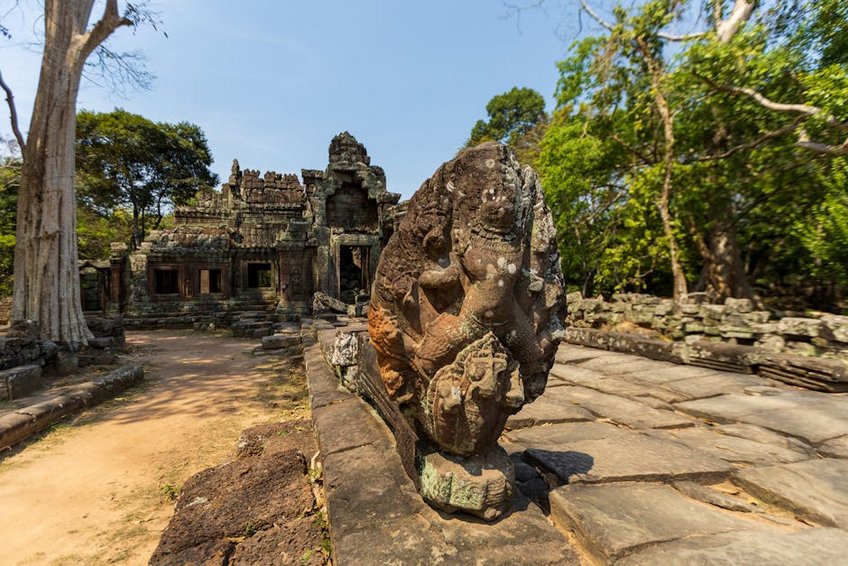
The Angkor Archaeological Park, a UNESCO World Heritage Site, spans over 400 square kilometers, encompassing hundreds of temples beyond its famous centerpiece. January’s agreeable climate is perfect for venturing to these outer ruins, like the tree-engulfed Ta Prohm or the grand city of Angkor Thom. Visiting during this month aligns with Cambodia’s peak tourist season, necessitating strategic planning for a fulfilling experience.
Understanding the Temple Complex Layout
Navigating the vast site efficiently is key to a rewarding January visit. The park is generally divided into three main circuit routes.
- The Small Circuit (17km): This classic route covers the essential highlights, including Angkor Wat, Angkor Thom (with Bayon Temple), and Ta Prohm. It’s perfect for a one-day visit, taking approximately 8-10 hours to complete at a comfortable pace.
- The Grand Circuit (26km): Extending further, this route adds temples like Preah Khan and Neak Pean. It’s ideal for a second day of exploration, offering a deeper dive into Khmer architecture with slightly fewer visitors.
- Outlying Temples: Sites like Banteay Srei, the “Citadel of Women,” and the riverbed carvings of Kbal Spean require a separate half-day trip. Their intricate details are best seen in January’s clear morning light.
- Budget Traveler ($45-65/day): Includes a basic guesthouse in Siem Reap ($15-20/night), local food and street eats ($10-15), a shared tuk-tuk for the Small Circuit ($18-20 split), and a 1-day temple pass ($37). Focus on free activities like exploring Pub Street and the Old Market.
- Mid-Range Traveler ($100-150/day): Covers a comfortable boutique hotel with pool ($40-60/night), meals at quality restaurants ($25-35), a private tuk-tuk driver for the day ($25), a 3-day temple pass ($62), and a guided tour for one day ($30-40). This tier offers the best balance of comfort and value.
- Luxury Traveler ($300+/day): Encompasses a 5-star resort ($120-200/night), fine dining ($60+), a private car with expert guide ($80-120/day), and exclusive experiences like a helicopter tour over the complex or a bespoke photography workshop at dawn.
- Angkor Enterprise Official Ticket Authority
- UNESCO World Heritage Centre – Angkor
Key Historical Periods and Styles
Khmer architecture evolved across several distinct periods, visible in the park’s varied structures. The Angkorian period, from the 9th to 15th centuries, saw the shift from brick to sandstone construction. Each king left his mark, resulting in a diverse architectural tapestry. Recognizing these styles, from the Preah Ko style’s intricate lintels to the Bayon’s serene faces, adds a scholarly layer to your exploration.
January’s dry weather preserves the intricate carvings and structural details, making it an excellent time for photography and detailed observation. The low humidity prevents the stone surfaces from becoming slippery, allowing safer access to steep stairways and elevated viewpoints. This climate advantage is a primary reason this month is highly recommended for a first-time visit.
Cultural Etiquette and Temple Respect
As an active religious site, respectful behavior is paramount. Visitors must dress modestly, covering shoulders and knees, a rule strictly enforced at major temples. Speaking quietly, not touching the bas-reliefs, and following designated pathways help preserve the fragile monuments. Hiring a licensed local guide not only provides historical insight but also ensures your visit supports the community respectfully.
Alt: “angkor-wat-sunrise-reflection-moat-january-clear-sky”
Cambodia Angkor Wat January Visit – Strategic Planning Guide
Planning your January trip to Angkor Wat requires attention to timing and logistics to beat the crowds inherent to the peak season. The cooler, dry weather makes extensive walking pleasant, but it also attracts the highest number of annual visitors. Strategic planning involves purchasing tickets in advance, crafting a reverse itinerary, and prioritizing key temples at specific times of day.
Your temple pass is essential, available as a 1-day ($37), 3-day ($62), or 7-day ($72) ticket, with the 3-day option offering the best value for a comprehensive visit. Passes are not sold at temple entrances; you must obtain them from the official Angkor Ticket Office on the road to the complex. January visits often see queues, so purchasing your pass after 5 PM the day before your first visit is a smart tactic, as it allows entry for that evening’s sunset.
Best Time to Visit Within January
The first two weeks of January typically see slightly fewer visitors than the latter half, as they fall just after the Western New Year’s holiday rush. Daily weather is consistently pleasant, with average highs of 31°C (88°F) and lows around 20°C (68°F). Mornings can be surprisingly cool, around 18°C (64°F), perfect for starting your explorations early.
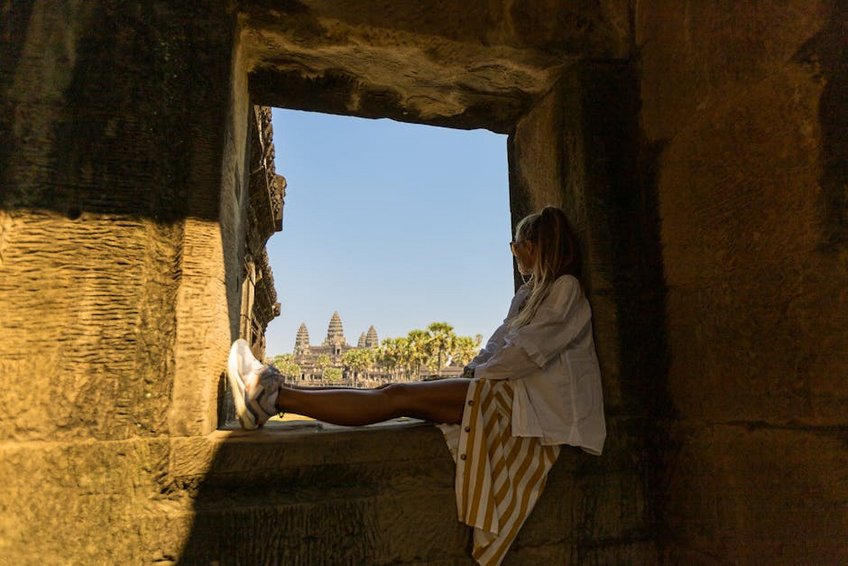
For the iconic Angkor Wat sunrise, aim to arrive at the reflection pond by 5:30 AM to secure a front-row spot. The sky often remains clear, offering a high chance of a spectacular view. Post-sunrise, immediately explore the inner galleries of Angkor Wat while most of the crowd disperses for breakfast, granting you quieter moments inside the main temple.
Budget Planning and Cost Breakdown
Costs for a January visit vary based on comfort and itinerary length.
Essential Preparation Checklist
Packing correctly enhances your comfort significantly. Essentials include lightweight, breathable clothing that covers knees and shoulders, sturdy walking shoes with good grip for stone steps, a high-SPF sunscreen, a wide-brimmed hat, and a reusable water bottle. A powerful flashlight or headlamp is crucial for pre-dawn travel to the sunrise viewpoint.
Ensure your passport has at least six months’ validity. Most travelers can obtain a 30-day tourist visa upon arrival in Phnom Penh or Siem Reap for $30 (bring a passport photo). Purchase comprehensive travel insurance that covers medical evacuation. Book your Siem Reap hotel and key tours at least two to three months in advance for a January trip, as the best options sell out early.
Top Temple Attractions and Exploration Activities
Beyond the iconic silhouette of Angkor Wat, the archaeological park is a treasure trove of distinct experiences. Each temple offers a unique perspective on Khmer genius, from the enigmatic faces of Bayon to the jungle embrace of Ta Prohm. January’s favorable conditions allow you to comfortably visit a wider range of these sites in a single day.
Allocate time not just for sightseeing but for absorption. Sit quietly in a shaded gallery, observe the play of light on ancient carvings, and wander down less-trodden paths. The dry season ensures that even the remote temple access roads are passable, opening up the entire complex for discovery. This is the prime time for a multi-day, in-depth exploration.
Must-See Temple Highlights
Angkor Wat itself demands a minimum of half a day. Dedicate time to its extensive bas-relief galleries, particularly the famous “Churning of the Ocean of Milk.” The central tower climb, while steep, offers a panoramic reward. Visit mid-morning after the sunrise crowd thins, or in the late afternoon when the stone glows warmly.
Angkor Thom, the last great capital, houses the mesmerizing Bayon Temple with its 216 stone faces. Arrive by 7:30 AM to see the early light illuminate the faces with fewer people. Nearby, the Terrace of the Elephants and Terrace of the Leper King provide impressive examples of royal court grandeur. Combine these with a visit to the enclosed Baphuon temple, a massive pyramid undergoing meticulous restoration.
Hidden Gems and Quieter Sanctuaries
For a respite from crowds, venture to Preah Khan, a sprawling monastic complex north of Angkor Thom. Its labyrinthine corridors and crumbling galleries feel wonderfully exploratory. Banteay Kdei, a slightly ruined monastic complex similar to Ta Prohm but less visited, offers serene photography opportunities, especially in the soft afternoon light.
Consider a visit to the Roluos Group, temples from the 9th century that predate Angkor Wat. Sites like Bakong and Lolei see a fraction of the main park’s visitors and represent the early classical style of Khmer architecture. The journey there, through rural villages, provides a authentic glimpse of Cambodian life outside the tourist zone.
Sunrise and Sunset Viewing Strategies
While Angkor Wat sunrise is legendary, consider Phnom Bakheng for sunset as an alternative. Note that access is now limited to 300 people at a time, so arrive by 4 PM to queue. For a truly unique sunrise, book a hot air balloon or helicopter tour for an aerial perspective of the entire complex bathed in morning light, an unforgettable splurge for a January visit.
Practical Siem Reap Travel Information
Siem Reap, the gateway town to the temples, offers all necessary tourist infrastructure, from international hotels to local homestays. January is its busiest month, so advance bookings are non-negotiable. The town is compact and walkable, with the Psar Chas (Old Market) area being the most popular for restaurants and nightlife.
Transportation within Siem Reap is dominated by tuk-tuks—negotiate a day rate with a driver for temple touring. For outlying temples like Banteay Srei, a car rental with air conditioning is a more comfortable choice. Always agree on a price in USD before starting any journey.
| Accommodation Area | Best For | Price Range (USD/Night) |
|---|---|---|
| Old Market / Pub Street | First-time visitors, nightlife, dining convenience, budget options | $15 – $80 |
| Wat Bo Road Area | Mid-range travelers, quieter stays, boutique hotels, good restaurants | $40 – $120 |
| Road 60 / Airport Area | Luxury resorts, pool-focused relaxation, spacious grounds | $100 – $300+ |
| Charles de Gaulle Blvd | Proximity to ticket office, a mix of guesthouses and hotels | $20 – $100 |