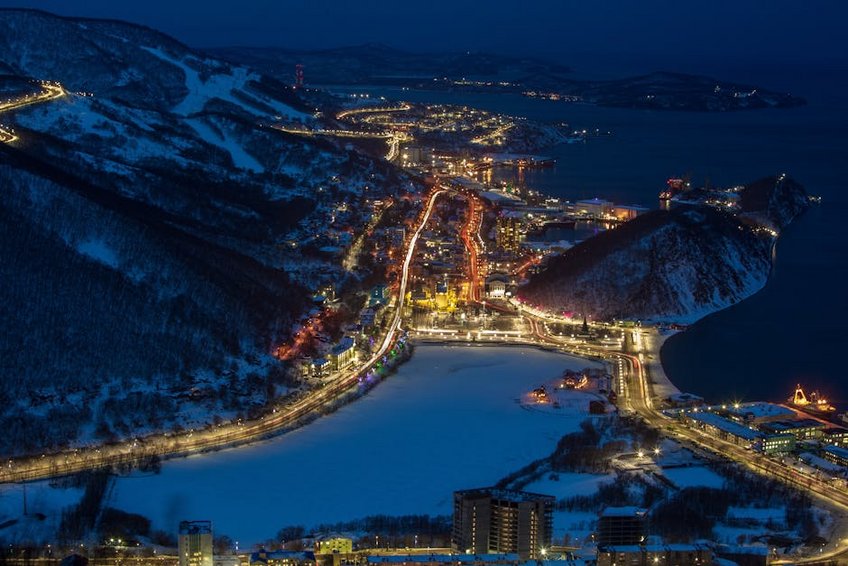
Canada Yukon Whitehorse Aurora Viewing
Whitehorse, Yukon, offers one of the world’s most accessible and reliable Canada Yukon Whitehorse Aurora Viewing experiences. Positioned directly under the Aurora Oval, the region provides over 240 potential viewing nights each year, combining clear subarctic skies with minimal light pollution. This guide provides specific dates, tested viewing locations, and practical tips to maximize your chances of witnessing the Northern Lights in their full celestial glory.
Essential Yukon Aurora Borealis Information
Whitehorse serves as the capital of Canada’s Yukon Territory, a premier destination for observing the aurora borealis. The city’s geographic location within the auroral oval creates optimal conditions for frequent and vibrant light displays. Understanding the science and statistics behind this phenomenon enhances the travel planning process for every visitor.
The aurora occurs when charged solar particles collide with gases in Earth’s atmosphere, creating ethereal green, purple, and red light waves. Whitehorse’s northern latitude and dry continental climate contribute to remarkably clear viewing conditions. These factors make the area a top choice for both amateur stargazers and professional photographers.
The Science Behind the Northern Lights
Grasping the celestial mechanics adds a profound layer to the visual spectacle.
- The Aurora Oval is a ring-shaped zone around the geomagnetic North Pole where activity concentrates; Whitehorse sits directly beneath its southern edge, ensuring high-frequency displays.
- Solar activity follows an 11-year cycle, influencing intensity; we are currently in a period of rising solar maximum, promising stronger auroras through 2026.
- Local KP Index readings, which measure geomagnetic storm strength, are reliably between 3 and 6 during peak season, often visible even with moderate activity.
- Budget Trip ($1,200-$1,800 per person): Includes dorm-style hostel lodging, self-guided viewing using public resources like the Yukon Geological Survey’s aurora forecast, rental of a budget vehicle, and cooking your own meals. Focus your spending on warm clothing rentals.
- Mid-Range Trip ($2,500-$3,500 per person): This comfortable range covers a hotel like the Coast High Country Inn, three guided aurora tours with professional photography help, a standard SUV rental, and dinners at local restaurants like Giorgio’s Cuisine.
- Luxury Trip ($4,500-$7,000+ per person): Features all-inclusive lodges like Northern Lights Resort & Spa with private viewing cabins, custom private guided tours, premium vehicle rental with winter tires, and fine dining. Often includes additional activities like dog sledding or flightseeing.
- Yukon Tourism Official Website
- Space Weather Live (Aurora Forecasts)
Why Whitehorse is a Premier Viewing Destination
Several key advantages set Whitehorse apart from other Northern Lights destinations. The city has exceptionally low humidity and frequent high-pressure systems, which translate to more cloud-free nights than coastal locations like Iceland or Norway. Its position away from major coastal weather systems is a significant meteorological benefit for clear skies.
Furthermore, Whitehorse offers full urban amenities alongside immediate wilderness access. You can enjoy a restaurant dinner and be at a dark sky site within a 20-minute drive. This unique combination of reliability, accessibility, and infrastructure is rarely found in other Arctic regions, making it ideal for first-time aurora chasers.
Historical and Cultural Context
The Northern Lights hold deep significance for the Indigenous peoples of the Yukon. Southern Tutchone and Tagish stories describe the lights as ancestors dancing in the sky or spirits communicating with the living. Understanding this cultural perspective enriches the experience beyond a simple photographic opportunity.
Modern aurora tourism in Whitehorse began developing earnestly in the late 1990s. Local operators have since refined their services, offering heated cabins, photography workshops, and scientific talks. This blend of ancient wonder and contemporary comfort defines the Yukon’s approach to aurora viewing today.
Alt: “whitehorse-yukon-northern-lights-aurora-oval-night-sky”
Canada Yukon Whitehorse Aurora Viewing – Planning Your Trip
Strategic planning is the cornerstone of a successful aurora expedition. Your Canada Yukon Whitehorse Aurora Viewing adventure depends on selecting the correct timeframe, preparing for the climate, and booking key services well in advance. This section provides the actionable details needed to craft an itinerary that maximizes your opportunity under the dancing skies.
Focus your travel plans on the core viewing window, but build in flexibility for weather. Always plan for multiple nights on location to increase your statistical odds. Booking guided tours and accommodations three to six months ahead is essential, especially for the winter high season.
Best Time to Visit Whitehorse for Aurora Viewing
The absolute peak season runs from late August to mid-April, with the darkest skies and longest nights occurring between December and February. Prime viewing months are January, February, September, and March, offering optimal darkness and high solar activity. Temperatures during deep winter can plummet to -22°F to -4°F (-30°C to -20°C), requiring serious thermal gear.
Shoulder seasons like late August/September and March/April provide a compelling balance. You’ll experience milder temperatures ranging from 14°F to 32°F (-10°C to 0°C) and still-excellent darkness, often with the bonus of frozen lakes or autumn colors. The summer months from May to late July have near-constant daylight, making aurora viewing impossible.
Budget Planning and Costs
Aurora viewing costs vary significantly based on lodging, tours, and travel style.
Essential Preparation Checklist
Packing correctly is non-negotiable for comfort and safety in the Yukon winter. Essential clothing includes a heavy down parka rated to at least -22°F (-30°C), insulated waterproof boots like Sorel or Baffin, thermal base layers (merino wool is ideal), and heavy mittens. Hand and foot warmers are invaluable for extended viewing sessions.
Documentation requires a valid passport. US and EU citizens do not need a visa for tourist stays under 180 days. Secure comprehensive travel insurance that explicitly covers emergency medical evacuation from remote areas. Book your flights into Whitehorse Erik Nielsen International Airport (YXY), rental car, and first three nights of lodging at least four months ahead for peak season travel.
Top Attractions and Aurora Activities
Beyond the nightly light show, Whitehorse and the surrounding Yukon offer a wealth of winter adventures that complement your aurora quest. These activities provide daytime exploration and deep immersion into the northern landscape. Integrating them creates a richer, more fulfilling Arctic travel experience.
From dog sledding on frozen trails to soaking in natural hot springs, the options are diverse. Many operators specifically design tours to conclude with aurora viewing, seamlessly blending day and night adventures. This holistic approach is the hallmark of a well-planned Yukon itinerary.
Must-See Highlights and Guided Tours
Join a guided aurora tour for your first night; operators like Northern Tales or Arctic Range Adventure know the best real-time viewing spots based on cloud cover. These tours typically cost $120-$180 USD per person and include transport, hot drinks, snacks, and photography assistance. They significantly increase your success rate.
Visit the Yukon Beringia Interpretive Centre to understand the region’s ancient ice age history. Soak in the Takhini Hot Springs, where you can watch the aurora while warm in a 104°F (40°C) natural pool—a truly magical experience. A day trip to the historic town of Carcross and the stunning Carcross Desert is also highly recommended for unique landscapes.
Hidden Gems and Local Favorites
For a self-guided adventure, drive the scenic South Klondike Highway toward the Alaska border. Pull-offs near Emerald Lake or the Montana Mountain area offer breathtaking, crowd-free vistas perfect for setting up a tripod. Always check road conditions at 511Yukon.ca before departing.
Locals often head to the Fish Lake area or the Wolf Creek Campground for unobstructed northern views. The Chadburn Lake Road area, a short drive from downtown, provides easy access to darkness. Remember to respect private property and pack out all your gear and trash.
Winter Adventure Combos
Combine your aurora chase with iconic Yukon activities. Dog sledding with operations like Muktuk Adventures or Sky High Wilderness Ranch offers an authentic daytime adventure, with some offering evening “aurora sledding” trips. Snowmobiling on the extensive trails around Whitehorse provides access to remote viewing locations inaccessible by regular car.
For a truly unique perspective, consider a flightseeing tour with Alpine Aviation to see the vast, snow-covered wilderness from above during the day. Some photography workshops, like those offered by Up North Adventures, are multi-day events that teach winter photography skills by day and apply them to the aurora by night.
Practical Travel Information for Whitehorse
Navigating logistics in a northern climate requires specific knowledge. Whitehorse is a well-equipped small city, but services operate on a different scale than southern destinations. Understanding transportation, accommodation nuances, and daily logistics will ensure a smooth and enjoyable visit throughout your stay.
Winter travel here demands respect for the environment. Always have a full gas tank, keep an emergency kit in your vehicle, and inform someone of your travel plans when heading out of town. Cellular service can be limited outside the city core, so downloading offline maps is a prudent precaution.
| Category | Options/Features | Price Range (USD/Night) |
|---|---|---|
| Hotels & Inns | Downtown locations (Coast High Country Inn, Edgewater Hotel), walkable to restaurants, often have aurora wake-up calls. | $140 – $280 |
| Wilderness Lodges | Remote settings (Northern Lights Resort, Raven’s Ridge), private cabins, on-site viewing, often include meals. | $300 – $600 |
| Vacation Rentals | Full homes/apartments (Airbnb, Vrbo), kitchen facilities, suitable for groups/families, requires vehicle. | $180 – $350 |
| Hostels & B&Bs | Budget-friendly (Beez Kneez Bakpakers, The Hideaway), social atmosphere, shared facilities. | $45 – $120 |