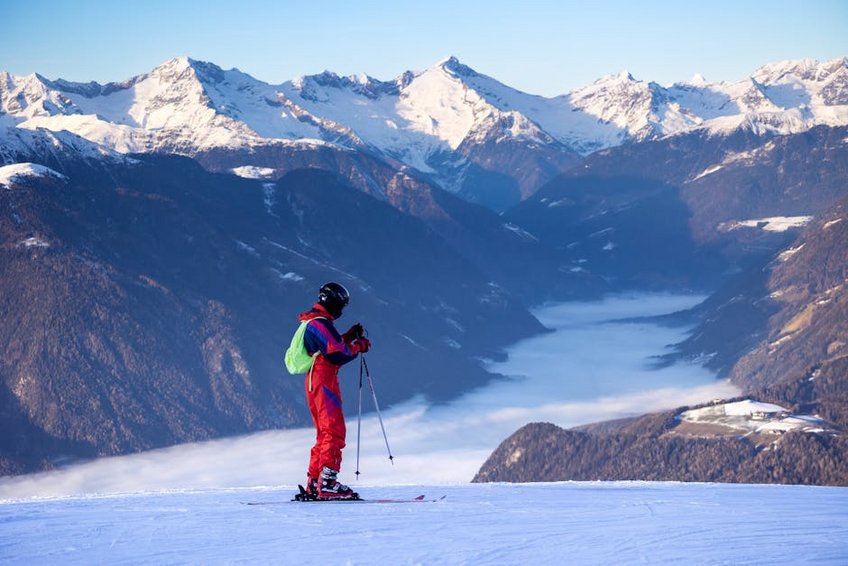
Italy Dolomites January Ski Routes
Hitting the slopes in the Italian Dolomites during January means experiencing a legendary winter sports paradise at its absolute peak. This UNESCO World Heritage site transforms into a vast, interconnected network of groomed pistes and breathtaking off-piste opportunities, offering crisp bluebird days and reliably excellent snow conditions. This guide details the best ski routes, from iconic circuits to secluded descents, providing the essential information to plan a high-altitude adventure. Your Italy Dolomites January ski routes will be defined by efficient planning and local insight.
Essential Skiing Information
The Dolomites offer one of the world’s most extensive ski networks, Dolomiti Superski. This single pass grants access to over 1,200 kilometers of slopes across twelve distinct resort areas. January sees the region fully operational, with all lifts running and snowmaking systems ensuring coverage even if natural snowfall is lighter early in the month.
You are skiing across a geological marvel. The dramatic pale peaks are composed of ancient coral reefs, creating a unique and stunning backdrop. The region blends Italian and Austrian cultures, reflected in the food, architecture, and even trail signage, which is often in both languages.
What You Need to Know Before You Go
Preparation is key for a smooth ski holiday in this large, multi-valley area. Understanding these core elements will enhance your trip significantly.
- The Dolomiti Superski pass is your golden ticket, offering seamless access to the entire circuit. Purchase it online in advance for the best rates and to skip ticket office lines.
- Accommodation is spread across charming valleys like Val Gardena, Alta Badia, and Cortina d’Ampezzo. Your choice of base affects your daily starting point and the vibe, from family-friendly to more exclusive.
- While many ski runs are wide, gentle, and perfectly suited for intermediates, the region also harbors legendary black runs and expert off-piste terrain. Always check the official piste map and avalanche forecast.
- Budget-conscious travelers can target smaller villages like Arabba or San Cassiano, finding apartment rentals for $1,200-$1,800 per week. A 6-day adult Dolomiti Superski pass costs approximately $380-$420. Self-catering and lunch on the mountain at rifugios help manage food costs.
- A mid-range budget of $2,500-$4,000 per person covers a central hotel in Val Gardena with half-board, the full-area ski pass, and ski rentals. This allows for daily rifugio lunches and a few nice dinners out, offering the classic Dolomites ski experience without extravagance.
- Luxury options in Cortina or Alta Badia exceed $5,000, featuring 5-star hotels with spa access, private ski guides for off-piste days, fine dining every evening, and premium ski equipment. Helicopter skiing tours are also available for the ultimate high-altitude adventure.
- Dolomiti Superski Official Website
- Veneto Tourism Authority
Key Details About the Terrain and Climate
The skiing here is uniquely interconnected. You can spend days traveling from valley to valley without removing your skis, thanks to efficient lift systems and well-marked routes. The Sella Ronda is the most famous of these circuits, a 40km loop around the Sella massif that can be skied in either direction.
January temperatures are consistently cold, perfect for snow preservation. Expect average highs at valley level around 28°F (-2°C) and highs on the mountain around 23°F (-5°C). Nighttime temperatures plummet, often dipping below 14°F (-10°C), which maintains excellent snow quality for grooming.
The Unique Alpine Culture
Your ski day is punctuated by “rifugio” culture. These mountain huts serve as much more than simple lunch stops. They are institutions where you can enjoy exceptional South Tyrolean cuisine, like speck dumplings or apple strudel, while warming up by a stove. Taking a proper lunch break is a cherished part of the local skiing rhythm.
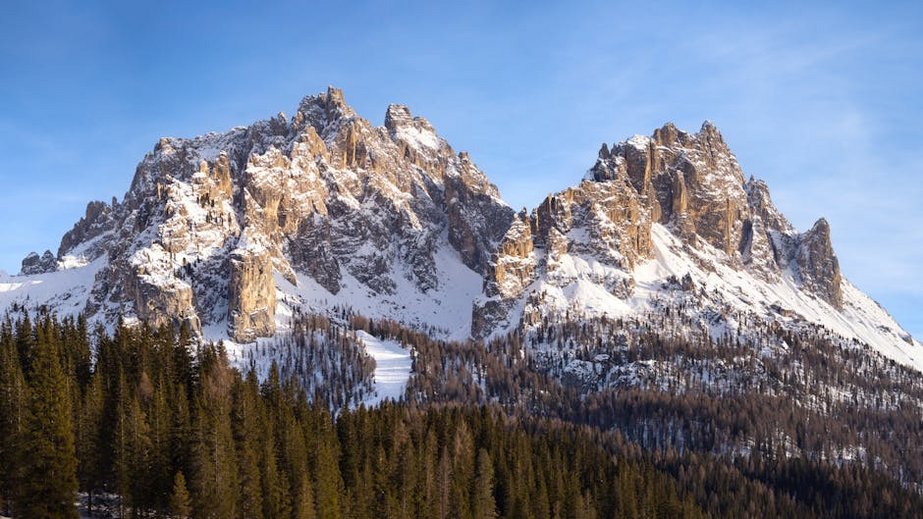
Alt: “dolomites-winter-ski-routes-sella-ronda-trail”
Italy Dolomites January Ski Routes – Planning Your Trip
Organizing your ski adventure here requires a strategic approach focused on route selection and timing. January is prime season, so pre-booking everything from your lift pass to dinner reservations is non-negotiable. This ensures you secure the best accommodations and avoid sold-out situations for popular guided tours.
Your daily itinerary should balance ambitious circuit skiing with relaxation and exploration of a single area’s gems. Trying to cover the entire 1,200km in one week is impossible and exhausting. Instead, plan to tackle one major circuit, like the Sella Ronda, over a full day, and spend other days diving deep into the specific ski areas accessible from your chosen valley.
Best Time to Visit for January Skiing
The entire month of January offers superb conditions for winter sports in this alpine region. The first two weeks can be slightly less crowded, as they fall just after the New Year’s holiday rush. Snow coverage is typically guaranteed by this time due to extensive artificial snowmaking across all major connection points and resort slopes.
Mid to late January sees the most stable weather patterns, with a higher frequency of clear, sunny days perfect for long-distance circuit skiing. Temperatures remain reliably cold, ensuring the snow stays in excellent condition. This is the ideal window for skiers who prioritize reliable conditions and plentiful sunshine over absolute solitude.
Budget Planning and Costs
A ski vacation here ranges from comfortable to luxurious. Your major expenses will be lodging, lift passes, equipment, and dining.
Essential Preparation Checklist
Pack high-quality technical layers, including a moisture-wicking base layer, insulating mid-layer, and a waterproof, breathable ski jacket and pants. Goggles with lenses for both bright sun and flat light are essential, as mountain weather changes quickly. Don’t forget high-SPF sunscreen and lip balm; the high-altitude sun is intense.
U.S. and EU citizens need only a valid passport for entry. Arrange comprehensive travel insurance that specifically covers winter sports and helicopter evacuation. Book ski school or guide services at least a month in advance, especially if you require instruction in English. Reserve your rental equipment online to ensure correct sizing and availability.
Top Ski Routes and Mountain Experiences
The vastness of the terrain can be daunting. Focusing on a few iconic journeys provides a framework for your week. These routes showcase the diversity and beauty of the region, from perfectly groomed cruisers to challenging expert terrain. Each offers a different perspective on the stunning landscape.
Navigational confidence is key. Always carry the detailed paper piste map provided with your ski pass, and pay close attention to signposting at lift junctions. The circuit routes are well-marked with directional signs, but it’s easy to take a wrong turn if you’re not attentive, potentially ending up in a different valley from your intended destination.
Must-See Highlights and Iconic Circuits
The Sella Ronda is the crown jewel. This iconic loop around the Sella massif can be skied clockwise (orange route) or counter-clockwise (green route) in about 4-6 hours of skiing time. It connects four valleys—Val Gardena, Alta Badia, Arabba, and Val di Fassa—using a combination of lifts and scenic blue and red runs. Start early to avoid afternoon bottlenecks at key lift connections.
For spectacular views, the Lagazuoi run from the top of the Lagazuoi cable car down to Armentarola is unforgettable. You take a cable car up from Passo Falzarego, enjoy panoramic 360-degree views, and then descend a long, thrilling red run. The final section involves a flat stretch where you are towed by horses—a uniquely Dolomites experience.
Hidden Gems and Local Favorites
Explore the hidden valleys of the Ski Tour Gran Risa. This less-traveled route takes you from Alta Badia toward the quieter slopes above La Villa and San Vigilio. You’ll find incredibly scenic, tree-lined runs with fewer crowds and some charming, family-run rifugios for lunch that feel worlds away from the main circuits.
Expert skiers should seek out the “Bec de Roces” off-piste itinerary in the Cortina area. Accessed from the Tofana area, this offers challenging, ungroomed terrain with stunning views of the Cinque Torri. Hiring a local guide is mandatory for this and any other backcountry adventure, as they provide critical safety knowledge and access to the best snow.
Family-Friendly and Beginner Zones
The Ciampinoi area above Selva in Val Gardena is a paradise for beginners and families. It features a vast network of wide, gentle blue runs served by efficient gondolas and chairlifts. Several excellent ski schools operate here with English-speaking instructors, and the slopes are designed to build confidence progressively in a stunning setting.
Practical Travel and Logistics Information
Reaching the heart of the Italian Alps requires connecting through major transport hubs. Your choice of airport and transfer method will set the tone for the start and end of your trip. Once in the region, the ski bus system is generally excellent and free with your guest card or ski pass, making a rental car optional for many visitors.
Accommodation choices are abundant but book out early for January. You must decide between a large, lively resort town with extensive après-ski or a quieter, more traditional mountain village. Your selection will impact your daily commute to the slopes and your evening entertainment options.
| Category | Options/Features | Price Range (USD) |
|---|---|---|
| Lift Pass | Dolomiti Superski 6-day adult pass, full area access | $380 – $420 |
| Ski Rental (Mid-range) | High-performance skis, boots, poles, helmet from on-site shop | $180 – $250 / week |
| Airport Transfer | Shared shuttle van from Venice (VCE) to Val Gardena | $110 – $150 / person roundtrip |
| Guided Day | Private ski guide for off-piste/technical routes (6 hrs) | $450 – $600 / day |