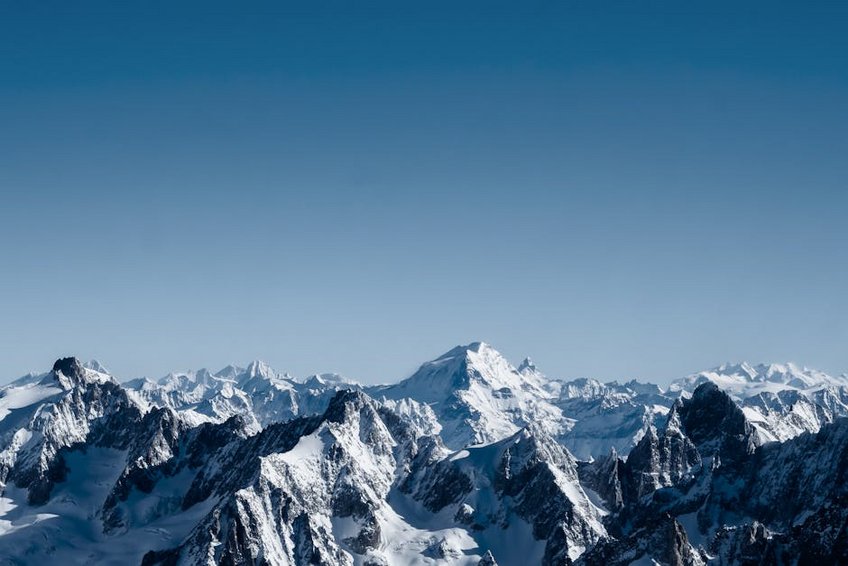
France Chamonix Mont Blanc Winter Sports
France Chamonix Mont Blanc winter sports represent the pinnacle of alpine adventure in Europe’s most legendary mountain range. This legendary valley offers everything from World Cup-level downhill runs and epic off-piste terrain to serene Nordic skiing and family-friendly snow parks, all set against the stunning backdrop of Western Europe’s highest peak. This guide details the essential planning strategies, top ski areas, and cultural insights you need for a successful trip, covering terrain for all abilities and the unique après-ski scene that defines this historic destination.
Essential Alpine Destination Information
Chamonix-Mont-Blanc is a commune in the Haute-Savoie department of southeastern France. It sits in a valley at the northwestern base of the Mont Blanc massif, near the borders of Switzerland and Italy. The town itself has an elevation of approximately 1,035 meters (3,396 feet), while the surrounding ski areas reach up to 3,842 meters (12,605 feet) at the Aiguille du Midi.
The region’s history is deeply intertwined with mountaineering. The first ascent of Mont Blanc in 1786 by Jacques Balmat and Michel-Gabriel Paccard put Chamonix on the map. This legacy evolved into a world-class winter sports destination, hosting the first Winter Olympic Games in 1924. Today, it operates as part of the extensive Mont Blanc Unlimited ski pass network, which includes access to areas in France, Switzerland, and Italy.
Understanding the Chamonix Valley Layout
The ski domain is not a single, interconnected resort but a collection of distinct areas spread across the valley. This requires using the efficient local bus system or a car to travel between them. Each area boasts its own unique character and speciality terrain, appealing to different skill levels and interests.
- Brévent-Flégère: Located directly above Chamonix town, offering sunny, south-facing slopes with breathtaking views of the Mont Blanc range. It’s ideal for intermediates and features the challenging ‘Charles Bozon’ World Cup run.
- Grands Montets (Argentière): Famous for its extensive, challenging off-piste and steep couloirs, this area is a mecca for expert skiers and snowboarders. It features glacial skiing and a vertical drop of over 2,000 meters (6,562 feet).
- Le Tour/Balme: A family-friendly sector with gentle, open slopes perfect for beginners and intermediates, along with access to scenic cross-country ski trails and snowshoeing routes.
- Les Houches: Home to the classic ‘Kandahar’ World Cup downhill course, this wooded area offers excellent tree skiing and is generally less crowded than other sectors.
- Budget-Conscious (Approx. $100-$150 USD per person/day): Stay in a shared apartment in Les Houches or Les Praz. Cook most meals, use the free bus system, and focus on skiing one or two local areas with a multi-day pass. Rent standard equipment from shops in town rather than on the mountain.
- Mid-Range (Approx. $200-$350 USD per person/day): Stay in a 3-star hotel or private chalet in central Chamonix. Enjoy a mix of restaurant meals and self-catering. Purchase the Mont Blanc Unlimited pass for full valley access. Add one guided activity, like a half-day off-piste session or a visit to the Aiguille du Midi.
- Luxury (Approx. $500+ USD per person/day): Stay in a 5-star hotel or serviced luxury chalet with a hot tub and sauna. Dine at gourmet mountain restaurants like Le Cap Horn daily. Book a private mountain guide for exclusive itineraries. Include helicopter skiing, spa treatments, and private transfers from Geneva.
- Chamonix Mont-Blanc Official Tourism Website
- Meteoblue Climate Forecast for Chamonix
- Compagnie du Mont Blanc (Lift Company)
The Mountain Climate and Conditions
The climate in the Mont Blanc massif is truly alpine, meaning conditions can change rapidly. Winters are cold and snowy, with temperatures in the town averaging between -5°C and 5°C (23°F to 41°F). Higher elevations are significantly colder, often between -10°C and -20°C (14°F to -4°F). The region receives substantial snowfall, ensuring a long season.
Weather systems can move in quickly, bringing whiteout conditions or high winds that may close lifts, particularly the iconic Aiguille du Midi cable car. Always check the forecast and avalanche risk level (available online or at the tourist office) before heading into the high mountains. The sun is intense at altitude, so high-factor sunscreen is non-negotiable.
Who Should Visit Chamonix?
This destination is not ideal for absolute beginners seeking a single, gentle nursery slope area. While beginners can learn at Le Tour or Les Planards, the resort’s true fame lies in its intermediate, advanced, and expert terrain. It’s perfect for confident skiers seeking variety, off-piste enthusiasts, and those who value a vibrant town atmosphere over seamless slope-side convenience.
It also attracts a large non-skiing audience. The panoramic mountain railways, like the Montenvers train to the Mer de Glace glacier, and activities like ice climbing, paragliding, and spa visits make it compelling for mixed-ability groups and adventure seekers of all types.
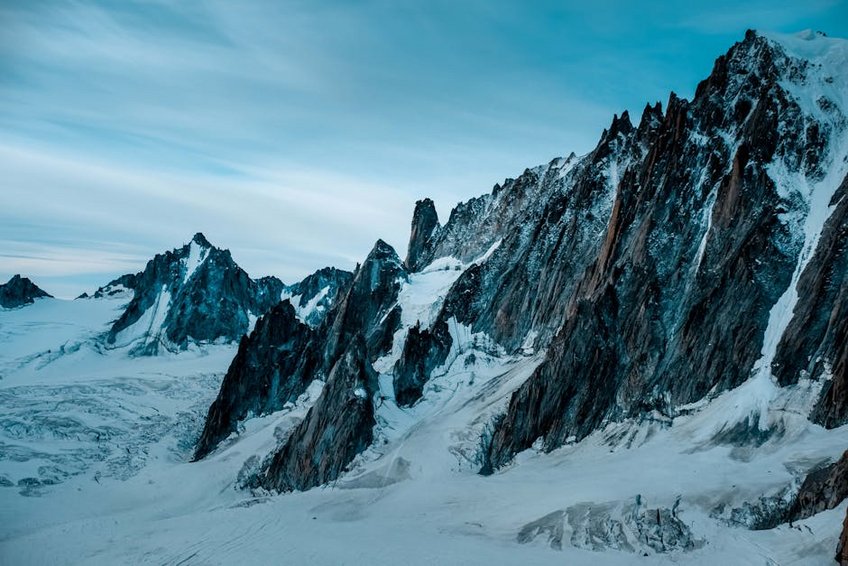
Alt: “chamonix-valley-aiguille-du-midi-cable-car-winter-snow”
Chamonix Mont Blanc Winter Sports – Planning Your Trip
Organizing your alpine holiday here requires more forethought than a typical ski-in/ski-out resort. The fragmented nature of the ski areas means you must plan your daily itinerary around weather, conditions, and your group’s ability. A successful visit hinges on selecting the right accommodation location, purchasing the appropriate lift pass, and booking key experiences like guiding or mountain restaurants well in advance.
Your budget must account for more than just lifts and lodging. Factor in costs for transport between sectors, potential guide fees for off-piste exploration, and equipment rental for specialized activities like ski touring. The dining scene is exceptional but can be pricey, so balancing meals out with self-catering is a smart strategy for longer stays.
Timing is also critical. January often offers the best value and fresh snow, while February is busy with European school holidays. March and April provide longer, sunnier days ideal for high-altitude glacier skiing and enjoying the terrace culture.
Best Time to Visit for Winter Sports
The core winter season runs from mid-December to late April. For the best all-around conditions, aim for January through March. January typically sees reliable snowfall and fewer crowds post-New Year, with town temperatures around -3°C to 3°C (27°F to 37°F). February is peak season, bustling with energy but also higher prices and lift lines, especially during French school breaks.
March is arguably the prime month, offering a superb blend of good snow cover, increasing daylight, and warmer alpine sun with highs around 5°C (41°F) in the valley. April is ideal for spring skiing, with corn snow on south-facing slopes and fantastic terrace après-ski. The Grands Montets glacier area often remains skiable into early May.
Budget Planning and Costs
A daily budget can vary widely based on your priorities. Lift passes and accommodation are the largest fixed costs, while dining and activities offer the most flexibility for savings or splurges.
Essential Preparation Checklist
Beyond standard ski gear, preparation for this alpine environment is key. You will need quality thermal layers, a waterproof and breathable jacket and pants, goggles for flat light and bright sun, and a helmet. For any off-piste or high-mountain excursions, an avalanche transceiver, probe, and shovel are mandatory—and you must know how to use them.
Ensure your travel insurance explicitly covers alpine skiing and off-piste activities with a guide. U.S. and EU passport holders do not need a visa for stays under 90 days. Book airport transfers or rental cars early, especially for peak weeks. If you plan to hire a guide for classic routes like the Vallée Blanche, reservations should be made months ahead for high season.
Top Ski Areas and Mountain Experiences
The diversity of terrain across the valley’s sectors is what sets this destination apart. You can spend one day carving groomed red runs with iconic views, and the next descending a steep, untracked glacial bowl. Beyond downhill skiing, the options for exploration are vast, from scenic snowshoe hikes to adrenaline-fueled ice climbing on frozen waterfalls.
Navigating these choices requires understanding each area’s specialty. Brévent-Flégère is your go-to for sun and views, Grands Montets for extreme challenges, and Le Tour for gentle, family-oriented fun. The lift system is modern, but connecting between some areas requires returning to the valley floor.
Must-See Highlights and Classic Runs
No visit is complete without riding the Aiguille du Midi cable car to 3,842 meters (12,605 feet). Even non-skiers should go for the unparalleled panoramic views. For expert skiers, the 20km Vallée Blanche descent from here is a world-renowned off-piste itinerary requiring a guide.
The black ‘Charles Bozon’ run on the Brévent side is a legendary World Cup downhill course. The ‘Bochard’ gondola at Grands Montets provides access to some of the most demanding in-bounds terrain in the Alps. For intermediates, the long, rolling red runs from the top of Le Tour down to the village of Vallorcine offer scenic, enjoyable cruising.
Beyond Downhill: Alternative Winter Adventures
The valley caters superbly to non-skiers and those seeking variety. The Montenvers Railway journey to the Mer de Glace glacier is a historic must-do, with its ice cave and glacier museum. The region has over 40km of marked and maintained cross-country ski trails, particularly beautiful in the Les Houches and Le Tour sectors.
Guided ice climbing on the frozen cascades at the base of the Dru is a unique thrill. Paragliding offers a bird’s-eye view of the entire massif. For a slower pace, extensive snowshoe trails wind through quiet forests and to remote mountain restaurants, accessible to all fitness levels.
Family-Friendly Activities and Parks
Families are well catered for with specific zones and activities. The ‘Le Tour’ area is ideal for beginners, with gentle, wide slopes. The ‘Les Planards’ area right in Chamonix town features a sledging slope, a magic carpet for first-timers, and a fun luge track.
The ‘Parc de Loisirs de Chamonix’ has an outdoor ice-skating rink. Several ski schools, like the renowned ESF (École du Ski Français), offer group and private lessons for children in English. Many mountain restaurants have kids’ menus, and the free bus system makes getting around with equipment straightforward.
Practical Travel Information and Logistics
Getting to and navigating the Chamonix Valley is straightforward with planning. The most common international gateway is Geneva Airport (GVA) in Switzerland, approximately a one-hour drive away. Numerous shared shuttle services, private transfers, and rental car options operate from Geneva. You can also travel by train via Saint-Gervais-Le Fayet, with connecting services to Chamonix.
Once in the valley, your own car provides maximum flexibility for exploring different ski areas and nearby villages like Argentière. However, the free and efficient ‘Chamonix Bus’ network serves all major ski areas, resorts, and villages. A car is not essential if you’re staying centrally and are happy to use the bus schedule.
| Accommodation Type | Best For / Key Features | Price Range (USD/Night) |
|---|---|---|
| Central Chamonix Hotel | First-time visitors, nightlife, easy bus access; walk to shops/restaurants | $150 – $400+ |
| Argentière Chalet or Apartment | Expert skiers, families, quieter vibe; close to Grands Montets lifts | $200 – $600+ |
| Les Houches Hotel | Budget-conscious, families, tree skiing; connected by train/bus | $100 – $250 |
| Luxury Serviced Chalet | Groups, special occasions, privacy; includes chef, hot tub, concierge | $800 – $2,500+ |