Uzbekistan Silk Road Tour Packages
Uzbekistan Silk Road tour packages unlock access to a living museum of ancient trade routes, Islamic architecture, and vibrant Central Asian culture. These curated journeys guide you through the legendary cities of Samarkand, Bukhara, and Khiva, where turquoise-domed madrasas and bustling bazaars narrate a history spanning millennia. This guide details everything from seasonal planning and must-see sites to practical logistics, ensuring your Central Asian adventure is as seamless as it is profound.
Essential Silk Road and Uzbekistan Information
The modern nation of Uzbekistan sits at the historical heart of the Silk Road, the network of trade routes that connected China with the Mediterranean for over 1,500 years. Its cities grew wealthy from the caravan trade, funding an architectural renaissance that produced some of the Islamic world’s most stunning monuments. Today, these sites are remarkably preserved, offering a tangible connection to the past alongside a welcoming contemporary culture.
Independent travel is entirely possible, but structured Uzbekistan Silk Road tour packages provide significant advantages. They handle complex logistics like domestic transport and hotel bookings in areas with varying English levels. A good tour also offers expert local guides who provide historical context you might otherwise miss, transforming impressive buildings into chapters of a gripping story.
Understanding the Historical Significance
The legacy here is immense. For centuries, this region was a crossroads of civilizations, where goods, ideas, religions, and technologies were exchanged. Conquerors like Alexander the Great and Timur (Tamerlane) left their marks, while scholars in these cities made groundbreaking advances in astronomy, mathematics, and medicine. This history is not locked away in museums but is integral to the identity of the places you will visit.
- Samarkand’s Registan Square, a trio of madrasas covered in intricate tilework, represents the pinnacle of Timurid-era architecture and power in the 15th-17th centuries.
- Bukhara’s historic center, a UNESCO World Heritage site, contains over 140 architectural monuments, including the iconic Kalyan Minaret, which has stood since 1127.
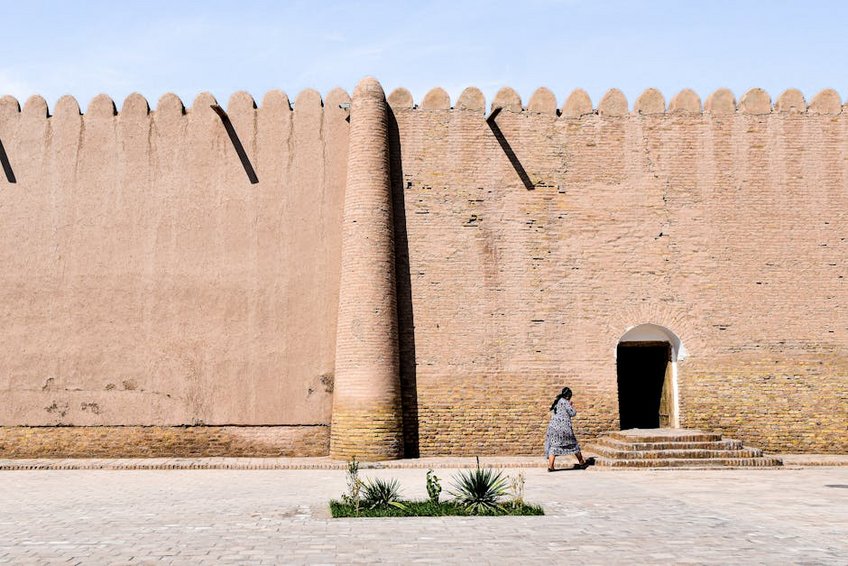
- Khiva’s Ichon-Qala (inner walled city) is an entire open-air museum, preserving the complete image of a Silk Road caravan stop with stunning authenticity.
- Budget Tour ($800-$1,200 per person): Typically includes 7-10 days, standard 3-star hotels, breakfasts, transport, and guide services. You’ll cover all main sites but pay extra for many lunches, dinners, and entrance fees not included in the base price.
- Mid-Range Tour ($1,500-$2,500 per person): Offers 8-12 days in 4-star heritage or boutique hotels, most meals, all entrance fees, domestic flights or train rides, and expert English-speaking guides. This tier provides the best balance of comfort, value, and comprehensive inclusions.
- Luxury Tour ($3,000+ per person): Features 10-14+ days in 5-star or unique luxury properties (like a yurt camp), all meals, premium transport (private driver), special access experiences, and guides with deep scholarly knowledge. Ideal for travelers seeking maximum comfort and exclusive immersion.
- Uzbekistan State Committee for Tourism Development
- Wikitravel Uzbekistan Guide
Key Regions and Cities on the Classic Route
The classic Uzbekistan circuit focuses on three iconic cities, often starting or ending in the modern capital, Tashkent. Samarkand dazzles with its grandiose scale and brilliant mosaics, serving as the empire’s crown jewel. Bukhara offers a more intimate, labyrinthine experience with centuries-old trading domes and shaded courtyards. Khiva, rising from the desert, feels frozen in time within its fortified walls, providing a uniquely preserved endpoint.
Beyond this golden triangle, other destinations enrich the experience. The Fergana Valley reveals traditional crafts like silk weaving and ceramics. The desert fortresses of Karakalpakstan near the Aral Sea offer a stark, dramatic contrast. A well-rounded Uzbekistan Silk Road itinerary considers these additions for travelers with more time or specific interests.
Visa and Entry Requirements
Visa policy has liberalized dramatically. Citizens of the EU, UK, US, Canada, Australia, and many other countries can visit Uzbekistan visa-free for up to 30 days for tourism. Your passport must be valid for at least three months beyond your departure date. Always verify the latest rules with your embassy or the official e-visa portal before booking travel.
Registration is a critical procedure. Hotels will provide you with a registration slip for each night of your stay. You must retain these slips until you exit the country, as border officials may request them. Reputable Uzbekistan tour operators handle this process automatically as part of their service.
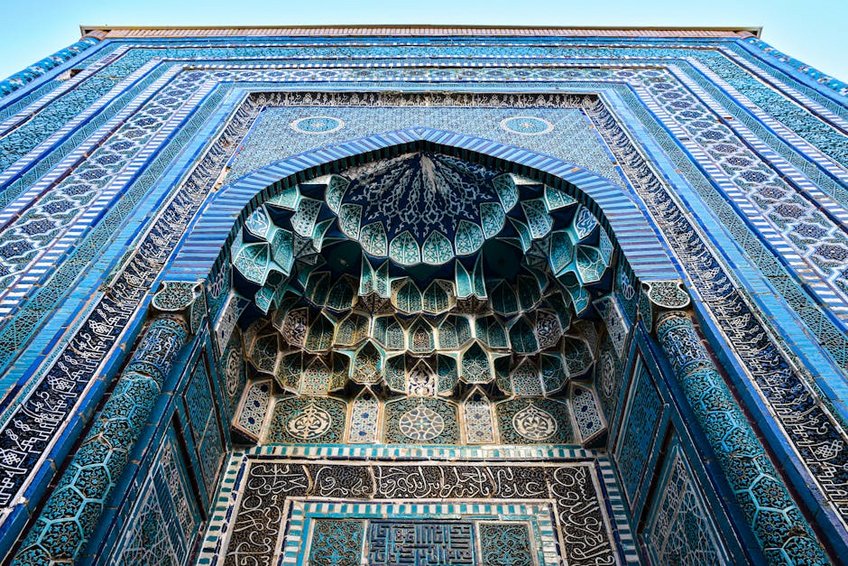
Alt: “registan-square-samarkand-silk-road-architecture-uzbekistan”
Uzbekistan Silk Road Tour Packages – Planning Your Trip
Selecting the right Uzbekistan Silk Road tour package depends heavily on your travel style, budget, and desired depth. Classic group tours efficiently cover the main highlights in 7-10 days, while private or custom tours allow for deeper cultural immersion, specialized photography focuses, or side trips to more remote areas. The key is matching the itinerary’s pace and inclusions with your personal interests.
Most packages are categorized by travel style: standard group tours, premium small-group journeys, and fully private custom adventures. Standard tours offer excellent value and social travel, while premium versions feature better hotels, more included meals, and expert guides. Private tours provide ultimate flexibility but at a higher cost per person.
Best Time to Visit Uzbekistan
The ideal seasons for a Silk Road tour are spring (April to early June) and autumn (September to October). During these months, daytime temperatures are pleasant, ranging from 65°F to 85°F (18°C to 30°C), and rainfall is minimal. Spring brings blooming flowers, while autumn offers harvest festivals and golden light perfect for photography. These are the most popular times, so book tours several months in advance.
Summer (July-August) sees intense heat, often exceeding 104°F (40°C) in cities like Samarkand, which can be exhausting for sightseeing. Winter (December-February) is cold, with temperatures between 25°F and 45°F (-4°C to 7°C), and some sites may have limited hours. However, winter offers fewer crowds and a unique, stark beauty across the landscapes.
Budget Planning and Costs
Tour package prices vary widely based on duration, accommodation level, and inclusions like meals and flights. A general budget estimate helps you compare options effectively.
Essential Preparation Checklist
Packing requires consideration of cultural norms and climate. Modest dress is appreciated, especially when visiting active moshes or mausoleums. For both men and women, this means covering shoulders and knees. Lightweight, loose-fitting layers are perfect for variable temperatures. A scarf is useful for women to cover their head if required. Comfortable, sturdy walking shoes are non-negotiable for navigating ancient cobblestone streets.
Essential items include a universal power adapter (Uzbekistan uses Type C and F sockets, 220V), a basic first-aid kit, hand sanitizer, and wet wipes. While ATMs are available in cities, having some US dollars in cash for exchange upon arrival is wise. Ensure you have digital and physical copies of your passport, tour voucher, and travel insurance documents.
Top Attractions and Cultural Experiences
Beyond the iconic monuments, the real magic lies in immersive experiences that connect you with living traditions. Wandering through a functioning trading dome in Bukhara, watching a master craftsman hand-paint ceramic tiles in Rishtan, or sharing a pot of green tea with locals in a chaikhana (teahouse) are moments that define the journey. These interactions provide color and context to the historical backdrop.
Each city has a distinct character. Samarkand impresses with its majestic scale, Bukhara enchants with its winding alleyways and scholar’s history, and Khiva transports you entirely to another era. Allowing time to simply get lost in the old towns, beyond the checklist of sites, often yields the most memorable encounters and photographs.
Must-See Architectural Highlights
The Registan in Samarkand is the undeniable centerpiece, with its three colossal madrasas—Ulugh Beg, Tilya-Kori, and Sher-Dor—creating a breathtaking square. Visit in the late afternoon for the best light and fewer crowds. The Shah-i-Zinda necropolis, a street of ornate mausoleums, offers a more intimate and spiritually resonant experience with its dazzling blue-tiled facades.
In Bukhara, the Po-i-Kalyan complex, dominated by the 12th-century Kalyan Minaret, is awe-inspiring. The Ark Fortress and the Samanid Mausoleum, a 10th-century brickwork masterpiece, are equally essential. Khiva’s compact Ichon-Qala contains everything within walking distance: climb the Islam Khoja Minaret for panoramic views and explore the Kuhna Ark fortress and Tash Hauli Palace.
Hidden Gems and Local Interactions
Venture beyond the main squares to discover quieter corners. In Samarkand, visit the bustling Siab Bazaar for photography and snacks, then find the nearby Hazrat Khizr Mosque for peaceful views. In Bukhara, seek out the Chor Minor madrasa with its four unique minarets and explore the workshops around the Lyab-i Hauz complex where artisans still practice ancient crafts.
For authentic interaction, join a family for a home-cooked meal, often arranged through your tour guide. Visit a local paper mill in Samarkand that still uses ancient techniques to make silk paper. In the Fergana Valley, you can observe the entire process of silk carpet weaving or ceramic production, from spinning the thread to the final fiery glaze.
Traditional Craft and Workshop Visits
Uzbekistan maintains vibrant craft traditions. In Rishtan, masters use natural minerals to create the distinctive blue and green ceramics. Bukhara is famed for its gold embroidery and miniature painting. Many tour packages include visits to these workshops, where you can see the painstaking skill involved and purchase directly from the artisans, supporting local heritage.
Practical Travel Logistics and Navigation
Modern Uzbekistan has invested heavily in tourist infrastructure. High-speed Afrosiyob trains comfortably connect Tashkent, Samarkand, and Bukhara, making travel between these cities efficient and scenic. For routes not served by fast trains, such as travel to Khiva, domestic flights or private vehicle transfers are standard inclusions in organized tour packages.
Accommodation options have vastly improved, ranging from Soviet-era hotels to charming boutique guesthouses in historic buildings and international luxury chains in Tashkent. Staying in a traditional guesthouse within a historic city center, like those in Bukhara’s old town, significantly enhances the atmospheric experience of your visit.
| Transport Type | Route & Details | Approx. Price (USD) |
|---|---|---|
| High-Speed Train (Afrosiyob) | Tashkent to Samarkand (2 hours); Samarkand to Bukhara (1.5 hours) | $20-$35 per ticket |
| Domestic Flight | Tashkent to Urgench (for Khiva) (1.5 hours); Includes transfer to Khiva | $50-$80 per ticket |
| Private Car & Driver | Full-day service for city touring or intercity travel (e.g., Bukhara to Khiva) | $60-$120 per day |
| Local Taxi/Yandex | Short trips within a city (e.g., hotel to train station) | $2-$5 per trip |