Tibet Lhasa Permit Requirements for International Travelers
Traveling to Tibet requires navigating a unique set of entry regulations that are independent of a standard Chinese visa. The Tibet Lhasa permit requirements are mandatory for all foreign passport holders, including U.S. and EU citizens, and securing this documentation is the critical first step in planning any visit. Understanding the specific types of permits, the authorized application channels, and the typical processing timeline is essential to avoid disappointment or travel disruptions. This guide breaks down every component you need to arrange for a smooth journey into the heart of the Himalayas.
Essential Tibet Travel Information
Tibet, officially the Tibet Autonomous Region (TAR), maintains special entry controls to protect its cultural heritage and manage tourism. These rules apply universally to all non-Chinese passport holders, regardless of whether you hold a valid Chinese tourist visa. The regulatory environment can change with little notice, so verifying details close to your travel date is crucial. Your adventure begins not with booking flights, but with securing the correct paperwork through official channels.
The primary authority managing foreign visits is the Tibet Tourism Bureau (TTB). All tour operators must be licensed by this bureau to apply for permits on behalf of travelers. Independent travel is not permitted; you must be part of an organized tour with a guide and private vehicle for the duration of your stay. This structured approach ensures visitors have logistical support in the high-altitude environment while following approved itineraries.
Understanding the Permit System
The process involves several layers of authorization. Here is what you need to know.
- The Tibet Travel Permit (TTP), or Lhasa Entry Permit, is the foundational document allowing you to enter Lhasa and travel within the TAR. Your tour operator submits your passport and Chinese visa details to the TTB in Lhasa to obtain it.
- Additional permits are required for travel outside Lhasa. The Alien’s Travel Permit, issued by the Public Security Bureau (PSB), is needed for regions like Shigatse and Everest Base Camp (North Face).
- Restricted area permits, such as the Military Permit, are necessary for visiting sensitive border regions like Mount Kailash or areas near the Indian border. These are more complex and expensive to secure.
- Budget Tour ($800-$1,200 USD for 8 days): Includes basic guesthouses, group transportation, all permits, a guide, and entrance fees. Meals are often not included. This is suitable for travelers comfortable with simple accommodations.
- Mid-Range Tour ($1,500-$2,500 USD for 8 days): Features comfortable 3-4 star hotels, private vehicle transport, all permits, guide, and some meals. Offers better comfort for acclimatization and more itinerary flexibility.
- Luxury Tour ($3,000+ USD for 8 days): Provides stays in the best available hotels (like St. Regis Lhasa), private guide and vehicle, all permits and fees, and most meals. Focuses on maximum comfort and personalized service at high altitude.
- Tibet Tourism Bureau (Licensed Operator Resource)
- Lonely Planet Tibet Travel Guide
Key Details and Restrictions
Your passport must be valid for at least six months beyond your entry date and have blank pages. You must also possess a standard Chinese tourist visa (L Visa) issued from a Chinese embassy or consulate in your home country before the permit application can begin. The visa application should not mention Tibet as your destination; list mainstream Chinese cities like Beijing or Chengdu instead.
Certain nationalities, including journalists and diplomats, often face additional scrutiny and may be denied permits. Travel is also prohibited during politically sensitive periods, which are not publicly announced. The entire system underscores why planning your Tibetan journey requires more lead time and flexibility than a typical vacation.
Geography and Cultural Significance
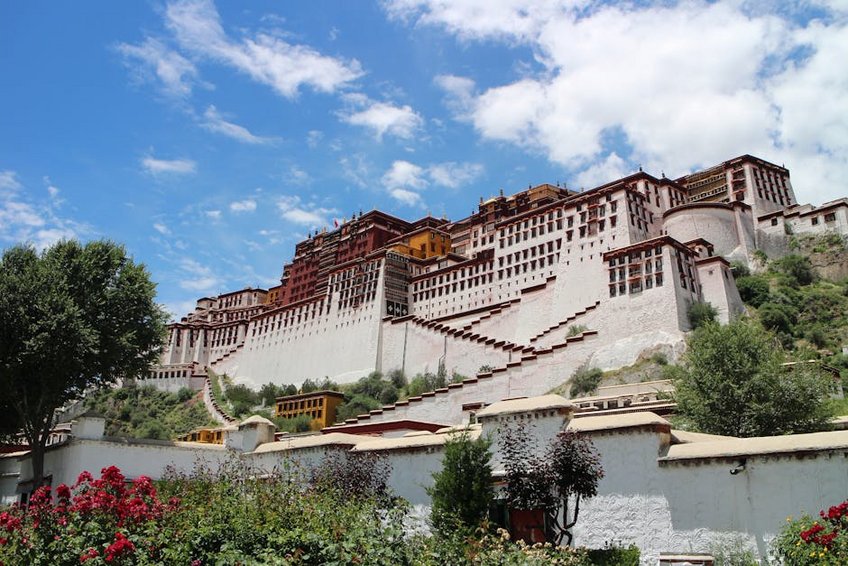
Tibet’s average elevation exceeds 4,500 meters (14,800 feet), making acclimatization a serious health consideration. Lhasa itself sits at 3,656 meters (11,990 feet). The region’s profound Buddhist culture, centered around the iconic Potala Palace and Jokhang Temple, is the main draw for visitors. Respecting local customs and religious sites is a fundamental part of the travel experience here.
Alt: “lhasa-potala-palace-tibet-travel-permit-background”
Tibet Lhasa Permit Requirements – Planning Your Trip
Successfully meeting the Tibet Lhasa permit requirements hinges on three pillars: choosing a licensed tour operator, understanding the application timeline, and providing accurate documentation. You cannot apply for these documents yourself; a TTB-licensed agency in Tibet must sponsor your visit and handle all paperwork. Start communications with potential operators at least three to four months before your intended travel dates, especially for peak season.
The cost of your tour package will include the permit fees, but transparency varies. A reputable operator will provide a clear breakdown. Budget between $50 to $200 USD for the standard permits, depending on your itinerary. The more remote areas you include, the higher the cost and complexity. Your operator will need precise passport scans and your planned travel dates to initiate the process.
Once issued, the physical Tibet Travel Permit is typically sent to your hotel in a gateway city in China, like Chengdu or Kathmandu. You will need to present it when checking in for your flight or train to Lhasa. Never pack it in your checked luggage. Carry both your passport and the permit with you at all times during the trip, as checkpoints are common.
Best Time to Visit Tibet
The optimal window for visiting Lhasa and central Tibet is from late April to early June and again from September to October. During these months, daytime temperatures range from 10°C to 20°C (50°F to 68°F) with minimal rainfall and clear skies, ideal for sightseeing and mountain views. The summer monsoon (July-August) brings warmer weather but increased rain, which can cause road closures.
The winter months from November to March are cold, with Lhasa temperatures often between -5°C and 10°C (23°F to 50°F). While fewer tourists visit and permits can be easier to secure, some remote roads and passes close due to snow. Major festivals like Losar (Tibetan New Year) offer incredible cultural immersion but require booking a year in advance due to high demand.
Budget Planning and Costs
Your total cost breaks down into three main categories: the mandatory tour, permits, and international flights.
Essential Preparation Checklist
Begin by securing your Chinese visa from your home country 2-3 months in advance. Simultaneously, research and book a licensed Tibet tour operator. They will require clear color scans of your passport’s information page and Chinese visa to start the permit process. Finalize your trip itinerary with the operator to ensure all desired destinations are permit-accessible.
Medically, consult your doctor about altitude sickness medication (like Acetazolamide). Pack layered clothing for variable conditions, strong sunscreen, lip balm, and quality sunglasses. Bring adequate supplies of any personal prescription medications. Travel insurance that covers emergency high-altitude evacuation is non-negotiable. Confirm your operator has a clear emergency protocol.
Top Attractions and Cultural Sites
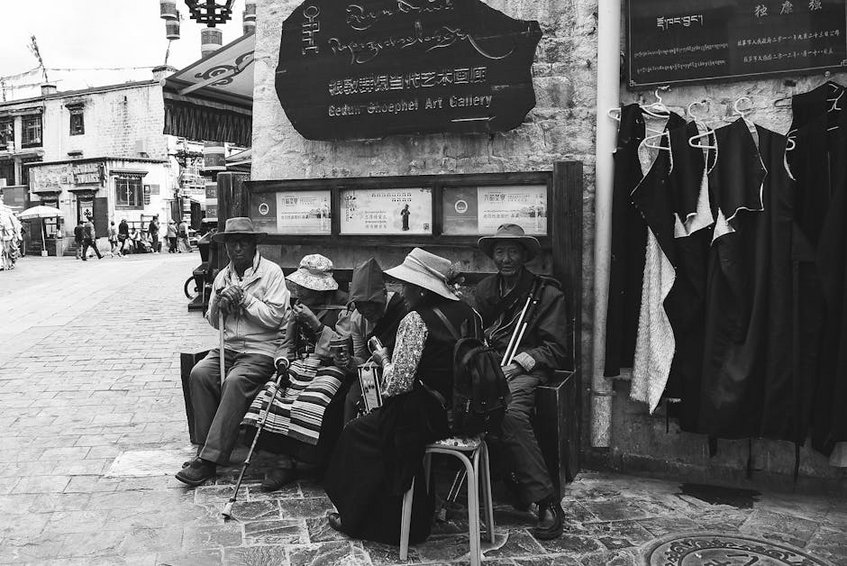
Lhasa serves as the spiritual and cultural heart of Tibet, home to UNESCO World Heritage sites that have drawn pilgrims for centuries. The city’s layout centers around the Barkhor Street pilgrimage circuit, a bustling market area surrounding the Jokhang Temple. Beyond Lhasa, the Himalayan landscape opens up to monasteries perched on cliffs, turquoise lakes, and the mighty north face of Mount Everest.
Visiting these sites is governed by your permits and itinerary. Your guide will facilitate entry and provide essential cultural and historical context. Remember that photography is often prohibited inside temple halls, and circumambulation (walking clockwise around sacred objects) is the respectful practice. Always follow your guide’s instructions at religious sites.
Must-See Highlights in Lhasa
The Potala Palace, the former winter residence of the Dalai Lama, dominates the Lhasa skyline. Visiting requires climbing numerous steps at altitude, so pace yourself. Tickets (around $30 USD) are limited and booked by your tour operator for a specific entry time. The interior contains countless chapels, tombs, and artifacts spanning over 1,300 years of history.
Jokhang Temple is the most sacred temple in Tibetan Buddhism. Inside, the Jowo Sakyamuni statue is a profoundly revered image. The temple complex is active with worshippers throughout the day. Sera Monastery, on the city’s outskirts, is famous for its daily monastic debates held in a courtyard each afternoon, a fascinating spectacle of theological discourse.
Venturing Beyond Lhasa
A trip to Gyantse and Shigatse requires the Alien’s Travel Permit. Gyantse is known for its magnificent multi-tiered Kumbum Stupa at Pelkor Chode Monastery. Shigatse hosts Tashilhunpo Monastery, the traditional seat of the Panchen Lama. The friendship highway connecting these cities offers stunning views of Yamdrok Lake, one of Tibet’s three great sacred lakes.
The journey to Everest Base Camp (North Face) in Tingri County is a highlight for many. The permit process here is stricter. You’ll stay in basic tent guesthouses or the Rongbuk Monastery guesthouse near the base camp viewing area. Sunrise views of Everest from this vantage point are unparalleled. The high altitude at Base Camp (over 5,200m/17,060ft) demands proper acclimatization.
Monastic Life and Pilgrimage Routes
Beyond the major sites, experiencing monastic life is key. Visiting Ganden Monastery, about a two-hour drive from Lhasa, provides insight into the Gelugpa school of Buddhism. The kora (pilgrimage path) around the monastery offers panoramic views and a chance to walk alongside praying locals. These moments often become the most memorable parts of a Tibetan journey.
Practical Travel Information and Logistics
All travel within the Tibet Autonomous Region for foreigners must be arranged through a licensed tour operator, who provides the vehicle, driver, and guide. Your itinerary is fixed once permits are issued; making significant changes on the road is very difficult. Accommodation standards vary greatly, from simple guesthouses in remote areas to international hotels in Lhasa. Your operator will book all hotels as part of your package.
Connectivity can be limited. While Lhasa has 4G coverage, internet access in remote areas is slow or non-existent. International social media platforms and news websites are blocked across China, including Tibet. Download necessary maps, translation apps, and entertainment before you arrive. Power outlets are standard Chinese (220V, Type A, C, or I), so bring a suitable adapter.
| Category | Options/Features | Price Range (USD) |
|---|---|---|
| Flights to Lhasa | Chengdu to Lhasa (2 hrs); Kathmandu to Lhasa (1.5 hrs). Booked by tour operator due to permit check. | $200-$400 (one-way) |
| Train to Lhasa | Qinghai-Tibet Railway from Xining (21 hrs). Scenic but requires permit for ticket purchase. | $100-$200 (hard sleeper) |
| In-Region Transport | Private Land Cruiser with driver for 4 passengers. Fuel and tolls included in tour cost. | Included in tour |
| Accommodation (Lhasa) | From basic guesthouses to 5-star (St. Regis). All booked and confirmed by operator. | $30-$300/night |