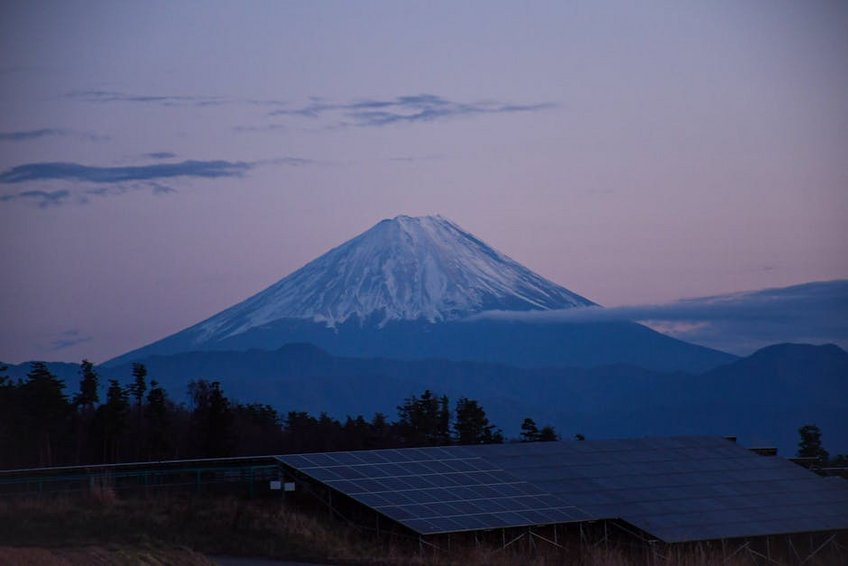
Japan Mount Fuji Climbing Season
Scaling Mount Fuji, Japan’s iconic 3,776-meter peak, is a profound cultural and physical journey accessible only during its brief official summer window. The Japan Mount Fuji climbing season officially runs from early July to early September, dictated by snowmelt and safety protocols. This guide details the critical planning steps, seasonal trail conditions, and cultural logistics for a successful summit attempt, turning your aspiration into a well-executed adventure.
Essential Fuji Climbing Information
Mount Fuji isn’t just a mountain; it’s a UNESCO World Heritage site and an active stratovolcano deeply woven into Japanese spiritual and artistic tradition. The climbing season exists to protect both the environment and climbers, as winter conditions make the ascent extremely hazardous. All four main trails—Yoshida, Subashiri, Gotemba, and Fujinomiya—are managed under strict seasonal rules.
Public mountain huts, transportation services like direct buses from Tokyo, and ranger stations operate solely within this official period. Climbing outside this designated timeframe is strongly discouraged and often illegal, with no support services and a significantly higher risk of accidents. Understanding this seasonal framework is the first step toward a responsible and fulfilling climb.
Official Season Dates and Trail Access
The season dates shift slightly yearly based on snowpack but generally adhere to this schedule. The Yoshida Trail on the Yamanashi Prefecture side, the most popular and beginner-friendly route, typically opens July 1 and closes September 10. The Shizuoka Prefecture trails (Subashiri, Gotemba, Fujinomiya) often open a week later, around July 10, and close by September 10.
- Yoshida Trail: Opens earliest (July 1), features the most mountain huts, and is best for first-time climbers seeking a traditional experience with sunrise views from the summit.
- Fujinomiya Trail: The shortest but steepest route from the south, opening around July 10; ideal for experienced hikers seeking a quicker, more direct ascent.
- Subashiri & Gotemba Trails: Less crowded alternatives; Subashiri merges with Yoshida near the top, while Gotemba is the longest and least developed, offering a more solitary challenge.
- Budget DIY Climber ($150-$250): Uses public transit to the 5th Station, climbs without hut rest (bullet climb), brings own food/water. Saves money but is physically demanding and higher risk for AMS. Only recommended for very fit, experienced hikers.
- Standard Supported Climber ($300-$450): Includes reserved bus transport, a reserved space in a mountain hut for a 3-5 hour rest, and two meals. This is the ideal balance for most, allowing for proper acclimatization and a safer, more enjoyable experience.
- Guided Luxury Experience ($500-$800+): Features small group sizes, English-speaking certified guides, premium hut accommodations, high-end gear rental, and seamless logistics. Best for those prioritizing safety, education, and stress-free planning.
- Official Mount Fuji Climbing Website
- Japan National Tourism Organization (Mount Fuji)
Mountain Classification and Difficulty
While not a technical climb requiring ropes, Mount Fuji is a serious high-altitude trek. The altitude presents the biggest challenge, with rapid weather changes and potential for acute mountain sickness (AMS). The climb is consistently steep, involving volcanic scree and switchbacks rather than forest paths.
Most climbers rate the physical exertion as strenuous. Success depends more on pacing, acclimatization, and proper gear than sheer fitness. The descent is often more punishing on the knees than the ascent. Mentally preparing for a long, demanding night hike is crucial for enjoying the iconic sunrise, or Goraikō.
Cultural Significance of the Climb
For centuries, Fuji has been a sacred site for Shugendō (mountain asceticism) practitioners. Modern climbers partake in this pilgrimage tradition. Key cultural practices include purchasing a bokutō (wooden walking stick) to collect branded stamps at each station and purifying oneself at summit shrines.
Climbers are expected to follow strict Fujisan no Etiquette. This includes carrying out all trash, staying on designated paths to prevent erosion, and maintaining a quiet, respectful demeanor, especially at night near mountain huts. The climb is seen as a test of spirit, not just a physical conquest.
Alt: “mount-fuji-yoshida-trail-sunrise-hikers-summer-season”
Japan Mount Fuji Climbing Season – Planning Your Trip
Meticulous planning separates a memorable summit from a miserable ordeal. Your success hinges on booking key services months in advance and choosing the optimal date within the season. Weather in July is more volatile with residual snow patches, while August offers stable conditions but maximum crowding. Early September provides cooler temps and fewer people but a shorter weather window.
Budget approximately $200-$500 USD per person for a two-day climb, excluding international flights. This covers round-trip bus transport from Tokyo ($60-$100), hut accommodation with meals ($80-$120), climbing fees and stick stamps ($20-$40), and gear rental if needed. Guided tours start around $400 and handle all logistics, ideal for first-timers.
Secure your mountain hut reservation the moment bookings open in April. Similarly, reserve your bus seat from Shinjuku or Kawaguchiko Station at least a month prior. A detailed hour-by-hour itinerary is essential to coordinate bus arrivals, hut check-ins, and your summit push timing for dawn.
Best Time to Visit for a Summit Climb
The absolute peak period for climbing Mount Fuji is from late July to the end of August. During these weeks, you have the highest probability of clear skies for the sunrise and the mildest nighttime temperatures, which still hover around freezing (32°F/0°C) at the summit. All facilities are fully operational.
For fewer crowds, target the very beginning of July (Yoshida Trail only) or the first week of September. Be prepared for colder and more unpredictable weather, with summit temperatures potentially dropping to 23°F (-5°C). The Obon holiday in mid-August is the single busiest period, with trails feeling congested.
Budget Planning and Costs
Your total cost depends heavily on your chosen style: independent DIY, basic supported, or guided luxury. Here is a typical cost breakdown for the primary options available to climbers.
Essential Preparation Checklist
Packing correctly is non-negotiable. The summit can be 40°F (22°C) colder than the 5th Station. You need a moisture-wicking base layer, insulating mid-layer (fleece/down), and a waterproof/windproof outer shell. Sturdy, broken-in hiking boots with ankle support are critical for the uneven scree.
Other must-haves include a headlamp with extra batteries, gloves, a warm hat, high-energy snacks, 1.5-2 liters of water, and cash for stamps, donations, and emergency supplies. Physically, train with stair climbing and hiking with a loaded pack for 6-8 weeks prior. Acclimatize by spending a night at a mid-mountain hut instead of rushing from sea level.
Top Trails and Summit Experiences
Choosing your trail defines your climb’s character. The Yoshida Trail offers camaraderie and classic infrastructure, while the Fujinomiya Trail provides efficiency. The Subashiri Trail features beautiful forest sections, and the Gotemba Trail promises solitude and a vast volcanic landscape. Each path converges near the summit crater, where the circumnavigation walk is a highlight.
Beyond the sunrise, the summit experience includes visiting the Kengamine peak (the true highest point), mailing a postcard from Japan’s highest post office, and exploring the crater’s inner rim. The sense of accomplishment amidst the sweeping views of the “Sea of Trees” and, on rare days, distant Tokyo, is unparalleled.
Must-See Summit Highlights
The Goraikō sunrise viewed from the summit is the climactic moment. The best viewing spots are around the weather station and the various eastern-facing crater rim points. Arrive at least 30 minutes before dawn to secure a place, as hundreds will gather. The first ray of light illuminating the shadow of Fuji across the land is breathtaking.
The Ohachi Meguri crater walk takes about an hour and lets you peer into the active volcanic vent. The historic Fujisan Hongū Sengen Taisha shrine and the highest post office in Japan are also located here. Take time to rest and hydrate at the summit before beginning your descent, which requires equal focus.
Hidden Gems and Alternative Views
For a less crowded sunrise, consider watching from the 8th or 9th Station on the Subashiri Trail, which offers a stunning profile view of the mountain’s silhouette. The Sunabe trail connecting the Yoshida and Subashiri paths is a quiet, scenic alternative used by few climbers.
Around Fuji’s base, the Fuji Five Lakes region offers spectacular reverse views of the mountain. Lake Kawaguchiko provides perfect reflection shots on calm mornings. The Chureito Pagoda in Fujiyoshida is a famous photography spot framing the mountain with traditional architecture, best visited in the early morning to avoid tour buses.
Post-Climb Onsen Recovery
Soaking in a natural hot spring (onsen) is the perfect ritual after your descent. Numerous onsen towns like Fuji-Yoshida and Gotemba offer facilities specifically catering to weary climbers. The mineral-rich waters help soothe sore muscles and complete the traditional Japanese mountain pilgrimage experience. It’s a celebrated and highly recommended conclusion to your journey.
Practical Travel and Logistics Guide
Getting to the mountain is a structured process. Most international travelers fly into Tokyo’s Narita (NRT) or Haneda (HND) airports. From central Tokyo, direct highway buses run to the Subaru Line 5th Station (starting point for Yoshida Trail) from the Shinjuku Highway Bus Terminal. The journey takes about 2.5 hours.
For other trails, you may need to take a train to a nearby city like Gotemba or Fujinomiya, then transfer to a local bus. Purchasing a bus ticket with a reserved seat is mandatory during the season. Rental cars are not recommended for accessing the 5th Stations due to traffic restrictions and limited parking.
| Accommodation Type | Description & Features | Price Range (USD) |
|---|---|---|
| Mountain Hut (Shared) | Dorm-style bunk, includes dinner & breakfast, reserved time slot for rest (e.g., 7 PM-1 AM). | $80 – $120 per person |
| Base Hotel (Kawaguchiko) | Western-style hotel with private bath, convenient for pre/post-climb stays, easy bus access. | $100 – $200 per night |
| Traditional Ryokan | Authentic Japanese inn with tatami rooms, kaiseki dinner, and onsen baths for recovery. | $150 – $300 per night |
| Capsule Hotel (Tokyo) | Ultra-efficient budget option for a night before catching an early morning bus to the trailhead. | $30 – $50 per night |