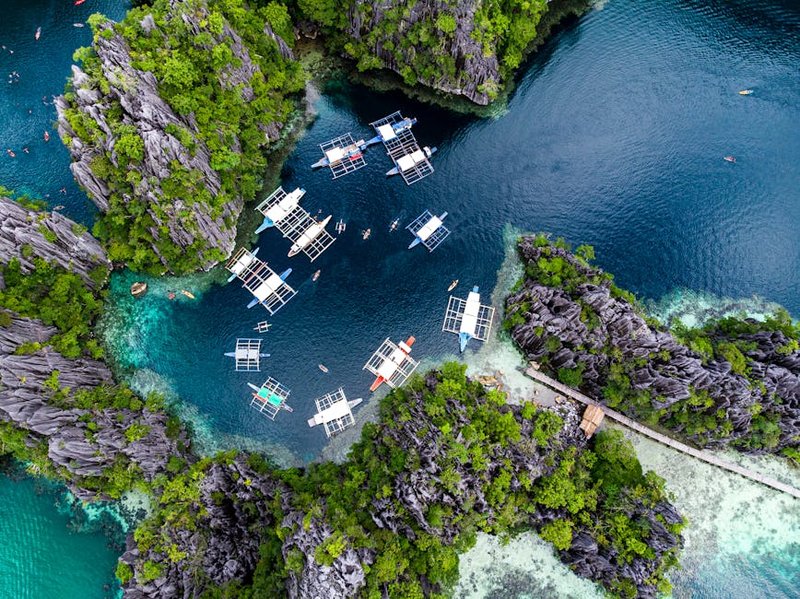
Philippines El Nido Island Hopping Tours Guide
Embarking on an El Nido island hopping tour immerses you in the breathtaking seascape of northern Palawan. These structured excursions navigate between towering limestone karsts, hidden lagoons, and pristine coral reefs accessible primarily by boat. Your adventure here balances awe-inspiring natural beauty with practical logistics for a seamless tropical getaway.
Exploring El Nido’s Island Hopping Routes
El Nido’s tourism office has standardized four primary island hopping circuits: Tours A, B, C, and D. This system organizes the sprawling Bacuit Archipelago into manageable day trips, each highlighting distinct geological formations and aquatic environments. Visitors typically book these through local operators in town, with tours departing daily from the main beach.
Each circuit follows a set itinerary to manage the high volume of visitors and protect sensitive ecosystems. The tours include licensed guides, boat transfers, buffet lunches, and basic snorkeling gear. You’ll share a medium-sized outrigger boat, called a bangka, with 10-15 other travelers for a sociable, cost-effective experience on the water.
Tour A: The Essential Big Lagoon Route
This popular route showcases El Nido’s iconic postcard views, making it ideal for first-time visitors. The tour focuses on the majestic Big Lagoon and its neighboring attractions, offering a concentrated dose of the archipelago’s most famous scenery. It combines easy swimming areas with more dramatic geological sites.
- Big Lagoon: Paddle through tranquil turquoise waters surrounded by sheer limestone cliffs, best visited early to avoid afternoon crowds forming by 10 AM.
- Secret Lagoon: Access a hidden pool through a small crevice in the rock, revealing a secluded swimming spot perfect for a refreshing dip.
- Simizu Island: Enjoy your included picnic lunch on a white-sand beach with excellent snorkeling right offshore near vibrant coral gardens.
- Seven Commando Beach: Conclude your day at this lively stretch with palm trees, beach volleyball, and casual bars serving fresh coconuts.
- Budget Traveler: Join a standard group tour ($25), pay the mandatory environmental fee ($5), use public tricycles for transport ($2), and bring your own snacks. Total daily cost: Approximately $32-40 USD per person.
- Mid-Range Explorer: Book a semi-private tour with a smaller group ($40-50), include kayak rental at Big Lagoon ($10), and take a private tricycle transfer. Total daily cost: Around $60-75 USD per person with more comfort and flexibility.
- Premium Experience: Charter a private boat for a customized itinerary ($120), hire a dedicated guide, include a premium seafood lunch, and arrange hotel speedboat pickup. Total daily cost: $150-200 USD for a personalized, unhurried adventure.
- El Nido Municipal Tourism Office
- U.S. News Travel Palawan Guide
Tour B: Caves and Snake Island
Tour B delivers a blend of cultural history and unique geography across its various stops. The itinerary features several cathedral-like caves and the distinctive sandbar formation known as Snake Island. This route often feels slightly less crowded than Tour A, providing a more relaxed pace for exploration.
Key highlights include Cathedral Cave, a massive cavern with impressive acoustics and a small shrine inside. You’ll also visit Pinagbuyutan Island, known for its dramatic rock formations and photogenic scenery. The tour’s namesake, Snake Island, reveals a winding sandbar connecting two islands during low tide that you can walk across.
Tour C: Helicopter Island and Secret Beach
Considered the most scenic and comprehensive tour, Circuit C ventures further into the archipelago. It features renowned destinations like Hidden Beach and Matinloc Shrine, requiring longer boat travel times but rewarding with exceptional beauty. This is the premier choice for photography enthusiasts and avid snorkelers.
Helicopter Island, named for its distinctive shape, offers one of El Nido’s longest and finest white-sand beaches. Matinloc Shrine presents an abandoned religious complex on a private island with an eerie, atmospheric quality. The tour also includes Secret Beach, accessible only by swimming through a small opening in the rock wall.
Philippines El Nido Island Hopping Tours – Planning Your Trip
Booking your El Nido island tour requires some strategy to ensure the best experience. While you can reserve in advance online, many travelers successfully book a day in person at one of the dozens of operators along Calle Hama or the beachfront. This allows for last-minute weather checks and potential price negotiation during the low season from June to October.
Standard group tours cost between $20-30 USD per person, covering boat transport, guide fees, lunch, and equipment. Private charter options range from $80-150 USD for the entire boat, accommodating up to six people for a customized itinerary. Always verify what’s included, as some budget operators may charge extra for environmental fees or kayak rentals at the lagoons.
Prepare for full sun exposure by bringing reef-safe sunscreen, a rash guard, and a wide-brimmed hat. Pack your belongings in a dry bag, as boat rides can be splashy, and carry sufficient Philippine pesos for additional drinks, tips, and souvenir purchases at island stops. Your day will involve moderate physical activity, including climbing in and out of boats and some light swimming.
Best Time to Visit El Nido for Island Hopping
The ideal window for calm seas and sunny weather runs from late November through mid-May, considered the dry season. During these months, you can expect minimal rainfall, average temperatures between 77-90°F (25-32°C), and excellent underwater visibility for snorkeling. January to April sees the highest visitor numbers, so book tours and accommodations several weeks in advance.
The shoulder months of November and May offer a good compromise with fewer crowds while still providing generally favorable conditions. The wet season from June to October brings more frequent rain showers, possible tour cancellations due to rough seas, and reduced visibility, though you’ll find significantly lower prices and availability during this period.
Budget Planning and Costs
Your daily budget for island excursions varies based on tour type, group size, and inclusions. Beyond the tour price, factor in environmental fees, transportation, and extras.
Essential Preparation Checklist
Proper preparation transforms a good island day into a great one. Essential items include a waterproof phone case or dry bag, reef-safe sunscreen (SPF 50+), a quick-dry towel, and a reusable water bottle. Wear secure sandals or water shoes for walking on sharp coral and rocky beaches, and bring a light cover-up for sun protection during lunch stops.
Ensure you have the 200 PHP environmental fee receipt, often purchased separately from your tour ticket at the tourism office. Carry small bills in Philippine pesos for tipping boat crews (50-100 PHP is customary), buying extra drinks, and renting waterproof cameras. Confirm your tour includes life jackets and check their condition before departing the beach.
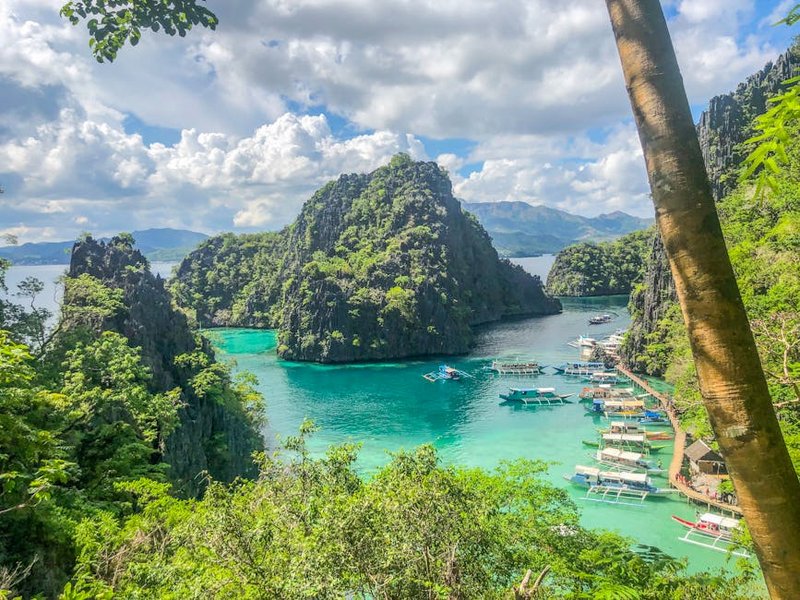
Alt: “el-nido-big-lagoon-turquoise-waters-kayaking-limestone-cliffs”
Top Island Hopping Attractions and Activities
Beyond the standard circuit itineraries, the Bacuit Archipelago holds countless coves, reefs, and hidden spots worth discovering. The area’s marine biodiversity includes over 800 fish species and 100 coral types, creating world-class snorkeling conditions. Many operators now offer combination or special-interest tours focusing on specific activities like bird watching, sunset sailing, or advanced diving.
For a unique perspective, consider a kayaking tour that allows you to explore narrow channels and secret beaches inaccessible to larger boats. Several companies rent transparent kayaks, providing stunning views of the reef below. Sunset sailing tours on traditional paraw boats offer a magical evening experience as the karsts silhouette against the orange sky.
Must-See Highlights
Small Lagoon, often included in Tour A, requires swimming or kayaking through a narrow opening to reach its serene, enclosed waters. This intimate spot feels worlds away from the open sea and offers excellent paddleboarding opportunities. Visit before 9 AM to enjoy relative solitude before the main tour groups arrive.
Secret Beach, made famous by Alex Garland’s novel “The Beach,” remains a breathtaking destination on Tour C. Access involves a short swim through a rock fissure only passable during calm tide conditions. Inside, you’ll find a perfectly circular beach surrounded by vertical cliffs, with sunlight filtering dramatically through the entrance.
Matincad Island provides stunning panoramic views of the entire archipelago from its elevated viewpoint. A moderate 10-minute climb rewards you with one of Palawan’s most photographed vistas. The island also features beautiful coral gardens just offshore, perfect for a post-hike snorkeling session.
Hidden Gems and Local Favorites
Venture beyond the standard circuits to discover Cadlao Island’s abandoned resort, offering an intriguing glimpse into 1990s tourism with overgrown pathways and crumbling structures. The island’s eastern side features pristine, rarely visited beaches where you might have an entire cove to yourself. Local fishermen sometimes offer spontaneous trips here for around 1500 PHP per boat.
Pangalusian Island, though part of a private resort, allows day visitors to access its spectacular 750-meter sandbar during certain hours. The snorkeling around the house reef is exceptional, with frequent turtle sightings. Inquire locally about day-pass availability, which typically costs around 1000 PHP including a lunch voucher.
Snorkeling and Marine Conservation
El Nido’s coral reefs showcase remarkable biodiversity, though some areas show signs of damage from past unsustainable tourism. Responsible operators now practice “no touch, no take” policies and provide buoyancy briefings to prevent reef contact. The best snorkeling spots include the coral gardens near Seven Commando Beach and the vibrant ecosystems around Entalula Island.
Consider joining a conservation-focused tour that includes educational components about marine protection. Some operators collaborate with local NGOs, dedicating a portion of their profits to reef restoration projects. These tours often visit less-frequenced sites where coral health remains excellent, providing both a superior experience and direct support for preservation efforts.
Practical Travel Information for El Nido
Reaching El Nido involves a combination of air and land travel, as the town lacks a commercial airport capable of handling large jets. Most international travelers fly into Manila (MNL) or Cebu (CEB), then take a connecting flight to Puerto Princesa (PPS), Palawan’s capital. From Puerto Princesa, a 5-6 hour van transfer completes the journey to El Nido town proper.
Alternative routes include direct flights from Manila to El Nido’s Lio Airport via AirSwift, though these come at a premium price. Another scenic option involves flying to Coron (Busuanga) and taking a 4-hour ferry across the Linapacan Strait. Each route offers different trade-offs between cost, time, and comfort that you should weigh based on your itinerary and budget.
| Accommodation Type | Location & Features | Price Range (USD/Night) |
|---|---|---|
| Budget Hostel | Basic dorm beds in town center, shared bathrooms, social atmosphere, walking distance to beach | $8-15 |
| Mid-Range Hotel | Private rooms with AC, hot showers, pool, breakfast included, short tricycle ride to town | $35-70 |
| Boutique Resort | Beachfront bungalows, restaurant, tour desk, kayak rentals, sunset views | $80-150 |
| Luxury Island Resort | Private island location, all-inclusive meals, spa, dedicated boat transfers, exclusive beaches | $250-500+ |