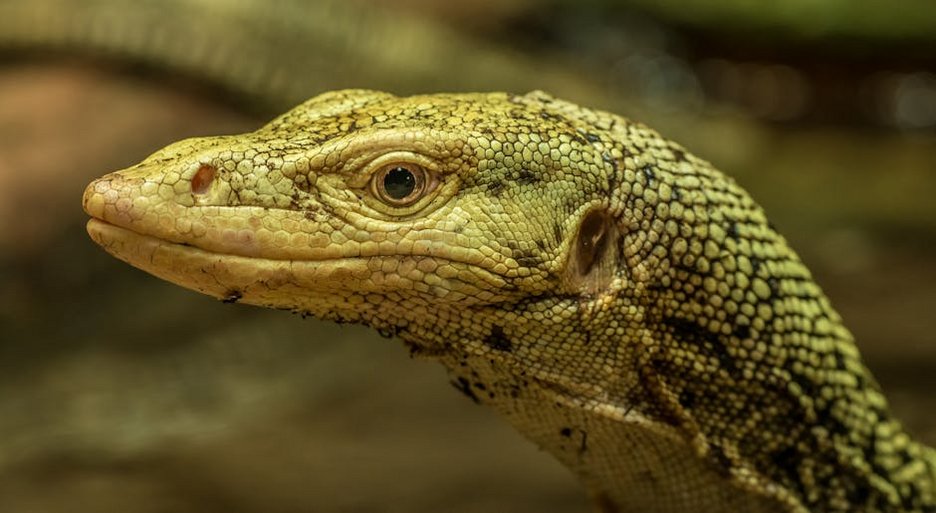
Indonesia Komodo Island Liveaboard: Your Ultimate Sailing & Diving Adventure
An Indonesia Komodo Island liveaboard is the definitive way to experience the raw, untamed beauty of Komodo National Park. This multi-day sailing journey allows you to dive pristine reefs, hike on islands ruled by prehistoric dragons, and witness stunning sunsets from the deck of a traditional phinisi schooner. You’ll explore remote dive sites inaccessible to day-trippers, turning a simple vacation into a comprehensive marine and terrestrial expedition.
Essential Komodo National Park Information
Komodo National Park is a UNESCO World Heritage site spanning over 1,800 square kilometers in Indonesia’s Lesser Sunda Islands. Established in 1980 primarily to protect the Komodo dragon, the park’s significance extends to its incredibly rich marine biodiversity. The park encompasses three major islands—Komodo, Rinca, and Padar—along with numerous smaller islets and some of the world’s most dynamic underwater landscapes.
The region experiences a distinct dry season from April to November, characterized by strong southeastern winds and cooler, nutrient-rich waters that fuel explosive marine life. The wet season runs from December to March, bringing calmer seas, warmer water, and better visibility, though occasional rain showers are likely. This seasonal shift creates two distinctly different liveaboard experiences, each with unique highlights.
What You Need to Know Before Booking
Understanding the basics of a Komodo liveaboard ensures you book the right trip for your expectations and skill level. These voyages are not typical cruises but adventurous expeditions focused on diving and exploration.
- Most Komodo sailing adventures range from 3 to 7 nights, with 5-night itineraries being the most popular for covering key highlights without feeling rushed. Shorter trips focus on central sites, while longer journeys reach the remote northern sites.
- The primary vessels are traditional Indonesian phinisi schooners, crafted from ironwood and teak. They range from budget-friendly shared cabins to luxury yachts with air-conditioning, ensuite bathrooms, and sun decks.
- Strong currents are a defining feature of Komodo’s best dive sites. While thrilling for experienced divers, they demand good buoyancy control. Many operators require a minimum of 30-50 logged dives for safety.
- Budget Option ($900-$1,400 for 5 nights): Basic phinisi with shared bathrooms, fan-cooled cabins, and simple meals. Perfect for adventurous divers prioritizing time in the water over cabin luxury. Book directly with local operators in Labuan Bajo.
- Mid-Range Option ($1,800-$2,800 for 5 nights): Comfortable vessel with air-conditioned cabins, ensuite bathrooms, a spacious dive deck, and higher-quality food. This category offers the best value, balancing comfort, service, and a well-planned itinerary.
- Luxury Option ($3,000-$6,000+ for 5 nights): High-end phinisi or modern yacht with elegant design, premium cuisine, a dedicated photo pro, and amenities like a hot tub. Service is impeccable, and itineraries may include exclusive or remote sites.
- Komodo National Park Official Website
- Diveplanit Komodo Diving Guide
Key Park Rules and Regulations
The park authority enforces strict rules to protect its fragile ecosystems. Your liveaboard crew will brief you on all regulations, but understanding them beforehand is crucial. All visitors must be accompanied by a certified park ranger when trekking on Komodo or Rinca islands for safety around the dragons.
A park entrance fee is mandatory and is usually included in your liveaboard package price. The fee varies but is approximately $15-$25 per day. This contribution directly funds conservation efforts, ranger patrols, and community programs within the park boundaries, helping sustain this unique environment.
The Unique Marine Environment
The underwater world here is part of the Coral Triangle, the global epicenter of marine biodiversity. Currents funnel nutrients through the park’s straits, supporting vast coral gardens, massive schools of fish, and large pelagic species. You can expect thrilling drift dives along underwater pinnacles.
Manta rays are a major highlight, with several cleaning stations reliably visited year-round. From tiny pygmy seahorses to cruising sharks and playful dolphins, the sheer density and variety of life are unparalleled. The hard and soft corals provide a vibrant backdrop for every dive, making each descent a visual feast.
Alt: “traditional-phinisi-schooner-sailing-komodo-island-dragon-hills”
Indonesia Komodo Island Liveaboard – Planning Your Trip
Careful planning transforms a good liveaboard trip into an exceptional one. Your Indonesia Komodo Island liveaboard experience hinges on choosing the right season, vessel, and itinerary to match your diving goals and comfort preferences. Booking at least 3-6 months in advance is advisable for the best selection of cabins and departure dates, especially for peak season voyages.
Budget accurately by understanding what’s included. Most liveaboards are full-board, covering all meals, snacks, diving (including tanks and weights), and park fees. Extras typically include alcoholic beverages, rental gear, crew tips (a standard $15-$20 per day), and nitrox fills for enriched air divers. Clarify these details with the operator before booking.
Best Time to Visit Komodo National Park
The ideal time for your Komodo sailing trip depends on your priorities. For the absolute best underwater conditions and guaranteed manta ray sightings, target the dry season from June to September. Water temperatures cool to a refreshing 75-79°F (24-26°C), and nutrient-rich currents attract immense marine life, though visibility can be lower at 50-80 feet.
The wet season (December-March) offers superior visibility, often exceeding 100 feet, and warmer water at 82-86°F (28-30°C). Seas are generally calmer, making it ideal for newer divers or those prone to seasickness. Shoulder months like April-May and October-November provide a balance of conditions, fewer boats, and potentially better deals.
Budget Planning and Costs
Liveaboard costs vary dramatically based on boat luxury, trip length, and cabin type. Here is a typical breakdown for a per-person rate.
Essential Preparation Checklist
Packing correctly is crucial for comfort and safety. Beyond standard dive gear, bring a reef-safe sunscreen, a rash guard for sun protection, motion sickness medication (like Dramamine), a reusable water bottle, and a waterproof dry bag for island landings. A good quality camera is a must for both above and below water photography.
Ensure your travel documents are in order. You’ll need a passport valid for six months beyond your arrival date. Most nationalities receive a 30-day visa on arrival in Indonesia for a fee (approx. $35). Purchase comprehensive dive travel insurance that includes hyperbaric chamber evacuation. DAN (Divers Alert Network) or similar coverage is highly recommended.
Top Attractions and Diving Highlights
Komodo National Park offers a stunning array of world-class dive sites and iconic terrestrial landscapes. The beauty of a liveaboard is accessing sites like Castle Rock or Crystal Rock early in the morning, before day boats arrive, when shark activity is at its peak. Each dive promises something different, from gentle coral slopes to adrenaline-pumping drifts.
On land, the panoramic view from Padar Island’s summit is a non-negotiable stop. The short but steep hike rewards you with a breathtaking vista of three distinct sandy bays. Pink Beach, with its crushed coral sand, offers a spectacular snorkeling spot right from the shore, where vibrant corals sit just meters from the beach.
Must-See Dive Sites
Batu Bolong is a legendary submerged pinnacle often cited as one of the world’s best dives. Its sheer walls are carpeted in soft and hard corals, swarmed by thousands of anthias, trevally, and reef sharks. Currents can be strong, making it an advanced dive, but the sheer density of life is unforgettable.
Manta Alley (Manta Point) near Komodo Island is a cleaning station where majestic reef and oceanic manta rays glide in to be serviced by cleaner wrasse. Seeing several of these giants with wingspans over 10 feet circling above you is a humbling experience. Dive guides know the best times to visit for almost guaranteed encounters.
Hidden Gems and Local Favorites
While the famous sites dazzle, don’t overlook secret spots like Siaba Besar, a gentle sandy slope famous for its resident turtle population. It’s a relaxing dive where you can often observe multiple turtles sleeping, eating, or swimming peacefully. The coral garden here is also exceptionally healthy and colorful.
For a unique surface interval, ask your crew to stop at a secluded bay like Kanawa Island or Sabolon Island. These offer pristine white sand beaches and crystal-clear water perfect for swimming and relaxing. Many liveaboards include a beach barbecue lunch at one of these spots, a magical experience under the shade of palm trees.
Komodo Dragon Trekking
Encountering the Komodo dragon in its natural habitat is a primal experience. Liveaboards typically organize a guided trek on either Rinca or Komodo Island. Rinca Island is often preferred as the dragons are frequently seen near the ranger station, and the trails are slightly less strenuous.
Always follow your ranger’s instructions precisely. Maintain a safe distance of at least 10-15 feet from any dragon, as they can be unpredictable and move surprisingly fast. Wear closed-toe shoes, long pants, and bring plenty of water for the typically hot and humid hike through the dry savannah landscape.
Practical Travel Information
All Komodo liveaboard journeys begin in Labuan Bajo, a bustling port town on Flores Island. This gateway has evolved from a sleepy fishing village into a well-equipped tourist hub with hotels, restaurants, and dive shops. It’s wise to arrive at least one day before your liveaboard departure to account for any travel delays and to relax before boarding.
Accommodation in Labuan Bajo ranges from affordable guesthouses to luxury resorts like Plataran or Ayana. If your flight arrives late, staying at a hotel near the airport or marina is convenient. Most liveaboards include a transfer from your hotel to the vessel, which will be docked in the main harbor.
| Category | Options/Features | Price Range (USD) |
|---|---|---|
| Labuan Bajo Hotel (Mid-Range) | Sea view, AC, pool, breakfast included (e.g., Bintang Flores Hotel) | $60-$120/night |
| Dive Gear Rental (Full Set) | BCD, regulator, wetsuit, computer, mask, fins, snorkel | $25-$40/day |
| Pre/Post-Trip Tour | Private car to Cunca Wulang Waterfall or Mirror Stone Cave | $50-$80/half-day |
| Airport Transfer | Private car from Komodo Airport (LBJ) to town hotels | $5-$15/trip |