

Thailand Koh Phi Phi Maya Bay Status: A Traveler’s Guide to the Reopened Paradise
The stunning Maya Bay, located on the small island of Koh Phi Phi Leh in Thailand, has officially reopened to visitors after a significant period of ecological restoration. This world-famous cove, immortalized by the film *The Beach*, now welcomes tourists under a new, strictly managed system designed to protect its fragile marine ecosystem. Understanding the current Thailand Koh Phi Phi Maya Bay status is crucial for planning a visit that respects the environment while enjoying one of the Andaman Sea’s most iconic landscapes.
Maya Bay’s Journey: From Closure to Conservation
The bay’s closure in June 2018 was a drastic but necessary response to severe coral bleaching and environmental damage caused by overtourism. Thai authorities, led by the Department of National Parks, implemented a full ban on all swimming and tourist boat landings. This allowed scientists to initiate a large-scale restoration project, including planting new coral and rebuilding the beach’s natural sandbar. The results have been promising, with marine life gradually returning to the area.
The successful rehabilitation led to a soft reopening in early 2022. However, this reopening came with a completely new set of rules and infrastructure. A long wooden boardwalk was constructed to prevent foot traffic from eroding the beach. Furthermore, authorities permanently banned private longtail boats from entering the bay itself. All visits are now conducted through a centralized pier system on the other side of Koh Phi Phi Leh.
The New Visitor Management System
To control footfall and minimize impact, a timed entry system is strictly enforced.
- All visitors must arrive via licensed speedboats from Koh Phi Phi Don, Ao Nang, or Phuket, which dock at a new pier on the back of the island.
- From this pier, tourists walk along a designated forest trail and boardwalk to reach the bay, which keeps them off the sand and fragile dune systems.
- Strict time slots are assigned for each boat trip, limiting the number of people on the beach and boardwalk at any given moment to prevent overcrowding.
- Budget tours from Koh Phi Phi Don start around $40-$60 USD. This typically includes round-trip speedboat transfer, the national park fee, and basic drinking water. These are often large-group tours on bigger speedboats.
- Mid-range tours from Ao Nang or Railay cost $70-$100 USD. This price point usually offers smaller group sizes, a better guide-to-guest ratio, and added stops for snorkeling with equipment provided. Lunch is often included.
- Premium private tours from Phuket can exceed $150 USD per person. These offer the most flexibility, luxury speedboats, premium service, and highly knowledgeable guides who provide in-depth commentary on the ecology and conservation efforts.
- Department of National Parks, Wildlife and Plant Conservation (Thailand)
- Thai Embassy Travel Information Portal
Key Rules and Restrictions for Visitors
Adhering to the new regulations is not optional. Swimmers and snorkelers will be disappointed, as all water activities in Maya Bay itself remain permanently prohibited. This rule is critical for allowing the coral reefs to continue their recovery undisturbed. You cannot bring any single-use plastics onto the island, and smoking is completely banned throughout the Koh Phi Phi Leh National Park area.
Park officers actively monitor compliance on the beach and boardwalk. The focus has shifted entirely from recreation to observation and appreciation. Visitors are encouraged to walk the boardwalk, take photographs from designated areas, and learn about the conservation efforts through informational signs. The experience is now more about respectful sightseeing than beach lounging or swimming.
Ecological Impact and Ongoing Efforts
The closure period yielded measurable positive results. Marine biologists reported a 50% increase in blacktip reef shark sightings within the bay, a key indicator of ecosystem health. Coral coverage on the reefs at the bay’s mouth has also shown significant recovery. The national park uses a portion of the entry fee revenue to fund continuous monitoring, reef cleaning, and further research.
This model of sustainable tourism is being closely watched as a potential blueprint for other overwhelmed destinations in Thailand and Southeast Asia. The challenge lies in balancing economic benefits for local communities with the absolute necessity of preserving natural wonders. The current system aims to prove that high-value, low-impact tourism is a viable long-term strategy.
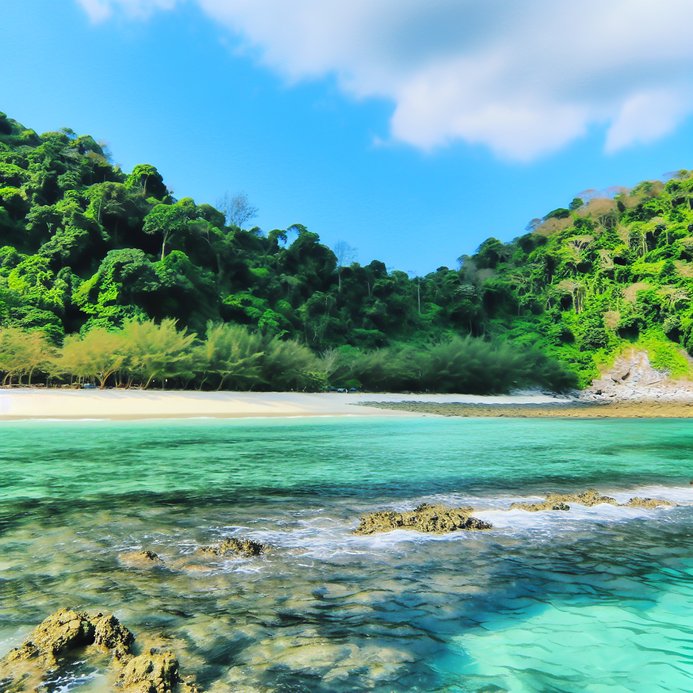
Alt: “maya-bay-koh-phi-phi-leh-thailand-boardwalk-view-conservation”
Thailand Koh Phi Phi Maya Bay Status – Planning Your Visit
Your trip to Maya Bay requires more forethought than a typical island excursion. First, you must book your visit through an official, licensed tour operator. Independent travel to the bay is impossible under the new rules. These operators purchase park entry tickets and secure a boat time slot on your behalf. Booking at least a few days in advance is essential, especially during the peak season from November to April.
When comparing tour options, look for operators that explicitly mention the new pier, boardwalk access, and adherence to national park rules. Avoid any tour that promises swimming or snorkeling inside Maya Bay, as this is fraudulent. The best tours often combine the Maya Bay visit with snorkeling at other approved sites around Koh Phi Phi Leh, like Pileh Lagoon or Viking Cave, making for a fuller day trip.
Pack lightly but wisely for this excursion. Essential items include cash for the national park entry fee, reef-safe sunscreen, a hat, and plenty of drinking water in a reusable bottle. Wear sturdy, comfortable shoes for the walk from the pier to the bay. Your bag may be checked for prohibited items like plastic bags or cigarettes before you board the speedboat.
Best Time to Visit Maya Bay
The ideal window to visit is during Thailand’s dry season, from late November through April. During these months, you’ll experience calmer seas, reliable sunshine, and the best visibility for admiring the bay’s brilliant colors. Average temperatures range from 80°F to 95°F (27°C to 35°C). This is also the busiest period, so securing your tour slot well in advance is critical.
The monsoon season, from May to October, brings rougher seas, frequent rain, and occasional tour cancellations for safety. While the landscape is lush and crowds are thinner, the experience can be wet and less predictable. The bay itself may be closed on short notice during periods of severe weather. For a balance of decent weather and smaller crowds, target the shoulder months of November or late April.
Budget Planning and Costs
Tour prices vary based on your departure point and included amenities.
Essential Preparation Checklist
Confirm your tour includes the 400 THB (approx. $11 USD) National Park entry fee. Have this amount in cash ready as a backup. Physically, you only need to be able to walk approximately 10-15 minutes on a flat boardwalk and trail. There are no strenuous climbs, making it accessible for most fitness levels. However, boarding the speedboat from the pier requires stepping across a small gap.
Ensure you have adequate travel insurance that covers domestic boat travel and trip interruptions. Bring your passport or a clear photo of your passport details page, as tour operators are required to register all visitors with the national park. Download your tour confirmation and have the operator’s contact number saved on your phone in case of questions on the day.
Experiencing Koh Phi Phi Leh and Surrounding Areas
While Maya Bay is the star attraction, Koh Phi Phi Leh offers other stunning sites included on most tour itineraries. The island is part of a protected national marine park, ensuring its dramatic limestone cliffs, hidden coves, and emerald waters remain pristine. The day trip from Phi Phi Don or the mainland is designed to showcase multiple highlights, maximizing your time on the water.
Remember that the entire island is a protected zone. This means all the rules against littering, touching coral, or disturbing wildlife apply everywhere, not just at Maya Bay. The success of the conservation project depends on visitor compliance across all locations. Your guides will brief you on these rules before any snorkeling activity.
Must-See Highlights on a Tour
Pileh Lagoon is often the first or second stop. This stunning enclosed emerald lagoon, surrounded by towering cliffs, is where swimming is permitted. The water is calm and incredibly clear, perfect for a refreshing dip. Tours usually anchor here for 30-45 minutes. It’s a photographer’s dream, especially when the sunlight hits the water around midday.
Viking Cave is a fascinating cultural site. You’ll view it from the boat, as entering is prohibited. The cave is home to thousands of swiftlets, whose nests are harvested for the famous bird’s nest soup. Ancient paintings on the cave walls resemble Viking ships, giving the site its name. Your guide will explain the dangerous profession of nest collecting.
Monkey Beach on Koh Phi Phi Leh is another common sighting point. Tours typically slow down to view the macaques from a respectful distance on the water. Feeding the monkeys is strictly forbidden, as it alters their natural behavior and can be dangerous. This policy helps protect both the wildlife and visitors.
Snorkeling Sites Around the Island
Since snorkeling in Maya Bay is banned, operators take guests to other vibrant reefs nearby. These sites are selected for their healthy coral and abundant fish life. You might spot parrotfish, angelfish, and maybe even a harmless leopard shark resting on the sandy bottom. Snorkeling equipment is almost always provided, but bringing your own mask and snorkel is more hygienic.
The best snorkeling spots are on the eastern and northern sides of Phi Phi Leh, where the water is typically calmer. Guides know the specific areas where coral recovery is going well and will instruct you to float gently without standing on or touching the reef. Even a small touch can damage years of coral growth, so buoyancy control is important.
Photography Tips for the New Experience
The boardwalk offers several fantastic vantage points. For the classic shot of the bay, aim for the central viewing platforms. A wide-angle lens is useful to capture the scale of the cliffs. The best light for photography is in the morning (before 10 AM) or late afternoon, when the sun isn’t directly overhead, reducing harsh shadows.
Since you can’t go on the sand, your compositions will differ from the iconic photos of the past. Embrace this. Focus on capturing the new perspective from the boardwalk, the contrast of the wooden walkway against the natural beauty, and the informational signs that tell the story of conservation. These images tell the true, current story of Maya Bay.
Practical Travel Information for Koh Phi Phi
Your base for visiting Maya Bay will almost certainly be Koh Phi Phi Don, the larger, inhabited sister island. Phi Phi Don offers a full range of accommodations, from budget hostels to luxury resorts. The island has no cars; transport is by foot or longtail boat. The main Tonsai Village is a bustling hub of restaurants, tour agencies, and shops, but quieter beaches like Long Beach or Laem Thong are just a boat ride away.
Accommodation on Phi Phi Don books up quickly in high season. Reserve your hotel or hostel at least two to three months in advance for visits between December and March. While the island is walkable, the paths can be uneven and crowded, so pack light luggage. Many piers offer luggage transfer services from the ferry to your hotel for a small fee.
| Accommodation Type | Best For & Location | Price Range (USD) / Night |
|---|---|---|
| Budget Hostel | Backpackers & social travelers; located in central Tonsai Village. | $15 – $35 |
| Mid-Range Bungalow | Couples & small families; often on quieter beaches like Long Beach, accessed by boat. | $60 – $150 |
| Befront Resort | Luxury seekers & relaxation; private beaches, pools, premium service (e.g., Phi Phi Island Village). | $200 – $500+ |
| Private Villa | Groups & special occasions; maximum privacy with dedicated staff, often on the northern tip. | $400 – $1000+ |


