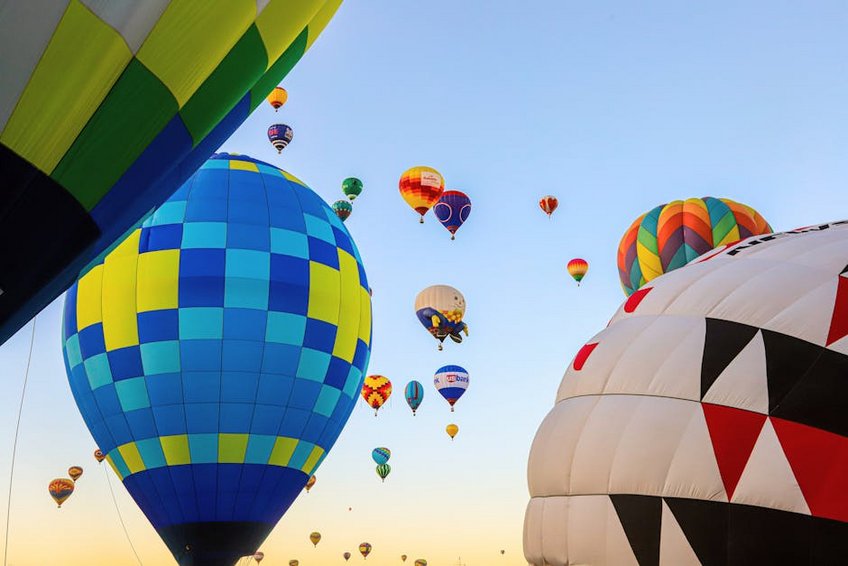
Myanmar Bagan Balloon Ride Price for a Magical Sunrise
A hot air balloon flight over the ancient temples of Bagan offers one of the world’s most breathtaking travel experiences, floating silently above thousands of historic pagodas at sunrise. The Myanmar Bagan balloon ride price reflects this unique adventure, with costs varying based on season, operator, and package inclusions for a flight that typically lasts 45 to 60 minutes. This guide details the complete cost structure, reveals the best booking strategies, and provides essential planning tips to secure your spot for an unforgettable aerial view of this archaeological wonder.
Understanding the Bagan Balloon Experience
Bagan’s archaeological zone, a UNESCO World Heritage site, spans over 26 square miles along the Irrawaddy River’s eastern bank. The plain is dotted with more than 3,500 surviving Buddhist temples, stupas, and monasteries built between the 9th and 13th centuries. A sunrise balloon flight provides a serene and elevated perspective impossible to achieve from the ground, revealing the vast scale and intricate layout of this ancient kingdom.
The experience begins before dawn with a pickup from your hotel. You’ll travel to a launch field where crews prepare the colorful balloons. Passengers watch the inflation process before boarding the spacious wicker basket. As the sun crests the horizon, the pilot ascends, offering panoramic views of temple spires emerging from the morning mist. The gentle flight path follows the wind currents, providing constantly changing vistas.
The Flight Operators and Their Histories
Only a few licensed companies operate in Bagan, ensuring high safety and quality standards. Each has a distinct reputation and fleet.
- Balloons Over Bagan: The pioneering operator, established in 1999, uses Cameron Balloons equipment. They are renowned for their experienced pilots and consistent safety record, having flown for over two decades in the region.
- Oriental Ballooning: A well-regarded company operating a fleet of modern balloons. They often receive praise for their customer service and offer both standard and premium flight experiences with slightly different routes.
- Golden Eagle Ballooning: Another established provider known for competitive pricing and reliable service. They maintain a strong focus on the scenic photography aspects of the flight for their guests.
- Standard Flight: Ranges from $320 to $380 per person. This includes hotel pickup, the 45-60 minute flight, a basic flight certificate, and light refreshments after landing. This is the most commonly booked package and offers the core experience.
- Premium or Exclusive Flight: Costs between $400 and $500 per person. This tier often features flights in smaller baskets with 8 or fewer passengers for a less crowded experience, a longer flight duration, and a more elaborate post-flight champagne breakfast at a scenic location.
- Last-Minute or Shoulder Season Discount: Occasionally, prices can dip to $280-$320. These are rare and typically only available for last-minute bookings during the shoulder seasons (October, late March) if the operator has unsold capacity. It’s a risky strategy for a must-do activity.
- Ministry of Hotels and Tourism, Myanmar
- UNESCO World Heritage Centre – Bagan
What Determines Your Flight Cost
Several key factors directly influence the final ticket price you will pay. The peak season, running from October to March, commands the highest rates due to ideal weather conditions and maximum tourist demand. During these months, the cool, dry winter climate provides stable winds and clear skies, creating perfect flying conditions nearly every morning.
Operator choice also affects cost, with the longest-running companies often charging a premium for their established reputation and pilot expertise. Package inclusions make a significant difference too. Basic flights include transport and a light snack, while premium options may feature extended flight times, champagne breakfasts, or exclusive smaller group baskets with more room for passengers.
The Seasonal Weather Impact
Ballooning is entirely weather-dependent, and the Myanmar climate dictates a very specific operating window. The official season runs from late September or early October through to mid-April. Flights are canceled during the monsoon season from May to September due to unpredictable and often dangerous wind patterns.
Even within the season, early mornings in October and April can sometimes be marginal, with occasional cancellations due to wind or rain. The most reliable months are typically November through February. This guaranteed operational window during peak demand is a primary driver of the higher prices during these core winter months.
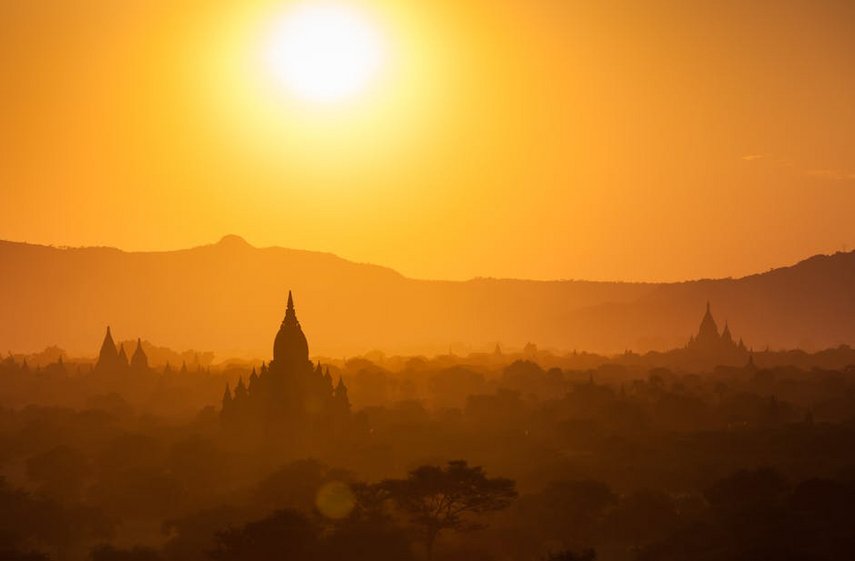
Alt: “bagan-myanmar-hot-air-balloons-sunrise-temple-view”
Myanmar Bagan Balloon Ride Price – Planning Your Trip
Budgeting accurately for this bucket-list item requires understanding the full price structure. The Myanmar Bagan balloon ride price is not just a single ticket cost. You must factor in seasonal surges, booking method fees, and potential last-minute discounts. Most operators price their experiences in US dollars, though payment can often be made in equivalent kyat or via credit card, which may incur a small surcharge.
Remember that this is a popular activity with limited capacity. Each balloon carries 8 to 16 passengers per flight, and operators only fly during a narrow morning window. This scarcity, combined with high demand from tourists visiting Bagan for a limited time, keeps prices elevated compared to other regional activities. Booking several months in advance is the most reliable way to secure a spot at the standard rate.
Best Time to Visit for a Balloon Flight
For the optimal combination of reliable weather and scenic beauty, plan your visit between November and early February. Daytime temperatures range from a pleasant 75°F to 85°F (24°C to 29°C), while morning launch times can be cool, around 55°F to 65°F (13°C to 18°C). The skies are consistently clear, and the landscape is green from the preceding monsoon, offering stunning photographic contrast with the red-brick temples.
The shoulder months of October and March are also excellent choices, with slightly lower prices and fewer crowds, though there is a marginally higher risk of weather-related cancellations. The hot, dry period of late March and April sees temperatures soar, and haze can sometimes reduce visibility, though flights still operate regularly if winds permit.
Budget Planning and Costs
Here is a breakdown of what to expect for different budget levels, per person.
Essential Preparation Checklist
Secure your booking at least 2-3 months in advance, especially for peak season travel from December to January. You will need to provide your passport details and hotel information during the booking process. Confirm the operator’s cancellation policy, as most offer a full refund if they cancel due to weather, but may have strict terms if you cancel.
Pack layers of clothing for the cool morning ascent and warmer conditions after sunrise. Wear sturdy, closed-toe shoes suitable for standing in a grassy field and getting in/out of the basket. Bring a camera with a secure strap, sunglasses, and cash for optional souvenirs or additional tips for the ground crew, which are appreciated but not mandatory.
Top Temple Views and Flight Routes
The pilot navigates using wind currents at different altitudes, so each flight path is unique. However, most journeys traverse the heart of the Bagan Archaeological Zone, offering unparalleled views of the most significant clusters. You’ll likely glide over the plains near Old Bagan, where majestic structures like the Ananda Temple and Thatbyinnyu Temple rise prominently from the landscape.
The flight often continues south over the dense temple fields around New Bagan, showcasing a sea of smaller stupas. The return to earth is a gentle descent, with the skilled pilot aiming for a clear landing site, often near the riverbank or a village road. The entire chase crew follows below to meet the basket upon landing and assist passengers.
Must-See Highlights From Above
The iconic Dhammayangyi Temple, Bagan’s largest, is a stunning sight from the air, its massive brickwork and distinctive profile dominating the southern plain. The elegant, gold-topped Shwezigon Pagoda in Nyaung-U glitters brilliantly in the early morning sun, serving as a key navigation point. Seeing the sheer density of temples around the Bu Paya riverbank area illustrates the incredible scale of ancient construction.
For photography, the long shadows and warm golden light of sunrise create magical conditions. The contrast between the green foliage, brown plains, and red brick monuments is most vivid during the wet season months of November and December. Pilots often rotate the basket to give all passengers equal opportunity for unobstructed views and photographs.
Hidden Gems and Local Favorites
While the major temples are impressive, look for the smaller, isolated stupas in the fields between villages. From above, you can spot the intricate monastic complexes like Sulamani and the unique circular layout of the Tayok Pye Temple. The flight provides a unique understanding of the ancient city’s planning and irrigation systems, visible as subtle patterns on the land.
After your flight, consider exploring some of the lesser-visited temples you spotted from the air, such as the intricate murals inside Upali Thein or the panoramic view from the upper terrace of the South Guni Temple. These sites offer a different, ground-level perspective on the landscapes you just soared over.
Combining Your Flight with Ground Exploration
The balloon ride is a highlight, but it’s just the beginning of a day in Bagan. Most flights conclude by 8:00 AM, giving you a full day to explore. Use your new aerial understanding to visit temple clusters that caught your eye. Many guests choose to hire an e-bike for the day to navigate the sandy paths between temples independently.
Consider visiting the Bagan Archaeological Museum in the afternoon to contextualize the history of the monuments you saw. Alternatively, a sunset boat trip on the Irrawaddy River offers another beautiful vantage point of the temple skyline, perfectly bookending a sunrise balloon adventure.
Practical Travel and Booking Information
Getting to Bagan requires a domestic flight from Yangon or Mandalay to Nyaung U Airport (NYU). From there, it’s a short 10-minute taxi ride to hotels in Nyaung U, Old Bagan, or New Bagan. The town is compact, and local taxis, horse carts, and e-bikes are readily available for getting around the temple zone itself, which has a nominal archaeological zone fee for foreigners.
Accommodation ranges from budget guesthouses to luxury resorts. Staying in Nyaung U offers the most dining options and easier access to the balloon meeting points, while hotels in Old Bagan provide a more atmospheric setting amidst the temples. New Bagan strikes a balance between the two, with mid-range hotels and good restaurant choices.
| Balloon Operator | Key Features & Inclusions | Price Range (USD) |
|---|---|---|
| Balloons Over Bagan | Pioneer operator, 60-min flight, champagne breakfast, small group option. | $350 – $500 |
| Oriental Ballooning | Modern fleet, premium service, extended flight paths, certificate. | $340 – $480 |
| Golden Eagle Ballooning | Competitive pricing, reliable service, standard 45-50 min flight. | $320 – $420 |
| General Standard Package | Hotel transfer, 45-60 min flight, light snacks, basic certificate. | $320 – $380 |