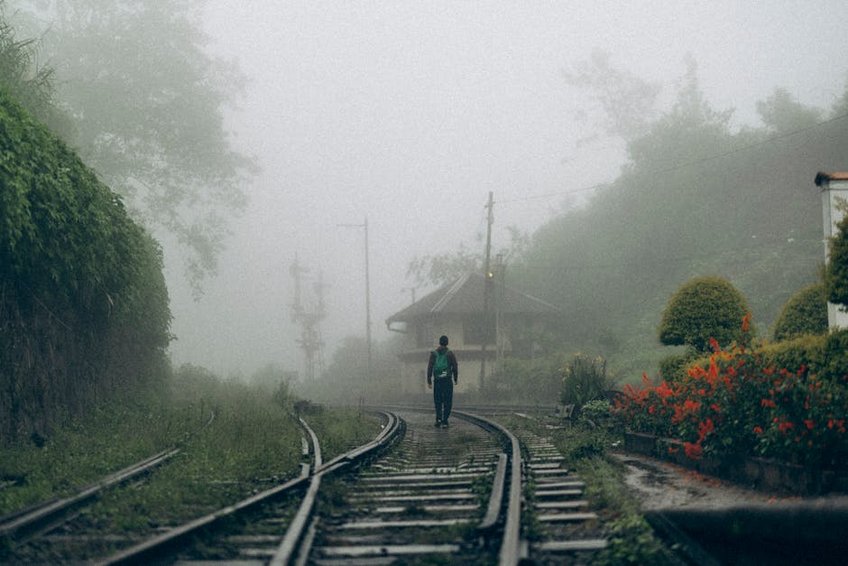
Sri Lanka Ella Train Journey: Mountains, Tea, and Unforgettable Views
The Sri Lanka Ella Train Journey is arguably one of the world’s most scenic railway experiences, winding through the emerald heart of the island’s hill country. This iconic route stretches approximately 150 kilometers from Kandy to Badulla, with the stretch into Ella being its most celebrated segment, offering panoramic views of tea plantations, deep ravines, and misty mountains. Planning this adventure requires understanding the best class to book, the optimal timing for clear skies, and how to secure those coveted window seats for the full visual spectacle.
Essential Information About the Hill Country Railway
Sri Lanka’s railway system, originally built by the British in the 1860s for transporting coffee and later tea, is a historic feat of engineering. The track to Ella navigates steep gradients and sharp curves, climbing from Kandy’s elevation of 500 meters to Ella’s 1,041 meters. This ascent creates the dramatic vistas and cool, refreshing climate that define the journey. The line features numerous tunnels and viaducts, including the famous Demodara Nine Arch Bridge, an architectural marvel built entirely from brick, rock, and cement without steel.
The train itself is a cultural experience, often filled with a mix of local commuters, vendors selling spicy snacks and sweet tea, and international travelers. The pace is slow, averaging around 25-30 km/h, which is perfect for photography and soaking in the landscape. Services are operated by Sri Lanka Railways, and while the carriages can be basic, the views from any class are consistently breathtaking, making the trip more about the journey than the destination.
Key Facts and History
Before you board, knowing these core details enriches the experience.
- The Main Line from Colombo to Badulla was completed in 1924, with the Ella section representing its highest and most complex engineering challenge, involving the construction of over 40 tunnels.
- Trains typically depart Kandy 2-3 times daily for Badulla, with the morning express services (like the 08:47 or 09:45 departures) offering the best light for photography and most reliable schedules.
- The journey from Kandy to Ella takes between 6 to 7.5 hours depending on the service, covering a distance where the landscape transforms from cultural capital to lush highland terrain.
- Budget Traveler ($10-25 USD): This covers a Third Class or unreserved Second Class ticket ($1-4), street food from platform vendors during stops ($2-5), and a tuk-tuk to/from stations. You’ll experience the authentic local commute, though comfort and guaranteed seating are sacrificed.
- Mid-Range Comfort ($30-60 USD): Includes a reserved Second Class seat ($8-12), a packed lunch and drinks from a local bakery ($5-10), luggage forwarding to Ella ($10-15), and a pre-booked taxi from Ella station to your guesthouse ($5-8). This offers the best balance of experience, comfort, and value.
- Premium Experience ($70-120+ USD): Covers a First Class Observation seat ($15-25), a private car transfer to Kandy station, a gourmet picnic, and a dedicated driver waiting at Ella station to take you to a luxury hotel. This maximizes comfort and convenience for a seamless day.
- Sri Lanka Railways Official Website
- Sri Lanka Tourism Development Authority
Understanding the Train Classes
Choosing your class significantly impacts comfort. First Class Observation Car offers large panoramic windows and reclining seats, but it’s often air-conditioned, which can separate you from the sounds and smells of the journey. Second Class is the most popular choice for travelers, providing comfortable padded seats, open windows, and access to the doorways for unobstructed views and photos. Third Class has basic bench seating and is often crowded, but it offers the most authentic local experience.
Many visitors opt for Second Class, as it provides the ideal balance of comfort, view, and atmosphere. You can book reserved seats in Second and First Class, which is highly recommended. The iconic blue carriages you often see in photographs are typically the reserved Second Class coaches. Unreserved carriages can be extremely crowded, especially on weekends and holidays, making a reserved ticket worth the slight extra cost and advance planning.
Route Highlights and Landmarks
The scenery evolves throughout the trip. Shortly after leaving Kandy, the urban landscape gives way to dense jungle and the first dramatic tea estates. A major highlight is passing through the Pattipola railway station, the highest in Sri Lanka at 1,897 meters above sea level. The air turns crisp here, and the views are expansive. The approach to Ella is marked by the stunning Nine Arch Bridge, where the train slowly crosses a gorge surrounded by lush forest, creating a quintessential photo opportunity.
Alt: “kandy-to-ella-train-scenic-tea-plantations-mountains”
Sri Lanka Ella Train Journey – Planning Your Trip
Successfully experiencing the Sri Lanka Ella Train Journey hinges on strategic planning around bookings, timing, and packing. The most critical step is securing reserved tickets, especially for the Observation Car or Second Class, as they can sell out weeks in advance during peak season (December to April). You can book online through the official Sri Lanka Railways website or use a reputable local agency, which often provides a reliable service for a small fee. Your planning should also account for where to board; while Kandy to Ella is the classic route, starting from Colombo or Nanu Oya (for Nuwara Eliya) are also popular options.
Your budget for the train journey itself is quite modest. A reserved Second Class seat from Kandy to Ella costs between $8 to $12 USD. First Class Observation seats range from $15 to $25. These prices make it an incredibly accessible world-class experience. However, factor in additional costs for getting to your departure station, food for the journey, and accommodation in Ella. The real investment is time, as the slow, winding journey is an all-day affair that shouldn’t be rushed.
Logistically, consider your luggage. There is limited storage space on the train, so pack a small day bag with essentials and forward your main luggage to your Ella hotel via a taxi or delivery service. This is a common and affordable practice in Sri Lanka, freeing you to enjoy the ride without maneuvering large suitcases in cramped aisles. Finally, always confirm your train schedule a day before travel, as delays, while part of the charm, can occur.
Best Time to Ride the Ella Train
The optimal months for clear skies and lush greenery are from December through March, during the dry season in the hill country. Daytime temperatures in Ella during this period are pleasant, ranging from 68-75°F (20-24°C). The landscape is vibrant, and chances of heavy mist or rain obscuring views are lower. This is also peak tourist season, so book tickets at least 2-3 weeks in advance. The shoulder months of April and September-October can also be excellent, with slightly fewer crowds.
The monsoon affects different parts of Sri Lanka at different times. The southwest monsoon (May to August) brings rain to the hill country and south coast, which can mean misty, atmospheric rides but potentially obscured vistas. The inter-monsoonal periods may see sudden showers. For photography, the morning trains offer the best light, and the scenery is often clearer before afternoon clouds roll in. Regardless of season, carrying a light rain jacket is a wise precaution.
Budget Planning and Costs
Your expenses break down into three clear tiers for the journey itself.
Essential Preparation Checklist
Packing correctly ensures a comfortable ride. Essential items include a reusable water bottle (refillable at stations), hand sanitizer and tissues, snacks like fruit and nuts, a power bank for your phone or camera, and a lightweight scarf or jacket for cooler mountain air. For photography, a camera with a zoom lens is ideal, and a lens cloth is useful for wiping condensation from windows. Wear comfortable shoes as you may stand in doorways for periods.
Document-wise, have your e-ticket or printed reservation confirmation readily accessible. While visas are obtained prior to arrival in Sri Lanka, ensure your passport is secure. Travel insurance that covers minor delays is recommended. Book your train tickets as soon as your travel dates are fixed, ideally 3-4 weeks ahead for peak season. Finally, download offline maps of Ella and your hotel’s location, as network coverage can be intermittent in the mountains.
Top Attractions and Scenic Highlights
Beyond the moving postcard views from your window, the journey connects you to several standout landmarks and destinations. Ella itself is a charming traveller hub nestled in the hills, serving as a base for hiking, waterfall visits, and relaxing after your rail adventure. The surrounding region is rich with natural beauty, from the iconic Ella Rock to the serene Little Adam’s Peak. The train ride acts as a scenic transporter, delivering you into the heart of this beautiful landscape where numerous activities await.
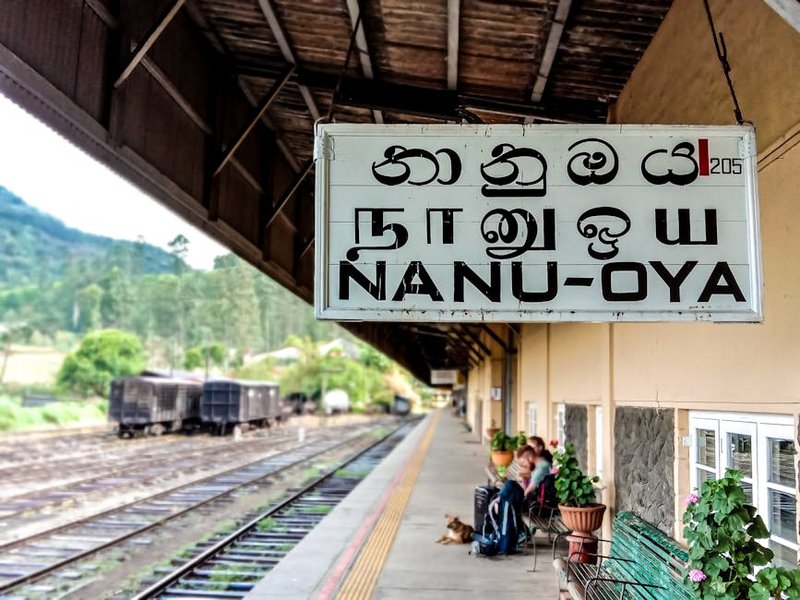
Many travelers combine the train journey with visits to other hill country gems. The city of Kandy, the starting point for many, is a UNESCO World Heritage site home to the sacred Temple of the Tooth. Nuwara Eliya, often called “Little England,” is accessible via the Nanu Oya station and offers colonial architecture, cool climate, and access to working tea factories like Pedro Estate. Planning a multi-stop hill country itinerary is highly rewarding.
Must-See Highlights Along the Route
The Nine Arch Bridge is the journey’s photographic crown jewel. Located between Ella and Demodara stations, this bridge stands 30 meters high and was built entirely without steel. For the best external view, get off at Ella and take a short tuk-tuk ride to viewpoints in the surrounding hills. The train’s passage over it is slow and majestic, often scheduled on the daily 09:45 train from Kandy arriving at the bridge around mid-afternoon.
Pattipola Station offers a different kind of highlight. As the highest railway station in Sri Lanka, the stop here provides a moment of cool, thin air and sweeping vistas across the highland plains. It’s a brief pause but one that geographically marks the pinnacle of your climb. The dense tea plantations around the Nuwara Eliya region (Nanu Oya station) are another visual constant, with neatly trimmed bushes carpeting the rolling hills in vibrant green, often dotted with tea pluckers in colorful saris.
Hidden Gems and Local Favorites
For a unique perspective, consider breaking your journey at Haputale Station. This lesser-visited town is home to the Lipton’s Seat viewpoint, where Scottish tea planter Sir Thomas Lipton once surveyed his empire. The train station itself is quaint, and the area feels less commercialized than Ella. From here, you can catch a later train to continue your trip, having explored a truly local hill town.
Another local secret is the short hike from the Demodara station to see the “Demodara Loop,” where the track loops around a hill and passes under itself through a tunnel—a clever piece of engineering. Few tourists disembark here, offering a peaceful glimpse into rural Sri Lankan life near the rails. Engaging with the local vendors on the train is also a gem; buying a cup of sweet, milky tea or a packet of spicy vadai from them is a authentic cultural exchange.
Hiking and Exploration from Ella
Once in Ella, your adventures continue on foot. The hike up Ella Rock is a moderately challenging 2-3 hour return journey offering spectacular panoramic views of the valley and distant hills. Little Adam’s Peak provides an easier, family-friendly walk with equally rewarding vistas, especially at sunrise. Ravana Falls, located just outside town, is a popular spot to cool off. Your train journey effectively serves as the grand entrance to this hiker’s paradise.
Practical Travel Information and Logistics
Navigating the practicalities of this iconic train ride is straightforward with the right information. Accommodation in Ella ranges from budget guesthouses to luxury retreats with infinity pools, all generally requiring advance booking. Transportation to your starting station, whether in Kandy, Colombo, or elsewhere, is readily available via taxi, bus, or pre-arranged driver. The key is to align your train schedule with your overall travel plan for a smooth experience.
Communication is generally easy, as English is widely spoken in tourist areas and at major stations. The Sri Lankan Rupee (LKR) is the local currency, and while you can use cards at larger hotels and restaurants in Ella, cash is essential for small purchases, tuk-tuks, and train station transactions. ATMs are available in Ella and Kandy. Power outlets on the train are unreliable or nonexistent, so come with devices fully charged.
| Category | Options/Features | Price Range (USD) |
|---|---|---|
| Train Ticket (Kandy-Ella) | Reserved 2nd Class seat, open windows, access to doorway | $8 – $12 |
| Ella Accommodation (per night) | Guesthouse with breakfast, basic room, mountain view | $20 – $40 |
| Regional Transport | Tuk-tuk for short trips in Ella, taxi to/from stations | $3 – $10 per ride |
| Guided Activities | Half-day hike to Ella Rock with local guide | $15 – $25 per person |