Maldives Best Snorkeling Spots for Marine Life Encounters
The Maldives archipelago offers a snorkeling paradise across its 26 atolls. This tropical nation provides direct access to vibrant coral gardens and diverse marine species right from your resort jetty. Our guide details the top snorkeling locations, optimal seasons, and essential tips for exploring this underwater world.
Essential Maldives Snorkeling Information
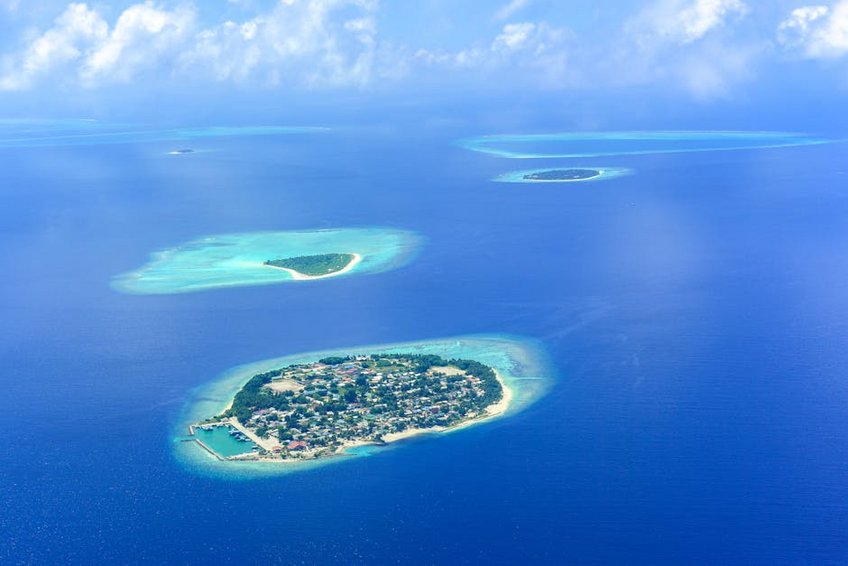
The Maldives sits in the Indian Ocean, southwest of Sri Lanka. Its unique geography creates hundreds of house reefs, channels, and lagoons perfect for underwater exploration. This ecosystem supports over 2,000 species of fish, including many endemic to the region.
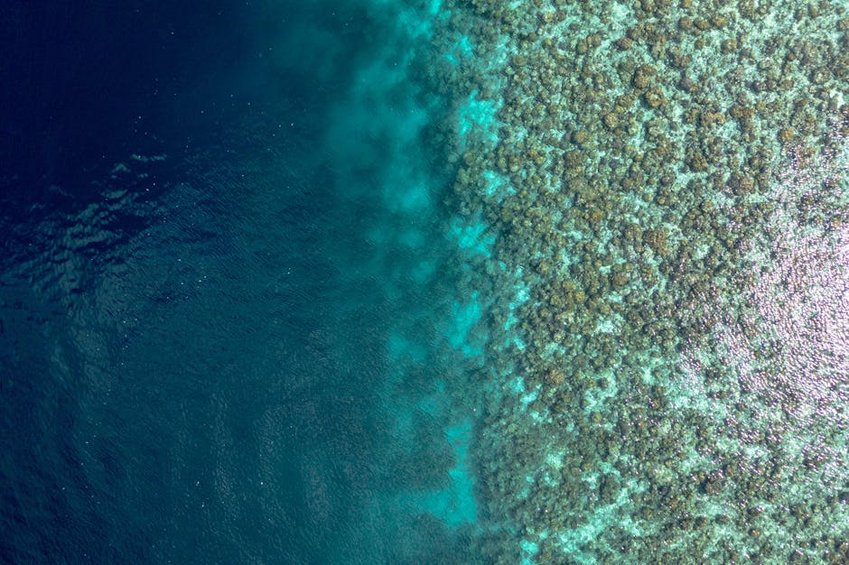
Coral reefs form the foundation of the Maldivian marine environment. These structures provide food and shelter for the incredible biodiversity. Snorkeling here allows for easy observation of this intricate aquatic life in clear, warm waters.
Understanding the Marine Environment
The health of coral reefs directly impacts your snorkeling experience. Here are key environmental factors.
- Water visibility often exceeds 30 meters (100 feet) during the dry northeast monsoon from December to April, creating ideal conditions for spotting marine life.
- Sea surface temperatures remain consistently warm, ranging from 28°C to 30°C (82°F to 86°F) year-round, eliminating the need for thick wetsuits.
- Currents vary by location; gentle lagoons suit beginners, while channel entrances (kandus) with stronger flows attract experienced snorkelers seeking pelagic fish.
- Budget: $800-$1,500 for a local island guesthouse. This includes simple lodging, meals, and paid boat trips to snorkeling sites. Gear rental costs extra, and you’ll need to organize daily excursions.
- Mid-Range: $2,500-$4,000 for a 4-star resort. This price usually covers a beach villa, breakfast, and unlimited access to a house reef. Transfers, other meals, and guided snorkel safaris are typically additional costs.
- Luxury: $5,000+ for a 5-star resort or liveaboard. This tier includes overwater villas, all meals, premium guided snorkeling trips to external reefs, and sometimes even a resident marine biologist. Liveaboards offer full-board cruising and 3-4 snorkel sessions daily.
- Maldives Marketing and Public Relations Corporation (MMPRC)
- Maldives Whale Shark Research Programme
- Manta Trust Maldives Project
Key Details for Your Trip
Resorts and liveaboards provide the primary access to prime snorkeling areas. Most luxury resorts sit on their own private islands with a house reef. These reefs are often just meters from the beach, allowing for unlimited independent exploration throughout your stay.
Liveaboard boats offer mobility to reach remote, pristine atolls rarely visited by day tours. This option is perfect for dedicated snorkelers wanting to visit multiple different reefs. Trips typically last 7-10 days and include guided sessions with marine biologists.
Protecting the Coral Reefs
Sustainable tourism practices are crucial in the Maldives. Always use reef-safe sunscreen to prevent chemical damage to the coral. Maintain good buoyancy and avoid touching or standing on any part of the reef structure, as coral is extremely fragile.
Choosing eco-certified resorts and tour operators supports conservation efforts. Many organizations run coral regeneration projects you can learn about or support. Your responsible behavior helps preserve these spots for future visitors.
Alt: “maldives-coral-reef-tropical-fish-clear-blue-water”
Maldives Best Snorkeling Spots – Planning Your Trip
Selecting the right atoll and resort is the most critical step for a successful snorkeling holiday. The South Ari Atoll and Baa Atoll are globally renowned for consistent marine life sightings. Your choice will determine the species you encounter and the convenience of daily snorkeling access.
Budget significantly influences your experience. Luxury resorts offer stunning house reefs but at a premium price. Guesthouses on local islands provide cheaper access, often requiring boat trips to nearby snorkeling sites. Liveaboards represent the best value for dedicated enthusiasts wanting to cover vast areas.
Remember to pack your own high-quality snorkel mask for a perfect fit. While resorts provide basic gear, having your own ensures comfort and hygiene. Include a rash guard for sun protection and to prevent minor coral scrapes.
Best Time to Visit for Snorkeling
The peak season for calm seas and excellent visibility runs from December through April. This period coincides with the dry northeast monsoon. Water conditions are typically placid, with sunshine predominating and minimal rainfall.
The southwest monsoon from May to November brings more rain and potential wind. However, this season often improves plankton levels, attracting larger filter feeders like manta rays and whale sharks to specific atolls. You may encounter more underwater activity despite slightly reduced visibility.
Budget Planning and Costs
Accommodation style is the largest cost factor for a Maldivian snorkeling trip. Here is a typical cost breakdown per person for a week.
Essential Preparation Checklist
Beyond swimwear, pack a long-sleeve rash guard and reef shoes. The rash guard protects against the intense equatorial sun. Reef shoes are essential for walking on rough coral platforms or sandy bottoms near the reef.
Secure comprehensive travel insurance that explicitly covers water sports and medical evacuation. Ensure your passport has at least six months’ validity from your entry date. Book your resort or liveaboard at least 4-6 months in advance for the best rates and availability during peak season.
Top Atolls and Snorkeling Sites
Each atoll in the Maldives boasts a unique underwater personality. The North and South Male Atolls are the most accessible, often featuring wrecks and vibrant coral walls. As you travel farther south or north, the reefs become more remote and pristine, with increased chances for rare sightings.
Baa Atoll, a UNESCO Biosphere Reserve, is world-famous for its seasonal manta ray and whale shark aggregations. Hanifaru Bay, within this atoll, hosts one of the planet’s largest gatherings of mantas during the southwest monsoon. Snorkeling here is a regulated, unforgettable experience.
Must-See Snorkeling Highlights
Maaya Thila in North Ari Atoll is a classic pinnacle dive site also superb for snorkeling. Its protected lagoon side features stunning soft corals and abundant reef fish like angelfish and parrotfish. The outer wall attracts white tip reef sharks and eagle rays cruising in the blue.
The coral gardens of Embudu Island in South Male Atoll are perfect for beginners. The house reef starts just steps from the beach, sloping gently to a drop-off. You’ll see countless clownfish in their anemones, moray eels, and maybe even a turtle grazing on seagrass.
For a unique experience, visit the shipwreck of the Maldives Victory near Hulhule Island. The upper sections of this cargo ship sit at snorkeling depth, now encrusted with corals and home to large schools of snapper and batfish. It’s an artificial reef teeming with life.
Hidden Gems and Local Favorites
Fuvahmulah, a single island atoll in the far south, offers extraordinary pelagic encounters. Due to its deep-water location, snorkelers here have regular sightings of tiger sharks, thresher sharks, and even oceanic manta rays. It’s an advanced location best visited with a specialized local guide.
In the less-visited Laamu Atoll, the reefs around Six Senses Laamu resort are meticulously protected. The “Coralarium” is an underwater art installation and regeneration project where you can snorkel among submerged sculptures that have become part of the reef ecosystem. It’s a fascinating blend of art and conservation.
Snorkeling with Mantas and Whale Sharks
Manta ray cleaning stations are a premier snorkeling attraction. At sites like Lankan Beyru in Rasdhoo Atoll, you can float quietly as several mantas circle specific coral heads. Small wrasse fish clean the mantas of parasites, providing a captivating symbiotic display.
Whale shark snorkeling is highly regulated for the animal’s protection. In South Ari Atoll Marine Protected Area, licensed spotter planes guide ethical tour boats to sightings. Snorkelers enter the water one small group at a time, maintaining a respectful distance from these gentle giants.
Practical Travel and Logistics
Velana International Airport (MLE) in Male is the primary gateway. Most visitors transfer directly to their resort via a pre-booked speedboat or seaplane. Seaplane transfers offer breathtaking aerial views of the atolls but only operate during daylight hours and add significant cost.
Accommodation falls into three distinct categories: private resort islands, liveaboard safari boats, and local island guesthouses. Resorts offer all-inclusive convenience and direct reef access. Liveaboards provide the ultimate snorkeling itinerary mobility. Guesthouses offer cultural immersion and lower costs.
| Accommodation Type | Best For | Approx. Nightly Cost (USD) |
|---|---|---|
| Local Island Guesthouse | Budget travelers, cultural experience | $50 – $150 |
| Mid-Range Resort Island | Families, first-time visitors, house reef access | $300 – $600 |
| Luxury Resort or Liveaboard | Dedicated snorkelers, remote atoll access, all-inclusive | $700+ |
| Safari Liveaboard (7-night cruise) | Maximum snorkeling sites, pelagic encounters | $2,000 – $5,000+ per person |