Jordan Dead Sea Floating Tips for a Perfect Experience
Floating in the Jordan Dead Sea is a unique natural phenomenon you can’t experience anywhere else on Earth. The hypersaline water, containing over 30% salt and minerals, provides effortless buoyancy and notable therapeutic benefits for skin conditions. For first-time visitors, knowing a few essential tips transforms this iconic activity from a simple dip into a safe, enjoyable, and truly memorable part of your Jordan itinerary.
Understanding the Dead Sea Experience
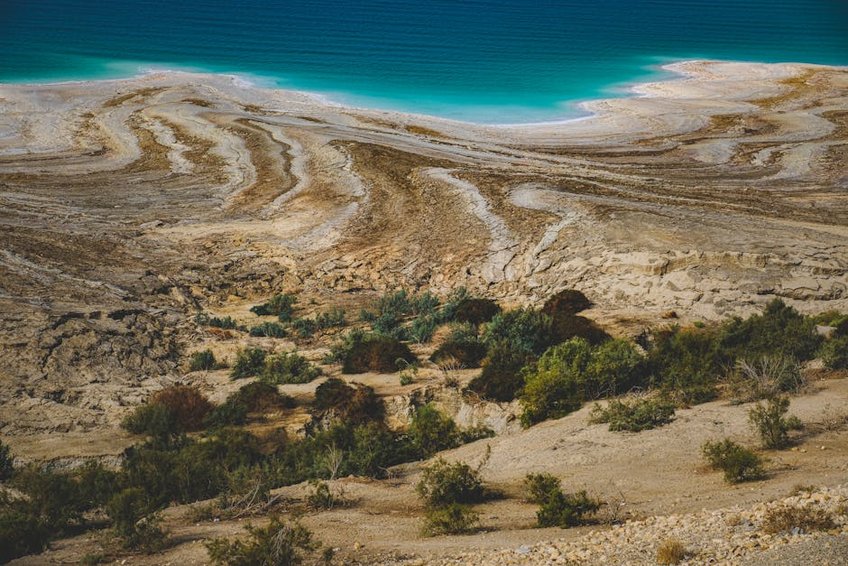
The Dead Sea is a salt lake bordering Jordan and Israel, sitting at the Earth’s lowest elevation on land. Its extreme salinity, roughly ten times that of ordinary seawater, is the result of water flowing in but not out, causing intense evaporation over millennia. This unique environment creates the famous buoyancy but also demands specific precautions for your health and safety.
Beyond the float, the area is renowned for its mineral-rich black mud, used in treatments for psoriasis and arthritis. The region’s climate is typically hot and dry, with very low humidity and high atmospheric pressure. These combined factors offer a distinct wellness tourism opportunity that draws visitors from across the globe seeking natural therapy.
Key Facts and Figures
Here are the essential details to contextualize your visit before you plan your float.
- The surface of the Dead Sea is approximately 430 meters (1,410 feet) below sea level, making it the lowest accessible point on the planet’s surface.
- Water salinity averages 34%, compared to about 3.5% in the Mediterranean Sea, which is what creates the powerful buoyant force.
- The sea is receding at an alarming rate of over one meter per year, significantly altering the coastline and access points over time.
- Budget Option ($10-$30): Access the public Amman Tourist Beach. Entry costs about 20 JOD ($28). This includes basic showers, mud, and a float. You’ll need to bring your own towel, water, and snacks. Ideal for a short, no-frills experience.
- Mid-Range Option ($50-$150): Purchase a day-pass to a luxury resort like the Dead Sea Marriott or Hilton. For 35-50 JOD ($49-$70), you get pristine beach access, pools, high-quality mud, locker rooms, towels, and often a buffet lunch. This offers the best value for comfort and facilities.
- Luxury Option ($200-$600+): Stay overnight at a 5-star resort like the Kempinski or Mövenpick. Room rates include full spa and beach access, multiple pools, and premium amenities. This allows for multiple floats and mud treatments at your leisure in a stunning setting.
- Jordan Tourism Board
- Lonely Planet Dead Sea Guide
The Science of Buoyancy and Health Benefits
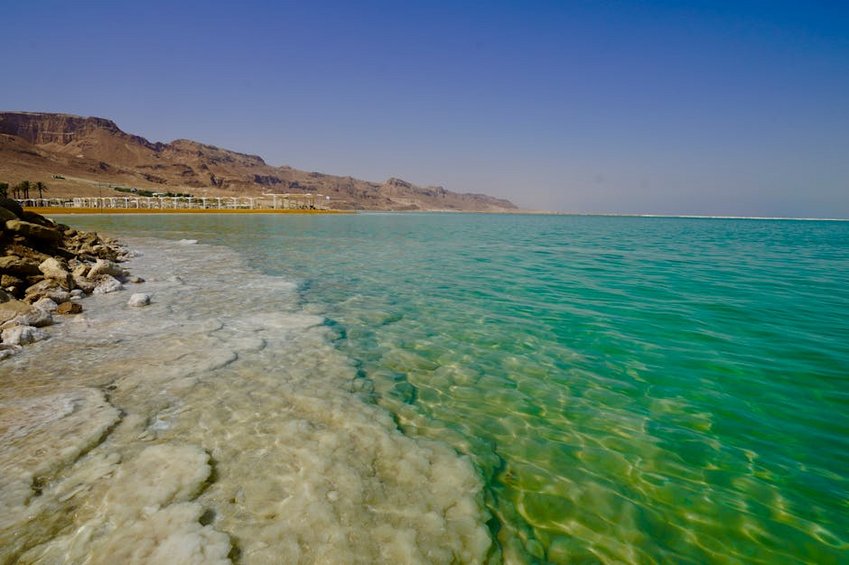
The high density of the saltwater provides enough upward force to make sinking virtually impossible. This allows you to recline and read a newspaper as in the classic photos, but the experience feels more like lying on a firm, watery mattress. The minerals, including magnesium, calcium, and potassium, are absorbed through the skin during immersion.
These minerals are clinically shown to help improve skin hydration, reduce inflammation, and ease muscle soreness. Many visitors with chronic skin issues like eczema report noticeable relief after repeated mud and float sessions. However, these benefits come with specific handling instructions to avoid discomfort.
Environmental and Cultural Context
The Dead Sea’s recession is a major environmental concern, creating sinkholes and changing resort landscapes. Your visit supports local conservation efforts, as many Jordanian resorts fund preservation projects. Culturally, the area holds biblical significance as a place of refuge and is mentioned in scripts alongside historical figures like King Herod.
Modern resorts blend luxury with this ancient history, offering spas that utilize the natural resources. Understanding this context adds a deeper layer to your visit beyond the novelty of floating. It connects you to a timeless landscape under profound environmental change.
Alt: “dead-sea-jordan-floating-buoyant-salt-water”
Jordan Dead Sea Floating – Planning Your Trip
Successfully planning your Dead Sea floating adventure hinges on timing, budget, and choosing the right base. The Jordanian coast offers both public beach access and private resort experiences, each with different amenities and price points. Your choice will affect your overall comfort, access to facilities, and ability to rinse off properly after your float.
Consider the season carefully, as summer heat can be extreme and winter water may feel chilly when you emerge. Most visitors find the shoulder months ideal for combining a float with exploring other Jordanian highlights like Petra and Wadi Rum. Booking accommodations well in advance is crucial for the popular spring and autumn periods.
Best Time to Visit the Dead Sea
The optimal months for a Dead Sea visit are March through May and September through November. During these periods, daytime temperatures range from a pleasant 75°F to 90°F (24°C to 32°C), and the water is comfortably warm. Crowds are manageable, and resort prices are slightly lower than in the peak summer season.
Summer (June-August) sees extreme heat exceeding 100°F (38°C), which can make the overall experience less comfortable, especially for extended mud applications. Winter (December-February) offers mild days but cooler air and water temperatures, which can make getting out of the buoyant water a brisk experience. Rain is rare but possible in winter months.
Budget Planning and Costs
Your budget for a Dead Sea day or overnight trip varies significantly based on your chosen access point.
Essential Preparation Checklist
Packing correctly is non-negotiable for a hassle-free float. Absolutely essential items include waterproof sandals or plastic shoes to protect your feet from sharp salt crystals on the shore, and a large, dark-colored towel you don’t mind staining with mud. Bring a bottle of fresh water for rinsing your mouth instantly if splashed.
Ensure you have no open cuts, wounds, or recent shaving nicks, as the salt will cause intense stinging. Remove all jewelry before entering the water, as the minerals can permanently tarnish metals. Confirm your travel insurance covers any potential issues, and have cash (Jordanian Dinar) on hand for entry fees or tips at resorts.
Top Activities and Must-Do Experiences
A visit to this unique locale involves more than just bobbing in the water. The ritual of applying the therapeutic black mud is a central part of the experience. Resorts provide vats of purified mud; apply it evenly on your skin, let it dry for 15-20 minutes, and then gently wade into the water to float it off.
After your float and rinse, spend time at the resort’s freshwater pools or thalassotherapy pools to continue relaxing. Many visitors combine their day with a trip to the nearby Mount Nebo or the Baptism Site at Bethany Beyond the Jordan. These historical sites are within a 30-minute drive and enrich the cultural journey.
Must-See Highlights
The primary highlight is, of course, the float itself. Take your time getting in, sit down first, then lean back. The water will lift you. Avoid splashing and keep your head above water at all costs. The second must-do is the mud treatment, known for leaving skin incredibly soft. Use mud provided by reputable sources.
Visit the Dead Sea Panoramic Complex, which offers breathtaking views of the sea and informative exhibits on its geology and ecology. For resort guests, indulging in a professional spa treatment that utilizes Dead Sea salts and mud is a premium highlight. These treatments are more concentrated than a DIY mud application.
Hidden Gems and Local Favorites
For a less crowded mud experience, ask resort staff about quieter sections of the beach. Early mornings often provide serene conditions before day-pass visitors arrive. Some locals prefer visiting during late afternoon to float during the golden hour, as the sunset over the Palestinian hills across the water is spectacular.
Instead of buying expensive packaged mud at gift shops, some smaller local vendors near public beaches sell authentic, untreated mud at a fraction of the price. Ensure it’s from a clean source. Exploring the nearby Wadi Mujib area, though not on the coast, offers dramatic canyon scenery often overlooked by visitors focused solely on the sea.
Photography and Memory Tips
Capturing your float requires planning. Use a waterproof case or a designated camera person who stays onshore. The best shots are taken from the beach, not from within the water. Morning light reduces haze and provides clearer views of the surrounding mountains. Remember, salt quickly damages electronics, so keep all gear well away from the water’s edge.
Practical Travel Information and Logistics
Getting to the Dead Sea from Jordan’s capital, Amman, is straightforward. The drive south on Highway 65 takes about one hour. Most visitors hire a private driver or taxi for the day, which offers flexibility and costs approximately 35-50 JOD ($49-$70) for a round-trip. Rental cars are also a viable option for those comfortable with Jordanian driving styles.
Accommodation is clustered along the northeastern shore. Choosing a resort on the water provides immediate, private beach access. Staying further inland in smaller hotels is more budget-friendly but requires transportation to a public or resort beach for your floating session. English is widely spoken at all major resorts and tourist facilities.
| Accommodation Type | Best For & Features | Price Range (USD) |
|---|---|---|
| Luxury Resort (Kempinski, Mövenpick) | Ultimate luxury, private beach, multiple pools, world-class spa, several dining options. | $250-$600+/night |
| Upper-Mid Resort (Marriott, Hilton) | Excellent value, great beaches, good spas, family-friendly facilities, day-passes available. | $150-$300/night |
| Budget Hotel (Inland) | Travelers on a strict budget, basic rooms, requires drive to beach, often includes breakfast. | $50-$100/night |
| Day Pass Only | Visitors based in Amman or en-route to Petra; access to resort facilities for a day. | $50-$70/person |