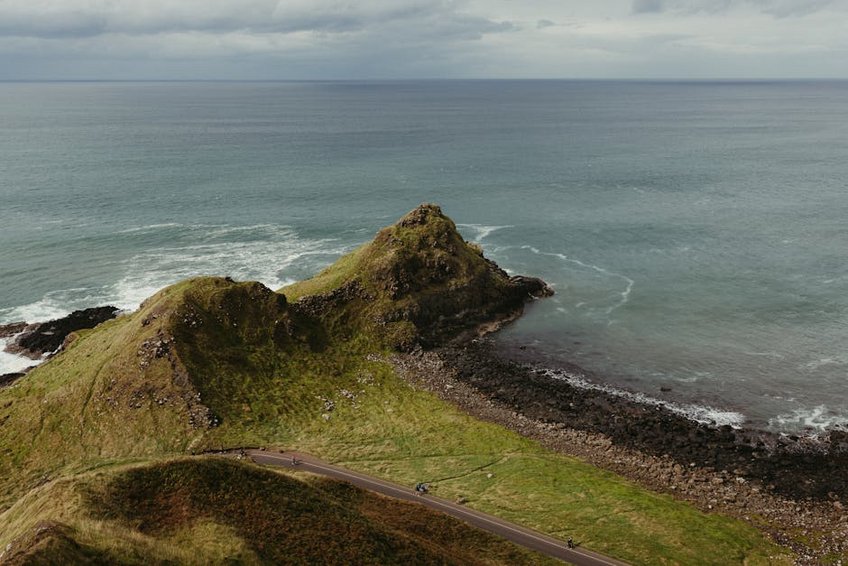
Northern Ireland Giant’s Causeway Bus Tours
A Northern Ireland Giant’s Causeway bus tour is the most efficient and scenic way to connect Belfast’s vibrant streets with the UNESCO-listed natural wonder on the Antrim Coast. These organized trips handle all logistics, from navigating narrow coastal roads to securing timed entry, letting you focus entirely on the stunning landscapes and folklore. This guide details the best tour operators, key stops along the route, and practical tips to maximize your day trip from Belfast to this geological masterpiece.
Essential Giant’s Causeway Information
The Giant’s Causeway is a spectacular formation of about 40,000 interlocking basalt columns, created by volcanic activity around 50-60 million years ago. Located on the northeast coast of County Antrim, it is Northern Ireland’s first UNESCO World Heritage Site, recognized for its exceptional geological value. The site is managed by the National Trust, which provides a visitor center, guided walks, and maintains the pathways for safe public access.
According to local legend, the causeway was built by the Irish giant Fionn mac Cumhaill to walk to Scotland and fight his rival, Benandonner. This rich mythology adds a layer of cultural depth to the physical landscape. The most famous formations have names like the Giant’s Boot, the Wishing Chair, and the Organ, each tied to the ancient tales shared by guides.
Understanding the Geological Formation
The unique hexagonal columns resulted from the cooling and contraction of lava flows. Here are the key scientific facts.
- The basalt lava erupted through chalk beds, cooling rapidly upon contact and forming the distinctive polygonal fracture patterns seen today.
- Columns are primarily hexagonal due to the efficient way cooling lava contracts, though some have four, five, seven, or eight sides.
- The cliffs continue to erode from the relentless force of the North Atlantic, meaning the coastline’s appearance slowly changes over centuries.
- Budget Tour ($35-$50): Often a large coach tour covering the Causeway and 1-2 photo stops. It typically excludes entry fees to the Visitor Centre or other attractions. Ideal for travelers who just need transport and are happy to explore the stones independently.
- Mid-Range Tour ($55-$80): This is the most popular category. Usually includes coach transport, entry to the Giant’s Causeway Visitor Centre, and stops at 2-3 other sites like Carrick-a-Rede (bridge fee may be extra) and Dunluce Castle. Offers the best balance of value and experience.
- Luxury/Small Group Tour ($90-$130): Travel in a 16-seat minibus for a more personal experience. Includes all entry fees, a guided walk at the Causeway, and often access to lesser-known viewpoints. The guide provides in-depth commentary and can adapt slightly to group interests.
- National Trust – Giant’s Causeway
- Northern Ireland Tourism Board
Key Visitor Details and Access
Admission to the Giant’s Causeway itself is technically free, as it is a public right of way. However, parking, use of the modern visitor center, the audio guide, and guided tours require a fee. The visitor center offers interactive exhibits, a cafe, and a shop, providing essential context before you descend to the stones.
Wear sturdy, waterproof footwear with good grip, as the basalt columns can be extremely slippery when wet. The walk from the center down to the main site takes about 15-20 minutes on a paved downhill path. A shuttle bus runs frequently for a small fee for those who prefer not to walk the incline.
Weather and Coastal Conditions
The microclimate on the North Coast is notoriously changeable. You can experience brilliant sunshine, dense fog, and horizontal rain all within an hour. Dressing in layers with a waterproof outer shell is non-negotiable, regardless of the forecast in Belfast.
Wind is a constant factor, often making it feel 5-10°F (3-6°C) colder than inland temperatures. The dramatic, moody skies, however, contribute to some of the most striking photography opportunities, contrasting the dark stones with frothy white waves.
Alt: “giants-causeway-basalt-columns-coastal-path-northern-ireland”
Northern Ireland Giant’s Causeway Bus – Planning Your Trip
Choosing the right Northern Ireland Giant’s Causeway bus service is the cornerstone of a successful day trip. Operators vary in price, itinerary, group size, and included extras, so matching one to your travel style is crucial. Most full-day tours from Belfast last between 8-10 hours and include pickup from central locations, making them incredibly convenient for visitors without a rental car.
Booking your spot at least 2-3 days in advance is highly recommended, especially during peak summer months (June-August) and on weekends. Popular tours can sell out quickly. Most companies offer free cancellation up to 24-48 hours before departure, providing flexibility for changing travel plans.
When comparing tours, look beyond just the price. Check what’s included: is the Giant’s Causeway visitor center fee covered? Are there stops at other key attractions like Carrick-a-Rede Rope Bridge or the Dark Hedges? The best value often comes from a mid-range tour that bundles several entry fees, saving you time and money on individual admissions.
Best Time to Visit the Giant’s Causeway
The peak tourist season runs from late May through early September, offering the longest daylight hours (up to 17 hours in June) and the mildest weather, with averages of 59-64°F (15-18°C). This is the busiest period, so expect more crowds at the stones and on tour buses. Booking your tour well in advance is essential.
Shoulder seasons—April to May and September to October—provide a excellent compromise. You’ll encounter fewer visitors, lower prices on some tours, and dynamic weather that adds drama to the landscape. Temperatures range from 50-59°F (10-15°C). Winter visits (November-March) are for the hardy, with short days, frequent rain, and temperatures of 41-46°F (5-8°C), but you’ll have the causeway almost to yourself.
Budget Planning and Tour Costs
Tour prices vary based on inclusions, group size, and transport type. Here’s a typical cost breakdown for a day trip from Belfast.
Essential Preparation Checklist
Packing correctly will define your comfort level on this coastal adventure. Beyond your camera, ensure you have a waterproof and windproof jacket, a warm fleece or mid-layer, and a hat/gloves even in summer. Trekking pants or comfortable jeans are suitable, but avoid heavy denim if rain is forecast as it becomes very uncomfortable.
Documentation is simple for most visitors. If you’re a US or EU citizen, you only need your passport. Travel insurance that covers day trips and basic medical care is always recommended. Physically, the tour involves moderate walking on uneven, slippery surfaces; a basic level of mobility is required to fully enjoy the main site.
Top Attractions on the Causeway Coastal Route
The journey from Belfast to the Giant’s Causeway is famously scenic, rivaling routes like California’s Pacific Coast Highway. A quality bus tour will incorporate several of these iconic stops, transforming a simple transfer into a highlights reel of Northern Ireland. The route showcases cliffs, castles, and cultural landmarks that tell the story of the region.
Timing at each stop is managed by your tour guide, who ensures the group stays on schedule to see all the planned sights. Listen carefully to their instructions for return times to the bus. Independent exploration is encouraged at each location, but within the allocated window, which is usually sufficient for photos and a brief walk.
Must-See Highlights
Carrick-a-Rede Rope Bridge is a thrilling optional stop. Originally used by salmon fishermen, the 65-foot (20-meter) bridge sways 98 feet (30 meters) above the Atlantic chasm. Crossing it provides unforgettable views. Note that bridge entry is often an add-on fee ($10-$15) and requires a timed ticket, which good tour operators pre-arrange.
The Dark Hedges is an atmospheric avenue of ancient beech trees planted in the 18th century. Famously featured in *Game of Thrones* as the Kingsroad, it’s a spectacular photo stop, best visited early or late in the day to avoid tour bus crowds. Visitors must stay on the designated path to protect the tree roots.
Dunluce Castle is a magnificent medieval ruin perched precariously on a basalt outcrop. Part of the castle kitchen famously collapsed into the sea in the 17th century. Most tours stop for a photo opportunity from the roadside viewpoint, while some include the entry fee for a closer exploration of the ruins.
Hidden Gems and Local Favorites
Ballintoy Harbour is a small, picturesque fishing port that doubled as the Iron Islands in *Game of Thrones*. It’s less crowded than the major stops and offers beautiful views of the small bay and surrounding cliffs. The journey down to the harbor is steep but rewarding.
For a unique cultural experience, some tours pass by Bushmills, home to the world’s oldest licensed whiskey distillery (licensed in 1608). While full tours take time, many bus trips may offer a quick photo stop or the chance to purchase a dram from the gift shop if the group is interested.
Photography Tips for the Coast
The changing light on the North Coast is a photographer’s dream. Use a polarizing filter to manage glare off the wet stones and enhance the colors of the sea and sky. A wide-angle lens (16-35mm) is perfect for capturing the scale of the causeway columns, while a telephoto (70-200mm) can isolate details and compress perspectives on the coastal cliffs.
For the classic shot of the Grand Causeway, walk past the main cluster of visitors. The best compositions often include people for scale, placed thoughtfully within the frame. Shoot during “golden hour” just after sunrise or before sunset for the most dramatic light, though this is only possible on very early or late private tours.
Practical Travel Information
Transportation on a guided bus tour is straightforward, as all logistics are handled for you. Most operators use comfortable, air-conditioned coaches or minibuses with large windows for sightseeing. Pickup points are typically centralized in Belfast, such as outside the Belfast Welcome Centre or at designated hotels. Always confirm your exact pickup location and time 24 hours before departure.
Accommodation for this trip should be centered in Belfast. The city offers a wide range of hotels, from budget chains to luxury properties, serving as the perfect base for exploring Northern Ireland. Staying in the Cathedral Quarter or near City Hall puts you close to most tour pickup points and the city’s best restaurants and pubs for your return.
| Tour Operator Type | Key Features & Inclusions | Approx. Price Range (USD) |
|---|---|---|
| Large Coach Tour | 50-seat bus, Causeway stop, 1-2 photo stops, basic commentary. | $35 – $50 |
| Standard Day Tour | Mid-size coach, Causeway Visitor Centre entry, 3-4 stops (Carrick-a-Rede, Dark Hedges, Dunluce). | $55 – $80 |
| Small Group Tour | 16-seat minibus, all entry fees, guided walk at Causeway, flexible pacing, in-depth guiding. | $90 – $130 |
| Private Tour | Fully customizable itinerary, private vehicle & guide, door-to-door service, premium experience. | $250+ |