Scotland Edinburgh Castle Tickets: Your Guide to Securing Access
Planning your visit to Scotland’s most iconic fortress requires securing Edinburgh Castle tickets in advance. This historic stronghold sees over two million visitors annually, making advance booking essential to guarantee entry on your preferred date and time. This guide details ticket types, pricing strategies, and insider access tips to optimize your experience at this UNESCO World Heritage site.
Essential Edinburgh Castle Visitor Information
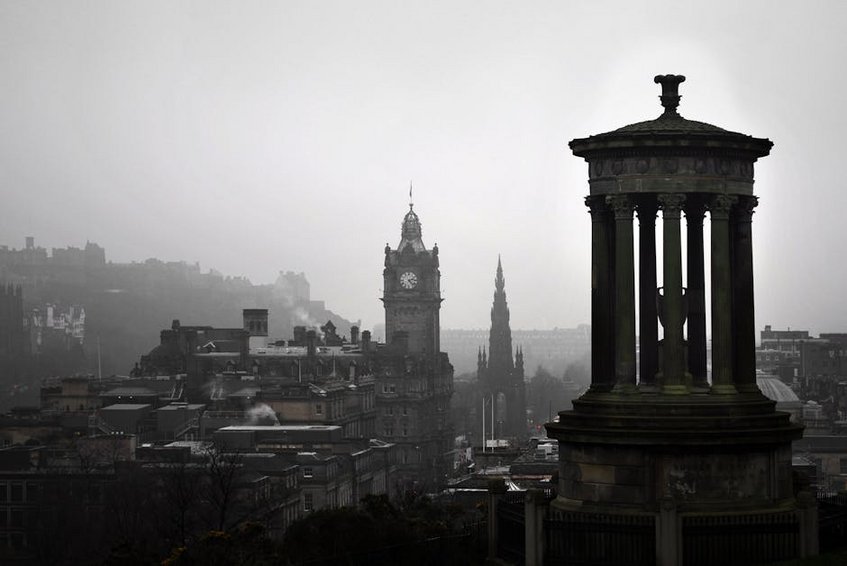
Perched atop Castle Rock, Edinburgh Castle dominates the city’s skyline with over 3,000 years of defensive history. The site functions as both a major tourist attraction and a working military garrison, home to the Scottish National War Memorial and the Honours of Scotland. Its strategic location offers unparalleled 360-degree views of Edinburgh and the Firth of Forth.
Opening hours vary seasonally, typically from 9:30 AM to 6:00 PM during peak summer months (April-September) and closing at 5:00 PM in winter (October-March). Last entry is always one hour before closing. The castle is closed on December 25th and 26th, with limited hours on January 1st, so always verify the official calendar before finalizing your travel dates.
What Constitutes the Castle Experience
Your admission provides access to over a dozen significant historical buildings and exhibitions. Key highlights are spread across the citadel, requiring strategic planning to see everything efficiently.
- The Crown Jewels (Honours of Scotland): Housed in the Crown Room, this display includes the crown, sceptre, and sword of state used in Scottish monarch coronations since the 15th century, with stringent security and often a queue.
- The Stone of Destiny: This ancient sandstone block, used in coronation ceremonies for centuries, resides alongside the Crown Jewels and returned to Scotland in 1996 after 700 years in Westminster Abbey.
- St. Margaret’s Chapel: The castle’s oldest surviving building, dating from the 12th century, is a simple, evocative space dedicated to Queen Margaret, offering a quiet moment amidst the bustling citadel.
- Budget Focus ($35-$50 USD): Covers online adult ticket, self-guided exploration, and bringing your own water/snacks. Use free audio guide apps on your smartphone and enjoy panoramic views from the battlements as a highlight.
- Mid-Range Experience ($60-$90 USD): Includes ticket, the official audio guide rental (£3.50), a guided tour with a historian (£10-£15), and a light lunch with a view at the Redcoat Café within the castle walls.
- Premium Visit ($100+ USD): Encompasses fast-track ticket access, a private guided tour, afternoon tea reservations at the castle’s tea rooms, and combined entry to neighboring attractions like the Scottish National War Memorial annexes not on the standard route.
- Historic Environment Scotland – Official Edinburgh Castle Site
- Edinburgh Tourism Information Portal
Key Historical Context and Significance
Edinburgh Castle’s story is Scotland’s story in microcosm. Archaeologists have found evidence of human occupation on Castle Rock dating to the Iron Age (around 900 BC). The castle you see today primarily reflects sieges and reconstructions from the 12th to 18th centuries, known as the “Lang Siege” and “Jacobite Risings.”
Its role evolved from royal residence to military fortress. The Great Hall, completed in 1511 for James IV, and the Half Moon Battery, built after the Lang Siege in 1573, showcase this transition. The castle last saw military action during the Jacobite rising of 1745 and has since been meticulously preserved as a national monument.
Navigating the Castle Complex
The fortress is built on a steep volcanic crag, involving considerable walking, climbing, and navigating cobbled pathways. Comfortable, sturdy footwear is non-negotiable. The route from the entrance at the Esplanade to the highest point at the Crown Square involves several steep climbs and staircases.
Accessibility is limited due to the historic nature of the site. While there is a designated accessible route and a complimentary shuttle from the Esplanade to the top, many interior rooms have steps and narrow doorways. Visitors with mobility concerns should review the detailed access guide on the official website before purchasing their entry pass.
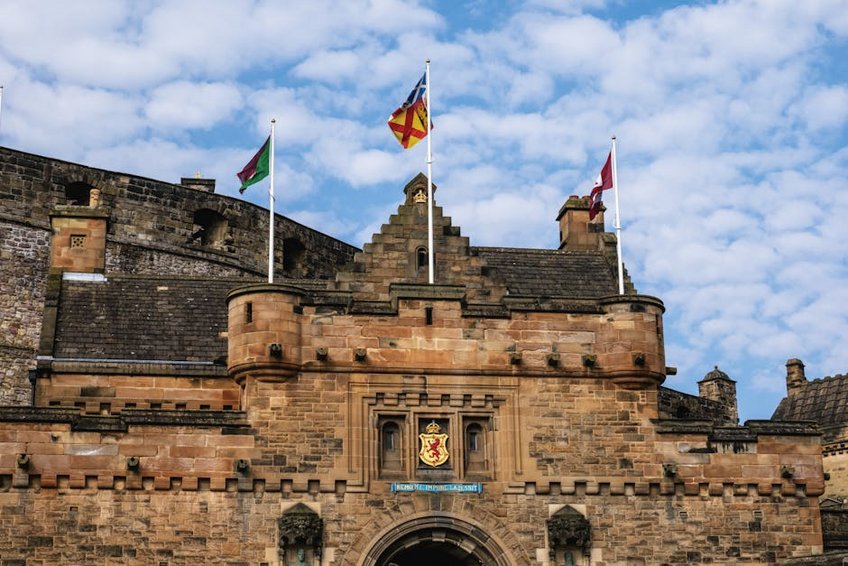
Alt: “edinburgh-castle-entrance-esplanade-crowd-visitors-summer”
Scotland Edinburgh Castle Tickets – Planning Your Visit
Securing your Scotland Edinburgh Castle tickets is the single most important step in planning your visit. Demand consistently exceeds capacity, especially from June through August and during the Edinburgh Festival in August. Purchasing online from the official Historic Environment Scotland website guarantees a timed entry slot, bypassing the often lengthy ticket office queue on the Esplanade.
Ticket prices are dynamic, with slight variations for peak and off-peak dates. Adult standard admission typically costs between £19.50 and £21.00 when purchased online in advance (approximately $25-$27 USD). Concession pricing applies to seniors over 60 and students with valid ID. Children aged 5-15 receive a reduced rate, while kids under 5 enter free.
Consider the Explorer Pass if your Scottish itinerary includes multiple Historic Scotland sites like Stirling Castle or Urquhart Castle. This money-saving pass grants access to over 70 sites for a set duration. For Edinburgh Castle alone, standard advance online tickets offer the best value for a single-day visit.
Best Time to Visit Edinburgh Castle
The ideal time for your castle visit is during the shoulder seasons of April-May or September-October. Daytime temperatures range from a pleasant 50-60°F (10-16°C), and crowds are thinner than in peak summer. Morning entry slots between 9:30 AM and 11:00 AM are less congested, allowing clearer photography of the Stone of Destiny and Crown Jewels.
Winter visits (November-March) offer a stark, atmospheric experience with fewer tourists but shorter daylight hours and colder weather, averaging 34-43°F (1-6°C). The famous One O’Clock Gun firing occurs daily except Sundays, Good Friday, and Christmas Day. Check the schedule for special events like military tattoo rehearsals that may affect access.
Budget Planning and Costs
Beyond the ticket price, budget for additional experiences and necessities to maximize your day.
Essential Preparation Checklist
Prepare for variable Scottish weather by dressing in layers, including a waterproof jacket regardless of forecast. The castle grounds are exposed and windy. Bring a refillable water bottle, as fountains are available, and comfortable walking shoes with good grip for ancient, often slick, stone surfaces.
Ensure you have a printed copy or accessible digital version of your e-ticket QR code. Photo ID may be required for concession tickets. Book any add-ons like audio guides or special exhibit tickets simultaneously with your main admission to avoid disappointment. Arrive at the Esplanade 15 minutes before your timed entry slot for security screening.
Top Attractions and Experiences Inside the Citadel
Beyond the crown jewels, the castle complex houses museums, monuments, and military displays that can easily fill four to five hours. Prioritize based on your interests, whether military history, royal lineage, or architecture. The site is divided into distinct areas: the Upper Ward, Middle Ward, and Lower Ward, each with its own character.
Allow significant time for the National War Museum and the Scottish National War Memorial, both profoundly moving tributes. The Royal Palace apartments, where Mary, Queen of Scots gave birth to James VI, offer a glimpse into royal life. Meanwhile, the Great Hall showcases impressive medieval timber roof construction and displays of armor and weaponry.
Must-See Historical Highlights
The Crown Jewels and Stone of Destiny are the undisputed headline attractions, located in the Crown Room. Expect a queue that moves steadily; visiting immediately upon entry or during the One O’Clock Gun ceremony can mean shorter waits. The Mons Meg, a 15th-century siege cannon, and the One O’Clock Gun itself are iconic photo spots on the Argyle Battery.
St. Margaret’s Chapel provides a serene contrast to the military grandeur. The Scottish National War Memorial, a somber and beautifully crafted shrine, honors Scots who fell in conflicts since 1914. Visitors are requested to maintain silence inside. Each offers a unique facet of the site’s layered identity, from sacred to strategic.
Hidden Gems and Lesser-Known Spots
Explore the Prisons of War exhibition in the vaults under the Great Hall. This immersive display recreates the conditions of 18th-century prisoners from various global conflicts, using audio and model figures. It’s often overlooked by crowds heading straight to the crown jewels.
Seek out David’s Tower, a ruined 14th-century structure offering a quiet corner with fascinating archaeological displays about the castle’s medieval foundations. The views from the nearby Foog’s Gate, a small postern gate, provide a unique perspective over Princes Street Gardens rarely seen in typical tourist photographs.
Military Displays and Ceremonies
The castle remains the ceremonial headquarters of the Royal Regiment of Scotland. You can witness the Changing of the Guard (different from the London ceremony) at specific times, though it’s less frequent; check the daily program. The One O’Clock Gun firing from Mills Mount Battery is a daily tradition (except Sunday) dating to 1861, originally to help ships in the Firth of Forth set their maritime clocks.
The massive 15th-century siege gun, Mons Meg, sits on the Argyle Battery. The Scottish National War Museum, located in the former hospital building, houses an extensive collection of uniforms, medals, and artifacts detailing Scotland’s military history, requiring at least an hour for a thorough visit.
Practical Travel and Logistics Information
Edinburgh Castle’s central location at the top of the Royal Mile makes it accessible but busy. The nearest train station is Edinburgh Waverley, a 15-minute walk uphill via Market Street and Johnston Terrace. Several public bus lines, including the Lothian Buses 23, 27, 41, and 42, stop nearby on George IV Bridge or the Mound.
Driving is not recommended. There is no public parking at the castle. The nearest public parking is at the Castle Terrace NCP, which fills quickly and is expensive. Using Edinburgh’s excellent public transport, a taxi, or walking from your central accommodation is the most efficient and stress-free approach.
| Accommodation Type | Recommended Area & Features | Price Range (USD/Night) |
|---|---|---|
| Budget Hostel | Grassmarket or Cowgate: Social atmosphere, shared facilities, short steep walk to castle. | $35-$70 |
| Mid-Range Hotel | Old Town (Royal Mile): Historic character, ensuite bathrooms, often includes breakfast. | $150-$300 |
| Luxury Hotel | New Town (Princes Street): Five-star service, castle views, fine dining, concierge. | $350-$700+ |
| Self-Catering Apartment | West End or Stockbridge: More space, kitchenette, residential feel, 20-min walk. | $120-$250 |