Ireland Wild Atlantic Way Driving Route
The Ireland Wild Atlantic Way driving route offers over 1,600 miles of uninterrupted coastal scenery, connecting nine counties along Ireland’s dramatic western seaboard. You’ll navigate from the Inishowen Peninsula in Donegal to the charming town of Kinsale in Cork, passing soaring sea cliffs, remote Gaelic-speaking villages, and some of the world’s most pristine landscapes. This guide provides detailed planning advice, accommodation options, and itinerary tips to help you experience this legendary road trip fully.
Essential Route Information
Stretching 2,600 kilometers, the Wild Atlantic Way is the world’s longest defined coastal touring route. Officially launched in 2014, it was developed by Fáilte Ireland to showcase the raw beauty and cultural heritage of Ireland’s Atlantic coast. The journey typically requires a minimum of five days to complete, though most travelers allocate seven to fourteen days for a comprehensive experience.
The route is meticulously signposted with its distinctive wave logo, making navigation straightforward even on narrow, rural roads. You’ll traverse six distinct regions, each offering unique geological formations, historical sites, and local traditions. Cell service can be intermittent in remote sections, so downloading offline maps is highly recommended for all travelers.
Route Sections and Signature Points
The coastal driving route is divided into six main sections, each marked by signature discovery points that are must-see highlights.
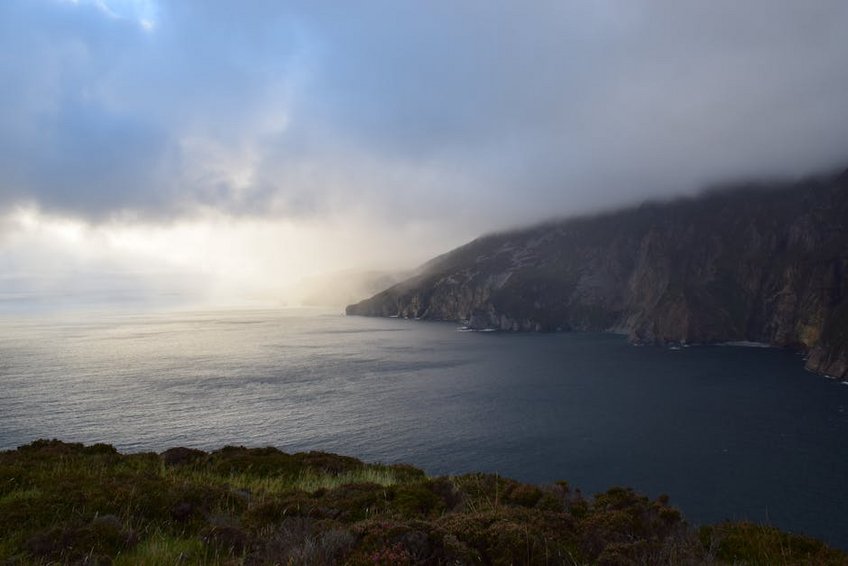
- The Northern Headlands (Donegal, Leitrim, Sligo): Features Malin Head, Ireland’s northernmost point, and the dramatic Slieve League cliffs, which are nearly three times higher than the more famous Cliffs of Moher.
- The Surf Coast (Mayo): Home to world-class surfing beaches like Strandhill and the sacred pilgrimage site of Croagh Patrick, where thousands climb barefoot each year.
- The Bay Coast (Galway, Clare): Encompasses the otherworldly Burren region, the vibrant cultural hub of Galway City, and the iconic Cliffs of Moher, which rise 702 feet above the Atlantic.
- The Cliff Coast (Kerry): Includes the renowned Ring of Kerry peninsula, the Skellig Islands—a UNESCO World Heritage site—and the breathtaking vistas of the Dingle Peninsula.
- The Haven Coast (Cork): Known for its sheltered bays, charming harbor towns like Kinsale, and the picturesque Mizen Head signal station.
- Budget: $1,200-$1,800 total. This covers a manual economy rental car, self-catering hostels or B&Bs, cooking most meals, and focusing on free natural attractions. Daily fuel costs average $35-$50.
- Mid-Range: $2,500-$3,500 total. Allows for an automatic compact car, private rooms in well-rated guesthouses, dining at pubs for lunch and dinner, and paid entry to a few key attractions like the Cliffs of Moher (approx. $10 per person).
- Luxury: $4,500+ total. Includes a premium SUV rental, stays at four-star hotels or castles, fine dining experiences, and private guided tours in areas like the Burren or Skellig Michael.
- Official Wild Atlantic Way Website
- Fáilte Ireland Official Tourism Site
Understanding Irish Road Conditions
Driving in rural Ireland presents unique challenges. Roads are often narrow, winding, and bordered by stone walls or hedgerows. The R-series regional roads, which make up much of the route, are typically single lane with periodic passing places. You must be comfortable with reversing to let oncoming traffic pass.
Speed limits are posted in kilometers, and fuel is sold by the liter. Expect to encounter sheep and livestock on roads, especially in Connemara and County Kerry. During peak summer months between June and August, traffic increases significantly on popular peninsulas like Dingle and the Ring of Kerry, making an early start essential.
Vehicle Selection and Navigation
Choosing the right vehicle dramatically impacts your journey. A compact car is preferable for navigating tight roads and fitting into smaller parking spots common in villages. While not strictly necessary, a car with good fuel economy is advisable due to long distances between stations in remote areas.
Reliable GPS is crucial; consider renting a car with a built-in sat-nav or using the Google Maps offline feature. Paper maps from tourist offices remain valuable backups. Remember, driving is on the left-hand side of the road, and automatic transmission vehicles incur a higher rental premium than manual models.
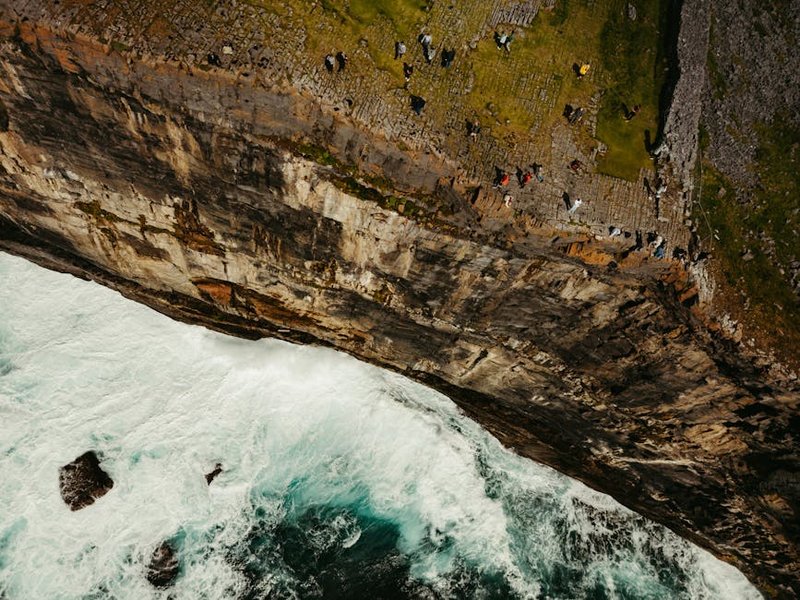
Alt: “wild-atlantic-way-coastal-road-donegal-cliffs”
Wild Atlantic Way Driving Route – Planning Your Trip
Successfully navigating this epic coastal journey requires strategic planning around seasons, budget, and pacing. The route’s popularity means accommodations in key towns book months in advance, particularly for summer travel. Flexibility with your schedule allows you to chase good weather and discover unexpected gems away from the main tourist trail.
Your budget should account for premium fuel costs, toll bridges, and potentially higher-priced lodgings in scenic hotspots. Booking your rental car well in advance secures better rates and ensures availability of your preferred vehicle type. Consider breaking the drive into manageable segments of three to four hours maximum per day to allow ample time for exploration.
Best Time to Drive the Wild Atlantic Way
The optimal time for this Irish road trip is between late May and early September. During these months, you’ll experience the longest daylight hours—up to 17 hours in June—and the mildest temperatures, averaging 59°F to 68°F (15°C to 20°C). This period offers the best chance for clear skies to appreciate the panoramic coastal views.
Shoulder seasons like April-May and September-October provide fewer crowds and lower accommodation prices, with temperatures ranging from 50°F to 60°F (10°C to 16°C). Winter travel from November to March is challenging due to storms, limited daylight (as little as 7.5 hours), and some tourist attractions being closed, though it offers a truly rugged and solitary experience.
Budget Planning and Costs
Costs vary widely based on travel style, season, and group size. Below is a breakdown for a one-week trip for two people.
Essential Preparation Checklist
Pack for changeable weather, often referred to as “four seasons in one day.” Essential items include a waterproof and windproof jacket, comfortable walking shoes with good grip, layered clothing, and a power adapter for Ireland’s Type G plugs (230V). A high-quality camera, binoculars for wildlife spotting, and a refillable water bottle are also highly recommended.
Ensure you have a valid driver’s license from your home country; an International Driving Permit is recommended for non-EU license holders. Purchase comprehensive travel insurance that includes car rental excess coverage. Book your first two nights’ accommodation before arrival, especially if landing in Dublin, and have confirmed reservations for your rental vehicle.
Top Attractions and Signature Discovery Points
While the entire route is scenic, certain landmarks stand out as iconic highlights. These signature discovery points were chosen for their outstanding visual impact and cultural significance. Planning your stops around these points helps structure your journey, but remain open to spontaneous detours down smaller boreens (country lanes) that often lead to empty beaches or charming local cafes.
Each region promotes its own local heroes, from musicians in Doolin to Gaelic football in Donegal. Engaging with these community elements enriches the travel experience beyond the postcard views. Many sites, like the Kylemore Abbey in Connemara or the Derrigimlagh Bog in Clifden, offer deep historical context about Ireland’s formation and struggles.
Must-See Highlights
The Slieve League Cliffs in Donegal are a breathtaking start, offering vertigo-inducing views without entrance fees. Further south, the Gleniff Horseshoe drive presents a stunning glacial valley often missed by travelers rushing to Sligo. In County Clare, the Cliffs of Moher require an early morning visit to avoid tour buses; the coastal walk south toward Hags Head is quieter and equally impressive.
The Skellig Ring, an alternative to the busy Ring of Kerry, provides unparalleled views of the Skellig Islands. On the Dingle Peninsula, Slea Head Drive features ancient beehive huts and stunning coastal vistas. Mizen Head in Cork, Ireland’s southwestern tip, has a spectacular signal station accessible via a dramatic footbridge over the churning Atlantic.
Hidden Gems and Local Favorites
Venture to the remote Mullet Peninsula in Mayo for pristine beaches and a strong Gaeltacht (Irish-speaking) culture, rarely seen by mainstream tourists. In Connemara, the Sky Road just outside Clifden offers a short loop with magnificent views, perfect for a sunset drive. The Beara Peninsula, straddling Cork and Kerry, is less traveled than its neighbors and features the thrilling Healy Pass mountain road.
For a unique cultural experience, visit Teach an Phobail in Teelin, Donegal, for a traditional seisiún (music session) in a community hall. The Loop Head Peninsula in Clare offers a quieter alternative to the Cliffs of Moher, with a historic lighthouse and great whale watching spots. These locations provide authentic interactions and stunning scenery with fewer visitors.
Historical Sites and Cultural Stops
History permeates the landscape. Dunluce Castle in Antrim (near the start) is a dramatic ruined fortress perched on a cliff edge. The Céide Fields in Mayo are the oldest known field systems in the world, dating back nearly 6,000 years. In Connemara, Kylemore Abbey and its Victorian Walled Garden provide a fascinating glimpse into 19th-century history.
The Derrigimlagh Bog in Clifden marks the site of the first transatlantic wireless message and the crash landing of Alcock and Brown after their first non-stop transatlantic flight. Visiting these sites breaks up the driving and adds profound depth to your understanding of Ireland’s Atlantic coast, connecting natural beauty with human endeavor across millennia.
Practical Travel Information and Logistics
Navigating the logistics of this long-distance trip is key to a stress-free holiday. Your choice of arrival airport will shape your itinerary direction. Many international travelers fly into Dublin (DUB) or Shannon (SNN), though knock (NOC) in the west is increasingly popular for its proximity to the route’s northern sections. A strategic approach involves planning a linear route rather than a loop to maximize time.
Accommodation ranges from rustic campsites and friendly bed & breakfasts to luxury castle hotels. Booking ahead is non-negotiable in summer, especially for smaller towns with limited options. Consider basing yourself in a few key hubs for multiple nights—like Dingle, Westport, or Clifden—to explore a peninsula thoroughly without repacking daily.
| Accommodation Type | Description & Amenities | Avg. Price/Night (USD) |
|---|---|---|
| Hostel/Self-Catering | Dorm or private room, shared kitchen, social atmosphere, often in central town locations. | $25-$45 per person |
| Bed & Breakfast (B&B) | Family-run homes, private ensuite room, full Irish breakfast included, personal local tips. | $90-$140 for two |
| Guesthouse / Hotel | More formal service, restaurant/bar on-site, daily housekeeping, parking often available. | $130-$250 for two |
| Luxury Hotel/Castle | Historic properties, fine dining, spa facilities, scenic estates, and concierge services. | $300+ for two |