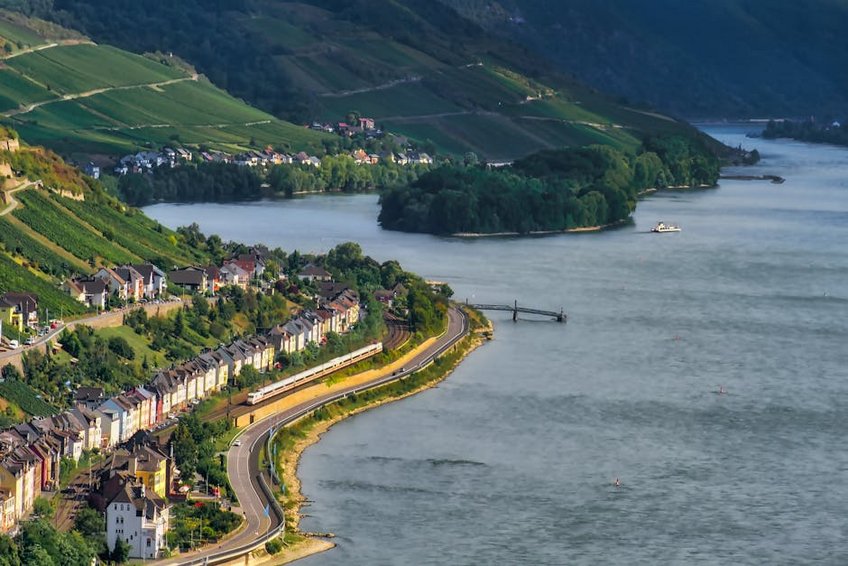
Germany Rhine River Valley Wine Tour Guide
Embarking on a Germany Rhine River Valley wine tour immerses you in a landscape where steep, vineyard-covered slopes meet medieval castles and storybook villages. This UNESCO World Heritage region, stretching roughly 65 kilometers (40 miles) between Bingen and Koblenz, produces some of the world’s most celebrated Rieslings, with a winegrowing history spanning two millennia. This guide provides the essential planning tips, vineyard visits, and cultural insights to craft your perfect itinerary through this historic wine country.
Essential Rhine Valley Information
The Rhine River Valley’s Upper Middle Rhine section is the heart of its wine culture. River traffic has shaped this area for centuries, with towns like Rüdesheim and Bacharach serving as vital trading posts. The unique microclimate, with steep south-facing slopes reflecting sunlight onto the river, creates ideal conditions for the delicate Riesling grape.
Viticulture here is a testament to human perseverance, with terraced vineyards that are often too steep for machinery, requiring manual labor. The region is divided into specific wine-growing districts, each with distinct characteristics. Understanding this rich backdrop transforms a simple tasting into a deeper appreciation of the landscape and its traditions.
Key Wine Regions and Their Styles
Knowing the sub-regions helps you tailor your tasting journey.
- Mittelrhein: North of Bacharach, this area produces racy, high-acidity Rieslings with pronounced mineral notes, often from slate soils. Wines here are elegant and less fruit-forward.
- Rheingau: West of Wiesbaden, the river runs east-west, allowing maximum sun exposure. This yields fuller-bodied, richer, and often drier Rieslings with complex peach and citrus flavors.
- Rheinhessen: South of the Rheingau, it’s Germany’s largest wine region. Known for innovation and diverse styles, it offers everything from classic Riesling to bold Silvaner and modern reds like Dornfelder.
- Budget (approx. $100-150/day): Stay in guesthouses (Pension) or hostels, use regional trains and ferries for transport, enjoy casual meals at wineries (Strausswirtschaften), and focus on free castle hikes and village wandering.
- Mid-Range (approx. $200-350/day): This allows for comfortable hotel stays in towns like Bacharach, guided group bike tours through vineyards, seated tastings at renowned estates, and dinners at traditional Gaststätten.
- Luxury (approx. $500+/day): Includes stays at castle hotels or high-end design hotels, private chauffeured tours between vineyards, exclusive vertical tastings with winemakers, and Michelin-starred dining experiences with perfect wine pairings.
- Romantic Germany Tourism Board
- German Wine Institute
Understanding German Wine Labels
Deciphering a German wine label is crucial for selecting bottles you’ll enjoy. Key terms indicate sweetness levels, which are not always intuitive. Prädikatswein is the top quality category, with ripeness levels like Kabinett (light, off-dry) and Spätlese (“late harvest,” richer).
Additionally, look for Erste Lage (First Growth) or Große Lage (Great Growth) designations for top vineyard sites. The village name followed by the vineyard name, like “Rüdesheimer Berg,” signifies a specific plot. Don’t hesitate to ask winemakers for explanations; they’re proud to share their craft.
Historical and Cultural Context
The valley’s history is woven into every glass. Romans planted the first vines here around 100 AD. The subsequent monastic orders, particularly the Cistercians, refined viticulture techniques that are still referenced today. This deep history is visible in the over 40 hilltop castles, many of which now house hotels or restaurants with stellar wine lists.
The Rhine has always been a major trade artery, making the valley a cultural melting pot. This influenced everything from architecture to cuisine, creating a uniquely welcoming atmosphere. Your visit supports centuries-old family estates often run by the 10th generation or more.
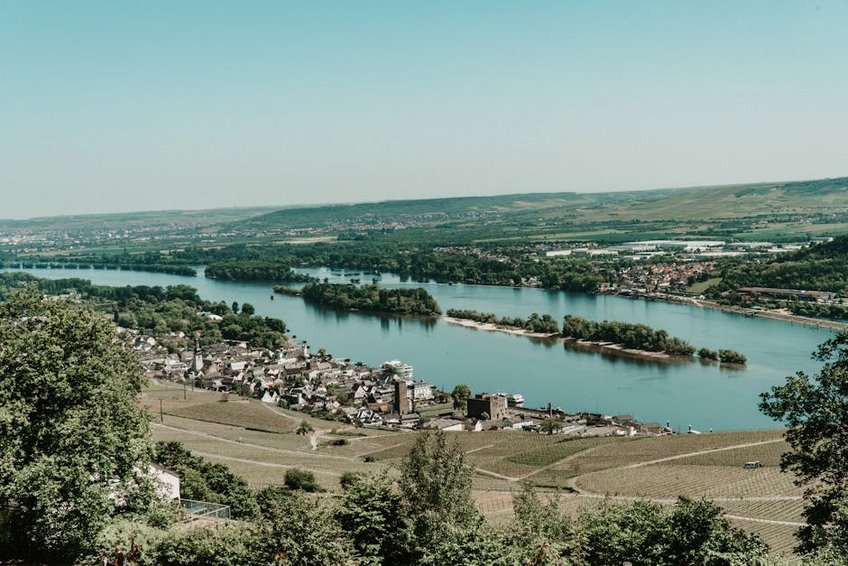
Alt: “rhine-river-valley-steep-vineyards-castle-view”
Germany Rhine River Valley Wine Tour – Planning Your Trip
A successful Rhine wine adventure requires aligning your visit with the vineyard cycle and local festivals. The most vibrant time is during the autumn harvest, typically from late September through October, when “Federweisser” (young fermenting wine) is served. However, spring offers blooming landscapes and fewer crowds.
Your budget should account for tasting fees, which range from €5-15 for a flight, and transportation between villages. While many speak English in tourist areas, learning a few phrases like “Prost” (cheers) and “Weinprobe” (wine tasting) enhances the experience. Booking vineyard stays and popular restaurants weeks in advance is highly recommended, especially for weekend travel.
Best Time to Visit for a Wine Tour
Visit between late May and October for optimal wine touring conditions. Peak season (June-August) offers long days and lively festivals like the Rüdesheim Wine Festival in August, with temperatures averaging 68-77°F (20-25°C). This is ideal for river cruises but requires booked accommodations.
Shoulder months of May and September provide a superb balance. September sees 59-68°F (15-20°C) weather, the beginning of harvest excitement, and thinner crowds. Late April and October are cooler, around 50-59°F (10-15°C), but you’ll experience the authentic, quiet valley and may find lower prices.
Budget Planning and Costs
Costs vary significantly based on travel style and lodging choices.
Essential Preparation Checklist
Packing should focus on comfort and practicality. Sturdy, comfortable walking shoes are non-negotiable for navigating cobblestones and vineyard paths. Dress in layers, as weather can shift quickly on the river. A compact umbrella or rain jacket is wise. A quality wine tote or backpack with bottle protection is essential for purchases.
Ensure your passport is valid for at least three months beyond your stay. U.S. citizens do not need a visa for tourist stays under 90 days. Consider renting a car for maximum flexibility, but know that parking in old towns is challenging. Alternatively, research the excellent Rhine Valley train schedule and consider a regional pass.
Top Attractions and Wine Experiences
Beyond the glass, the valley offers a wealth of activities that complement the wine culture. A Rhine River cruise is the classic way to appreciate the sheer scale of the vineyard terraces and castles. Choose the KD Rhine Line for frequent service between key towns, allowing you to hop on and off.
Hiking the Rheinsteig or Rheinburgenweg trails provides breathtaking panoramic views from within the vineyards themselves. Numerous trails connect villages directly to wineries, making for a rewarding active day. For history buffs, touring Marksburg Castle, the only hill castle never destroyed, offers a fascinating medieval perspective.
Must-See Highlights
The Lorelei Rock is a legendary slate cliff where the river narrows, creating treacherous currents. The myth of a siren luring sailors is celebrated here, and the viewpoint offers a stunning vista. Nearby, Pfalzgrafenstein Castle sits on a tiny island mid-river, a former toll station looking like a stone ship.
Rüdesheim am Rhein is famous for the Drosselgasse, a narrow, merry lane lined with wine taverns and music. Take the cable car up to the Niederwald Monument for a panoramic view. In Bacharach, wander the completely intact medieval town wall and visit the stunning Gothic Stahleck Castle, now a youth hostel.
Hidden Gems and Local Favorites
Venture slightly off the main river to discover treasures. The quiet village of Lorch, at the northern end of the UNESCO section, produces powerful Spätburgunder (Pinot Noir) wines. Its terraced vineyards are exceptionally steep and photogenic. Seek out small family-run Strausswirtschaften, temporary wine taverns open only during harvest, for the most authentic local atmosphere.
For a unique perspective, take the car ferry across the river instead of the bridge. The short ride offers beautiful views and connects you to less-visited towns on the opposite bank, where you’ll find equally excellent wineries with fewer visitors. Exploring these areas often leads to more personal tasting experiences.
Vineyard Hiking and Cycling Routes
Active exploration is deeply rewarding. The “Rheingau Riesling Route” is a 120km network of well-signed hiking and biking trails connecting vineyards, wineries, and historic sites. You can rent e-bikes in most towns to effortlessly tackle the hills.
Guided vineyard hikes are also available, often ending with a tasting at the winery at the top or bottom of the slope. These tours provide invaluable insight into the viticultural challenges of the region. Always check opening times for wineries along the route in advance.
Practical Travel Information
Navigating the Rhine Valley is straightforward with a mix of transport. The region is well-connected by train, with the main line running along the river’s left (west) bank, stopping at all major towns. Ferries crisscross the river, connecting towns and providing a scenic alternative. For ultimate freedom, a rental car is best, but be prepared for narrow, winding roads.
Accommodation ranges from historic inns to modern hotels. Staying in smaller towns like Oberwesel or Kaub often provides better value and a quieter experience than in Rüdesheim. Book months ahead for summer stays or visits during major wine festivals, as rooms fill quickly.
| Accommodation Type | Best For & Features | Average Price/Night (USD) |
|---|---|---|
| Historic Inn / Gasthof | Authentic charm, family-run, often includes breakfast, central location in old towns. | $90 – $180 |
| Vineyard Guesthouse (Weingut) | Direct access to winery, rural peace, stunning views, often includes tasting. | $120 – $250 |
| Castle Hotel (Burg Hotel) | Unique historic experience, panoramic valley views, romantic setting, upscale dining. | $250 – $500+ |
| Modern Hotel / Design Hotel | Contemporary amenities, reliable comfort, often in larger towns like Koblenz or Bingen. | $110 – $220 |