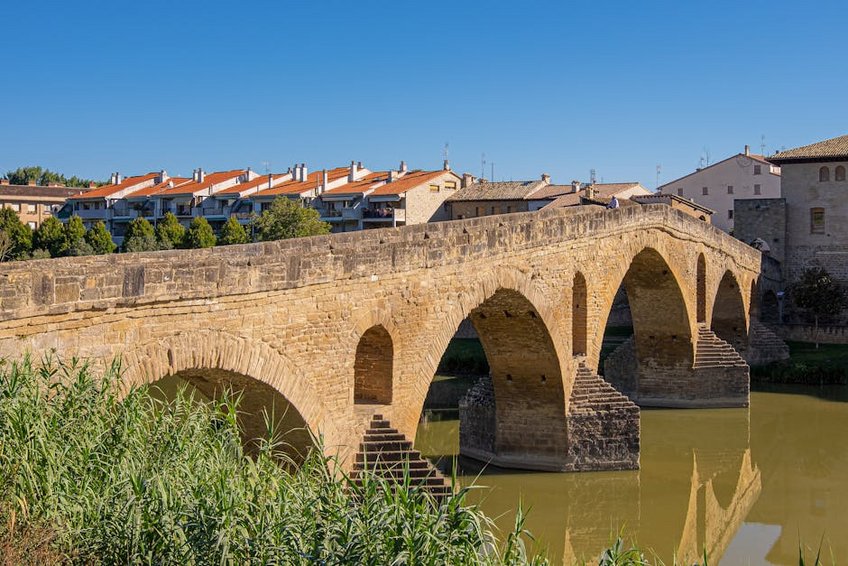
Spain Camino de Santiago Routes for Every Pilgrim
Exploring Spain’s Camino de Santiago routes offers a profound journey through history, culture, and stunning landscapes, from the Pyrenees to the Atlantic coast. This network of ancient pilgrimage trails, culminating at the Cathedral of Santiago de Compostela, provides diverse experiences for walkers and cyclists of all fitness levels. This guide details the main trails, practical logistics, and cultural insights to help you plan a meaningful adventure on these iconic Spanish paths.
Understanding the Camino de Santiago
The Camino de Santiago, or Way of St. James, is a UNESCO World Heritage network of pilgrimage routes dating back to the 9th century. Pilgrims travel to the reputed burial site of the apostle Saint James the Great in Galicia’s capital. Today, hundreds of thousands of people from all backgrounds walk these trails for spiritual, cultural, or personal challenge reasons each year.
Routes vary from the well-trodden Camino Francés to the coastal Camino del Norte, each offering distinct scenery and challenges. The tradition involves collecting stamps in a “credencial” passport at stops along the way. You finally present this document in Santiago to receive the “Compostela,” a certificate of completion.
Historical and Cultural Significance
This pilgrimage began in the Middle Ages and played a crucial role in cultural exchange across Europe. It facilitated the spread of architectural, literary, and artistic ideas. The scallop shell, ubiquitous along the trails, serves as the traditional symbol guiding pilgrims westward.
- The first recorded pilgrimage was made by Bishop Gottschalk in 950 AD, setting a precedent for centuries of travel.
- Medieval infrastructure, including hospitals, bridges, and churches, was built specifically to support the flow of pilgrims to the sacred site.
- Modern recognition revived the trails in the late 20th century, transforming them into a global phenomenon for reflective travel.
- Budget Pilgrim ($35-$50/day): Stay in donativo or municipal albergues ($5-$15), cook your own meals using supermarket groceries, limit cafe stops, and use public fountains for water. This approach maximizes the traditional, communal experience.
- Mid-Range Walker ($50-$75/day): Book private albergues or hostels ($15-$30) for more privacy, enjoy the daily “menu del día” lunch special ($12-$15), and occasionally stay in a pension or small hotel for rest days.
- Comfort-Focused Traveler ($75-$120/day): Opt for private rooms in hotels or guesthouses ($40-$70), dine at restaurants for both lunch and dinner, and utilize baggage transfer services ($5-$10 per stage) to lighten your load.
- Pilgrim’s Welcome Office in Santiago de Compostela
- Official Galician Camino de Santiago Portal
- Gronze Camino Stages and Albergue Guide
The Pilgrim’s Credential and Compostela
Your pilgrim’s credential is essential for accessing affordable accommodation in network albergues (hostels). You collect sellos (stamps) from churches, town halls, bars, and accommodations along your chosen path. This documents your journey’s progress in a tangible way.
Upon reaching Santiago, pilgrims who walk at least the last 100 kilometers (or cycle 200 km) can obtain the Compostela certificate. The Pilgrim’s Office verifies your credential to issue this Latin document. It serves as a formal record of your spiritual or cultural journey.
Main Starting Points Across Europe
While routes converge in Spain, many begin in other European countries like France and Portugal. The classic French Way starts in Saint-Jean-Pied-de-Port, France. Meanwhile, the Portuguese Way begins in Lisbon or Porto, offering a different cultural flavor.
Choosing a starting point depends entirely on your available time and desired challenge level. Longer routes obviously require more extensive planning and commitment. However, even shorter final segments provide an authentic Camino experience.
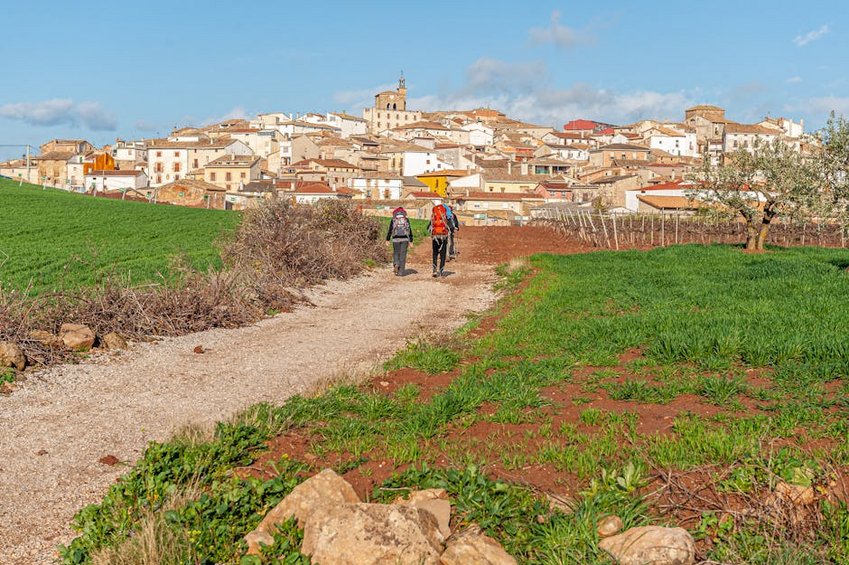
Alt: “camino-frances-pilgrim-walking-pyrenees-mountains-landscape”
Spain Camino de Santiago Routes – Planning Your Pilgrimage
Selecting your ideal Spain Camino de Santiago routes requires balancing distance, scenery, infrastructure, and personal goals. The Camino Francés is the most popular and socially vibrant, while the Camino Primitivo offers rugged solitude. Your decision should factor in daily walking comfort, typically 20-25 kilometers per day for most pilgrims.
Budget between $35-$75 USD per day for a modest pilgrimage, covering municipal albergues, menu del día meals, and occasional comforts. Booking key accommodations is wise during peak seasons (May-September), especially on the final 100 km stretch. However, flexibility remains a core part of the Camino spirit.
Physical preparation cannot be overstated; start training with loaded day hikes months in advance. Break in your footwear meticulously to prevent debilitating blisters on the trail. Mental readiness for changing weather and simple living is equally important for enjoyment.
Best Time to Walk the Camino
The ideal months are May-June and September-October, offering pleasant temperatures of 60-75°F (15-24°C) and manageable crowds. July and August see intense heat, often exceeding 86°F (30°C) on the meseta, and crowded albergues. However, these summer months provide long daylight hours and vibrant international camaraderie.
Shoulder seasons like April and late October bring cooler weather, 50-65°F (10-18°C), and a higher chance of rain, particularly in Galicia. Winter walking is possible on main routes like the Francés but requires preparation for cold, potential snow, and limited open services. Always check regional weather forecasts before departure.
Budget Planning and Costs
Your daily budget varies greatly depending on accommodation style and dining choices. Here’s a typical cost breakdown for a walking pilgrim.
Essential Preparation Checklist
Packing light is the golden rule; your backpack should not exceed 10% of your body weight. Essential gear includes moisture-wicking clothing, a quality rain jacket, broken-in hiking shoes or trail runners, and a comfortable sleeping bag liner for albergues. Test all equipment on training hikes before you leave home.
Organize necessary documents: a valid passport, pilgrim credential (obtainable from starting point churches or associations), and international health insurance. Book your first and last nights’ accommodation, but remain flexible for the middle stages. Complete a physical check-up and consider a vaccination review if traveling from outside the EU.
Detailed Guide to the Major Camino Routes
Each primary trail offers a unique character, landscape, and social atmosphere. The Camino Francés provides a classic, well-serviced journey with rich history. Conversely, the Camino del Norte follows the breathtaking but challenging Cantabrian coast. Your choice defines your daily scenery and cultural interactions.
Infrastructure varies significantly, with the Francés having bars and accommodations every few kilometers. More remote routes like the Via de la Plata require careful stage planning for food and water. Researching these logistics is key to a safe and enjoyable pilgrimage across these Spanish walking trails.
Camino Francés: The Classic French Way
Starting in Saint-Jean-Pied-de-Port, France, this 780 km route is the most popular and socially vibrant path. It crosses the Pyrenees, traverses the vast Meseta plains, and climbs into the green hills of Galicia. You will find unparalleled historical sites, from the grand cathedral in Burgos to the wine fountain at Irache.
Walk this route for its excellent infrastructure, camaraderie, and iconic landmarks like Cruz de Ferro. The final 100 km from Sarria is especially busy, as it qualifies pilgrims for the Compostela. Budget 30-35 days to complete the full journey at a moderate pace with rest days included.
Camino del Norte: The Coastal Northern Way
Beginning in Irún, this 825 km route follows Spain’s rugged northern coastline along the Bay of Biscay. It offers stunning sea views, challenging ascents and descents into fishing villages, and a focus on Basque, Cantabrian, and Asturian cultures. The seafood cuisine along this path is exceptional.
This trail is less crowded than the Francés but has more demanding topography. Infrastructure is good, though stages can be longer between services. It merges with the Francés in Arzúa for the final approach to Santiago. Allow 35-40 days to complete the entire Northern Way pilgrimage route.
Camino Portugués: The Portuguese Way
Starting in Porto, Portugal, this 240 km central route is the second most popular path. It’s relatively flat, well-marked, and passes through charming towns like Ponte de Lima and historic cities like Tui. The Coastal variant from Porto offers beautiful boardwalks beside the Atlantic Ocean.
This camino provides excellent infrastructure and shorter overall distance, ideal for pilgrims with limited time. The spiritual atmosphere is strong, particularly when passing through Valença’s fortress into Spain. You can walk the main Central Portuguese route comfortably in 10-12 days, making it highly accessible.
Practical Travel Logistics and Accommodation
Navigating Spain’s pilgrimage trails is straightforward thanks to consistent waymarking with yellow arrows and scallop shells. Transportation to starting points usually involves flights into Madrid, Barcelona, or Biarritz, followed by trains or buses. Planning your arrival and departure logistics is as important as the walk itself.
Accommodation ranges from donation-based albergues in parish churches to private hotels. The pilgrim-specific network of refugios offers basic dormitory lodging for a nominal fee, fostering community. Booking platforms like Gronze and Booking.com are essential tools for checking availability, especially in popular sections.
| Accommodation Type | Description & Amenities | Average Price per Night (USD) |
|---|---|---|
| Municipal/Albergue | Basic pilgrim hostel run by local government or parish; dormitory bunk beds, shared bathrooms, kitchen access; first-come basis. | $5 – $15 |
| Private Albergue | Privately-owned hostel; similar dorm setup but may include breakfast, WiFi, and better facilities; often bookable in advance. | $15 – $25 |
| Hostal/Pensión | Small family-run guesthouse; offers private rooms with en-suite bathrooms; provides more privacy and quiet. | $30 – $55 |
| Hotel/Rural House | Full-service hotel or charming country cottage; includes amenities like daily cleaning, restaurant, and leisure facilities. | $60 – $120+ |