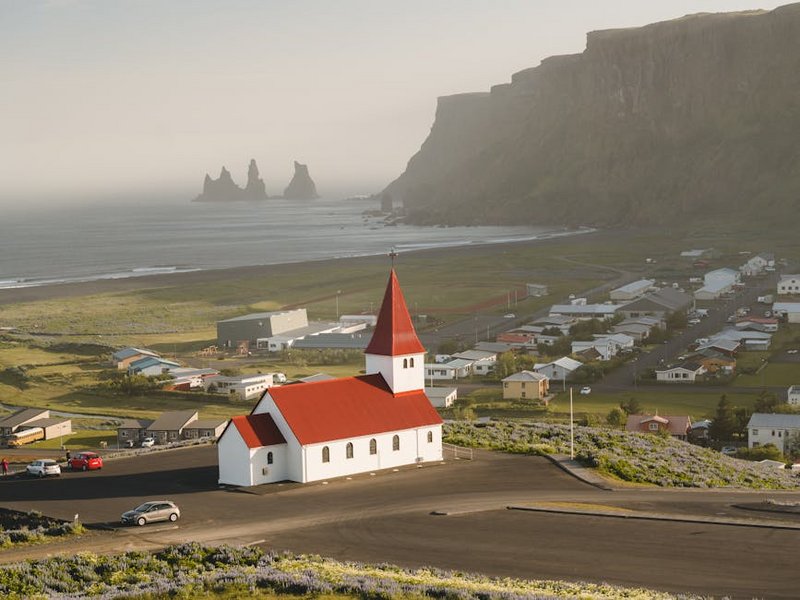
Iceland Ring Road 7 Day Itinerary
Driving the Ring Road around Iceland in seven days offers an immersive journey through some of the planet’s most dramatic landscapes. This fast-paced adventure lets you experience thundering waterfalls, massive glaciers, volcanic fields, and black sand beaches, all connected by the country’s main circular highway. A well-planned Iceland Ring Road 7 day itinerary balances driving time with ample stops for exploration, photography, and soaking in geothermal pools, providing a comprehensive snapshot of the island’s natural wonders.
Essential Information About Iceland’s Ring Road
Iceland’s Route 1, universally known as the Ring Road, is the 1,332-kilometer (828-mile) highway that circles the entire country. Completed in 1974, it connects most populated areas and serves as the primary artery for tourism and transport. The road varies from well-paved two-lane highways to single-lane bridges, especially in the more remote eastern fjords. Traveling this route is the most efficient way to witness Iceland’s diverse geography within a limited timeframe.
Driving the full circuit is a commitment, with the seven-day version being a brisk but achievable tour. This pace requires covering an average of 190 kilometers (118 miles) per day, which translates to roughly three to four hours of driving, not including stops. Successful completion depends on careful timing, packing for all weather conditions, and accepting that you’ll see highlights rather than every single attraction.
What You Need to Know Before You Go
Preparation is key for a smooth and enjoyable Ring Road trip. Here are the foundational details.
- Vehicle Choice: A standard 2WD car is sufficient for a summer trip on main roads, but a 4×4 is recommended for accessing highland roads (F-roads) or for added safety and comfort in unpredictable conditions. Always check your rental insurance for gravel protection.
- Driving & Navigation: Driving is on the right side of the road. Download the offline map app “Mapy.cz” or “Google Offline Maps” before you leave Reykjavik, as cell service can be spotty in remote areas. Be aware of single-lane bridges and always yield to oncoming traffic.
- Budgeting: Iceland is expensive. For a mid-range 7-day trip for two, budget approximately $3,000-$4,000 USD excluding flights, covering car rental, fuel, accommodations, and meals. Fuel costs alone can exceed $300 USD for the circuit.
- Budget Traveler ($1,800-$2,500 USD): Includes a small 2WD rental car, camping or hostel dorm beds, self-prepared meals from groceries, and minimal paid attractions. Focus on free natural sights and public hot springs like Seljavallalaug.
- Mid-Range Traveler ($3,000-$4,000 USD): The sweet spot. Covers a comfortable SUV or 4×4 rental, private rooms in guesthouses or hotels, a mix of grocery lunches and restaurant dinners, and entry to key paid sites like the Mývatn Nature Baths or Jökulsárlón boat tour.
- Luxury Traveler ($5,500+ USD): Features a premium 4×4 vehicle, stays in boutique hotels or high-design lodges, all meals at excellent restaurants, guided tours (like glacier hiking or ice caving), and exclusive experiences like a private super jeep tour.
- Official Tourism Information for Iceland
- Icelandic Road and Coastal Administration
Key Details on Road Conditions and Timing
Road conditions change dramatically with the seasons, directly impacting your travel plans. The summer months from June through August offer the most accessible and forgiving driving conditions, with nearly 24 hours of daylight in June easing time constraints. All roads, including highland routes, are typically open, and weather, while changeable, is generally milder.
However, attempting this seven-day Iceland Ring Road itinerary in winter (October to April) is not advisable for most travelers. Limited daylight—as few as 4-5 hours in December—makes driving dangerous and leaves almost no time for sightseeing. Sudden snowstorms, ice-covered roads, and frequent road closures are the norm. If you must travel in winter, plan a much shorter route focusing on the south coast only.
Cultural and Environmental Etiquette
Icelanders take great pride in their pristine environment, and visitors are expected to follow strict Leave No Trace principles. This means staying on marked paths at all attractions, never walking on moss-covered lava fields, and never attempting to drive off-road. The fragile ecosystem recovers very slowly from damage. Respect for nature is a core part of Icelandic culture.
Tipping is not a customary practice in Iceland, as service charges are included in prices. A simple “takk” (thank you) is sufficient. Most Icelanders speak excellent English, but learning a few basic phrases like “góðan daginn” (good day) is appreciated. When visiting public pools or geothermal spas, you are required to shower thoroughly without your swimsuit before entering, a strictly enforced rule for hygiene.
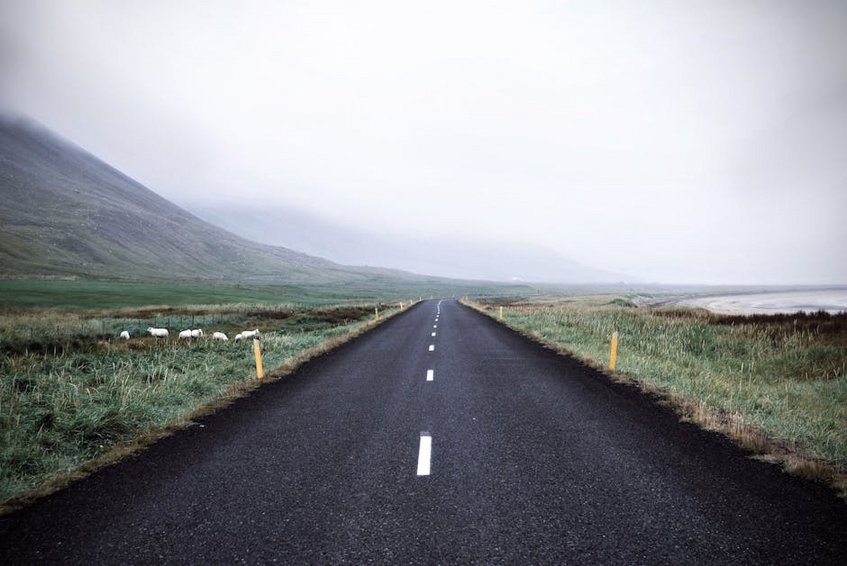
Alt: “iceland-ring-road-driving-landscape-waterfall-mountains”
Iceland Ring Road 7 Day Itinerary – Planning Your Trip
This efficient seven-day schedule prioritizes the most iconic sights while keeping daily driving manageable. It follows a counter-clockwise direction from Reykjavik, which is the most common and logical route, hitting the Golden Circle first before venturing east. Each day is built around a major region, with key stops and flexible time for spontaneous detours. Remember, this is a highlights tour designed to showcase Iceland’s variety.
Accommodations should be booked months in advance, especially for summer travel. Opt for guesthouses, hotels, or farm stays in the towns listed for each night. For dining, many guesthouses offer breakfast, and grocery stores like Bonus or Krónan are your best friends for packing lunches and snacks to save money and time. Dinner reservations at popular restaurants in smaller towns are also recommended.
Best Time to Visit for the Ring Road
The absolute best window for this seven-day Iceland Ring Road itinerary is between mid-June and late August. During this period, you benefit from the Midnight Sun, with up to 21-24 hours of daylight, granting incredible flexibility for driving and exploring. Average temperatures range from 50°F to 59°F (10°C to 15°C), and all roads and services are fully operational. Be prepared for higher prices and more crowds at major sites.
Shoulder seasons like late May or early September offer a good compromise with fewer tourists and lower prices. Daylight is still ample (15-18 hours), though temperatures are cooler, averaging 41°F to 50°F (5°C to 10°C). Some highland roads may begin to close in September. The winter months are strongly discouraged for the full circuit due to extreme weather and limited daylight, making the itinerary unsafe and impractical.
Budget Planning and Costs
Your total cost varies drastically based on travel style. Here is a breakdown for a one-week trip for two people.
Essential Preparation Checklist
Packing correctly is non-negotiable for an Icelandic adventure. You must have waterproof and windproof outer layers (jacket and pants), insulated layers like fleece or wool, sturdy waterproof hiking boots, swimwear for hot springs, a quick-dry towel, and a sleeping mask for the summer midnight sun. For your vehicle, pack a portable phone charger, a spare tire kit, and refillable water bottles.
Ensure you have a valid driver’s license (an International Driving Permit is recommended for non-EU licenses), comprehensive travel insurance that covers gravel damage and volcanic ash, and all car rental documents. Book your rental car and accommodations at least 3-4 months in advance for summer. Download offline maps and the official “SafeTravel.is” app for road conditions and alerts.
Top Attractions and Daily Stops
The Ring Road connects a staggering array of natural wonders. Your journey will take you from geothermal parks and continental rift valleys in the southwest to glacial lagoons in the southeast, through the volcanic and geothermal wonderland of the north, and finally past dramatic fjords and cliffs in the west. Each region has its own distinct character and must-see landmarks that define the Icelandic experience.
While the itinerary below is structured, always allow for flexibility. Weather can change plans instantly, and you might discover a hidden waterfall or a charming café you want to spend more time at. The goal is to experience the journey, not just tick off a list. Some of the best memories come from unplanned stops along the roadside.
Must-See Highlights on the Route
Several iconic sights are absolute pillars of any Iceland Ring Road itinerary. In the south, Seljalandsfoss and Skógafoss waterfalls offer the classic Icelandic photo opportunity—you can walk behind the curtain of water at Seljalandsfoss. Further east, the Jökulsárlón glacier lagoon and Diamond Beach are unforgettable, where icebergs calve from a glacier and wash onto a black sand shore.
The north counters with the otherworldly geothermal area of Námaskarð, with its bubbling mud pots and steaming fumaroles, and the powerful Dettifoss waterfall in Vatnajökull National Park. In the west, the Snaefellsnes Peninsula provides a microcosm of Iceland, featuring the iconic Kirkjufell mountain, dramatic coastal cliffs at Arnarstapi, and the black church of Búðir. Each site requires 1-2 hours for a proper visit.
Hidden Gems and Local Favorites
Venturing slightly off the main tourist trail reveals Iceland’s quieter magic. Instead of the crowded Blue Lagoon, consider the Secret Lagoon (Gamla Laugin) near the Golden Circle or the local swimming pools found in every town. In east Iceland, stop at the secluded Hengifoss waterfall, with its striking red clay layers, or visit the petrified wood forest at Hallormsstaðaskógur.
Near Lake Mývatn, hike to the spectacular Hverfjaldur crater or the tranquil Grjótagjá lava cave with its geothermal pool (check if bathing is permitted). On the Snaefellsnes Peninsula, explore the lesser-known Rauðfeldsgjá Gorge, a dramatic cleft in the mountain you can walk into. These spots often have fewer visitors and offer a more intimate connection with the landscape.
Geothermal Baths and Natural Pools
No trip to Iceland is complete without soaking in its geothermal waters. While the Blue Lagoon is famous, it’s expensive and requires advance booking. Excellent alternatives include the Mývatn Nature Baths in the north, with milky blue waters and panoramic views, and the Secret Lagoon, Iceland’s oldest swimming pool. For a local experience, visit the Sundlaug swimming pools in towns like Akureyri or Höfn, which always have a heated outdoor lap pool and hot pots.
Always remember the shower etiquette: wash thoroughly with soap (without your swimsuit) before entering. Bring your own towel and lock for the locker to save on rental fees. Visiting these baths is the perfect way to relax after a long day of driving and hiking, and they are a cultural staple for Icelanders year-round.
Practical Travel Information and Logistics
Navigating Iceland’s infrastructure is straightforward with proper planning. Reykjavik’s Keflavik International Airport (KEF) is the main international gateway, located about 45 minutes from the capital. The Ring Road itself is generally well-maintained, but fuel stations can be sparse in the eastern fjords and parts of the highlands—never let your tank drop below half. Accommodation ranges from luxury hotels to rustic farm stays and well-equipped campgrounds.
Payment is easy, as credit and debit cards (especially with PIN chips) are accepted everywhere, even for small purchases at remote parking meters. It’s still wise to carry a small amount of Icelandic króna (ISK) for the rare instance a card machine is down. Wi-Fi is widely available at accommodations and cafés, but purchasing a local SIM card for data is highly recommended for navigation and research on the go.
| Accommodation Type | Key Features & Locations | Average Price/Night (USD) |
|---|---|---|
| Guesthouses & Farm Stays | Private rooms, often with shared bathroom; includes breakfast; found in most towns. | $150 – $250 |
| Hotels | Private rooms with ensuite bathrooms; located in Reykjavik, Akureyri, Höfn. | $250 – $400+ |
| Camping | Designated campsites with facilities (showers, kitchens); requires own gear; open summer only. | $15 – $25 per person |
| Hostels | Dorm beds or private rooms; budget option; located in major stops. | $40 – $80 per person |