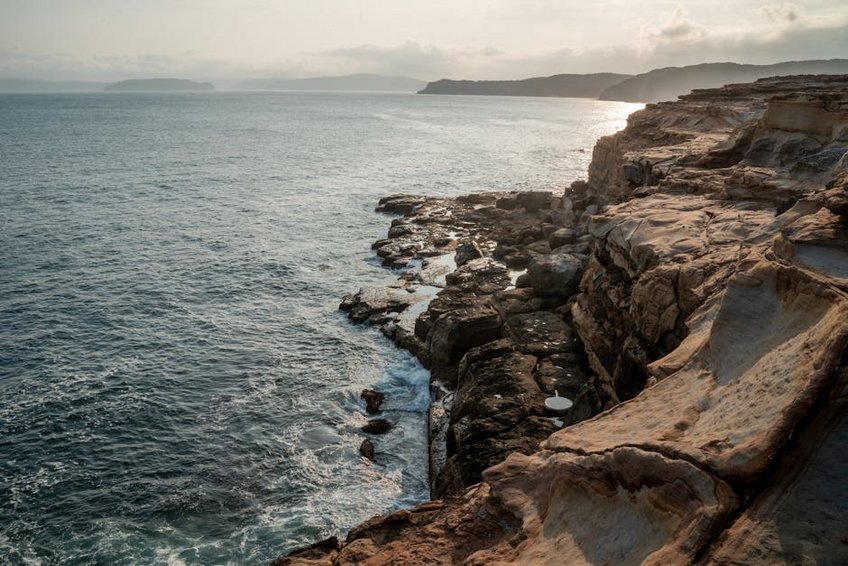
Australia East Coast Itinerary: Discover Beaches, Reefs, and Rainforests
Planning an Australia East Coast itinerary is the classic way to experience the country’s most iconic landscapes. This legendary route stretches over 2,500 kilometers, connecting vibrant cities with ancient rainforests and the planet’s largest coral reef system. Your journey offers a perfect blend of urban energy, outdoor adventure, and coastal relaxation, all within a well-traveled and accessible corridor.
Essential East Coast Travel Information
The Australian East Coast runs from Melbourne in Victoria to Cairns in Tropical North Queensland. This guide focuses on the core route from Sydney to Cairns, which most travelers cover in two to four weeks. The climate shifts dramatically from temperate in the south to tropical in the north, directly influencing your packing list and activity planning.
You will need a valid passport and, for most international visitors, an Electronic Travel Authority (ETA) or visitor visa. The official currency is the Australian Dollar (AUD), and credit cards are widely accepted everywhere. English is the primary language, and the travel infrastructure along this route is excellent, with frequent buses, trains, and domestic flights.
Must-Know Tips Before You Go
Preparation ensures a smooth and enjoyable trip along this popular coastline.
- Australia’s sun is intense; pack and daily use SPF 50+ sunscreen, a wide-brimmed hat, and UV-protective sunglasses to prevent serious sunburn.
- Driving is on the left-hand side of the road, and if you plan a campervan road trip, you must book vehicle rentals several months in advance for peak season.
- Always swim between the red and yellow flags on beaches, as these areas are patrolled by lifeguards and indicate the safest zones free from rips and other hazards.
- Budget Traveler ($70-100 USD/day): Staying in hostel dorms, using coach passes, cooking meals, and limiting paid tours. Focus on free hikes, beaches, and city walking tours.
- Mid-Range Traveler ($150-250 USD/day): Private hostel or budget hotel rooms, mix of coach and short domestic flights, eating at casual cafes, and booking 2-3 major tours like a Whitsundays sailing trip.
- Luxury Traveler ($350+ USD/day): Boutique hotels or resort stays, domestic flights between all hubs, fine dining, and private or small-group tours for the Great Barrier Reef and Daintree Rainforest.
- Tourism Australia Official Site
- Queensland Tourism Information
Navigating Time and Distance
The distances on an East Coast Australia trip are vast. Driving from Sydney to Cairns non-stop takes roughly 30 hours. Therefore, your itinerary must balance travel time with exploration. Many travelers use a combination of flights for long hops and coaches or cars for scenic sections.
Domestic airlines like Qantas, Virgin Australia, and Jetstar offer frequent and relatively affordable flights between major hubs like Sydney, Brisbane, and Cairns. For ground transport, the Greyhound Australia coach pass offers flexible hop-on, hop-off travel between all major stops, which is ideal for solo travelers or those not driving.
Understanding the Regions
The coastline is divided into distinct regions, each with a unique character. New South Wales offers world-class city life and picturesque coastal national parks. Queensland delivers the quintessential beach and reef experience, with the Whitsundays and Great Barrier Reef as crown jewels.
The transition from south to north brings warmer weather and a more relaxed, tropical pace. The further north you travel, the more you’ll need to be mindful of marine stingers (jellyfish) during the summer months, often requiring stinger suits for swimming.
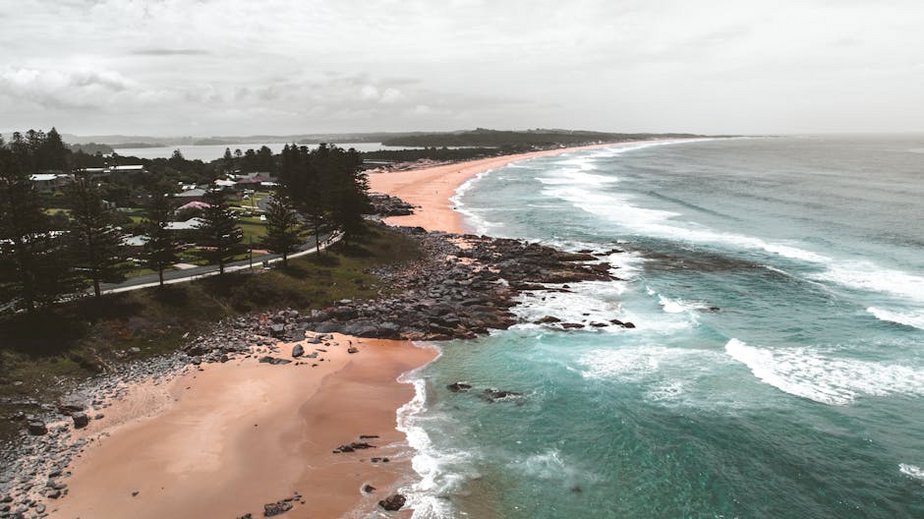
Alt: “sydney-harbour-bridge-opera-house-coastal-cityscape”
Australia East Coast Itinerary – Planning Your Trip
Crafting the perfect Australia East Coast itinerary depends on your available time, budget, and interests. A 14-day trip provides a highlights reel, while three to four weeks allows for a more immersive and relaxed journey with detours to islands and national parks. The most popular direction is northbound, starting in Sydney and ending in Cairns.
Your budget is the biggest variable. Australia is not a cheap destination, but costs can be managed. Accommodation, tours, and dining are your primary expenses. Traveling during the shoulder seasons (April-May or September-October) often provides better prices and fewer crowds than the peak summer period.
Remember to factor in internal transportation costs. A flight from Sydney to Cairns can cost between $150 and $300 AUD, while a comprehensive coach pass or three weeks of campervan rental will represent a significant portion of your budget. Booking key experiences like Great Barrier Reef tours well in advance is crucial.
Best Time to Visit Australia’s East Coast
The ideal time for an East Coast Australia adventure is during the spring (September to November) or autumn (March to May). These shoulder seasons offer pleasant temperatures ranging from 68°F to 82°F (20°C to 28°C) in most areas, lower humidity in the north, and fewer tourists. The water remains warm enough for swimming and snorkeling.
Summer (December to February) is peak season, bringing hot weather, school holidays, and higher prices. In tropical Queensland, this is also the wet season, with higher humidity and a chance of cyclones. Winter (June to August) in the south is cooler, perfect for Sydney sightseeing, while the north enjoys dry, sunny days with perfect reef conditions.
Budget Planning and Costs
Daily costs vary widely based on your travel style. Here is a breakdown for a moderate pace.
Essential Preparation Checklist
Start by securing your visa/ETA and booking international flights. Next, reserve your first few nights of accommodation and any must-do tours that require advance planning. For a road trip, arrange your vehicle rental as early as six months ahead for peak travel times.
Pack for variable conditions: swimwear, hiking shoes, a light jacket for cooler evenings, and a rain shell. Ensure you have comprehensive travel insurance that covers adventure activities like scuba diving. Download essential apps like Google Maps (for offline areas), the local weather service, and your coach or airline apps for mobile tickets.
Top Destinations and Unmissable Stops
The route from Sydney to Cairns is dotted with legendary stops. Sydney serves as the vibrant gateway with its harbour and beaches. Byron Bay offers a bohemian surf culture, while the Gold Coast provides high-energy theme parks and surfing waves.
Brisbane is a relaxed river city, a gateway to the scenic islands of Moreton and North Stradbroke. Further north, the Sunshine Coast and Fraser Island present vast sand dunes and freshwater lakes. The Whitsunday Islands are the picture-perfect heart of the coast, leading up to the adventure hub of Cairns.
Must-See Highlights
Begin with two to three days in Sydney to see the Opera House, Harbour Bridge, and Bondi Beach. Allocate a full day for a trip to the Blue Mountains for epic valley views. In Queensland, a Fraser Island tour to see the colored sands of The Pinnacles and swim in Lake McKenzie is a unique 4WD adventure.
No East Coast Australia trip is complete without a Whitsundays sailing experience. Most overnight trips include Whitehaven Beach, known for its brilliant white silica sand. Your final major stop should be a Great Barrier Reef tour from Cairns or Port Douglas, where you can snorkel or dive among vibrant coral gardens.
Hidden Gems and Local Favorites
Venture beyond the main trail to the Coffs Harbour region to visit the Solitary Islands Marine Park or walk through the rainforest canopy at the Dorrigo National Park. Near Airlie Beach, the Conway National Park offers stunning lookouts over the Whitsunday passage without the tour boat crowds.
Between Brisbane and the Sunshine Coast, consider a detour to the Glass House Mountains for remarkable hiking. North of Cairns, the Atherton Tablelands provide a cool retreat with waterfalls, volcanic lakes, and local farm tastings, offering a refreshing contrast to the coastal heat.
National Parks and Natural Wonders
The East Coast is flanked by incredible national parks. Just south of Sydney, the Royal National Park features coastal cliffs and the famous Figure Eight Pools. In Queensland, Noosa National Park on the Sunshine Coast has koala-spotting trails along beautiful headlands.
The apex of natural exploration is the Daintree Rainforest, north of Cairns. This UNESCO site is the world’s oldest tropical rainforest. Here, you can take a river cruise to spot crocodiles, walk on Cape Tribulation where the rainforest meets the reef, and learn about the culture of the local Kuku Yalanji people.
Practical Travel Information and Logistics
Moving between destinations is straightforward. The main hubs are well-connected by air, with airports in Sydney, Brisbane, and Cairns handling international and domestic flights. For the journey between towns, Greyhound Australia coaches run frequent services along the entire coastal highway.
Many travelers choose a hybrid approach: flying the long distances (e.g., Sydney to Airlie Beach) and using coaches or renting a car for shorter, more scenic stretches. This maximizes time at destinations while managing budget and travel fatigue effectively.
| Accommodation Type | Best For / Features | Avg. Price Range (USD/Night) |
|---|---|---|
| Hostel (Dorm) | Solo travelers, tight budgets, social atmosphere | $25 – $40 |
| Hostel (Private Room) | Couples/friends wanting privacy on a budget | $70 – $100 |
| Motel/Budget Hotel | Road trippers, simple and convenient parking | $90 – $140 |
| Boutique Hotel/Apartment | Mid-range comfort, kitchenettes, central locations | $150 – $250 |
| Resort/Luxury Hotel | Whitsundays & Cairns, pools, reef tours | $300+ |