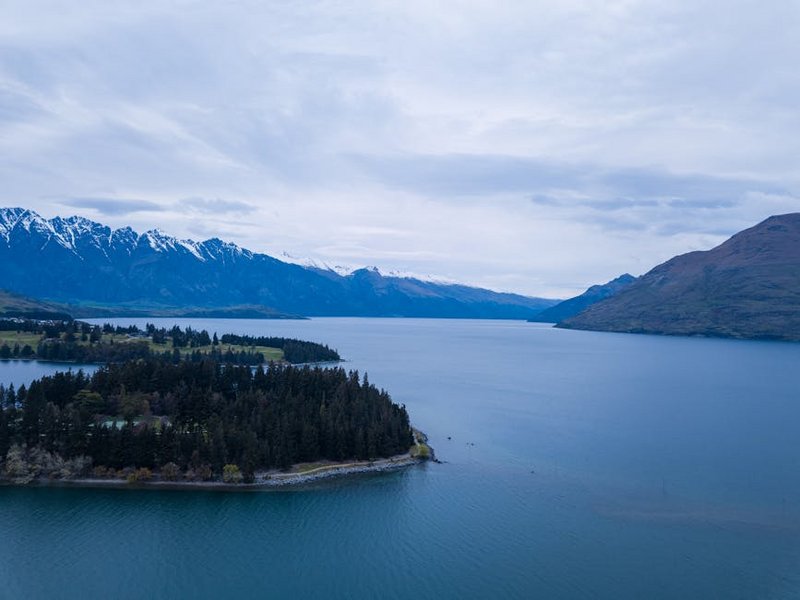
New Zealand South Island Road Trip: Your Ultimate Driving Adventure
Embarking on a New Zealand South Island road trip offers unparalleled access to some of the planet’s most dramatic and diverse landscapes. You will navigate coastal highways, alpine passes, and glacial valleys, discovering a new breathtaking vista around every corner. This guide provides essential planning tips, route recommendations, and cultural insights to craft your perfect self-drive adventure.
Essential South Island Travel Information
The South Island, or Te Waipounamu, spans over 150,000 square kilometers with a population under 1.2 million. Its geography creates distinct climate zones, from the subtropical north to the subantarctic south. Travelers must respect the powerful and changeable weather, which can shift from sunshine to heavy rain within an hour.
Driving is on the left-hand side, and international visitors need a valid driver’s license or an International Driving Permit. The road network includes well-maintained state highways and narrower, winding scenic routes. Distances between major service centers can be significant, so planning fuel stops is crucial for a smooth journey.
Understanding the Regions and Climate
Your itinerary will cross several distinct regions, each with unique character. The northern areas like Marlborough and Nelson enjoy the most sunshine, while the West Coast receives substantial rainfall fueling its lush rainforests and glaciers. The interior alpine regions, including Aoraki/Mount Cook, experience colder temperatures and winter snow.
- Marlborough/Nelson: Warm, dry summers (Jan-Feb: 68-75°F/20-24°C) ideal for kayaking and wine tours. Mild winters rarely see frost.
- West Coast: High rainfall year-round (up to 200 inches annually). Summers are cool (60-68°F/15-20°C), and winters are damp with snow in the highlands.
- Central Otago: Continental climate with hot, dry summers (up to 86°F/30°C) and cold, crisp winters (often below 32°F/0°C), perfect for skiing and autumn foliage.
- Budget Traveler ($120-$180 NZD/$75-$110 USD per person/day): Focus on hostel dorms or DOC campsites, self-catering meals from supermarkets, and free hikes. Use a smaller rental car and limit paid activities to 1-2 major splurges.
- Mid-Range Traveler ($250-$400 NZD/$155-$250 USD per person/day): Stay in motels, holiday parks, or Airbnb apartments. Enjoy a mix of self-catering and café lunches/dinners. Rent a standard sedan or small SUV and book 3-4 guided tours like Milford Sound cruises or glacier heli-hikes.
- Luxury Traveler ($600+ NZD/$375+ USD per person/day): Stay in premium lodges and boutique hotels with lake or mountain views. Dine at acclaimed restaurants. Rent a premium 4WD or campervan. Book exclusive experiences like private guided hikes, scenic flights, and wine tours with tastings.
- Official Tourism New Zealand Website
- Department of Conservation (DOC)
- Jasons Travel Media for Maps & Guides
Key Travel Documents and Legalities
US and EU passport holders do not need a visa for stays under 90 days but must obtain an NZeTA (New Zealand Electronic Travel Authority) before departure. You must declare any hiking gear, sports equipment, or food items at biosecurity to protect the unique ecosystem. Rental car companies typically require drivers to be at least 21 years old, with surcharges often applying to those under 25.
Comprehensive travel insurance is non-negotiable, covering medical evacuation, adventure activities, and rental vehicle excess. Credit cards are widely accepted, but carrying some New Zealand dollars (NZD) in cash is wise for rural markets and small cafes. Remember, mobile coverage can be sparse in mountainous and remote areas.
Respecting Māori Culture and Land
The South Island holds deep significance as the traditional home of Ngāi Tahu, the principal Māori iwi (tribe). Many place names are Māori, and understanding their meanings enriches the travel experience. When visiting marae (Māori meeting grounds) or significant cultural sites, always follow posted guidelines, which may include removing shoes or not taking photographs.
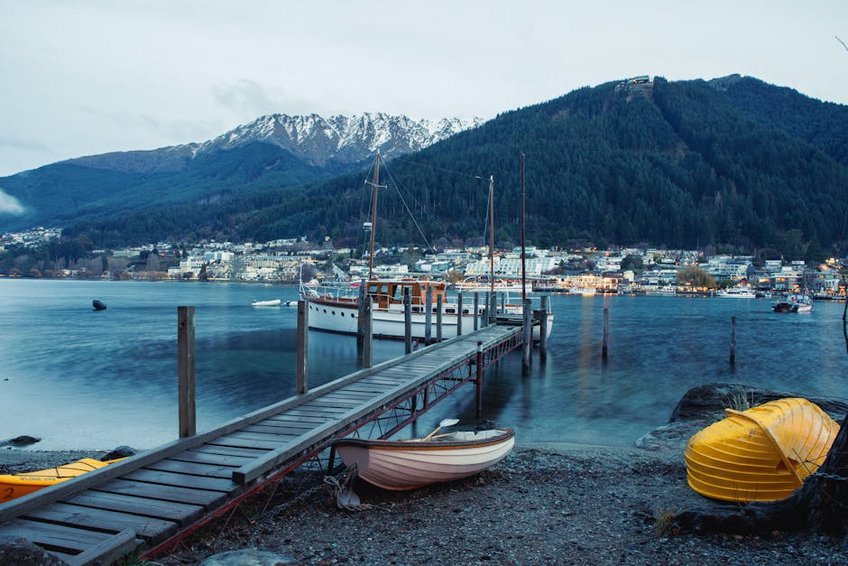
Alt: “new-zealand-south-island-road-trip-alpine-highway-scenery”
New Zealand South Island Road Trip – Planning Your Drive
Crafting the perfect self-drive itinerary requires balancing ambition with realism. A solid plan accounts for driving times, seasonal attractions, and booking windows for popular activities. Distances may look short on a map, but mountainous terrain and frequent photo stops mean journey times often exceed GPS estimates.
For a comprehensive loop covering major highlights, a minimum of 14 days is recommended. This allows for a relaxed pace with two-night stays in key hubs. If your time is limited to 7-10 days, focus on a specific region, such as Queenstown and Fiordland or Christchurch and the Alps, to avoid spending entire days just driving.
Booking your rental vehicle, especially campervans, should be done 6-9 months in advance for peak summer travel. Compare insurance packages carefully, as standard coverage often has a high excess (collision damage waiver). Consider a smaller, fuel-efficient car for easier parking and lower fuel costs on longer journeys.
Best Time to Visit the South Island
The peak summer season from December to February offers long daylight hours (up to 16 hours), warm temperatures (60-75°F/15-24°C), and access to all hiking trails. This is the most popular and expensive time, requiring bookings for accommodations and activities at least six months in advance. Be prepared for more crowds at major attractions.
For fewer crowds and vibrant autumn colors, visit from March to May. Daytime temperatures remain pleasant (50-68°F/10-20°C), and hiking conditions are excellent. The shoulder seasons of spring (September-November) feature blooming lupins and active wildlife but bring more unpredictable weather. Winter (June-August) transforms the island into a ski paradise, with road chains required for alpine passes.
Budget Planning and Costs
Daily costs vary dramatically based on travel style, season, and group size. Below is a breakdown for a two-week trip for two people.
Essential Preparation Checklist
Packing requires a layered approach for all seasons. Essential clothing includes a waterproof and windproof jacket, thermal base layers, a warm fleece or down jacket, sturdy hiking boots, and quick-dry pants. You will need a universal power adapter (Type I), a portable power bank, and offline maps downloaded to your phone.
Required documents include your passport, NZeTA confirmation, printed insurance documents, and an International Driving Permit if your license isn’t in English. Book your first night’s accommodation and rental car pickup before arrival. Check road conditions daily on the NZ Transport Agency website, especially for alpine passes like the Crown Range or Lewis Pass.
Top Attractions and Iconic Drives
The South Island’s beauty lies in its journey as much as its destinations. The sheer variety of landscapes encountered on a single day’s drive is staggering. From the otherworldly glacial lakes to the raw coastal power of the Catlins, each region presents a new chapter in your adventure.
Allocate time for spontaneous stops at scenic lookouts, short walks to waterfalls, and charming small-town bakeries. The official “Great Journeys of New Zealand” scenic drives, like the Southern Scenic Route and the Alpine Pacific Triangle, are expertly signposted and highlight the best vistas. Do not rush; the magic is in the moments between the major pinpoints on your map.
Must-See Highlights and Natural Wonders
Aoraki/Mount Cook National Park is home to New Zealand’s highest peak. Take the Hooker Valley Track, a relatively easy 3-hour return walk leading to a glacial lake with icebergs and direct views of the mountain. The Dark Sky Project here offers incredible stargazing.
Milford Sound (Piopiotahi) in Fiordland National Park is a non-negotiable stop. Book an overnight cruise or a daytime boat tour to see waterfalls, seals, and penguins. The drive there on State Highway 94 is an attraction itself, featuring the mirror-like Mirror Lakes and the Homer Tunnel. Book all Fiordland activities months in advance.
Queenstown and Wanaka offer adventure and serenity. Queenstown provides bungee jumping, jet boating, and a vibrant dining scene. Neighboring Wanaka, with its famous lone willow tree, is a gateway to Roy’s Peak track and a quieter base for exploring.
Hidden Gems and Local Favorites
Venture beyond the main tourist trail to discover equally stunning but less crowded spots. The Abel Tasman Coast Track can be explored by water taxi and short walks, offering golden beaches accessible only by boat or foot. In the Catlins region, seek out the Nugget Point Lighthouse at sunrise for phenomenal views and wildlife spotting, including fur seals and yellow-eyed penguins.
On the East Coast, the Moeraki Boulders are fascinating spherical stones on Koekohe Beach. Time your visit for low tide. For a true local experience, visit a high-country station in the Mackenzie Country for a farm tour, offering insight into New Zealand’s pastoral heartland far from the crowds.
Iconic Scenic Drives to Prioritize
The Arthur’s Pass journey across the Southern Alps connects Christchurch to the West Coast, featuring steep viaducts, hiking trails, and kea (alpine parrots). The Haast Pass highway from Wanaka to the coast winds past thunderous waterfalls like the Fantail and Thunder Creek Falls. Always check pass conditions before departure, as they can close due to snow or rockfall.
Practical Travel Information and Logistics
Navigating the South Island is straightforward with preparation. Major rental companies have desks at international airports in Christchurch (CHC) and Queenstown (ZQN). Consider a relocation deal for a one-way trip, often offering significant discounts if you move a vehicle between specific cities on required dates. Fuel is most expensive in remote areas like Milford Sound.
Accommodation ranges from Department of Conservation (DOC) campsites to luxury lodges. Holiday Parks are excellent mid-range options, offering powered sites for campervans, basic cabins, and communal kitchens. In peak season, book all lodging at least 4-6 months ahead, especially for popular spots like Tekapo, Wanaka, and Franz Josef.
| Accommodation Type | Best For & Features | Avg. Nightly Price (USD) |
|---|---|---|
| DOC Campsite | Budget travelers, basic facilities (toilets, water), stunning natural locations. No power. | $10-$25 per person |
| Holiday Park Cabin | Families & groups, kitchen access, shared bathrooms, often with playgrounds. | $80-$140 |
| Motel/Airbnb | Mid-range comfort, private bathroom, kitchenette, convenient parking. | $120-$220 |
| Boutique Hotel/Lodge | Luxury, scenic views, fine dining, guided experiences, hot tubs. | $350-$800+ |