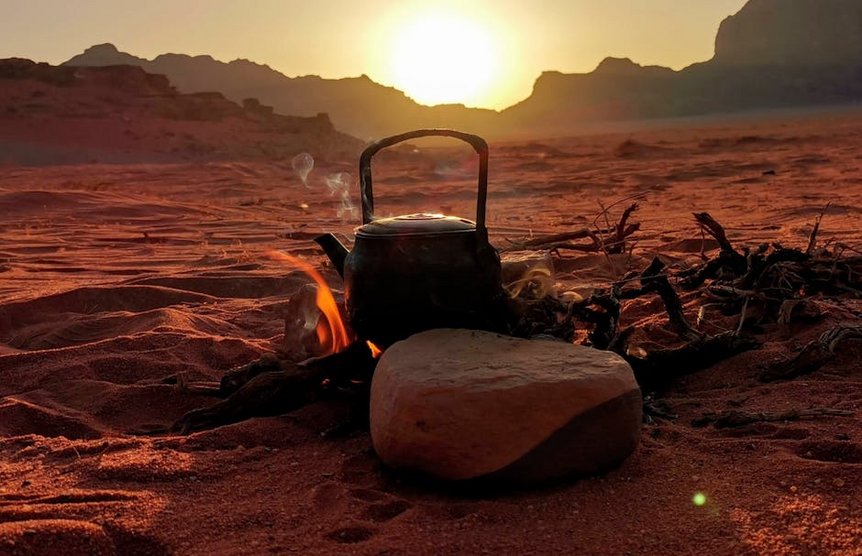
Wadi Rum Camping Experience Under the Desert Stars
Camping in Jordan’s Wadi Rum desert connects you directly to a landscape of immense, silent beauty, shaped by wind and time. Your Wadi Rum camping experience offers more than just a night in a tent; it’s a journey into a protected UNESCO World Heritage site, where vast red sands meet towering granite cliffs under a pristine night sky. This guide covers planning your adventure, from selecting a Bedouin camp to preparing for the desert climate, ensuring your visit is both comfortable and deeply memorable.
Essential Wadi Rum Desert Information
Wadi Rum, also known as The Valley of the Moon, is a vast desert wilderness in southern Jordan. The protected area spans over 720 square kilometers (278 square miles) of dramatic sandstone and granite rock formations, natural arches, and ancient petroglyphs. Its history is intertwined with the Bedouin people, who have inhabited this harsh environment for centuries, and with T.E. Lawrence, who used the area as a base during the Arab Revolt.
The landscape is the main attraction, featuring iconic sites like the Seven Pillars of Wisdom mountain and the Burdah Rock Bridge. The desert’s colors shift magically from deep reds and oranges at sunrise and sunset to cool blues and purples under the midday sun. Visiting this protected area requires respecting its fragile ecosystem and the traditional culture of the local Zalabia Bedouin tribe, who manage most tourism operations.
Understanding the Protected Landscape
Navigating Wadi Rum’s scale and regulations is key for a responsible visit.
- The entire zone is a protected nature reserve managed by the Aqaba Special Economic Zone Authority, requiring all visitors to enter with a licensed guide from the Visitors Centre.
- Traditional 4×4 jeep tours, camel treks, and hiking are the primary means of exploration, as independent driving is strictly prohibited to protect the delicate desert surface.
- Overnight stays are only permitted at licensed campsites, which range from basic setups to luxury “bubble” tents, all operated by local Bedouin families.
- Budget Experience ($60-100 per person): Includes basic shared tent accommodation, a standard 4-5 hour jeep tour, and buffet dinner/breakfast. Bathrooms are typically shared. Perfect for backpackers and those seeking an authentic, no-frills Bedouin stay.
- Mid-Range Comfort ($100-180 per person): Features a private tent or chalet with an ensuite bathroom, a more extensive 6-7 hour private jeep tour, and a quality sit-down meal like Zarb (underground barbecue). Often includes sunset viewpoints and better stargazing setups.
- Luxury & Glamping ($200-400+ per person): Offers premium “Martian” or bubble tents with panoramic views, climate control, and gourmet dining. Includes private guided tours, camel rides, and special activities like sandboarding or guided meditation sessions at sunrise.
- Jordan Tourism Board
- Wadi Rum Protected Area Official Portal
- UNESCO World Heritage Convention – Wadi Rum
Climate and Weather Preparedness
The desert climate presents extreme variations that dictate the best time to visit. Daytime temperatures from May to September can soar between 95-104°F (35-40°C), making midday exploration challenging, while nights remain pleasant. The winter months, from November to February, bring cooler days around 59-68°F (15-20°C) but nighttime temperatures can plunge to near freezing, 32-41°F (0-5°C).
Rain is rare but can cause sudden, dangerous flash floods in narrow canyons. The most predictable and comfortable seasons are the shoulder periods of spring (March-April) and autumn (October), which offer warm days and cool, comfortable nights. Always check forecasts and heed local guide advice, as conditions change rapidly.
Cultural Respect and Local Interaction
Your hosts are members of the Zalabia Bedouin tribe, whose deep ancestral knowledge of the desert is invaluable. Engaging respectfully with this culture enriches your desert stay immensely. Accepting offers of sweet Bedouin tea, a symbol of hospitality, is a cherished custom.
Dress modestly out of respect for local norms, particularly when around camp common areas. Learning a few basic Arabic phrases like “Shukran” (Thank you) is appreciated. Remember that you are a guest in both a family-run operation and a fragile natural environment; following your guide’s instructions ensures safety and preservation.
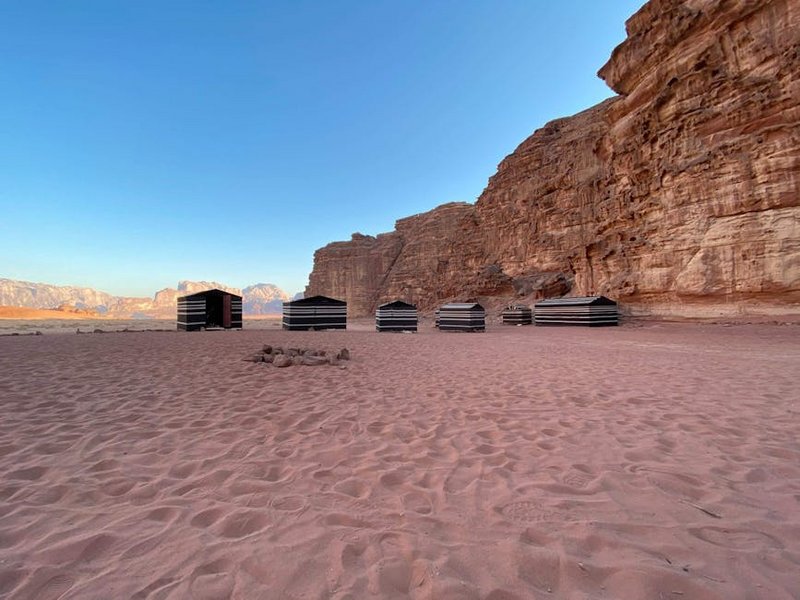
Alt: “wadi-rum-desert-sunset-bedouin-camp-tents”
Wadi Rum Camping Experience – Planning Your Trip
Organizing your overnight desert adventure requires careful consideration of season, camp style, and tour package. Most visitors book a combined package that includes a 4×4 jeep tour, meals, and the overnight camp stay, which is the most seamless approach. Direct booking with a camp via their website or social media often provides better rates and more personalized communication than using large third-party platforms.
Your choice of camp defines your experience, from traditional goat-hair tents to modern domes with transparent ceilings for stargazing. Consider what amenities are essential for you, such as private bathrooms, electricity availability, or the type of dinner offered. Booking at least one to two months in advance is crucial for the spring and fall high seasons to secure your preferred camp and tour dates.
Best Time to Visit for Desert Camping
The optimal months for a Wadi Rum camping experience are March through May and late September through November. During these periods, daytime temperatures range from a pleasant 70-85°F (21-29°C), and nights are cool but not cold, averaging 50-60°F (10-15°C). This allows for full days of exploration and comfortable evenings around the campfire.
Summer camping (June-August) is possible but intense, requiring a camp with reliable fans or air conditioning and planning all activities for early morning or late afternoon. Winter (December-February) offers crystal-clear skies but demands a camp with proper heating and very warm bedding. For the best chance of clear skies for stargazing, target the new moon phase.
Budget Planning and Costs
Your total cost depends heavily on camp luxury, tour length, and group size.
Essential Preparation Checklist
Packing correctly is vital for comfort and safety in the desert environment. Essentials include a headlamp or flashlight, plenty of water (camps provide it, but a reusable bottle is key), high-SPF sunscreen, lip balm, a wide-brimmed hat, and sunglasses. For cooler months, pack thermal layers, a warm jacket, gloves, and a beanie, as desert nights get remarkably cold.
Ensure you have valid travel insurance covering desert activities, and carry Jordan Pass if visiting (it includes your visa and entry to Petra). Book your camp and tour well in advance, and confirm all details, including pickup location and time from your Wadi Rum village meeting point. Break in sturdy, closed-toe shoes for scrambling on rocks.
Top Activities and Desert Explorations
Beyond the camp itself, the desert offers a wealth of adventures that showcase its grandeur. The classic 4×4 jeep tour is the cornerstone, taking you to monumental landmarks, narrow canyons, and ancient inscriptions. For a slower pace, a camel trek at sunrise or sunset provides a profoundly traditional mode of transport across the sands, led by Bedouin guides.
Active travelers can embark on guided hikes to iconic features like the Burdah or Um Fruth rock bridges, requiring some scrambling but no technical climbing skills. The silence and scale of the landscape are themselves an activity—simply sitting atop a sand dune to watch the colors change is a unforgettable part of the journey.
Must-See Highlights on a Jeep Tour
A standard tour will visit several key sites. Lawrence’s Spring, a small oasis mentioned in “Seven Pillars of Wisdom,” and the Khazali Canyon, famed for its Nabatean and Thamudic rock carvings, are common first stops. The Red Sand Dunes offer a chance to run or slide down steep, soft slopes of brilliantly colored sand, providing fantastic photo opportunities.
No tour misses the natural rock bridge at Little Bridge or the stunning viewpoint at Um Sabatah, which offers a 360-degree panorama of the desert’s heart. The Mushroom Rock and the Seven Pillars of Wisdom formation, named after Lawrence’s book, are other geological wonders. Most tours culminate at a prime sunset viewing location, where the entire landscape glows fiery red.
Hidden Gems and Local Favorites
Venture beyond the standard circuit for quieter moments. Ask your guide about visiting the House of Lawrence, a less-frequented ruin with a spectacular backdrop, or the Anfashieh Inscriptions, which feature well-preserved camel carvings. For the fit and adventurous, a hike through the quieter Barrah Canyon reveals stunning narrow passages and sublime silence.
For a unique perspective, some operators offer overnight hiking expeditions where you sleep in remote, prepared caves under blankets of stars, far from any camp lights. Alternatively, a pre-dawn start for a sunrise hike up a designated dune or jebel (mountain) rewards you with a private sunrise spectacle over the silent desert.
Stargazing in a Dark Sky Reserve
Wadi Rum’s designation as a Dark Sky Reserve makes it one of the world’s best stargazing locations. With minimal light pollution, the Milky Way is vividly clear from horizon to horizon for much of the year. Many camps now offer basic telescopes or will simply lay out mats and blankets for guests to gaze upward.
The best viewing is on moonless nights, so check a lunar calendar when planning your trip. Winter months offer the clearest atmospheric conditions and views of different constellations. Simply lying back and watching for shooting stars becomes a central, magical part of the overnight desert experience.
Practical Travel Information for Wadi Rum
Reaching and navigating Wadi Rum is straightforward with proper planning. The desert is approximately a 4-hour drive south from Amman and a 1-hour drive from both Petra and the coastal city of Aqaba. Most visitors arrive by private transfer, rental car, or JETT tourist bus, which has a regular route from Amman to Aqaba with a stop at the Wadi Rum Rest House.
Upon arrival, all visitors must stop at the Wadi Rum Visitors Centre to purchase the entrance ticket to the protected area (often included in Jordan Pass) and meet their pre-booked guide. From there, you will transfer to a 4×4 vehicle for the journey into the desert to your camp. Overnight luggage should be packed in a small, soft bag for ease of transport.
| Accommodation Type | Key Features & Amenities | Price Range Per Night (USD) |
|---|---|---|
| Traditional Bedouin Camp | Shared goat-hair tents, communal bathroom blocks, buffet meals, central campfire | $25 – $50 per person |
| Mid-Range Permanent Camp | Private tents with beds & electricity, private or shared ensuite bathrooms, set-menu dinner | $60 – $120 per person |
| Luxury Bubble Tent | Climate-controlled transparent dome, luxury king bed, private ensuite bathroom, gourmet dining | $200 – $400 per person |
| Adventure Cave Camp | Basic sleeping setup in a natural rock cavern, remote location, includes guide and meals | $80 – $150 per person |