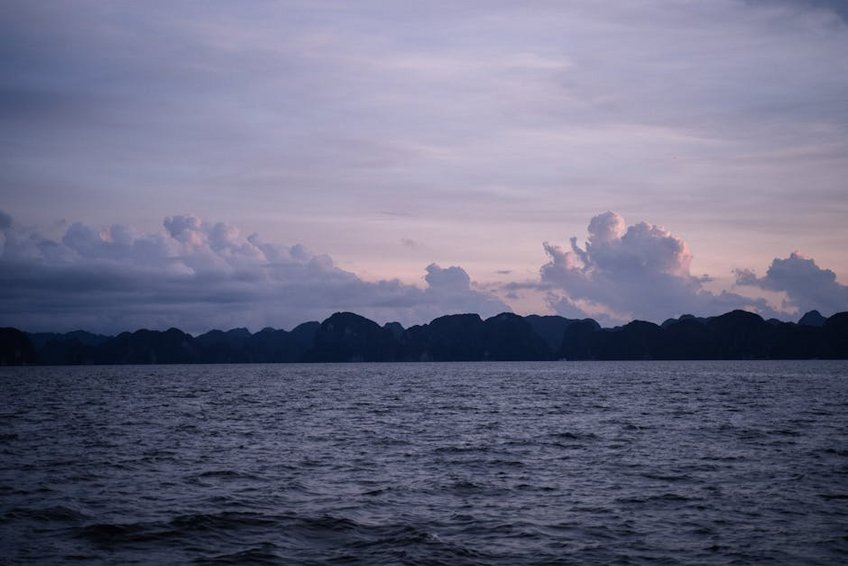
Vietnam Ha Long Bay Overnight Cruise: Sailing Through Limestone Giants
Spending a night aboard a traditional wooden junk in Ha Long Bay immerses you in one of Vietnam’s most iconic landscapes. The experience transforms from a daytime visit into a full sensory journey, where you wake to mist-shrouded karsts and dine under a canopy of stars. This guide details everything from selecting the right vessel and itinerary to navigating booking seasons and maximizing your time on the water for a seamless adventure.
Essential Ha Long Bay Information
Ha Long Bay, a UNESCO World Heritage Site in northeastern Vietnam, features over 1,600 limestone islands and islets rising dramatically from emerald waters. The name translates to “Descending Dragon Bay,” rooted in a local legend about dragons sent to protect Vietnam. Its geological history spans over 500 million years, creating the unique karst topography seen today.
The bay covers approximately 1,553 square kilometers (600 square miles) within the Gulf of Tonkin. Administratively, it’s part of Quang Ninh Province, with the major gateway being Ha Long City. Tourism here is a cornerstone of the local economy, with strict environmental regulations now in place to protect the fragile ecosystem from overtourism impacts.
Understanding the Cruise Zones
Not all overnight sailings explore the same areas. Different zones offer distinct atmospheres and activity levels. Knowing these helps match the cruise to your travel style.
- Central Ha Long Bay: The most popular and accessible zone, known for famous sites like Sung Sot Cave and Titop Island. It offers classic views but has higher boat traffic, especially during peak daytime hours.
- Lan Ha Bay: Located south of Ha Long Bay, this area is slightly quieter with similar stunning scenery. It often includes stops at less-crowded beaches and is a common route for luxury and smaller boutique cruise operators.
- Bai Tu Long Bay: To the northeast, this zone is the least trafficked and most pristine. Cruises here focus on remote landscapes, kayaking through secluded lagoons, and visiting floating fishing villages with an emphasis on sustainable tourism.
- Budget Cruise ($80-$150 per night): These are basic, no-frills options on older vessels. Cabins are simple with essential amenities, and meals are buffet-style. They follow standard routes in central Ha Long Bay. Ideal for backpackers or travelers who prioritize the destination over the vessel itself.
- Mid-Range Cruise ($150-$350 per night): This category offers the best value. You get newer or well-maintained traditional junks with comfortable cabins (often with windows), good à la carte meals, and more engaging guides. Itineraries may include less-visited areas like Lan Ha Bay. Suitable for most travelers.
- Luxury Cruise ($350-$800+ per night): Top-tier service on modern or exquisitely crafted wooden ships. Features include spacious suites with private balconies, gourmet dining, premium beverages, spa services, and exclusive activities like private kayaking or tai chi sessions at sunrise. Focuses on Bai Tu Long or secluded Lan Ha Bay routes.
- Vietnam National Administration of Tourism
- UNESCO World Heritage Centre – Ha Long Bay
Types of Overnight Vessels
Your choice of ship defines the character of your journey. Options range from authentic replicas to floating luxury hotels. Traditional wooden junks, with their iconic brown sails, offer the most classic aesthetic. These vessels vary in size from intimate 8-cabin boats to larger ships carrying 20+ cabins.
Modern steel-hulled cruises provide enhanced stability and often feature more contemporary amenities like spas and fitness centers. For the ultimate experience, luxury vessels feature butler service, private balconies on all cabins, and gourmet dining with wine pairings. Smaller boutique boats specialize in specific activities like photography or wellness retreats.
Cultural and Environmental Context
The bay is not just a natural wonder but a living cultural space. Several floating fishing villages, like Cua Van and Vung Vieng, have existed here for generations. While some villages have been relocated for conservation, visiting others offers a glimpse into a unique way of life.
Recognizing overtourism pressures, authorities have implemented stricter regulations, including capped visitor numbers and waste management protocols for cruise operators. Choosing a cruise with a recognized eco-certification directly supports these sustainable tourism initiatives and ensures a lower-impact visit.
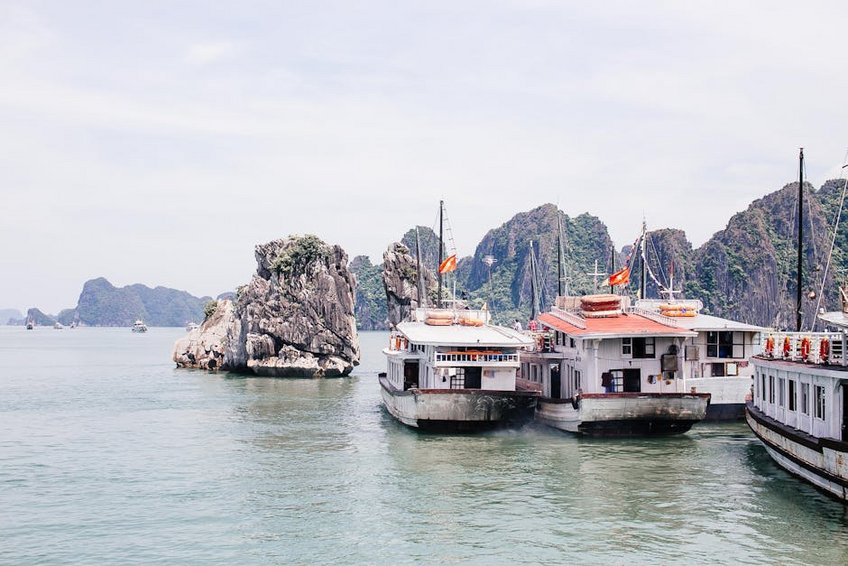
Alt: “traditional-junk-sailboat-ha-long-bay-limestone-karsts”
Vietnam Ha Long Bay Overnight Cruise – Planning Your Trip
Booking the right overnight sailing requires balancing budget, itinerary preferences, and travel dates. The most common options are 2-day/1-night and 3-day/2-night journeys. A 2-day trip gives you a solid overview, while a 3-day itinerary allows deeper exploration of secondary bays like Lan Ha or Bai Tu Long with more kayaking and relaxation time.
Your budget will determine cabin quality, food standard, and guide expertise. Itineraries differ significantly; some focus on active adventures with hiking and kayaking, while others emphasize onboard relaxation and fine dining. Always scrutinize the daily schedule to ensure it matches your desired pace and includes your must-see attractions.
Booking directly with a reputable cruise company or through a trusted travel agent in Hanoi is recommended. Read recent reviews focusing on safety records, food hygiene, and guide knowledge. Confirm what is included: transfers from Hanoi, all meals, kayaking, and entry fees should be standard.
Best Time to Visit Ha Long Bay
The optimal period for a Ha Long Bay overnight cruise is during the spring (March to April) and autumn (October to November). During these months, you typically encounter pleasant, dry weather with average temperatures of 68-82°F (20-28°C) and calm seas, providing ideal conditions for sailing and outdoor activities.
Summer (May to September) brings hot, humid conditions (77-95°F / 25-35°C) and the highest chance of afternoon thunderstorms or occasional typhoons, which can disrupt itineraries. Winter (December to February) is cool, foggy, and damp, with temperatures between 57-68°F (14-20°C). While less crowded, the mist can obscure views, though it creates a mysterious, atmospheric scenery.
Budget Planning and Costs
Overnight cruise prices vary dramatically based on duration, boat quality, and cabin type. Here’s a general breakdown of what to expect for a per-person rate.
Essential Preparation Checklist
Pack light, as cabin space is limited. Essentials include lightweight, quick-dry clothing, a warm layer for evenings, a rain jacket, swimwear, and comfortable non-slip shoes for deck and cave visits. Don’t forget sunscreen, insect repellent, a hat, and a power bank for your camera.
Ensure your passport is valid for at least six months beyond your entry date. Most nationalities require a visa for Vietnam, which you should arrange before arrival. Purchase comprehensive travel insurance that covers marine activities and potential trip cancellations due to weather. Book your cruise at least two to three weeks in advance during peak season.
Top Attractions and Cruise Activities
An overnight journey offers a curated selection of the bay’s highlights, moving beyond the standard day-trip path. Activities are designed to showcase the natural beauty and cultural heritage of the region. The pace allows for both guided exploration and personal downtime to simply absorb the serene landscape from the deck of your ship.
From sunrise tai chi to evening squid fishing, the daily schedule blends relaxation with adventure. The magic often happens in the quieter moments: cruising through a narrow channel as the sun sets or kayaking into a hidden lagoon inaccessible to larger tour boats. Each cruise operator selects a mix of well-known stops and their own secret spots.
Must-See Highlights
Sung Sot Cave (Surprise Cave) is the bay’s largest and most famous grotto, featuring massive chambers with impressive stalactite and stalagmite formations. Visits are typically included on central bay itineraries. Arrive early or late to avoid the biggest crowds from day boats.
Titop Island provides a panoramic viewpoint. A 20-minute hike up 400 steps rewards you with a 360-degree vista of the karst seascape. The island also has a small, sandy beach for a quick swim. Most cruises schedule a stop here, often in the afternoon.
Kayaking through Luon Cave or Dark & Bright Cave is a quintessential experience. Paddling through low cave tunnels into serene, hidden lagoons surrounded by vertical cliffs offers a unique, up-close perspective. This activity is standard on almost all overnight programs.
Hidden Gems and Local Favorites
For a more authentic and less crowded experience, seek out itineraries that include Cua Van Floating Cultural Center. This preserved floating village museum offers insight into the traditional way of life without the commercialism found in some active villages.
Bai Tu Long Bay’s Cap La Island area is a paradise for kayakers, with maze-like waterways through limestone arches. Cruises visiting this zone often include a stop at the pristine Thien Canh Son Cave, which sees only a fraction of the visitors compared to Sung Sot.
Onboard Experiences and Evening Activities
The onboard experience is a major attraction. Participate in a morning tai chi session on the sundeck at sunrise for a tranquil start. Many cruises also offer brief cooking demonstrations, teaching you how to make fresh spring rolls or nem (fried spring rolls).
Evenings are for relaxation after dinner. Options might include night squid fishing off the side of the boat with the crew, stargazing on the deck away from city lights, or simply enjoying a cocktail in the lounge. This downtime is what truly differentiates an overnight trip from a rushed day excursion.
Practical Travel Information
Reaching your cruise departure point involves a transfer from Hanoi. The drive to Ha Long International Cruise Port (also known as Tuan Chau Marina) takes approximately 2.5 to 3 hours, depending on traffic. Most cruise packages include this transfer in comfortable, air-conditioned shuttle vans or private cars.
Accommodation on the bay is, of course, your cruise ship cabin. However, if you need to stay in Ha Long City before or after your sailing, options range from budget hostels to international luxury hotels. Staying overnight in the city allows for a more relaxed start on your embarkation day.
| Category | Options/Features | Price Range (USD) |
|---|---|---|
| Hanoi Transfer | Shared shuttle van, private car, or luxury limousine service. Includes hotel pickup. | $20-$60 (one-way) |
| Pre-Cruise Hotel | Budget hotels near the port, mid-range beachfront hotels, or luxury resorts with bay views. | $30-$250 per night |
| Port Fees & Taxes | Mandatory government fees, environmental taxes, and entry tickets included in cruise fare. | Typically included |
| Onboard Extras | Premium beverages, spa treatments, private guide services, or special occasion setups. | $10-$150+ |