Greek Island Hopping Route
Creating a personalized Greek island hopping route allows you to experience the diverse beauty of the Aegean and Ionian Seas on your own terms. You can craft an itinerary that balances iconic whitewashed villages with secluded beaches, ancient history with vibrant nightlife, and luxury resorts with authentic tavernas. This guide provides the essential planning framework, destination comparisons, and logistical tips to design your perfect multi-island adventure, from ferry strategies to seasonal timing.
Essential Greek Island Information
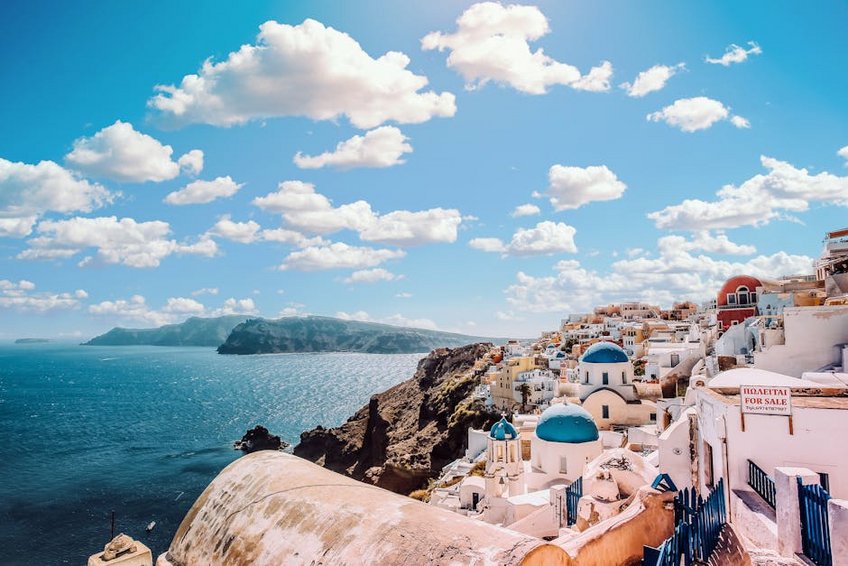
The Greek islands are divided into several distinct archipelagos, each with a unique character. The Cyclades, including Santorini and Mykonos, offer dramatic volcanic landscapes and iconic blue-domed churches. The Ionian islands, like Corfu and Kefalonia, feature lush green hillsides and Venetian architecture, while the Dodecanese, such as Rhodes, blend medieval history with bustling resorts.
Understanding these regional differences is key to planning a coherent route. The islands operate on a relaxed “siga siga” (slowly slowly) pace, especially outside peak season. Ferry schedules can be fluid, and many smaller shops close for afternoon rest. Embrace this laid-back rhythm for a more authentic and enjoyable experience across all your stops.
Understanding the Main Archipelagos
Your route’s flavor depends heavily on which island group you choose to explore. Each cluster has its own ferry network, making intra-group travel much simpler than jumping between distant chains. Focus your itinerary on one or two adjacent groups for a seamless trip.
- The Cyclades: The most famous group, home to Santorini, Mykonos, Paros, and Naxos. Expect stark, sun-bleached landscapes, windmills, and intense summer crowds. This is the classic postcard-perfect Greece, ideal for first-timers seeking iconic scenery.
- The Ionian Islands: Including Corfu, Zakynthos, and Kefalonia. These islands are greener with more rainfall, featuring olive groves, cypress trees, and Venetian fortresses. The beaches have stunning turquoise waters and white pebbles or sand.
- The Dodecanese: Rhodes, Kos, and Patmos are the highlights. This eastern group near Turkey offers a rich blend of Crusader history, Ottoman influence, and long sandy beaches. It has a longer, warmer season than the Cyclades.
- Budget Traveler ($1,200-$1,800): Stay in hostel dorms or basic guesthouses ($40-70/night), use standard ferry class, eat mainly street food and gyros, and limit paid tours. Focus on less expensive islands like Naxos, Paros, or Crete. Travel in shoulder season for the best deals.
- Mid-Range Traveler ($2,500-$3,500): This comfortable range gets you private rooms in 3-4 star hotels or boutique studios ($100-180/night), business/fast ferry class, daily meals at mid-range tavernas, and a few guided tours or rental cars. This is the sweet spot for most travelers seeking comfort and experience.
- Luxury Traveler ($5,000+): Indulge in 5-star cave hotels or luxury villas ($300+/night), use fast ferries or private transfers, dine at high-end seafood restaurants, and book private yacht day trips or exclusive guided historical tours. Islands like Santorini, Mykonos, and Corfu cater well to this style.
- Greek National Tourism Organisation
- Lonely Planet Greece Travel Guide
Key Travel Documents and Entry Requirements
U.S. and EU passport holders do not need a visa for tourist stays in Greece under 90 days within a 180-day period. Your passport must be valid for at least three months beyond your planned departure date from the Schengen Area. While Greece is part of the EU’s Schengen Zone, you may undergo random passport checks when traveling between islands.
Always carry a copy of your passport’s main page and your entry stamp separately from the original. For travel insurance, ensure your policy covers medical evacuation, as some islands have limited hospital facilities. Driving requires an International Driving Permit alongside your national license if you plan to rent a car or ATV.
Cultural Context and Historical Significance
The islands are not just beach destinations but living museums of millennia of history. You’ll encounter Minoan ruins, classical Greek temples, Byzantine monasteries, and medieval castles. This layered history influences local customs, architecture, and even cuisine. For instance, Venetian rule in the Ionians left a legacy of fortresses and a love for pasta dishes.
Respect local traditions when visiting churches and monasteries by dressing modestly. Shoulders and knees should be covered. Many islands celebrate local patron saints with lively festivals (“panigiria”) featuring free food, wine, and dancing. Checking local calendars for these events can add a unique cultural layer to your island hopping schedule.
Alt: “cyclades-islands-santorini-caldera-view-sunset”
Greek Island Hopping Route – Planning Your Adventure
Designing an efficient Greek island hopping route is the most critical step for a stress-free vacation. The core principle is to minimize backtracking and long ferry journeys. Start by choosing a logical entry and exit point, often Athens (Piraeus port) or a major island with an international airport like Santorini, Mykonos, or Corfu. Then, plot your course in a geographic sequence, checking actual ferry connections and frequencies for your travel dates.
Your ideal island sequence depends entirely on your priorities. A classic Cycladic route for first-timers might be Athens → Mykonos (nightlife) → Paros (beaches & villages) → Naxos (authentic culture) → Santorini (dramatic views). For a more relaxed Ionian trip, consider Corfu (culture & history) → Paxos (secluded coves) → Lefkada (stunning beaches) → Kefalonia (dramatic scenery).
Factor in ferry travel times, which can range from 30 minutes between close islands to over 5 hours for longer stretches. Always allow a full day for travel between islands, as checking out, getting to the port, waiting, sailing, and checking in can consume 4-6 hours. Never book a tight connection or plan a major activity on a travel day.
Best Time to Visit for Island Hopping
The absolute peak season is July and August, when temperatures soar between 85-100°F (30-38°C), prices are highest, and islands are most crowded. This period guarantees vibrant nightlife and perfect swimming conditions but requires booking ferries and hotels months in advance. The sea is warmest then, ideal for extensive beach days.
For the best balance of weather, value, and manageable crowds, target the shoulder seasons. Late May to late June and September to early October offer pleasant temperatures of 75-85°F (24-29°C), warm sea, and fewer tourists. The water remains swimmable into October. April-May and late October are quieter and cheaper but risk cooler, windier weather and some closed tourist businesses.
Budget Planning and Costs
Your total cost varies dramatically by season, island choice, and travel style. Here’s a realistic breakdown for a 10-day trip per person, excluding international flights.
Essential Preparation Checklist
Pack light with a soft-sided suitcase or backpack, as you’ll be maneuvering on and off ferries and over cobblestone streets. Essentials include comfortable walking shoes, swimwear, a sun hat, high-SPF sunscreen, a reusable water bottle, a European power adapter (Type C/F, 220V), and a lightweight scarf for visiting religious sites. A waterproof phone case and dry bag are useful for boat days.
Book your inter-island ferries at least 2-3 weeks in advance during peak season through sites like Ferryhopper or Direct Ferries. Secure your first two nights’ accommodation before arrival. Ensure you have a credit card with no foreign transaction fees and notify your bank of travel plans. Download offline Google Maps for your islands and the Ferryhopper app for schedules.
Top Island Destinations and Experiences
Each Greek island offers a distinct personality. Your route should mix different vibes to keep the journey exciting. Pair a bustling, cosmopolitan island with a tranquil, traditional one. Combine an island known for archaeological sites with one famed for natural beauty. This contrast creates a richer, more complete picture of Greek island life and prevents monotony.
Accessibility varies. Larger islands like Crete, Rhodes, and Corfu have international airports and act as perfect starting points. Medium islands like Santorini, Mykonos, Paros, and Kos also have airports with seasonal European connections. Smaller, more remote islands such as Milos, Folegandros, or Symi are reachable only by ferry, adding to their secluded charm.
Must-See Cycladic Highlights
Santorini is unmissable for its breathtaking caldera views, sunset cruises, and unique volcanic beaches like Red Beach and Perissa. Stay in Fira or Oia for the iconic scenery, but be prepared for premium prices and dense crowds. The archaeological site of Akrotiri offers a fascinating glimpse into a Minoan city preserved by ash.
Mykonos delivers world-class nightlife, chic boutique shopping, and picturesque windmills in Mykonos Town (Chora). Its beaches, like Paradise and Super Paradise, are hubs for partying and water sports. For a more cultural side trip, the nearby island of Delos, a UNESCO World Heritage Site and ancient religious center, is a short boat ride away.
Paros and Naxos offer the classic Cycladic experience at a more moderate price. Paros boasts charming villages like Naoussa and Lefkes, excellent windsurfing at Golden Beach, and a lively port. Larger Naxos features a magnificent Portara (temple doorway), mountain villages, and long, sandy beaches perfect for families. Both are central hubs with excellent ferry connections.
Hidden Gems and Local Favorites
Venture beyond the big names to discover less crowded islands with immense charm. Milos is famous for its otherworldly lunar landscapes and over 70 unique beaches, including the iridescent Sarakiniko and the colorful fishing village of Klima. It’s a top choice for geology lovers and photographers seeking something different from the standard white-and-blue aesthetic.
Folegandros provides dramatic cliffside scenery similar to Santorini but with a fraction of the tourists. Its main village, Chora, is a pristine Cycladic settlement perched on a cliff edge. For serenity and stunning water, the small island of Koufonisia in the Small Cyclades is a paradise of turquoise lagoons and sandy coves, ideal for swimming and relaxation.
Sailing and Boat Excursions
No Greek island hopping route is complete without time on the water. Day cruises are available from almost every island, taking you to secluded beaches, snorkeling spots, and nearby islets inaccessible by land. Popular options include a caldera cruise in Santorini, a trip to the Blue Caves from Zakynthos, or a sailing tour around the beaches of Milos.
For the ultimate freedom, consider chartering a bareboat (with your own license) or a skippered yacht for 3-7 days. This allows you to explore remote bays and create your own schedule. The Saronic Islands near Athens or the Ionian Sea are perfect for first-time sailors due to protected waters and short distances between harbors.
Practical Travel and Logistics
Navigating between islands relies almost entirely on ferries. The main ferry types are conventional (slower, cheaper, can carry vehicles) and high-speed catamarans (faster, more expensive, passenger-only). Companies like Blue Star Ferries, Seajets, and Hellenic Seaways operate most routes. Always double-check the departure port, as some islands like Santorini and Mykonos have multiple ports.
Accommodation ranges from luxury resorts and boutique cave hotels to family-run pensions and hostels. Book well ahead for peak season, especially for sought-after locations like Oia in Santorini or Mykonos Town. In shoulder season, you can be more flexible, but still book your first few nights. Consider staying in a main town for convenience or a remote village for tranquility.
| Accommodation Type | Best For & Features | Avg. Price/Night (Peak Season) |
|---|---|---|
| Luxury Cave Hotel/Suite | Couples, honeymooners; Caldera/sea views, infinity pools, spa services | $400 – $1,200+ |
| Boutique Hotel/Villa | Small groups, design lovers; Stylish decor, central location, personalized service | $180 – $400 |
| Family-Run Pension (Pension) | Budget-conscious travelers, authentic stays; Simple rooms, often family-owned, homemade breakfast | $80 – $150 |
| Self-Catering Studio | Longer stays, families; Kitchenette, more space, often near beaches | $100 – $250 |