Croatian Islands Ferry Schedule: Plan Your Island-Hopping Adventure
Navigating the Croatian Islands Ferry Schedule is the single most important task for a successful Dalmatian coast voyage. This comprehensive network connects over 50 inhabited islands to the mainland, with frequencies and routes shifting dramatically between the bustling summer and quiet winter seasons. Understanding the timetables, operated primarily by Jadrolinija, allows you to craft an efficient itinerary, secure vehicle spots, and maximize your time exploring ancient towns and azure coves instead of waiting at ports.
Essential Ferry Travel Information for Croatia
The Croatian ferry system is a lifeline for island communities and a scenic highway for travelers. Operations are split between state-run Jadrolinija, which handles most major car ferry routes, and private companies like Krilo and TP Line, specializing in faster passenger-only catamarans. The network spans from Istria in the north to Dubrovnik in the south, with the busiest hubs being Split, Zadar, and Rijeka.
There are two main vessel types: large car ferries (trajekti) and faster passenger catamarans. Car ferries are essential for those traveling with a vehicle, offering multiple daily sailings on key routes like Split to Supetar (Brač) or Drvenik to Sućuraj (Hvar). Passenger catamarans, while more expensive, drastically reduce travel time between popular destinations like Split, Hvar Town, and Korčula.
Understanding Ferry Operators and Vessel Types
Your experience depends heavily on which operator and vessel you choose. Each has distinct advantages for different types of travelers.
- Jadrolinija Car Ferries: The backbone of the system, these large vessels transport vehicles and foot passengers on longer crossings. They offer basic amenities like indoor seating, a snack bar, and sun decks. Travel times range from 50 minutes to over 4 hours for longer routes.
- Krilo & TP Line Catamarans: These are high-speed, passenger-only vessels connecting major tourist centers. They cut journey times in half but are more susceptible to cancellation in poor weather. They do not accept vehicles, only foot passengers and sometimes bicycles.
- Local Ferry Services: Smaller operators run vital short-hop routes between neighboring islands, such as the services linking the Elaphiti Islands near Dubrovnik or the Cres-Lošinj bridge. Schedules for these are often seasonal and less frequent.
- Budget Traveler (Foot Passenger): Expect to spend $8-20 per one-way crossing. For example, a Jadrolinija ticket from Split to Supetar (Brač) costs about $8. Save by traveling off-season, purchasing round-trip tickets where available, and prioritizing slower car ferries over faster catamarans.
- Mid-Range (Car & Passenger): A standard car (under 5m) plus two passengers on a main route like Split to Stari Grad (Hvar) costs $45-70 in summer. This price point offers the convenience of your own vehicle for island exploration, which can save on local transport costs.
- Premium (Fast Catamaran & Premium Seating): High-speed catamaran tickets are pricier, around $25-40 per person for a route like Split to Hvar Town. Adding a reserved seat in a quiet lounge might cost an extra $5-10. This option maximizes sightseeing time and comfort but forgoes vehicle transport.
- Jadrolinija Official Ferry Schedule & Booking
- Croatian National Tourist Board
- Krilo Fast Catamarans
Key Regions and Their Main Ferry Hubs
Croatia’s ferry network is organized around three primary coastal regions. Split is the undisputed capital of Dalmatian island-hopping, with connections to Brač, Hvar, Šolta, and Vis. From here, you can reach most central Dalmatian islands within two hours. The Split ferry port (Gat Sv. Petra) is large and well-organized, with clear signage for different destinations.
Further north, Zadar serves as the gateway to the Kornati archipelago and the long islands of Dugi Otok and Silba. Its routes are generally less frequent but offer a more rugged, off-the-beaten-path experience. In the south, Dubrovnik’s Gruž port connects to the serene Elaphiti Islands and the majestic island of Mljet, known for its national park.
Ticket Classes and Onboard Amenities
Ferry tickets are typically sold in several classes. A basic deck passage ticket is the cheapest, granting access to indoor common seating and outdoor decks. For longer journeys, consider reserving an aircraft-style seat in a designated lounge area for extra comfort.
Vehicle tickets are priced by length and must be purchased in addition to passenger tickets. Onboard, amenities are functional rather than luxurious. Most larger Jadrolinija ferries have a cafeteria serving coffee, sandwiches, and beer. Sun decks are the prime real estate for enjoying the stunning Adriatic views during your crossing.
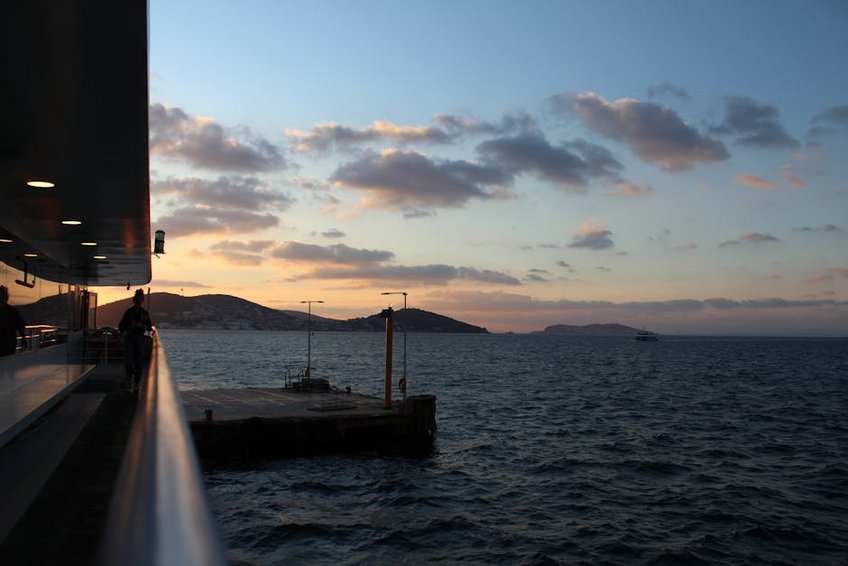
Alt: “split-croatia-ferry-port-jadrolinija-ship-departing”
Croatian Islands Ferry Schedule – Strategic Trip Planning
Mastering the Croatian Islands Ferry Schedule requires understanding its seasonal duality. The summer schedule (June to September) operates at peak frequency, with some popular routes like Split to Hvar Town running over ten times daily. However, this is also when prices are highest and booking vehicle space is crucial months in advance. The winter schedule (October to May) sees reduced services, with some routes operating only once a day or even weekly, but offers a serene, local experience.
For island-hopping, your itinerary must be built around ferry connections, not the other way around. Always check the return journey timing when visiting a smaller island to avoid getting stranded. A strategic approach involves using a primary hub like Split or Hvar as a base, taking day trips via catamaran to neighboring islands, and reserving longer car ferry crossings for moving your base between island groups.
Best Time to Visit for Ferry Travel
The ideal window for flexible ferry travel is during the shoulder seasons of May-June and September-October. During these months, you’ll benefit from the full summer schedule without the extreme crowds of July and August. Air temperatures range from a pleasant 68-80°F (20-27°C), and sea temperatures are warm enough for swimming. Ferry tickets and accommodation are also more affordable and readily available.
Peak summer (July-August) demands meticulous planning. While the schedule is most frequent, ferries are packed, vehicle space sells out weeks ahead, and port areas can be chaotic. If traveling then, book all ferry crossings with vehicle reservations immediately after securing your accommodation. Winter travel is only for the adventurous, as many tourist-oriented catamaran services cease entirely, and weather-related cancellations are common.
Budget Planning and Ferry Costs
Ferry costs vary significantly based on season, route length, vehicle size, and chosen operator.
Essential Preparation Checklist
First, book vehicle spots on car ferries the moment your travel dates are fixed, especially for summer. These slots are limited and sell out rapidly. For foot passengers, buy catamaran tickets at least a few days ahead during peak season. Always verify your booking confirmation for the exact departure port, as large cities like Split have multiple terminals.
Pack for variable conditions. The sun deck can be blazing hot, while air-conditioned interiors are often chilly. Have a jacket, sunscreen, and water handy. Arrive at least 45-60 minutes before departure if you have a vehicle for boarding queues, and 30 minutes early as a foot passenger. Keep physical or digital tickets easily accessible, as you’ll need to show them multiple times before boarding.
Top Island-Hopping Routes and Itineraries
The classic Dalmatian island-hopping route begins in Split, heading to Brač, then Hvar, and finally Korčula before ending in Dubrovnik. This can be done over 7-10 days using a combination of car ferries and catamarans. The Split to Supetar (Brač) crossing runs nearly hourly in summer, making it a flexible and popular first leg. From Brač, catamarans connect to Hvar Town, the vibrant heart of Hvar island.
For a northern Adriatic circuit, start in Rijeka or Zadar. From Rijeka, ferries serve the large islands of Cres and Lošinj, known for their pristine nature and tranquil villages. From Zadar, services run to Dugi Otok and the Kornati National Park, a dramatic archipelago best visited via a dedicated day tour boat. These northern routes feel more remote and are less crowded than the central Dalmatian circuit.
Must-See Highlights and Connections
The Split to Hvar Town catamaran is arguably the most scenic passenger route, offering stunning views of the Pakleni Islands as you approach. Hvar Town itself is a must-visit, with its historic fortress and vibrant waterfront. The car ferry from Orebić to Korčula Town is a short 15-minute crossing but provides a phenomenal approach to the medieval walls of Korčula, the reported birthplace of Marco Polo.
Another essential connection is the Split to Vis ferry. Vis, the furthest inhabited island, has a limited schedule (often 1-2 ferries daily), making an overnight stay mandatory. This preserves its secluded charm. The journey takes about 2.5 hours and feels like a true voyage to a distant outpost, with its dramatic military history and stunning Blue Cave on nearby Biševo island.
Hidden Gems and Lesser-Known Crossings
To escape the crowds, seek out routes serving quieter islands. The Split to Šolta car ferry is a short 50-minute hop to an island beloved by locals for its olive groves and peaceful coves. From Dubrovnik, the ferry to Šipan, the largest of the Elaphiti Islands, offers a glimpse into slow-paced island life just an hour from the bustling city.
The passenger catamaran from Zadar to the island of Silba is a wonderful detour. Silba is entirely car-free, with a charming pedestrian village at its center. Similarly, the ferry from Rijeka to the island of Ilovik, known as the “Island of Flowers,” serves a small community in the Kvarner Gulf, perfect for a tranquil retreat focused on swimming and nature walks.
Multi-Island Day Trip Planning
Efficient day-tripping relies on the fast catamaran network. From Hvar Town, you can easily visit Vis or Korčula on a day trip, with multiple return options. From Korčula Town, a local taxi-boat service can whisk you to the secluded beaches of nearby Badija or Vrnik islets in just minutes. Always double-check the last return departure time to avoid being stranded.
Using Split as a base without a car is highly effective. You can take a morning catamaran to Hvar Town, explore for 5-6 hours, and return in the late afternoon. Another day, take an early ferry to Šolta for hiking and a seafood lunch, returning by mid-afternoon. This approach minimizes packing and unpacking while giving you a taste of multiple islands.
Practical Travel and Booking Information
Booking your Croatian ferry passage has become predominantly digital. The official Jadrolinija website is the primary platform for car ferries and many passenger routes, offering real-time availability and e-tickets. Private operators like Krilo have their own booking sites. While some tickets can be purchased at port ticket offices (blagajna), never rely on this during summer, as popular sailings sell out.
Accommodation location should be chosen with ferry logistics in mind. On islands like Hvar, staying in Stari Grad (the car ferry port) is cheaper and quieter, but you’ll need a local bus or taxi to reach Hvar Town. Staying directly in Hvar Town puts you at the catamaran hub for day trips but comes with a premium price and more noise.
| Ferry Operator | Primary Route Examples | Average Price Range (USD)* |
|---|---|---|
| Jadrolinija (Car Ferry) | Split to Supetar (Brač), Split to Stari Grad (Hvar), Dubrovnik to Sobra (Mljet) | $8-25 (foot), $40-80 (car+driver) |
| Krilo (Fast Catamaran) | Split to Hvar Town, Split to Korčula Town, Split to Bol (Brač) | $20-40 (foot passenger) |
| TP Line (Fast Catamaran) | Split to Hvar Town, Hvar Town to Korčula Town, Split to Vis | $25-45 (foot passenger) |
| Local Services (e.g., Kapetan Luka) | Korčula to Orebić, Dubrovnik to Elaphiti Islands, Zadar to Dugi Otok | $5-15 (foot passenger) |