Scottish Highlands Road Trip Itinerary
Embarking on a Scottish Highlands road trip itinerary gives you ultimate freedom to explore one of Europe’s last great wilderness areas. You will navigate dramatic mountain passes, discover serene lochs, and encounter ancient castles at your own pace. This guide provides the essential framework, practical tips, and local insights to craft your perfect self-drive adventure through this iconic landscape.
Understanding the Scottish Highlands
The Scottish Highlands encompass a vast region north of Glasgow and Edinburgh, defined by rugged terrain and a sparse population. This area’s geology was shaped by ancient glaciers, creating the deep glens and sharp peaks you see today. Its complex history includes clan battles, the Jacobite uprisings, and the tragic Highland Clearances, which all left a profound cultural mark.
The weather here is famously changeable, often experiencing four seasons in a single afternoon. Summer days are long, with twilight lingering past 10 PM, while winter brings short days but a chance to see the Northern Lights. This variability demands flexible planning and the right clothing layers for comfort.
Key Regions You’ll Explore
Your journey will typically cover several distinct areas, each with its own character.
- The Great Glen: A major geological fault line running from Fort William to Inverness, featuring Loch Ness, Caledonian Canal, and commanding views of Ben Nevis, the UK’s highest peak.
- The North Coast 500 (NC500): A famed 500-mile loop starting in Inverness, showcasing the raw, coastal beauty of Scotland’s northern tip with pristine beaches and sheer cliffs.
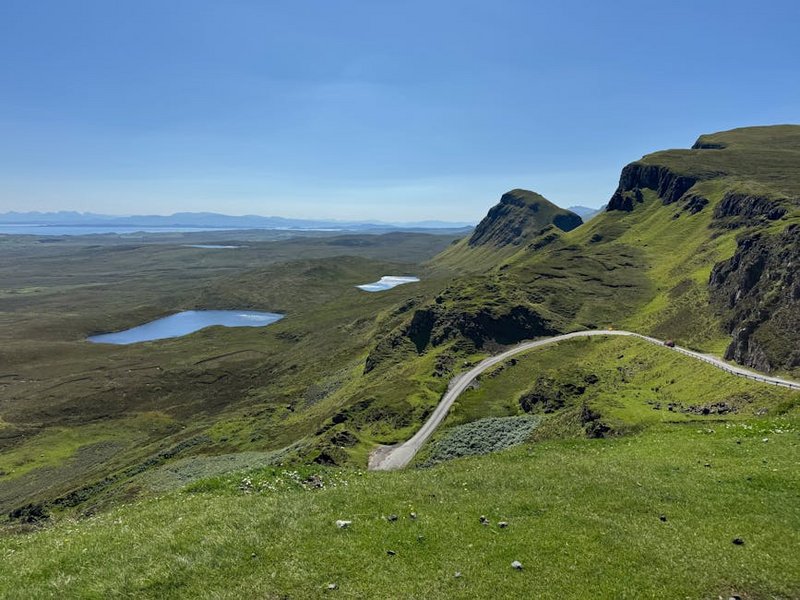
- The Isle of Skye: Accessible via bridge, this island offers some of the most iconic Highland scenery, including the Quiraing landslip, the Old Man of Storr, and the Fairy Pools.
- Budget Traveler ($100-150/day): Focus on hostel dorms or basic B&Bs, self-catering with groceries from supermarkets, and free hiking. Your main costs are the rental car (split among travelers), fuel, and occasional paid attractions.
- Mid-Range Traveler ($200-350/day): This allows for comfortable en-suite B&Bs or small hotels, dining at pubs for lunch and dinner, and entry to several paid castles or guided tours. You’ll enjoy more comfort and convenience.
- Luxury Traveler ($500+/day): Stay in historic country house hotels or luxury lodges with fine dining, book private guided tours or whisky tastings, and enjoy premium experiences like helicopter tours over the mountains.
- VisitScotland – Official Tourism Site
- North Coast 500 Official Route
- Walkhighlands – Hiking Information
Climate and Driving Conditions
Road conditions require careful attention, especially for those new to driving in the UK. You will encounter single-track roads with designated passing places, which require you to pull over to let oncoming traffic proceed. Always drive on the left and be prepared for sudden weather changes that can reduce visibility significantly.
Average summer temperatures range from 50-65°F (10-18°C), while winter temperatures can sit between 32-43°F (0-6°C). Rain is frequent year-round, so waterproof jackets and sturdy footwear are non-negotiable. The midges, tiny biting insects, are most active from May to September, particularly at dawn and dusk near still water.
Alt: “scottish-highlands-road-glennfinnan-viaduct-mountains”
Scottish Highlands Road Trip Itinerary – Planning Your Journey
Crafting the ideal Scottish Highlands road trip itinerary depends on your available time and interests. A one-week circuit allows you to cover major highlights from Edinburgh or Glasgow to Glencoe, Fort William, and the Isle of Skye. For a more comprehensive exploration including the North Coast 500, you will need at least ten to fourteen days to enjoy the drive without feeling rushed.
Booking your rental car well in advance is crucial, especially for summer travel. Opt for a smaller, fuel-efficient vehicle to navigate narrow lanes more easily, though an SUV can be beneficial for confidence on rougher routes. Always confirm that your rental includes insurance for single-track roads and check for any mileage restrictions.
Best Time for a Highlands Road Trip
The optimal window for this self-drive adventure is between late May and early October. June through August offers the warmest weather, longest daylight hours, and full access to all attractions and accommodations. However, these are also the busiest months, requiring bookings made three to six months in advance for popular lodgings.
Shoulder seasons in May and September provide a fantastic compromise with fewer crowds and midges, though some remote services may have reduced hours. Winter trips from November to February are possible for those seeking solitude and dramatic skies, but many minor roads may close due to snow, and daylight is limited to just 6-7 hours.
Budget Planning and Costs
Your daily budget varies widely based on accommodation style and dining choices.
Essential Preparation Checklist
Begin securing your travel documents and key bookings at least four months before departure. You will need a valid passport and, for most international drivers, your domestic license is sufficient for renting a car in the UK. Consider purchasing comprehensive travel insurance that specifically covers rental car excess and potential trip disruptions due to weather.
Pack versatile, moisture-wicking clothing layers, a high-quality waterproof jacket and pants, and broken-in hiking boots. Essential tech includes a UK power adapter, a reliable offline GPS app like Maps.me, and a power bank for your devices. Don’t forget a physical road atlas as a backup for areas with poor mobile reception.
Top Attractions and Scenic Routes
Beyond the famous landmarks, the true magic of this drive lies in the spontaneous stops along quiet lochs and in charming villages. The A82 from Glasgow to Glencoe is one of the world’s most scenic drives, passing Loch Lomond before entering the majestic Glencoe valley. Allow plenty of time for unscheduled photo stops and short walks.
Historic sites like Eilean Donan Castle, perched at the confluence of three lochs, and the haunting Culloden Battlefield provide deep cultural context. Meanwhile, natural wonders such as the Smoo Cave on the north coast and the Corrieshalloch Gorge near Ullapool showcase the region’s diverse geology.
Must-See Highlights
No tour of this region is complete without experiencing Glencoe’s profound beauty. The valley’s steep sides and tragic history create an atmosphere unmatched anywhere else. Visit the Glencoe Visitor Centre for walking trails and historical exhibits, ideally in the morning for the best light on the iconic Three Sisters peaks.
On the Isle of Skye, the Fairy Pools are crystal-clear blue pools at the foot of the Black Cuillin mountains. Arrive early or late in the day to avoid the largest crowds that can descend by mid-morning. The Quiraing landslip on Skye’s Trotternish Ridge offers a moderate loop walk with continuously stunning, otherworldly views.
Hidden Gems and Local Favorites
Venture beyond the NC500 to the remote Knoydart Peninsula, accessible only by ferry from Mallaig. Often called “Britain’s last wilderness,” it has no road access and offers unparalleled isolation and hiking. The drive to the remote Applecross Peninsula via the Bealach na Bà, a steep, winding mountain pass, rewards with breathtaking views over the Inner Hebrides.
For a quieter castle experience, visit Dunrobin Castle in Golspie, which resembles a French château with stunning gardens and falconry displays. The coastal village of Plockton, with its palm trees and tranquil bay, is a delightful spot for a seafood lunch away from the main tourist streams.
Whisky Distillery Tours
The Highlands are home to some of Scotland’s most famous whisky distilleries. The Malt Whisky Trail in Speyside, east of Inverness, includes iconic names like Glenfiddich and Macallan. Booking tours in advance is highly recommended, especially in summer, as they often include tastings and insights into the distillation process.
Smaller, independent distilleries like Old Pulteney in Wick or GlenWyvis in Dingwall offer more intimate experiences. Remember that if you are the driver, you should request the “driver’s pack” at the end of your tour, which allows you to take your tasting samples away for later enjoyment.
Practical Travel Information
Navigating the Highlands requires a mix of planning and adaptability. While main routes like the A9 are well-maintained dual carriageways, much of your journey will be on winding A-roads and single-track B-roads. Fuel stations can be sparse in the far north and west, so make a habit of refueling when your tank drops below half full.
Accommodation ranges from city hotels in Inverness to remote bothies (basic shelters). Booking accommodations ahead is non-negotiable during peak season, as options in small villages are limited. Consider a mix of hotel/B&B stays with perhaps one or two self-catering cottage rentals for longer stops.
| Accommodation Type | Best For | Average Price Range/Night (USD) |
|---|---|---|
| Hostel / Bunkhouse | Solo travelers & budget groups; often in scenic locations | $25 – $45 |
| Bed & Breakfast (B&B) | Authentic local experience with home-cooked breakfast | $90 – $180 |
| Self-Catering Cottage | Families or groups wanting flexibility and space | $120 – $300 |
| Country House Hotel | Luxury, fine dining, and historic settings | $250 – $500+ |