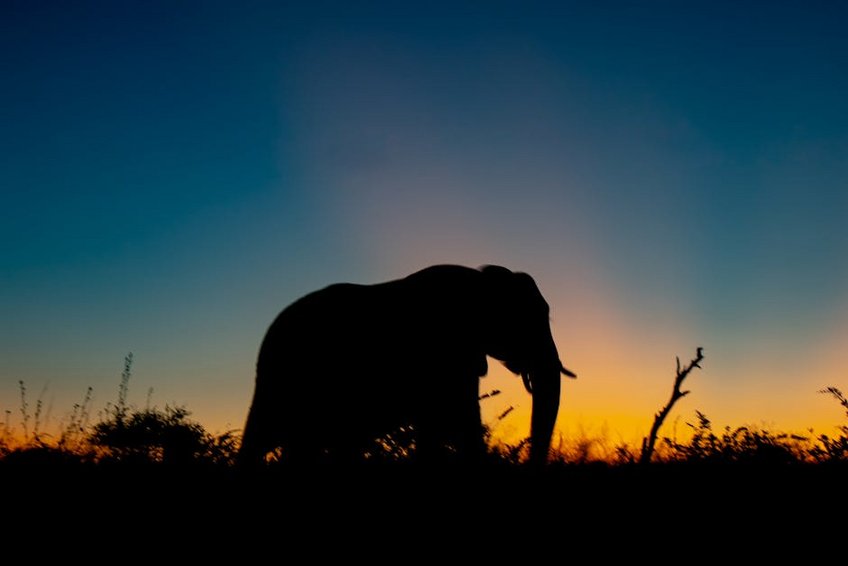
African Safari Budget Guide: Plan Your Dream Wildlife Adventure
An African safari often feels like an exclusive, expensive trip, but with the right planning, it’s an accessible dream for many travelers. This guide demystifies the costs, providing a clear breakdown for a self-drive, camping, lodge, and luxury safari experience. You’ll discover exactly how to allocate your funds, find the best value seasons, and identify where to save without sacrificing the magic of the wild.
Essential Safari Information
Africa is not a single destination but a continent with over 50 countries, each offering distinct wildlife experiences. The classic safari circuit focuses on Eastern and Southern Africa, with Kenya, Tanzania, South Africa, Botswana, and Namibia being the most popular. Your budget is profoundly influenced by which country and parks you choose, as park fees, logistics, and accommodation costs vary drastically.
Understanding the safari types is your first financial decision. Guided lodge safaris offer all-inclusive comfort, while self-drive adventures provide freedom and lower costs. Mobile camping safaris strike a balance, moving with the wildlife. Your choice between a private, custom tour and a shared group tour will also create a significant price difference, sometimes thousands of dollars.
What You Need to Know First
Before diving into numbers, grasp these core concepts that shape your budget.
- Park fees are mandatory daily costs for entering national parks and reserves, ranging from $20 to over $100 per person per day, and are non-negotiable.
- The “shoulder seasons”—the months between peak and low seasons—offer the best balance of good weather, wildlife viewing, and lower prices on flights and tours.
- International flights to Africa are typically your single biggest expense; using flight alerts and booking 4-6 months in advance can save you hundreds of dollars.
- Budget Safari ($1,000 – $2,500): Includes camping in public sites, participation in setting up camp, shared group transport, self-catering or basic meals, and visits to 1-2 national parks. Ideal for backpackers and adventurous travelers comfortable with basic facilities.
- Mid-Range Safari ($2,500 – $5,000): Features comfortable lodge or permanent tented camp accommodation with private bathrooms, all meals included, shared game drives in pop-top 4×4 vehicles, professional guide, and park fees for 2-3 parks. Offers the best overall value for most travelers.
- Luxury Safari ($5,000 – $15,000+): Provides stays in high-end lodges or boutique camps with premium amenities, private vehicle and guide, all-inclusive fine dining and drinks, exclusive activities like hot air balloon rides or walking safaris, and flights between camps. Focuses on privacy and personalized service.
- South African National Parks (SANParks)
- Lonely Planet Africa Travel Guide
Key Factors Affecting Your Total Cost
Your final safari price isn’t just about the tour package. Destination choice has the largest impact, with Botswana and Rwanda being premium, while Kenya, Tanzania, and South Africa offer broader ranges. Travel style is equally decisive; opting for a shared 4×4 vehicle in a group cuts per-person costs significantly compared to a private vehicle.
Furthermore, accommodation level dictates daily rates. Basic camping might cost $50 per night, while a luxury lodge can exceed $1,500. Finally, tour operator markup varies widely; booking directly with a ground operator in Africa often costs 30-50% less than booking through a Western travel agency, though it requires more research.
Breaking Down the Safari Experience
A typical day on a budget or mid-range safari starts with an early morning game drive when animals are most active. You return to camp for breakfast, relax during the midday heat, and embark on an afternoon drive. Evening brings dinner, often around a communal fire. This rhythm maximizes wildlife sightings within the park’s operating hours.
Luxury experiences may include private guides, sundowner drinks in the bush, and night drives where permitted. Regardless of budget, all safaris share the core thrill of searching for the Big Five—lion, leopard, elephant, buffalo, and rhino—within vast, untamed landscapes.
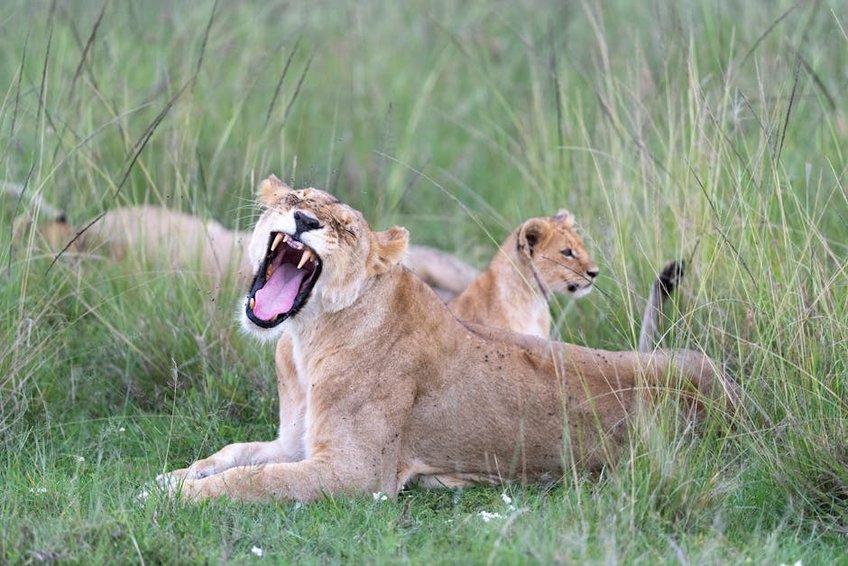
Alt: “savannah-landscape-african-elephants-herd-morning-light”
African Safari Budget Guide – Planning Your Trip
Creating a realistic budget is the most crucial step in planning your wildlife adventure. This guide provides transparent cost tiers to help you match an experience to your finances. Remember, a lower budget doesn’t mean a lesser experience; it often means more adventure, closer connection to nature, and smarter allocation of funds toward what matters most to you.
Your budget must account for five main categories: international flights, safari tour or park fees, accommodation, meals and drinks, and internal transport. Flights and the tour itself will consume 60-70% of most budgets. Always add a 10-15% contingency for unexpected costs, like extra activities or higher fuel prices.
Payment structures vary. Most reputable tour operators require a 20-50% deposit to secure bookings, with the balance due 30-60 days before travel. Paying by credit card offers purchase protection. Be wary of operators demanding full payment via bank transfer months in advance.
Best Time to Visit for Value and Wildlife
The ideal budget-friendly time for an East African safari is during the long dry seasons, from late June to October and January to February. These months offer predictable weather, excellent wildlife viewing as animals congregate around water sources, and mostly passable roads. Daytime temperatures range from 70-85°F (21-29°C), with chilly mornings.
The “green season” or short rains from November to early December presents a superb value opportunity. Lodges offer discounts up to 30%, landscapes are lush and beautiful, and tourist crowds are thinner. While afternoon showers are possible, they rarely disrupt game drives. This season is perfect for birdwatchers and photographers seeking dramatic skies.
Budget Planning and Costs
Here is a realistic breakdown of what you can expect to spend per person for a 7-day safari, excluding international flights.
Essential Preparation Checklist
Start by securing your passport, ensuring it has at least two blank pages and six months validity beyond your return date. Check visa requirements; many African countries offer e-visas or visas on arrival for US/EU citizens, but some require advance application. Consult a travel clinic 6-8 weeks pre-trip for necessary vaccinations like Yellow Fever and malaria prophylaxis.
Pack using a soft-sided duffel bag, as small aircraft and safari vehicles have strict weight limits (often 33 lbs/15kg). Essentials include neutral-colored clothing, a warm layer for morning drives, sturdy shoes, a wide-brimmed hat, high-SPF sunscreen, binoculars, and quality camera gear. Purchase comprehensive travel insurance that covers emergency medical evacuation from remote areas.
Top Safari Destinations and Activities
Each African country offers a unique wildlife character and price point. Kenya’s Maasai Mara is famous for the Great Migration river crossings from July-October. Tanzania combines the Serengeti and Ngorongoro Crater for incredible density of animals. South Africa’s Kruger National Park is ideal for first-timers, with excellent infrastructure and self-drive options.
Botswana’s Okavango Delta provides a pristine, water-based safari experience but at a premium cost. Namibia delivers stunning desert landscapes and unique wildlife adaptations. Uganda and Rwanda are the primary destinations for primate trekking, with permits for mountain gorillas costing $700-$1,500 per person. Your destination choice is the first filter for your budget.
Must-See Wildlife Highlights
The Great Migration in Kenya and Tanzania is a top draw, with river crossing action peaking in the Mara from August to September. The Ngorongoro Crater in Tanzania is a natural amphitheater teeming with year-round wildlife, including the rare black rhino. Seeing gorillas in Uganda’s Bwindi Impenetrable Forest is a profound, bucket-list experience requiring a $700 permit.
In South Africa, Kruger National Park offers exceptional leopard sightings and the chance to spot the “Big Five” in a single day. The Okavango Delta in Botswana provides unique mokoro (dugout canoe) safaris during the flood season from June to August. Each highlight requires specific timing and park fee budgeting.
Hidden Gems and Local Favorites
Consider South Luangwa National Park in Zambia, the birthplace of the walking safari, which offers incredible value and fewer crowds. Hwange National Park in Zimbabwe is a massive, underrated park known for huge elephant herds and superb guiding. These destinations often provide more authentic experiences and direct support to local economies.
For a coastal combo, pair a safari in Tanzania or Kenya with a few days on Zanzibar’s beaches. In Namibia, the Etosha National Park’s waterholes provide guaranteed wildlife viewing, especially in the dry season. Exploring these alternatives can reduce costs and increase the sense of discovery.
Beyond the Game Drive
Walking safaris, offered in Zambia, Botswana, and some private reserves, deliver an intimate, ground-level perspective on the bush. Hot air balloon rides over the Serengeti or Maasai Mara provide a breathtaking sunrise panorama, though they cost $500-$600 per person. Cultural visits to local communities, like the Maasai or San Bushmen, add deep context to your journey.
Night drives, allowed in private reserves and some national parks, reveal a different world of nocturnal animals like bush babies, genets, and hunting predators. These activities are usually add-ons, so factor them into your overall budget if they’re a priority.
Practical Travel Logistics
Getting to Africa typically means flying into a major hub like Johannesburg (JNB), Nairobi (NBO), or Kilimanjaro (JRO). From there, you’ll connect via smaller regional airlines, such as SafariLink or Airlink, to airstrips near national parks. These flights can cost $200-$400 per sector and have strict baggage allowances, so book them with your tour package.
Accommodation ranges from public campsites with shared facilities to ultra-luxury tented camps with plunge pools. Your choice directly affects your daily rate and experience. Booking directly or through a specialized agent can secure better rates, especially for group travel or longer stays.
| Cost Category | Budget Options | Price Range (USD) |
|---|---|---|
| International Flight | Economy from US/EU to JNB or NBO, booked in advance | $800 – $1,500 |
| Daily Safari Cost (Mid-Range) | Lodge safari, all-inclusive, shared vehicle | $350 – $600 per person/day |
| Park Entry Fees | Per person, per day (e.g., Serengeti, Kruger) | $70 – $100 |
| Internal Flight | One-way regional flight (e.g., NBO to MOM) | $200 – $350 |