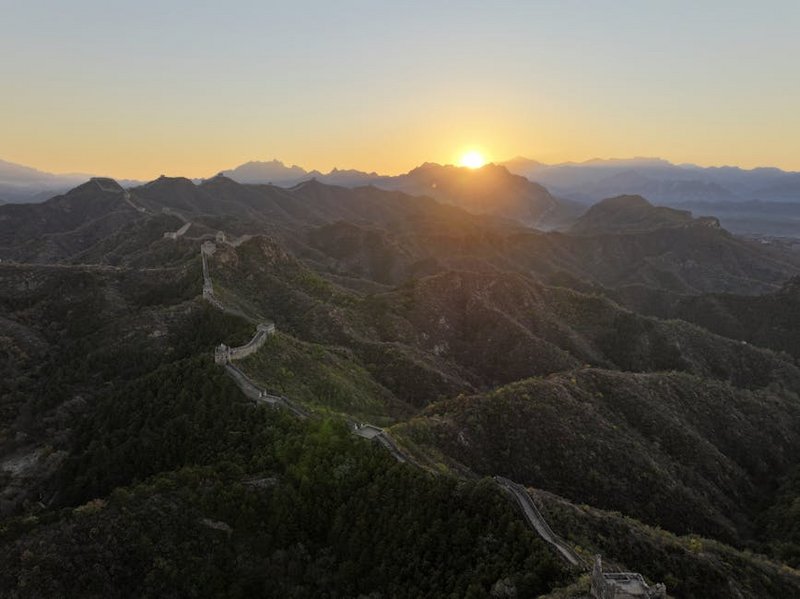
Great Wall of China Sections to Visit
Selecting the right Great Wall of China sections to visit defines your entire experience, balancing accessibility with authentic wonder. While the structure spans over 13,000 miles, key segments offer distinct atmospheres, from fully restored grandeur to wild, crumbling ruins. This guide compares the most rewarding sections for first-timers, history enthusiasts, and avid hikers, providing essential logistics to plan your trip effectively.
Understanding the Great Wall’s History and Scale
The Great Wall is not a single continuous line but a series of fortifications built across dynasties. Constructed primarily during the Ming Dynasty (1368–1644) to defend against northern invasions, its watchtowers and passes represent one of humanity’s most ambitious architectural projects. The scale is staggering, winding through mountains and deserts across northern China.
Different sections served various military purposes, from signal towers to garrison stations. The wall’s condition varies dramatically, with some portions near Beijing meticulously renovated for tourism. Other remote stretches remain untouched, offering a raw glimpse into the past for adventurous travelers.
Recognizing its universal value, UNESCO designated the Great Wall a World Heritage site in 1987. Visiting today involves choosing between the convenience of restored segments and the challenge of wilder, less-accessible areas. Your choice depends heavily on your fitness, interests, and available time.
Key Architectural Features to Recognize
As you explore, identifying these elements enriches your visit.
- Watchtowers: Multi-story structures used for surveillance, signaling, and barracks. Look for arrow slits and brickwork details that indicate their defensive function.
- Battlements: The crenelated walls atop the Wall, featuring merlons (the raised sections) and crenels (the gaps) where defenders would stand and fire.
- Passes (Guan): Fortified gates at strategic valleys or roads, like Shanhaiguan or Jiayuguan, which controlled trade and military movement.
- Budget (Under $50): Take a public bus to a section like Mutianyu. Expect to pay ~$7 for entrance, $15 for a basic meal, and $5 for bus fare. This requires research and comfort with navigating local transit.
- Mid-Range ($50-$150): Join a small-group tour from Beijing including transport, entrance fees, and often a guide. Prices cover logistics and basic insights, providing good value without the hassle of self-planning.
- Luxury ($200+): Hire a private English-speaking driver for a full day to visit multiple lookouts or a remote section. This allows complete flexibility, comfort, and access to less-visited areas like Huanghuacheng or Jinshanling.
- Chinese Ministry of Culture and Tourism
- Lonely Planet Beijing & Northern China Guide
The Wall’s Geographic Diversity
The Great Wall traverses incredibly diverse landscapes beyond the iconic rolling hills near Beijing. To the west, it crosses the arid deserts of Gansu province, where sections like Jiayuguan mark the historical end of the Chinese empire. The building materials change from stone and brick in the east to packed earth and reeds in these drier regions.
In the central regions, the Wall climbs steep, forested mountains, creating the dramatic, photogenic vistas most visitors seek. This varied topography means weather and difficulty fluctuate drastically between sections. Researching the specific terrain is crucial for selecting a hike matching your ability.
Preservation and Restoration Efforts
Massive restoration projects, particularly for the 1980s tourism boom, rebuilt sections like Badaling. This work used original methods but sometimes introduced modern materials. Conversely, “wild wall” segments face natural erosion and, unfortunately, vandalism or brick theft.
Your visit directly impacts preservation. Staying on marked paths, not removing bricks, and using official entrances helps protect the structure. Supporting responsible tour operators who follow “leave no trace” principles is equally vital for the Wall’s future.
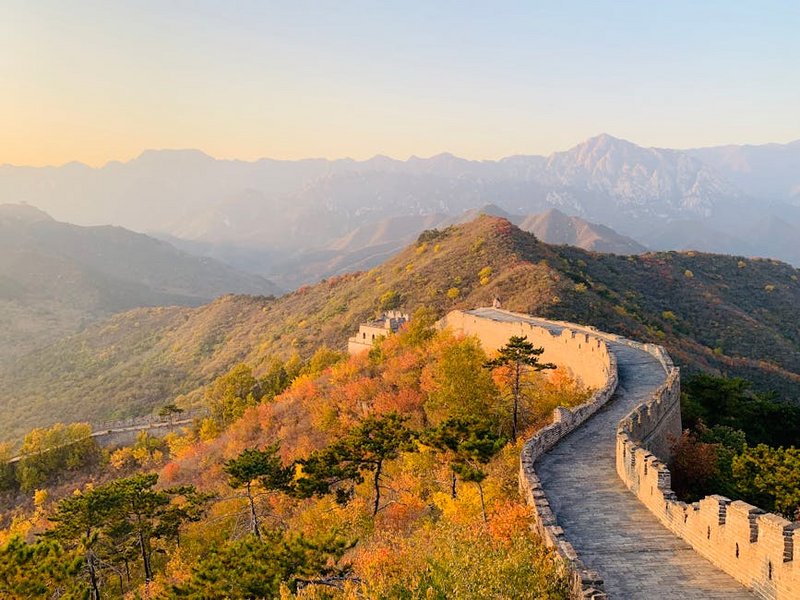
Alt: “mutianyu-great-wall-restored-watchtowers-mountain-landscape”
Great Wall of China Sections to Visit – Planning Your Trip
Your selection among the Great Wall of China sections to visit hinges on three factors: crowd tolerance, physical fitness, and photographic goals. The closest sections to Beijing are most convenient but busiest, while rewarding hikes require longer travel times. Balancing these elements ensures you see the Wall in a way that resonates with your travel style.
First-time visitors often benefit from a restored section with cable car access to guarantee the iconic experience. Repeat visitors or hiking enthusiasts typically seek out the unrestored “wild wall” for solitude and adventure. Consider splitting a multi-day trip between two contrasting segments to appreciate the Wall’s full spectrum.
Logistically, book any guided tour or private driver well in advance, especially for October holidays or spring weekends. Check official tourism sites for unexpected closures. Always carry your passport, as it’s required for ticket purchases at most major sections.
Best Time to Visit the Great Wall
The optimal months are April-May and September-October, offering mild temperatures and clear skies. Daytime highs range from 60-75°F (15-24°C) with low humidity, perfect for hiking. Fall provides stunning foliage, while spring blooms cover the mountainsides.
Summer (June-August) is hot, humid, and crowded, with temperatures often exceeding 86°F (30°C). Winter (December-February) is cold, 20-35°F (-6 to 2°C), and potentially icy, but offers breathtaking snowy vistas and minimal tourists. Weekdays are always less crowded than weekends regardless of season.
Budget Planning and Costs
Costs vary significantly based on transportation and tour style.
Essential Preparation Checklist
Pack sturdy hiking shoes with solid grip, as the Wall’s steps are uneven and often steep. Bring layers, a windbreaker, sun protection, and at least one liter of water per person. A power bank for your phone is essential for navigation and photos.
Ensure you have Chinese Yuan (RMB) cash for small vendors, entrance fees at some gates, and cable cars. Download offline maps and a translation app. Double-check visa requirements; most Western passport holders need a tourist visa arranged before arrival.
Top Recommended Sections for Visitors
Each segment near Beijing presents a unique character, from the impeccable restoration of Mutianyu to the rugged beauty of Jiankou. Proximity to the city reduces travel time but increases visitor numbers, especially on weekends and holidays. For a truly unique perspective, consider sections farther afield that showcase different landscapes and histories.
Accessibility features like cable cars, gondolas, and toboggans are available at renovated sections, making them suitable for families or those with limited mobility. The wilder sections offer no such facilities, requiring proper hiking gear and a good level of fitness. Your choice fundamentally shapes the physical challenge and overall atmosphere of your visit.
Must-See Highlights: Mutianyu and Badaling
Mutianyu is widely considered the best all-around section. It features fully restored battlements, fewer crowds than Badaling, and the fun option of descending via alpine slide or cable car. The views are magnificent, with watchtowers closely spaced along a forested ridge.
Badaling is the most famous and accessible section, resulting in the largest crowds. It’s impeccably restored and offers extensive visitor facilities. Visit very early in the morning or late in the afternoon to avoid the peak tour bus arrivals. This section is ideal for those seeking convenience and a classic postcard view.
Hidden Gems and Hiking Challenges: Jinshanling and Jiankou
Jinshanling offers a superb blend of restored and wild wall, perfect for photographers. The hike from Jinshanling to Simatai West is renowned as one of the most scenic day hikes. You’ll encounter diverse architectural styles and far fewer people than at sections closer to Beijing.
Jiankou is the most dramatic and dangerous section, known for its steep, crumbling spine. It’s completely unrestored and recommended only for experienced, well-equipped hikers with a guide. The reward is breathtaking, raw beauty and a profound sense of history, with famous spots like the “Arrow Nock” and “Sky Stairs.”
Cultural and Scenic Alternatives: Huanghuacheng and Shanhaiguan
Huanghuacheng is unique where the Wall descends into a reservoir, creating beautiful reflections. It’s partially restored and partially wild, offering moderate hikes. The “Water Wall” scenery provides a different photographic opportunity compared to mountain-top segments.
Shanhaiguan, known as the “First Pass Under Heaven,” is located far east near the Bohai Sea. It’s a massive fort complex rather than a mountain ridge hike. Visit to see where the Wall meets the sea and explore a key strategic fortress from Ming history.
Practical Travel Information
Reaching the Great Wall from Beijing involves choosing between public transport, organized tours, or private cars. Public buses are cheapest but require navigating stations and schedules, often with limited English signage. Organized tours handle logistics but operate on fixed timetables and can feel rushed.
Private car hire offers the most flexibility, allowing you to start early, avoid crowds, and combine sections. For remote areas like Jiankou or Jinshanling, a driver is almost essential. Always agree on a price and itinerary with the driver beforehand to avoid misunderstandings.
| Section | Key Features & Best For | Travel Time from Beijing | Entrance Fee (USD) |
|---|---|---|---|
| Badaling | Full restoration, easiest access, cable cars, most crowded. | 1.5 hours | ~$6 |
| Mutianyu | Excellent restoration, scenic, toboggan slide, family-friendly. | 2 hours | ~$7 |
| Jinshanling | Mix of restored/wild, superb hiking, photography. | 2.5 hours | ~$8 |
| Jiankou | Wild, dangerous, dramatic views, experts only. | 2.5 hours | Free (Unofficial) |
| Huanghuacheng | “Water Wall” scenery, moderate hikes, less crowded. | 2 hours | ~$6 |