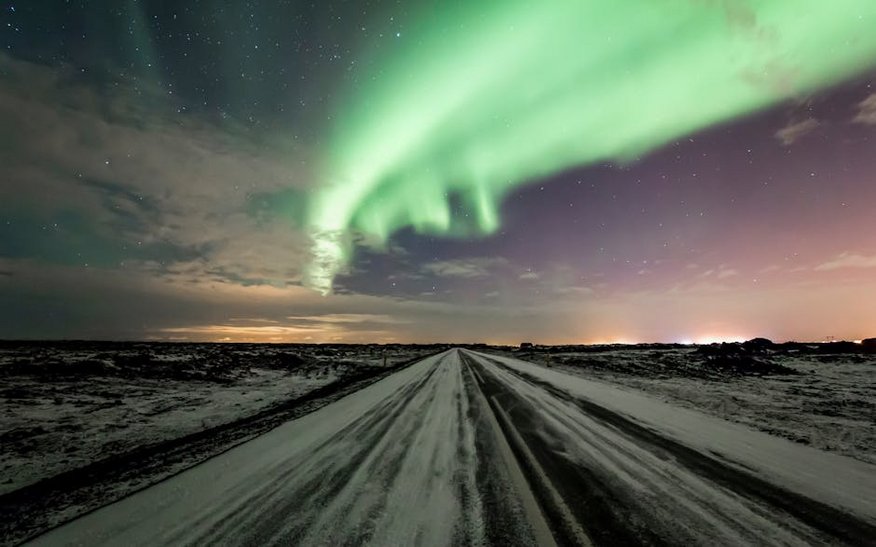
Best Months for Iceland Northern Lights Viewing
Planning your Iceland Northern Lights best months involves targeting September through April when solar activity peaks and darkness prevails. The aurora borealis appears strongest near equinoxes, with Iceland’s location within the Arctic Circle providing optimal viewing conditions free from extreme polar weather. This guide details seasonal timing, weather patterns, and local insights to maximize your aurora hunting success.
Essential Northern Lights Information
The northern lights occur when charged solar particles collide with Earth’s magnetic field, creating colorful displays primarily green and pink. Iceland’s position at 65°N latitude places it directly under the auroral oval, where activity concentrates most nights from autumn to spring. Clear, dark skies away from city lights offer the best visibility for this natural phenomenon.
Solar cycles influence aurora intensity, with current periods showing increased activity every 11 years. Geomagnetic storms triggered by solar flares can enhance displays, making monitoring space weather forecasts crucial for successful viewing. Iceland’s varied landscape provides numerous vantage points across its coastline and interior regions.
Understanding Aurora Borealis Mechanics
Solar wind particles travel toward Earth’s poles at speeds exceeding one million miles per hour. These particles interact with oxygen and nitrogen atoms in the upper atmosphere, releasing energy as light. Different gases produce specific colors, with oxygen creating green hues and nitrogen adding purple or red tones.
- Solar maximum phases occur approximately every 11 years, currently peaking around 2025, increasing aurora frequency and intensity across Iceland’s skies during optimal viewing months.
- KP index measurements range from 0-9, with values above 4 indicating strong auroral activity visible from Reykjavik, while KP 2-3 requires darker locations away from urban light pollution.
- Magnetic latitude differs from geographic coordinates, placing Iceland at 65° magnetic latitude where auroras appear overhead rather than just on the northern horizon during active periods.
- Budget trips cost $800-$1,200 per person for 4 days, including hostel accommodations, self-drive rentals, and free viewing spots like Grótta Lighthouse, with savings from grocery meals and limited guided tours.
- Mid-range options run $1,500-$2,500 per person for 5 days, featuring hotel stays, small group aurora tours, rental car with insurance, and restaurant meals combining local cuisine with practical dining.
- Luxury experiences range $3,000-$5,000 per person for 6 days, offering boutique hotels, private guided aurora hunting, specialized photography workshops, and gourmet dining with thermal spa access included.
- Icelandic Meteorological Office Aurora Forecast
- Space Weather Prediction Center
Iceland’s Unique Viewing Advantages
Iceland offers accessibility lacking in other aurora destinations, with paved roads leading to dark sky areas just minutes from Reykjavik. The country’s maritime climate moderates winter temperatures compared to other Arctic regions, ranging from 20°F to 35°F (-6°C to 2°C) during peak viewing season. This makes extended outdoor viewing sessions more comfortable than in harsher polar environments.
Infrastructure supports aurora hunters with specialized tours, heated viewing cabins, and real-time alert systems. The island’s small population creates minimal light pollution outside the capital region, while numerous natural hot springs provide warm waiting spots during cold nights. These factors combine to create one of the world’s most user-friendly northern lights destinations.
Key Visibility Factors
Cloud cover represents the primary obstacle, with Iceland’s weather changing rapidly throughout any 24-hour period. Successful viewing requires monitoring multiple forecast sources, including the Icelandic Meteorological Office for cloud predictions and NOAA for solar activity. Darkness duration varies significantly, from 4 hours in September to 19 hours in December at their extremes.
Lunar phases affect visibility, with new moon periods offering the darkest skies for faint aurora displays. However, bright moonlit nights can illuminate landscapes for photography while still allowing visible auroras during strong activity. Planning around moon cycles can enhance both viewing and photographic results.
Iceland Northern Lights Best Months – Planning Your Trip
September through March delivers the highest probability for aurora sightings, with October and February typically offering the best balance of weather conditions and solar activity. These months provide sufficient darkness while avoiding the deepest winter storms that can bring persistent cloud cover. The equinox months of September and March often feature increased geomagnetic activity, potentially enhancing displays.
December and January offer the longest nights, increasing viewing opportunities despite colder temperatures averaging 25°F to 35°F (-4°C to 2°C). However, these months experience more precipitation and cloud cover, requiring flexibility in your schedule. February typically brings clearer skies as winter begins transitioning toward spring, with temperatures similar to December but improved weather patterns.
Shoulder seasons in late August and early April can yield surprises, with occasional strong displays outside the core season. These periods offer the advantage of milder weather and more daylight for other activities, though aurora viewing becomes limited to late night hours. Your specific priorities regarding weather tolerance and daylight availability should guide month selection.
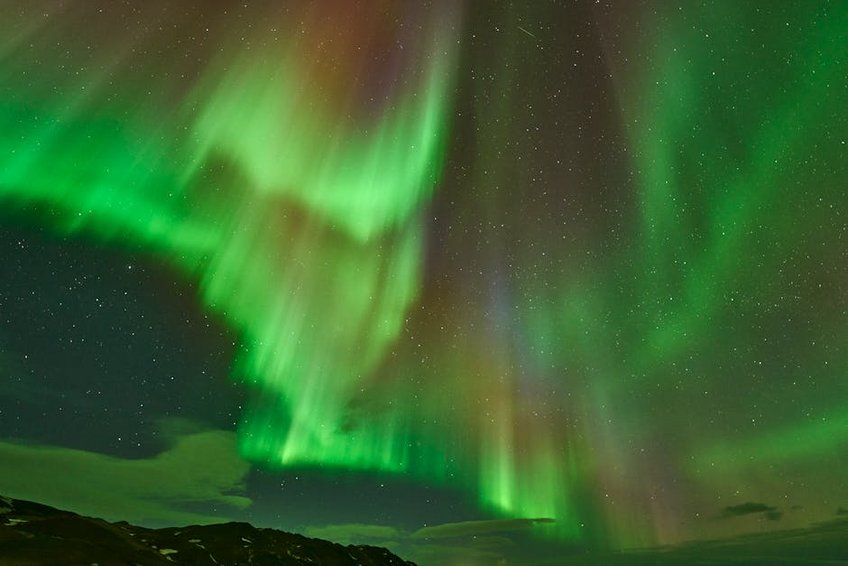
Alt: “iceland-northern-lights-aurora-borealis-green-sky-winter”
Best Time to Visit for Northern Lights
September begins the season with 4-5 hours of darkness and temperatures between 40°F and 50°F (4°C to 10°C), offering comfortable viewing conditions. October increases darkness to 8-9 hours while temperatures drop to 35°F-45°F (2°C to 7°C), creating optimal balance between viewing time and weather. November through February provides maximum darkness but colder conditions from 25°F to 35°F (-4°C to 2°C).
March signals seasonal transition with 6-7 hours of darkness and temperatures rising to 30°F-40°F (-1°C to 4°C), often featuring clear skies and strong auroral activity. April concludes the primary season with only 3-4 hours of true darkness but potentially spectacular displays during the spring equinox period. Each month offers distinct advantages depending on your cold tolerance and desired daylight activities.
Budget Planning and Costs
Northern lights trips vary significantly by accommodation style, tour selection, and travel timing.
Essential Preparation Checklist
Pack thermal base layers, insulated waterproof jackets, and traction cleats for icy conditions. Bring camera equipment with manual settings, spare batteries kept warm in inner pockets, and sturdy tripods for long exposures. Quality headlamps with red light settings preserve night vision while navigating dark viewing locations safely.
Book accommodations 3-4 months early for September-October visits, 5-6 months for December-February peak periods. Secure rental vehicles with winter tires regardless of season, as conditions change rapidly. Purchase comprehensive travel insurance covering weather-related cancellations, as Icelandic storms can disrupt plans unexpectedly.
Top Aurora Viewing Locations and Activities
Iceland’s diverse geography offers numerous premier aurora watching spots accessible year-round. The Golden Circle route provides convenient locations like Þingvellir National Park, just 45 minutes from Reykjavik with minimal light pollution. South Coast destinations including Vík and Jökulsárlón glacier lagoon combine dramatic landscapes with dark skies ideal for photography.
Snæfellsnes Peninsula delivers coastal views with mountains framing auroral displays, while the Westfjords offer remote darkness unmatched elsewhere in Iceland. Each region presents unique advantages, from the convenience of Reykjavik outskirts to the wilderness experiences of the Highlands during summer access months. Your itinerary should balance accessibility with darkness quality based on mobility and comfort preferences.
Must-See Northern Lights Spots
Grótta Lighthouse sits just minutes from Reykjavik center, offering convenient viewing with city amenities nearby, though light pollution reduces visibility during weak activity. The Seltjarnarnes area provides walking paths and minimal artificial light, with the advantage of easy retreat to warmth when temperatures drop below freezing. Visit during new moon periods for best results, with free parking available until 10 PM.
Þingvellir National Park combines historical significance with exceptional darkness, located within the UNESCO World Heritage site where tectonic plates meet. This location requires approximately 45 minutes driving from Reykjavik, with limited facilities after dark, making it essential to bring supplies and warm clothing. The visitor center closes evenings, but designated parking areas remain accessible for aurora hunters.
Jökulsárlón glacier lagoon presents icebergs reflecting auroral colors, creating spectacular photographic opportunities despite the 5-hour drive from Reykjavik. Diamond Beach adjacent to the lagoon offers black sand contrasts with ice crystals during winter months. These locations work best with overnight stays in the area, as returning to Reykjavik same night proves impractical during peak viewing hours.
Hidden Gems and Local Favorites
Rauðisandur Beach in the Westfjords provides spectacular coastal views with minimal visitors, though access requires careful driving on Route 612 during winter conditions. The red sand contrasts uniquely with auroral displays, while complete darkness ensures optimal visibility during KP 2-3 activity levels. Local guesthouses offer overnight accommodations, essential given the remote location far from main tourism routes.
Hvalfjörður fjord lies just north of Reykjavik, featuring mountainous terrain that blocks urban light pollution while remaining accessible within 30 minutes driving. The area offers multiple pull-off spots along Route 47, with Glymur waterfall trailhead providing elevated viewing positions during summer months. This location remains relatively unknown to tour buses, maintaining peaceful viewing experiences.
Photography Tips for Capturing Aurora
Use DSLR or mirrorless cameras with wide-angle lenses (14-24mm) and fast apertures (f/2.8 or wider) to capture faint auroral details. Manual settings typically require ISO 1600-3200, shutter speeds of 4-15 seconds, and infinity focus achieved during daylight then locked for night shooting. Remote shutter releases prevent camera shake during long exposures, while lens heaters combat condensation in cold, humid conditions.
Composition techniques incorporate foreground elements like mountains, waterfalls, or traditional Icelandic houses to create depth and scale. Shoot in RAW format for maximum post-processing flexibility, and bracket exposures to ensure details in both bright auroras and dark landscapes. Practice these techniques during daylight to familiarize yourself with equipment before crucial night shooting opportunities.
Practical Iceland Travel Information
Keflavik International Airport (KEF) serves as Iceland’s primary international gateway, located 50 minutes from Reykjavik with frequent flights from North America and Europe. Rental car agencies operate directly at the airport, with winter driving requiring 4×4 vehicles and familiarity with icy road conditions. Public transportation options include Flybus transfers to Reykjavik, though self-driving provides necessary flexibility for aurora chasing.
Accommodation ranges from Reykjavik hotels offering northern lights wake-up services to countryside guesthouses with dark sky advantages. Booking.com and Airbnb platforms provide numerous options, with rural properties often featuring thermal hot tubs for aurora viewing. Advance reservations prove essential, particularly for September-October and February-March peak periods.
| Category | Options/Features | Price Range (USD) |
|---|---|---|
| Accommodation | Hotels with aurora alerts, guesthouses with hot tubs, self-catering cottages with kitchen facilities | $80-$400/night |
| Transportation | Rental cars with winter tires, guided tour buses, domestic flights to Akureyri | $50-$200/day |
| Tours | Small group aurora hunts, photography workshops, super jeep expeditions | $65-$250/person |
| Dining | Restaurant meals, grocery stores, food trucks featuring local lamb and seafood | $15-$75/meal |